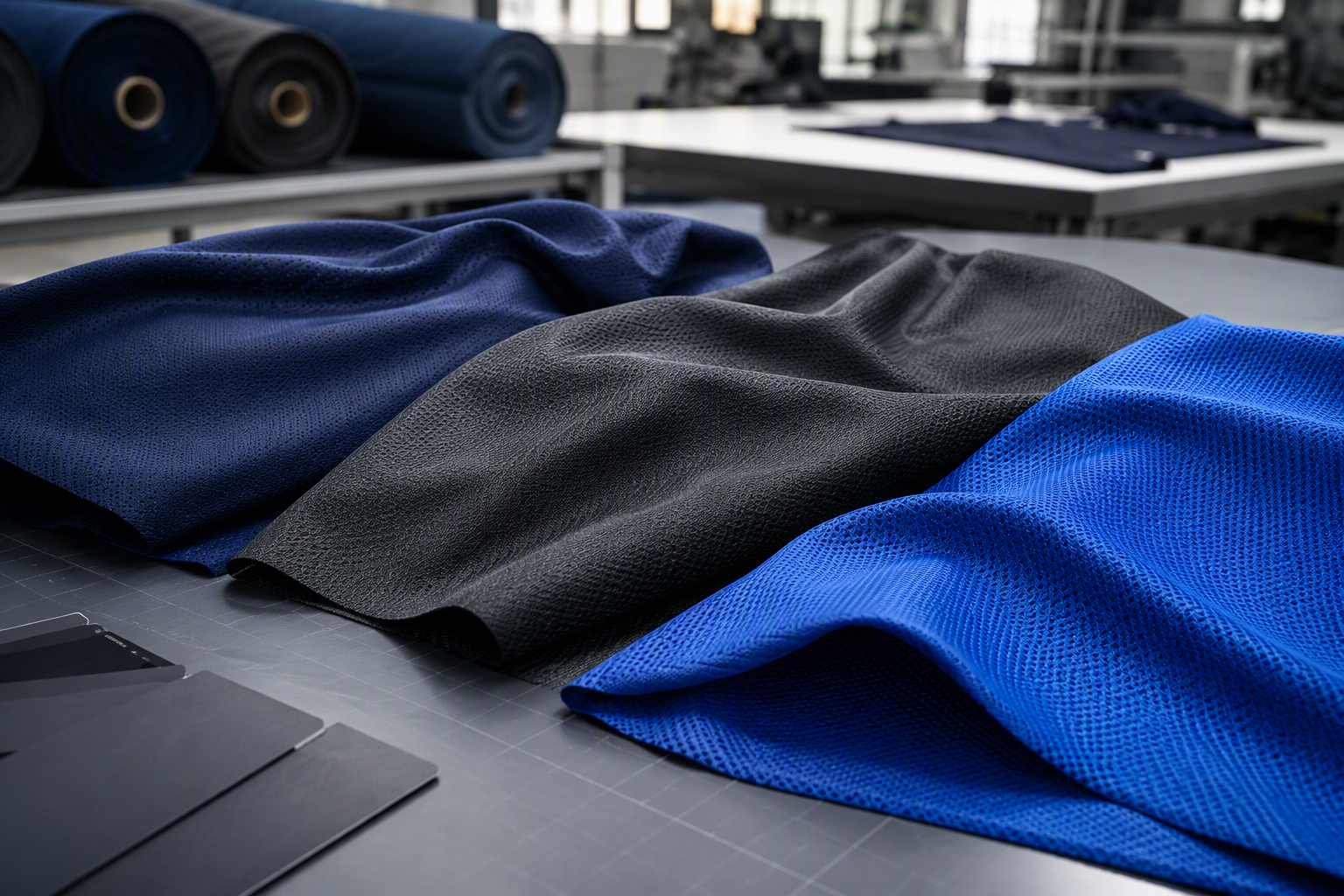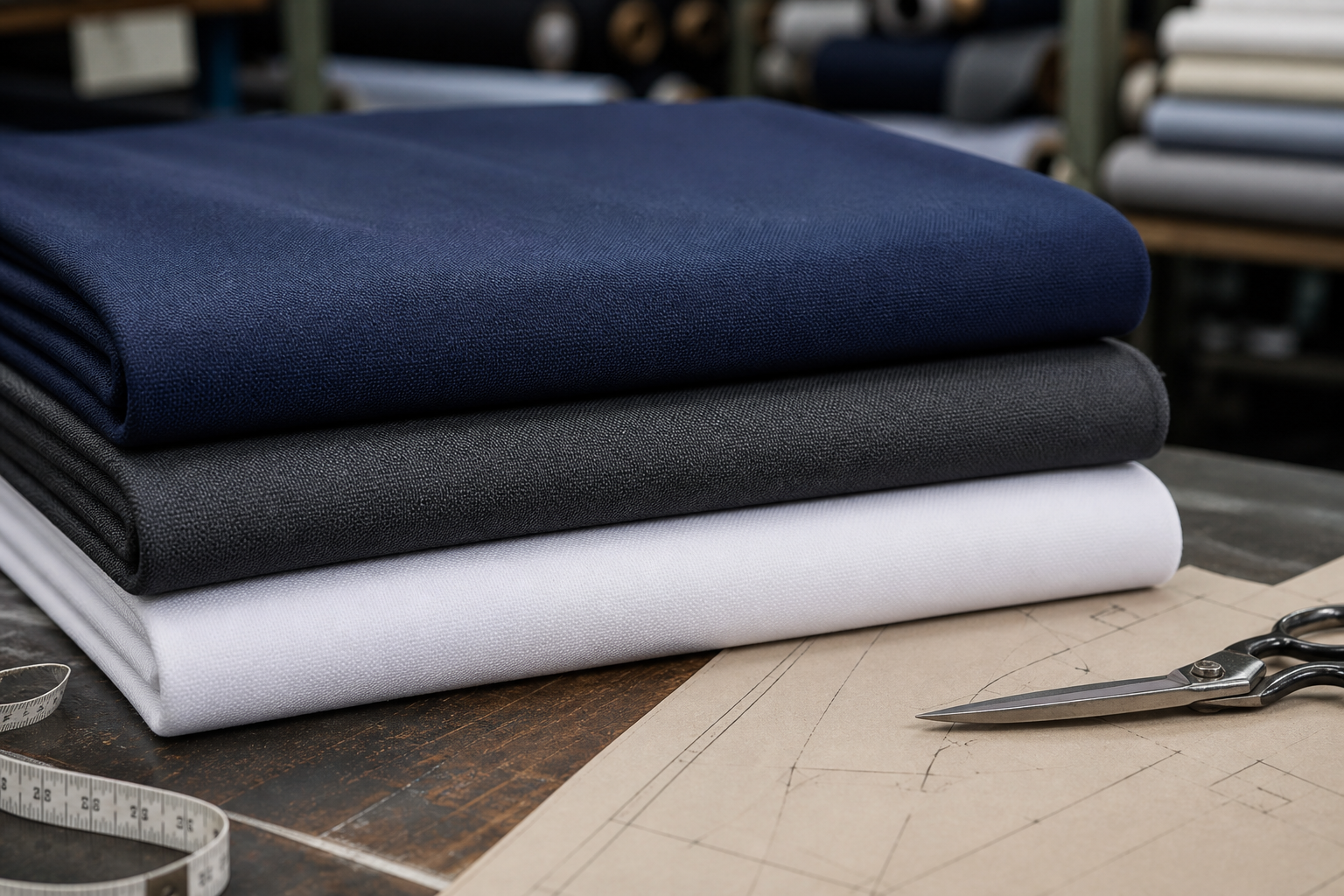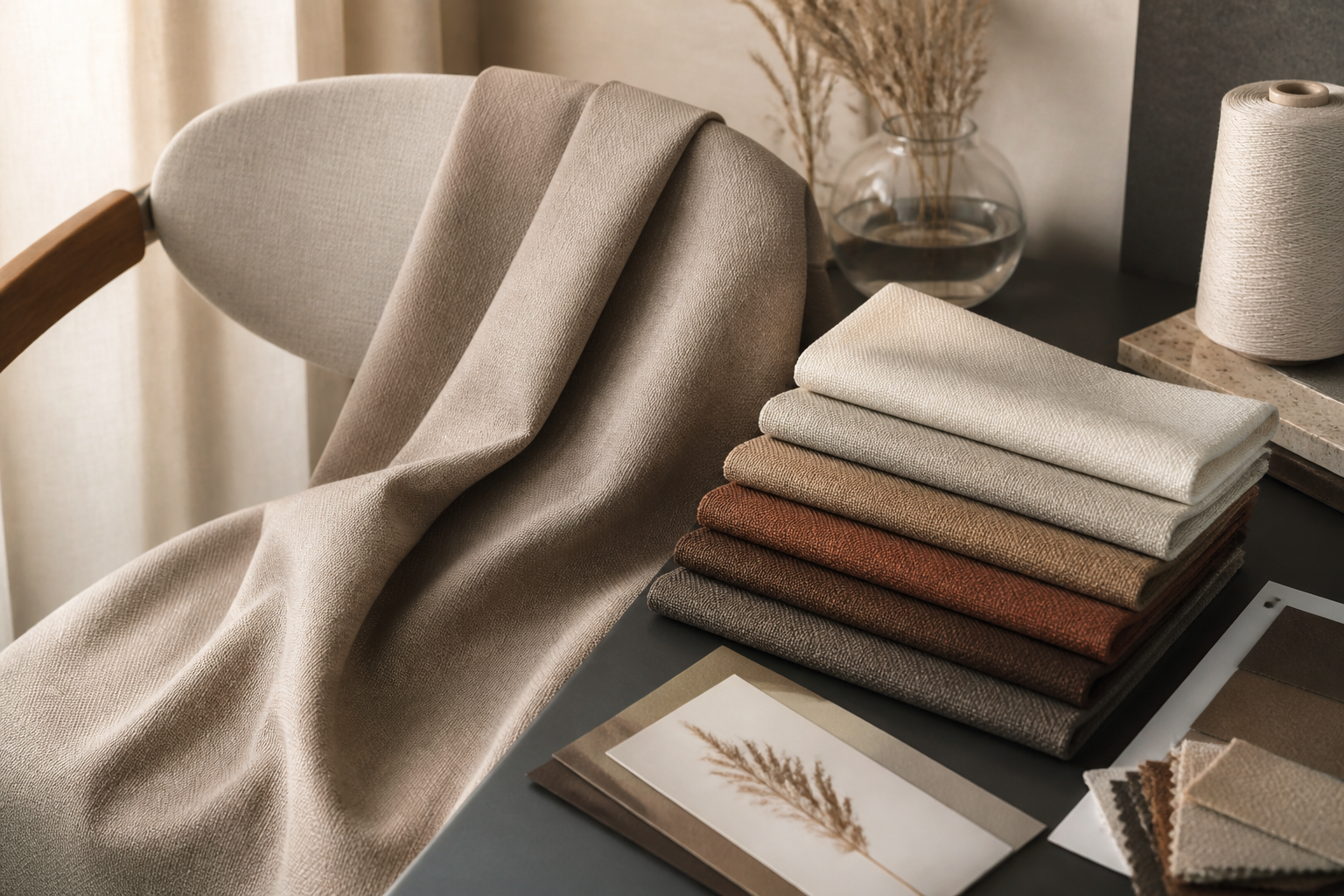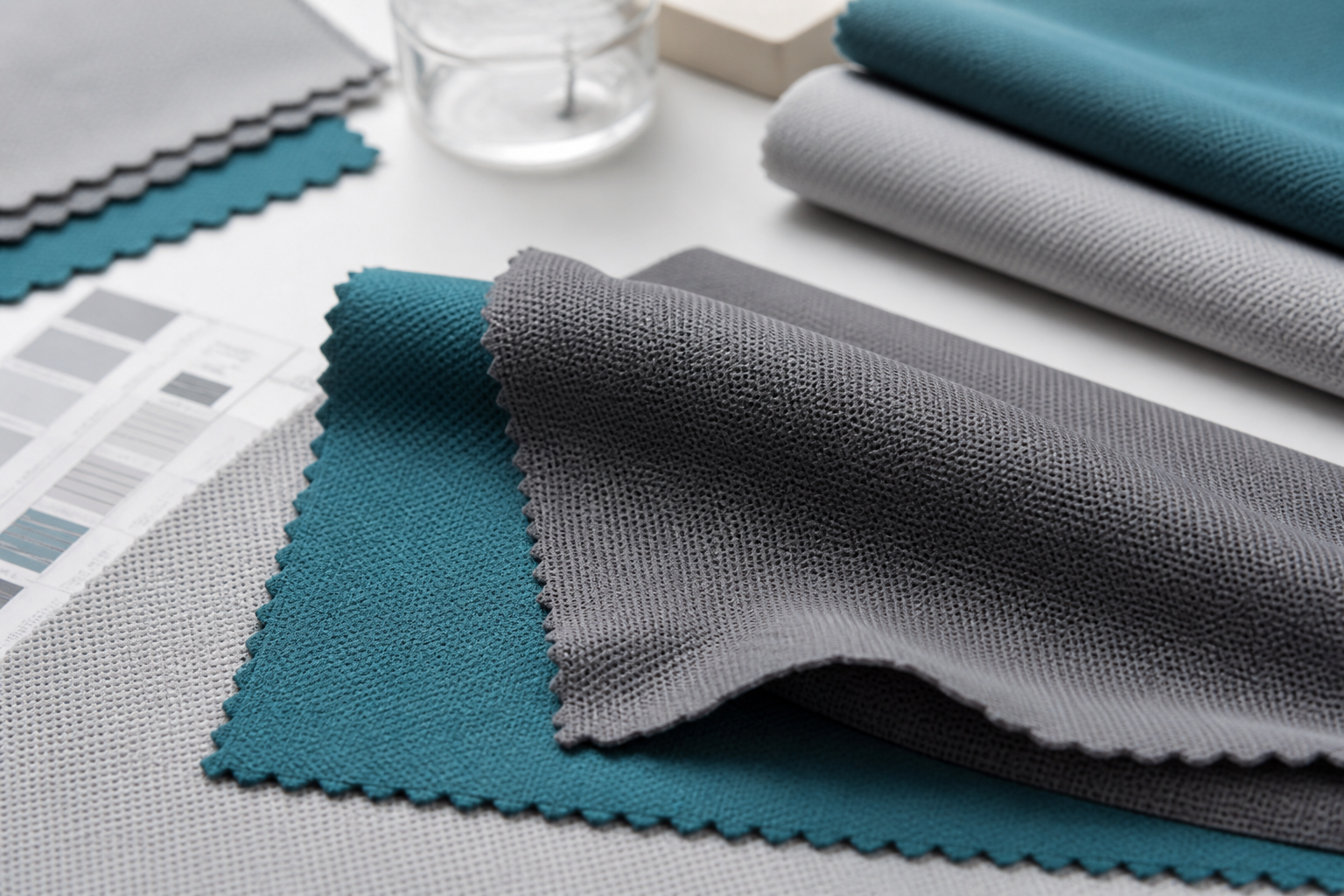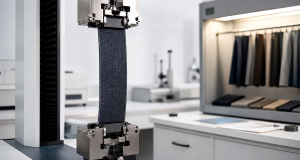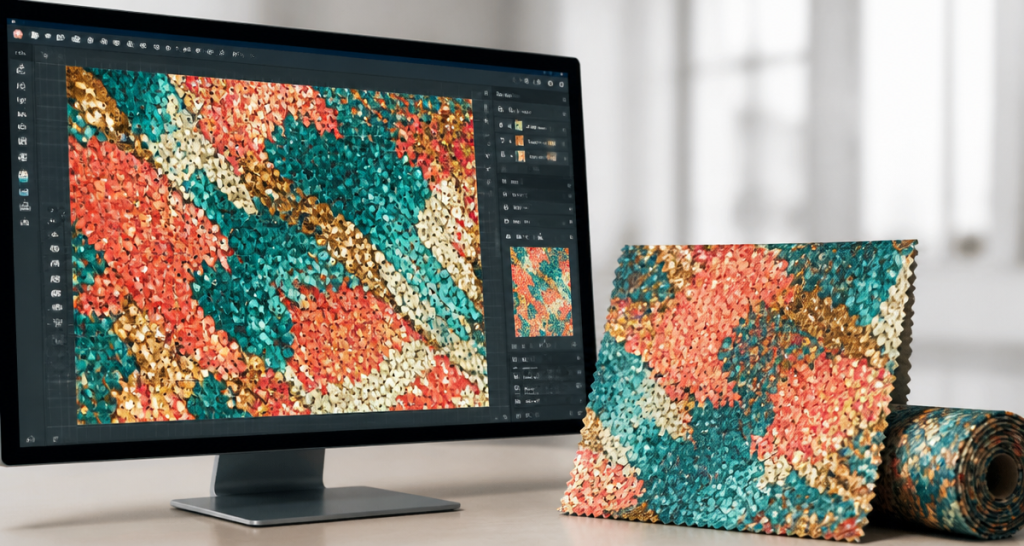
Fabric lab dip approval is the step where you convert a colour request into a signed, measurable reference before any bulk dyeing begins. The practical answer for buyers is simple: request three dip options, evaluate them under D65 daylight and your end-use lighting, record a Delta E tolerance of 1.0 or less against the approved dip, and sign a counter-sample that both sides keep. Everything you approve here becomes the standard for the entire order, so a few days of dip work protects thousands of yards of production.
What Is Fabric Lab Dip Approval?
Fabric lab dip approval is the formal acceptance of a small, laboratory-dyed sample that represents the colour, shade, and finish a bulk order must match. The dip is produced on the same fibre and roughly the same construction as the production fabric, then reviewed by the buyer before the mill commits dyes to the machine.
It matters because colour is the hardest variable to reverse. Once 200 yards are dyed, a wrong shade cannot be corrected cheaply, and re-dyeing risks hand feel, shrinkage, and delivery dates. Lab dip approval moves the decision to the point where a mistake costs a sample, not a shipment. For sequinned and embroidered fabric the dip also covers base fabric, thread colour, and surface finish, so the approval is really a mini specification sign-off.
Key Takeaways
- Always request at least three dip options so the shade direction can be corrected in one round.
- Approve under controlled lighting, not office lamps or a phone screen.
- Set a numeric tolerance, typically Delta E 1.0 or tighter for premium decorative fabric.
- Approve the base fabric, thread shade, and finish together, not colour alone.
- Sign and retain two copies of the approved dip, one for each party.
- Minimum order quantity for our decorative fabric is 200 yards per colour.
How to Run a Lab Dip Approval: Step-by-Step
- Send a controlled colour reference. Supply a physical standard, not only a Pantone number, because digital references and printed chips behave differently.
- Define the substrate. State fibre content, construction, and finish so the dip is made on the real base fabric.
- Request three dip options. Ask for one target shade plus one lighter and one deeper alternative to speed up correction.
- Review under D65 first. Evaluate in a daylight cabinet and record the observer and the time.
- Check under end-use lighting. Confirm the shade under retail lighting or stage LEDs, since metamerism changes perception.
- Measure numerically. Take a spectrophotometer reading and compare Delta E against your standard.
- Confirm the full build. Verify base fabric, thread shade, and surface finish on the same dip panel.
- Sign and distribute. Issue a signed counter-sample to the factory and keep the original in your colour library.
Lab Dip Approval Record: Fields to Capture
An approval without a record is only an opinion. Capture these fields on a single sheet that travels with the order.
| Field | Example value | Why it matters |
|---|---|---|
| Dye lot reference | LD-2026-014 | Traceability if bulk drifts |
| Base fabric | 40D mesh, 100% polyester | Colour reads differently by substrate |
| Light source | D65 plus warm retail | Controls metamerism risk |
| Delta E | 0.8 against standard | Converts colour into a number |
| Thread shade | Matched to base dip | Keeps embroidery consistent |
| Finish | Matte, soft hand | Finish shifts perceived shade |
| Approval date and signatory | Named buyer signature | Creates an auditable record |
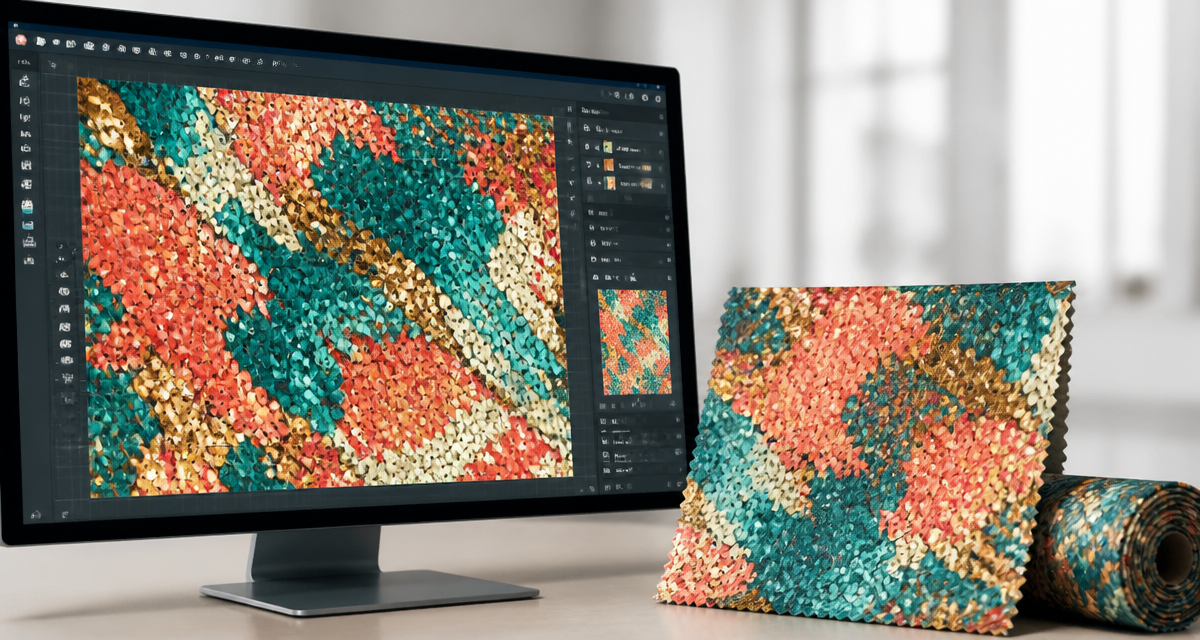
Lab Dip vs Bulk Dyeing: What Changes at Scale
| Factor | Lab dip | Bulk dyeing | Buyer action |
|---|---|---|---|
| Batch size | A few metres | 200 to several thousand yards | Approve before committing quantity |
| Equipment | Sample dyeing machine | Production jet or beam machine | Ask for a bulk-first-off sample |
| Colour control | Tight, manual adjustment | Liquor ratio and time driven | Agree a Delta E tolerance in writing |
| Risk | Costs one sample | Costs the whole order | Never skip the dip to save a week |
| Timeline | Typically a few days per round | Depends on machine schedule | Book dips early in development |
Common Lab Dip Approval Problems
The dip matches but bulk does not
This usually means the dip was made on a different substrate or a different machine process. Insist on a first-off bulk sample and compare it with the signed dip using our guidance on colour matching under different lighting and lab dip approval for sequin fabric.
Thread and base read as different colours
Embroidered and sequinned fabric carries several materials at once. Approve thread against the base using our embroidery thread shade card approval process rather than judging the panel as a single colour.
Colour shifts after washing
A dip that passes visual review can still fail after laundering. Add the checks described in sequin fabric colorfastness before signing, especially for bridal and eveningwear programmes.
Lighting Conditions for Fabric Lab Dip Approval
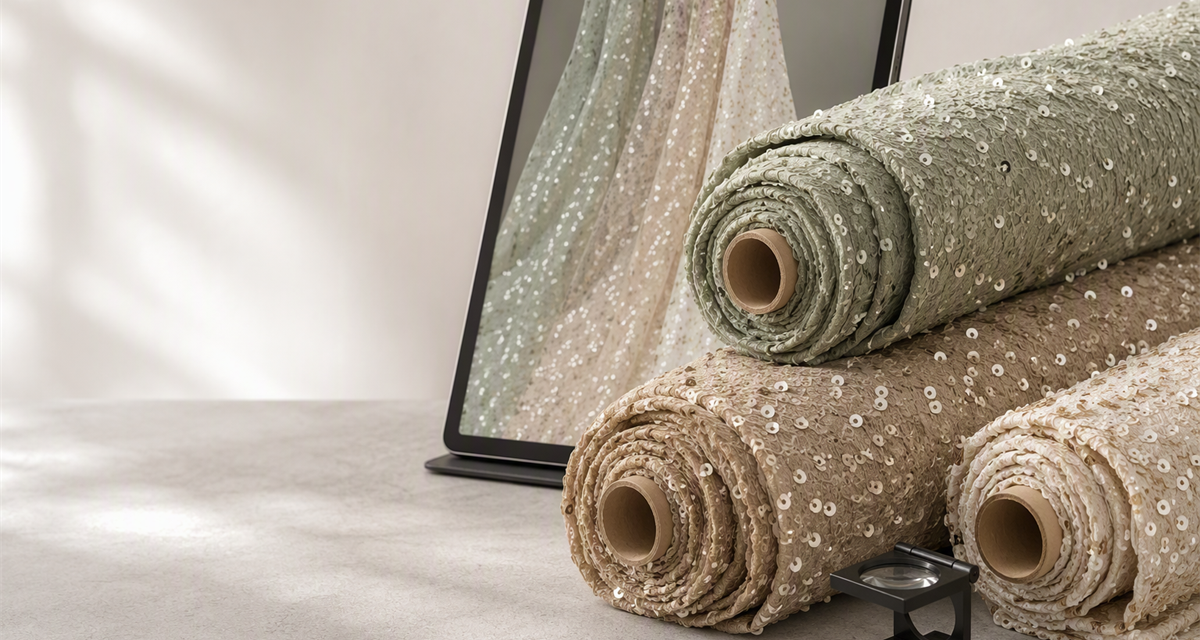
Colour that matches in the office can still fail in a shop or on a stage. Approve lab dips under at least two sources: a daylight-equivalent cabinet such as D65, and the lighting your end product will actually meet, whether that is warm retail lighting or cold stage LEDs. Then confirm metamerism by rotating the sample. Record the light source, the time of day, and the observer on the approval sheet, because a verbal approval is impossible to audit three months later.
How Lab Dip Approval Protects Your Bulk Budget
A rejected bulk dye lot is one of the most expensive failures in decorative textiles, because the mill has already consumed dye, water, energy, and machine time. Approving a lab dip costs a few days and protects the whole order. It also gives you a documented baseline, so if bulk fabric drifts you can prove the difference against an agreed reference instead of arguing over memory. Treat the approved dip as a contract, not a courtesy.
Building a Colour Library for Repeat Orders
Every approved lab dip should become a library record, not a loose sample in a drawer. Store the physical dip, the substrate, the light source used, the Delta E reading, and the approved date, then give the record a reference number you can quote on future purchase orders. Two years later, when a buyer asks for the same navy, the library turns a week of guessing into a single email. Suppliers also respond faster to a reference number than to a description.
Keep at least two copies of each approved dip, one in the office and one in a fire-safe location, because a colour library lost to a flood or an office move is effectively a decade of colour decisions erased. Digitise the metadata even if the physical dip stays on the shelf, so the record survives a change of staff.
Communicating Colour Decisions to Your Team
Colour approvals fail when the decision lives only in the buyer's head. Share the approved dip, the tolerance, and the lighting condition with merchandising, quality, and customer service at the same time, so nobody quotes a shade the factory was never asked to match. A short internal summary takes minutes and prevents the common failure where sales promises a colour that production has already rejected.
Finally, agree in writing what happens if a bulk lot falls outside tolerance. Deciding the remedy before it is needed keeps the relationship commercial rather than personal, and it gives the mill a clear incentive to control the dye bath rather than negotiate after the fact.
Frequently Asked Questions
How long does fabric lab dip approval take?
A typical round takes a few working days, and most programmes need two rounds. Booking dips early in development is far cheaper than compressing the schedule later.
How many lab dips should I request?
Three is the practical minimum: one at target, one lighter, one deeper. This lets the mill correct direction in a single round instead of three separate submissions.
Is a digital colour file enough for approval?
No. Screens, printers, and monitors shift colour. A digital file is useful for direction, but only a physical dip on the real substrate is an approvable standard.
What colour tolerance should I set?
Delta E 1.0 or tighter is normal for premium decorative fabric. Looser tolerances raise the risk of visible shading between rolls; discuss the trade-off with your supplier before ordering.
Does the dip cover transparency and coverage?
It should. Sheer bases can look darker or lighter depending on coverage, so review our notes on decorative fabric transparency alongside the colour check.
Approve the Dip, Protect the Order
Fabric lab dip approval is a small step with an outsized effect on your margin. Request options, measure instead of guessing, approve the whole build rather than colour alone, and archive the signed sample. Do that, and the bulk shipment will look like the swatch you fell in love with.
Request Sequin Fabric Samples with matched lab dips so your colour decision is verified on the real base fabric before bulk.
Source direct on Alibaba - request bulk pricing, specifications, and production details in one place.
View Yunfan Textile on AlibabaContact: Morris — morris@yunfantextile.com — WhatsApp: +86 156 3752 5803 / +86 175 1619 6727