Quick answer: Lab dip approval is the step where a buyer confirms a small dyed or coated sample before the factory commits to a bulk run. Approve it by judging the dip against your reference standard under fixed lighting, recording the decision on a signed sheet, and freezing that approved piece as the colour standard for the order. Never approve a lab dip from a photograph alone.
Key Takeaways
- Lab dip approval decides the colour of the whole order, so it deserves a written record and a physical standard.
- Judge every dip against the same reference under the same light, and note which light source you used.
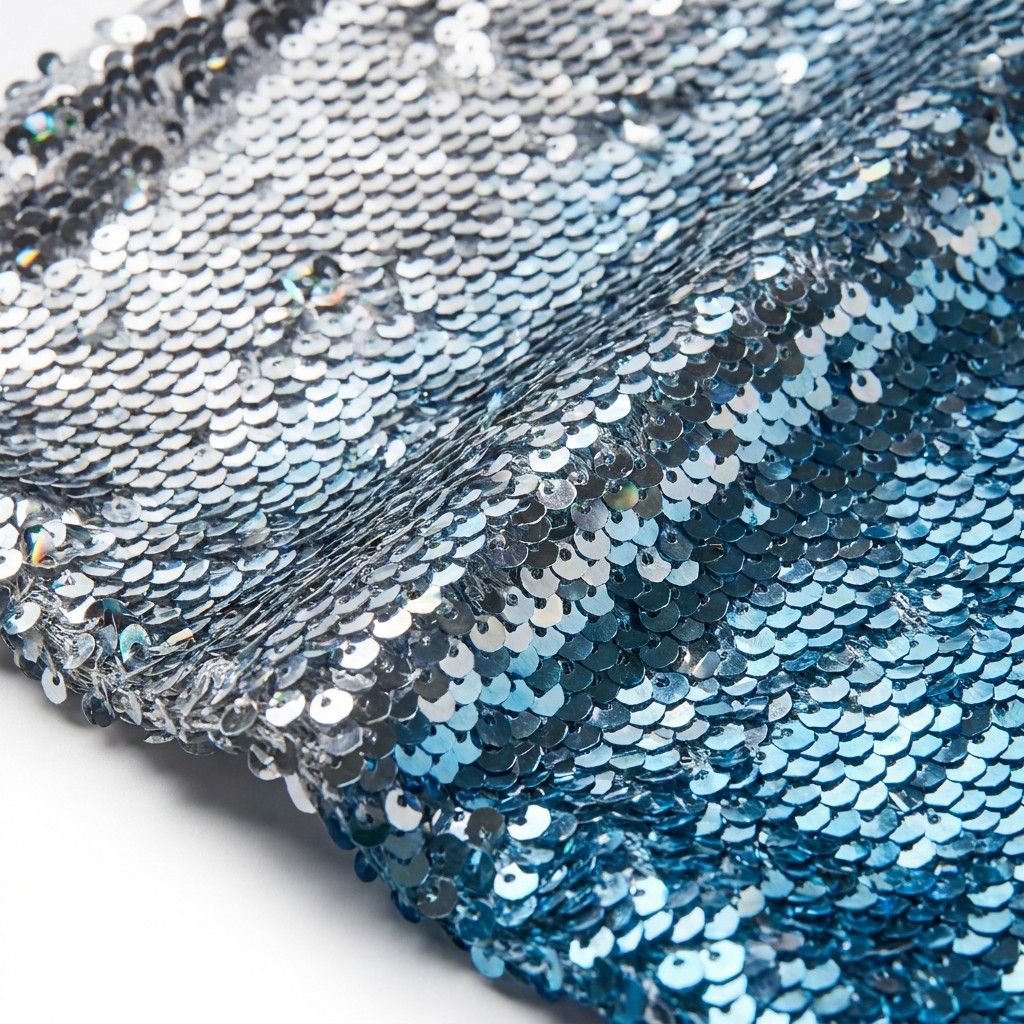
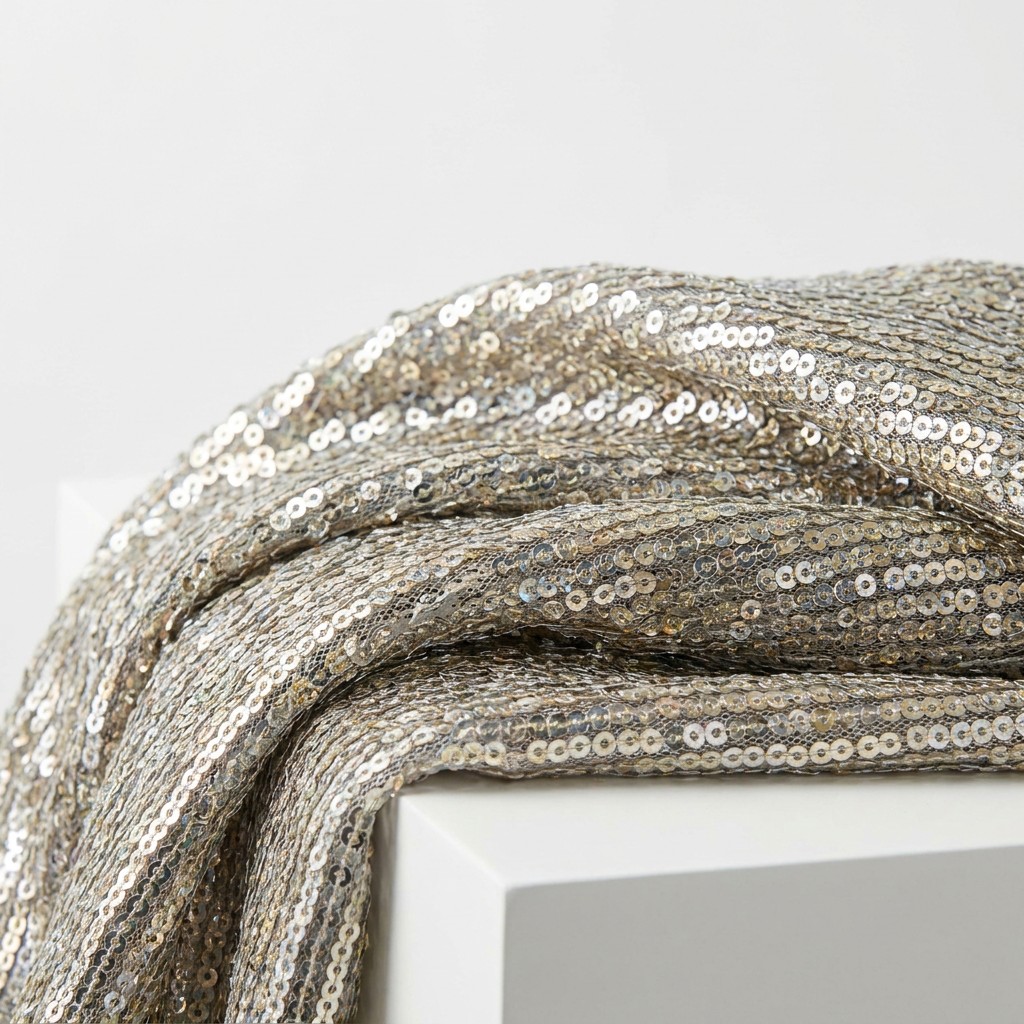
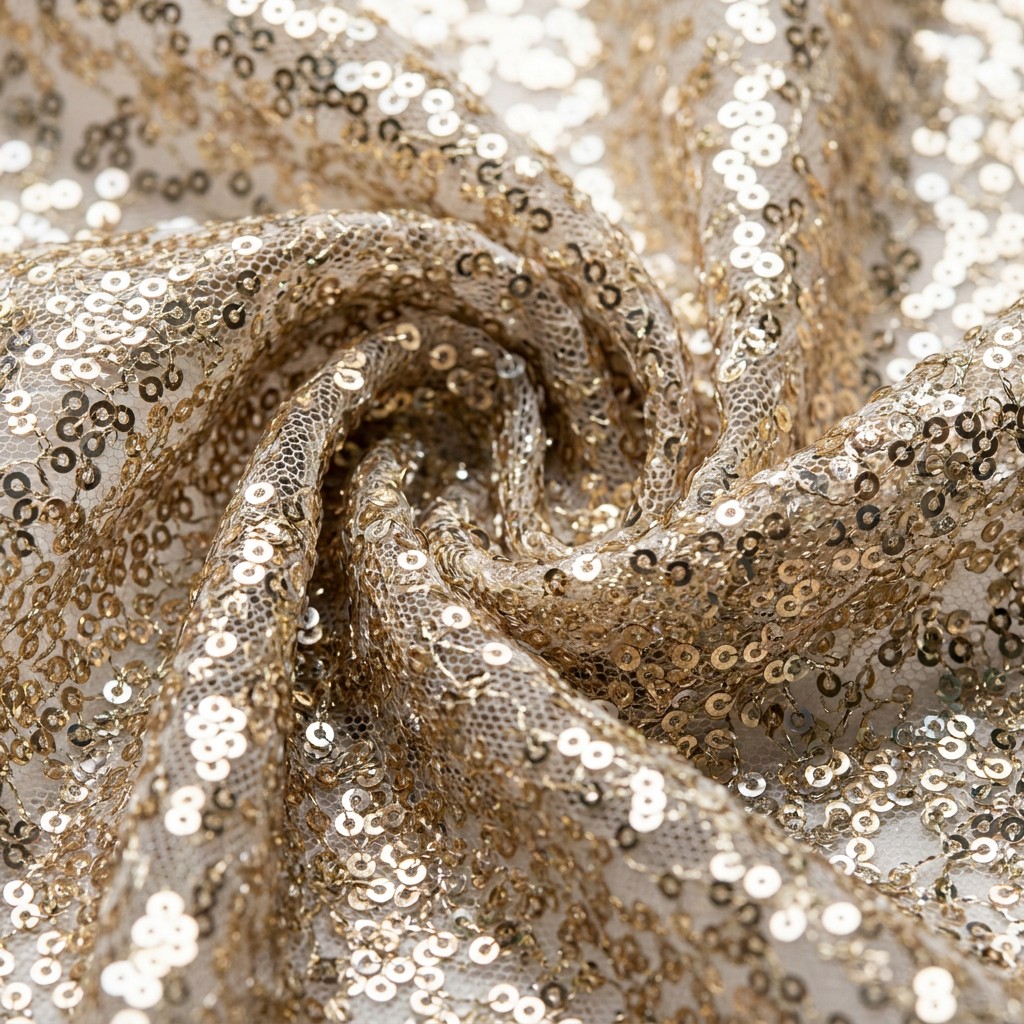
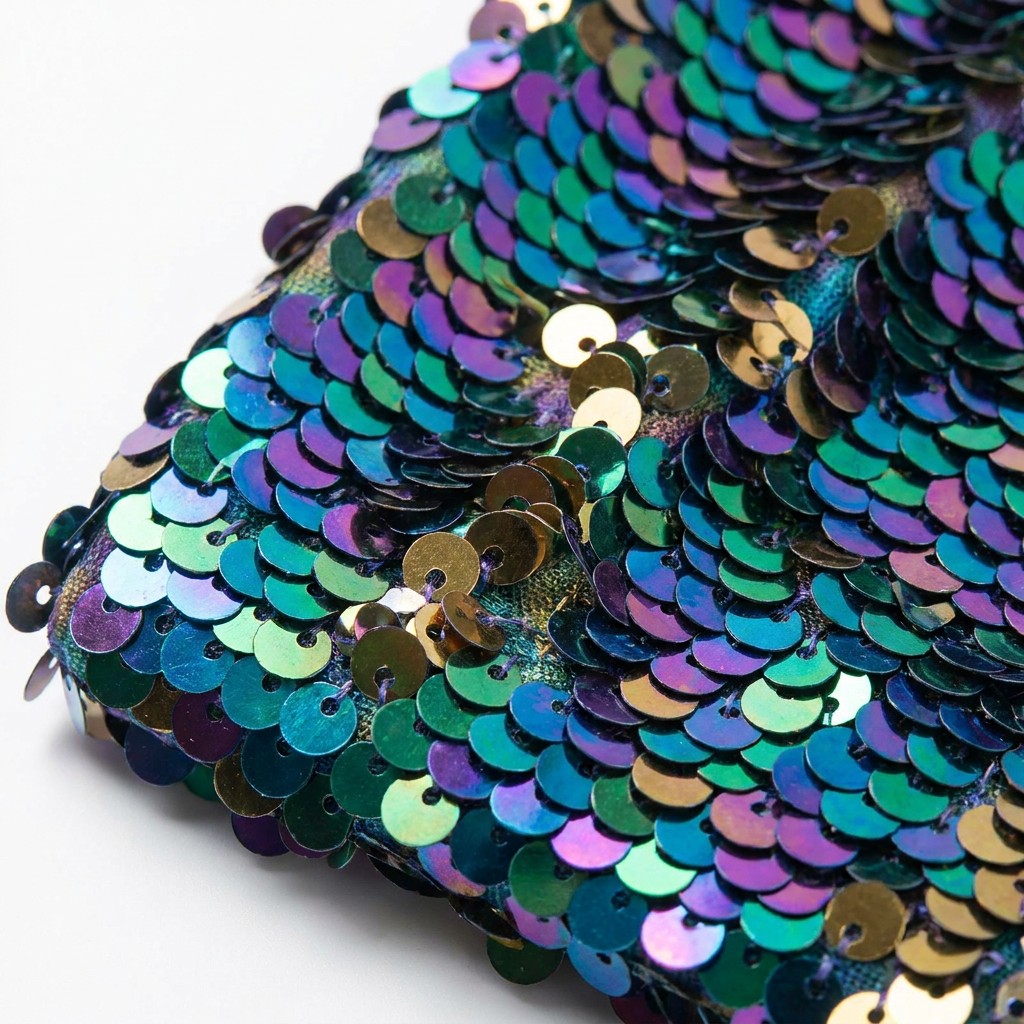
- Sequins behave differently from flat cloth. Compare the sequin surface and the base cloth separately if both are dyed.
- Keep the approved dip in a dark, dry place and label it with the order reference.
- Approve early. Colour approval is usually the last thing that can still stop a production slot.
What Lab Dip Approval Means
Lab dip approval is the formal acceptance of a small colour sample, usually a dyed piece of the base cloth or a coated sequin swatch, before bulk dyeing or production begins. The approved dip becomes the colour standard that every later lot is measured against.
The purpose is simple. Colour shifts by small amounts between dye lots, between machines and between shifts. Approval catches those shifts while a correction is still cheap, rather than after thousands of yards have been processed.
For sequin fabric the process has an extra dimension. The base cloth and the sequin surface may be coloured by different methods, so a single dip cannot always represent both. Buyers should ask which surfaces the dip covers and check the others separately.
How Lab Dip Approval Works
- Send a reference standard. Provide a physical swatch, not a screen image, and state which light you will use to judge the result.
- Receive the dip. Ask for a dip on the exact base cloth and, where relevant, on the sequin surface.
- Prepare the viewing area. Use a neutral grey surround and a fixed light source. Daylight from a window changes through the day.
- Compare against the standard. Place the dip and the standard side by side, then check them with one edge touching so the eye can read a continuous field of colour.
- Record the decision. Mark the dip approved, approved with comment, or rejected, and note what has to change.
- Freeze the standard. Sign and date the approved dip, attach it to the order file, and send a copy of the record to the factory.
Two reviewers following those steps will usually reach the same verdict, which is what turns a subjective judgement into a controlled process.
Lab Dip Approval Record
| Field | What to enter | Why it matters |
|---|---|---|
| Order reference | Style code and buyer reference | Links the dip to the correct production run |
| Base cloth | Construction and weight | Colour reads differently on different surfaces |
| Surface covered | Base cloth, sequin, or both | Prevents a gap in what was actually approved |
| Light source | The lamp used for judging | Two lamps can produce two different verdicts |
| Decision | Approved, approved with comment, rejected | Gives the factory a clear instruction |
| Signature and date | Named approver | Establishes who accepted the standard |
Keep one copy with the physical dip and one copy in the order file. When a repeat order is placed, the file answers the question before it is asked.
Where Shade Differences Come From
Dye lot and process variation
Two batches of the same recipe can still depart slightly from one another. The dip is the control point that catches the departure while the correction is still inexpensive.
Base cloth surface
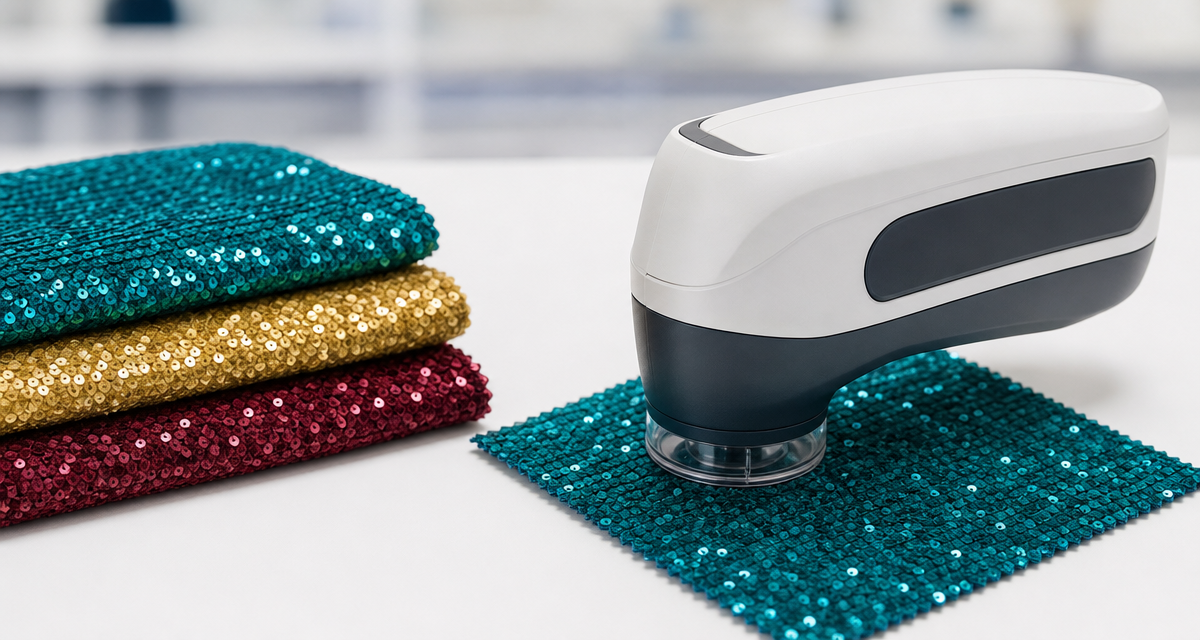
The same dye on a tight knit and on an open mesh produces two different readings, because the light reflects from the yarn and from the gaps behind it. Always dip the construction you intend to buy.
Sequin coating and finish
Sequins are coloured by coating or film rather than by dye in most constructions. Coating thickness and finish change how the shade reads, so a sequin approved on one finish may look different on another.
Lighting conditions
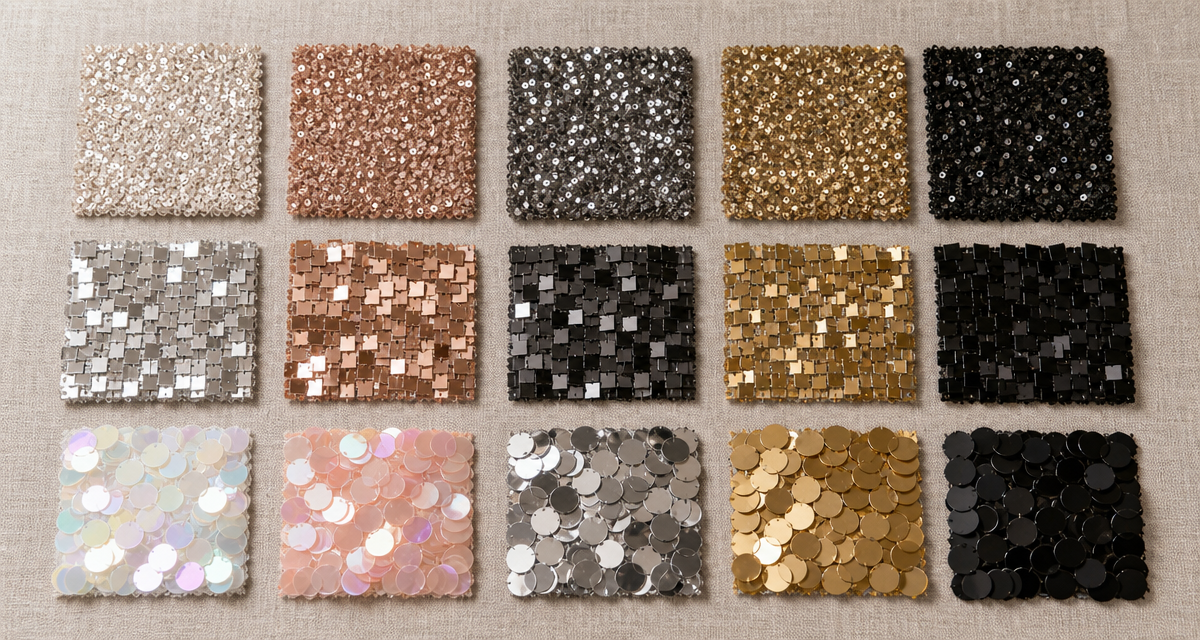
Warm indoor light, cool office light and direct daylight each reveal a different shade. Fix one light for approval, then check the approved dip under the other lights your customer will meet, so there are no surprises at retail. Our article on matching sequin fabric colour under different lighting explains how to run that check.
Checklist: Judging a Lab Dip
- Physical reference standard present and identified.
- Dip cut from the correct base cloth construction.
- Neutral grey background behind both pieces.
- One fixed light source, noted on the record.
- Dip and standard placed edge to edge, not separated.
- Both pieces viewed together, then separately, then at a distance of about one metre.
- Sequin surface checked separately from the base cloth.
- Verdict written on the record, signed and dated.
This checklist also fits inside a wider approval file. The fields in our fabric sample review sheet for B2B approvals can be used alongside it, and the wider sequence is described in our guide to approving a sequin fabric sample before bulk production.
Repeat Orders and Colour Continuity
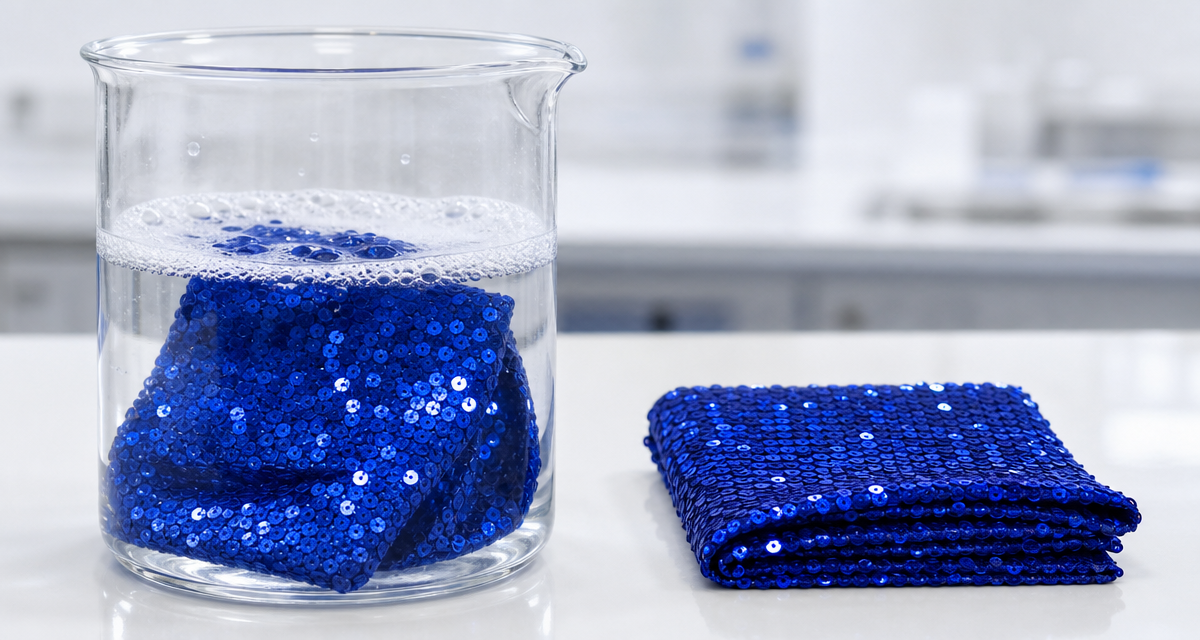
The real value of a lab dip appears on the second order. Keep the approved dip sealed, labelled and away from light, and issue a copy to the factory for each repeat. When the new lot arrives, compare it against the original dip rather than against the previous shipment, because small drift can accumulate unnoticed across several deliveries. Buyers who manage colour this way also tend to manage quotes better, since colour corrections are one of the hidden costs in a wholesale colour matching process.
Approve sequin fabric colour with a real sample
Ask for lab dips on the exact base cloth and sequin finish you plan to buy, then judge them in your own lighting.
Frequently Asked Questions
How long does lab dip approval take?
The turnaround depends on the base cloth and the colour, and it is best confirmed with your supplier against a specific enquiry. The part you control is your own review time, so agree internally who will judge the dip before it arrives.
Can I approve a lab dip from a photograph?
No. Cameras, screens and lighting all shift colour. A photograph is useful as supporting evidence, but the approval decision should rest on a physical dip compared with a physical standard.
What if I approve a dip and the bulk still differs?
Compare the bulk against the approved dip, not against your memory of it. If the two differ under the agreed light, the dip record gives you the evidence you need to raise the issue quickly.
Should the sequin and the base cloth be approved separately?
In most cases yes. They are often coloured by different processes, so one dip rarely covers both. Ask your supplier to state clearly which surfaces a dip represents.
How many lab dips should I expect?
It varies with the colour and the base cloth, and a supplier may submit more than one option in the first round. Review each one against the same standard and record a verdict for all of them.
Request Sequin Fabric Samples
Request Sequin Fabric Samples together with lab dips on your chosen base cloth. Orders start from 200 yards, and sample sets can include several colour options so your team can compare them side by side.
Send your colour reference, base cloth and target light condition to Morris at morris@yunfantextile.com. For a fast reply, message us on WhatsApp: +86 156 3752 5803 or +86 175 1619 6727. Share the surface you need to match, and we will prepare dips that cover it.
Conclusion
Lab dip approval protects an order from the one variable that is hardest to fix later. Fix the light, judge a physical dip against a physical standard, record the verdict and freeze the approved piece. That single page of documentation keeps the colour of your first delivery and your fifth delivery in the same place.