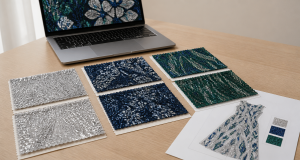
Why Colour Matching Needs Physical Samples
Colour matching cannot rely only on a screen image or a single colour card. For decorated textiles, the final shade depends on the physical goods: the base fabric, the sequin or embroidery surface, the colour code or shade card reference, the production batch, the finishing applied and the bulk-order standard agreed with the supplier. Wholesale buyers should therefore compare real samples under an agreed light source and confirm each of these points before production starts, because a colour that looks right on a monitor may not match the goods that arrive in a container.
Where Colour Differences Appear on Different Constructions
Every construction type changes how colour is seen, so the confirmation method must change with it. Here is what to check for each common category.
Plain base fabrics
Woven, knit, tulle, mesh and organza bases take dye differently because of their fibre content and construction. The same colour reference can look deeper on one base and brighter on another, and rolls inside one batch can vary. Ask your supplier to confirm the fibre composition, the construction and the colour code of the base, and keep a physical reference for each base fabric you order.
Sequin fabrics
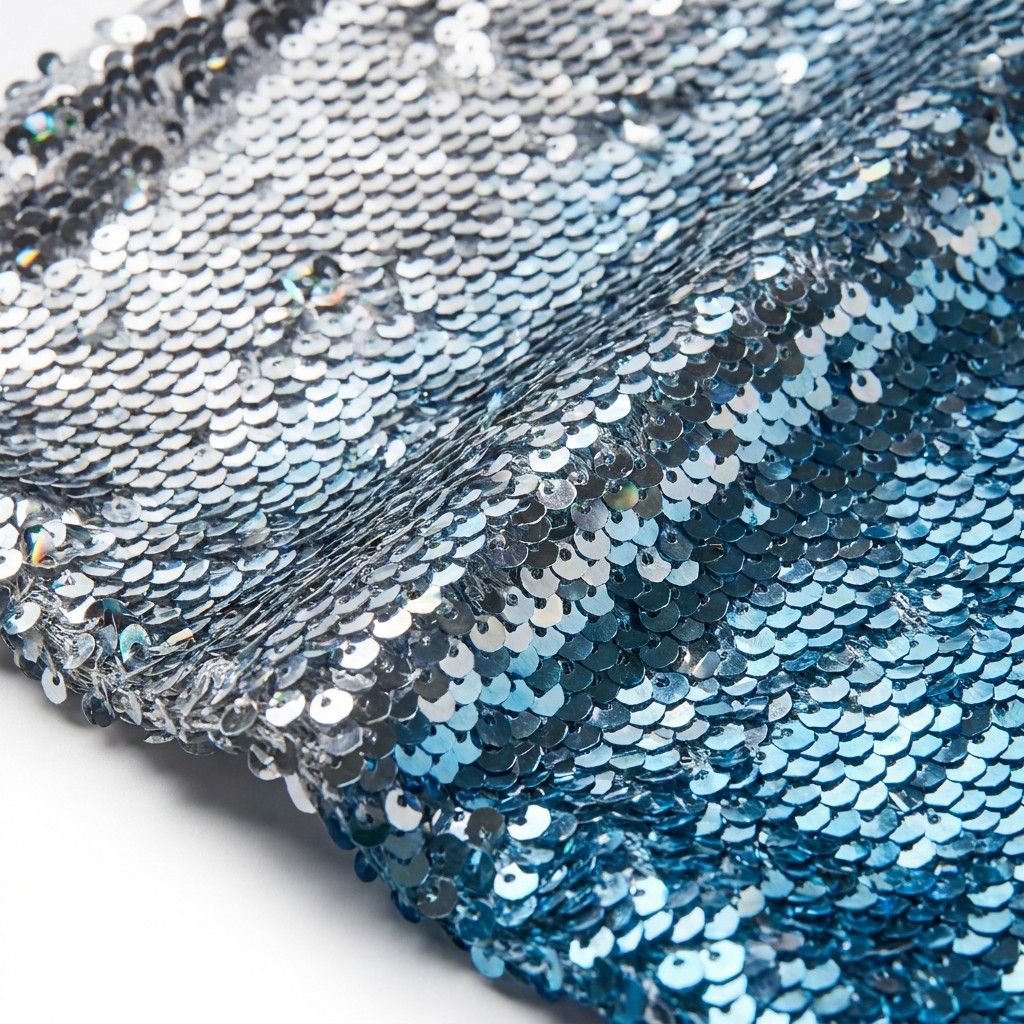
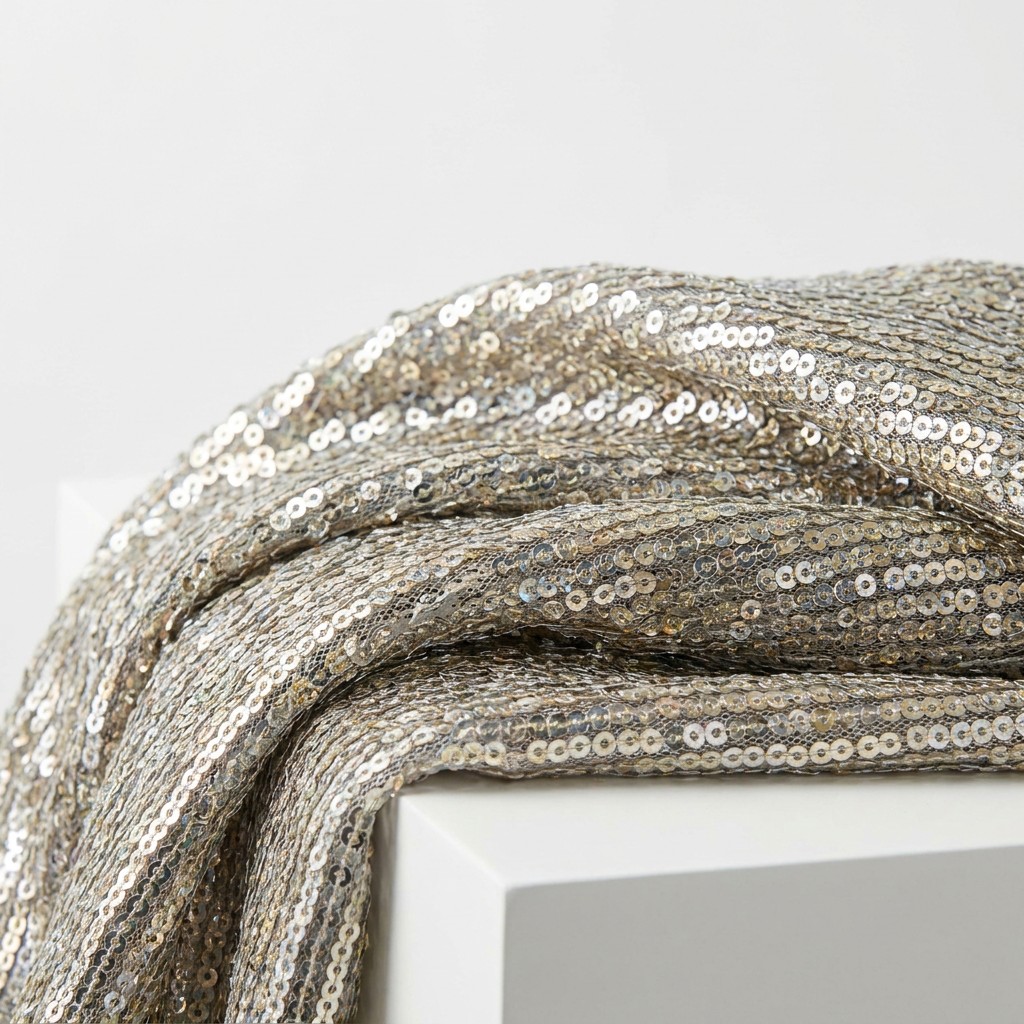
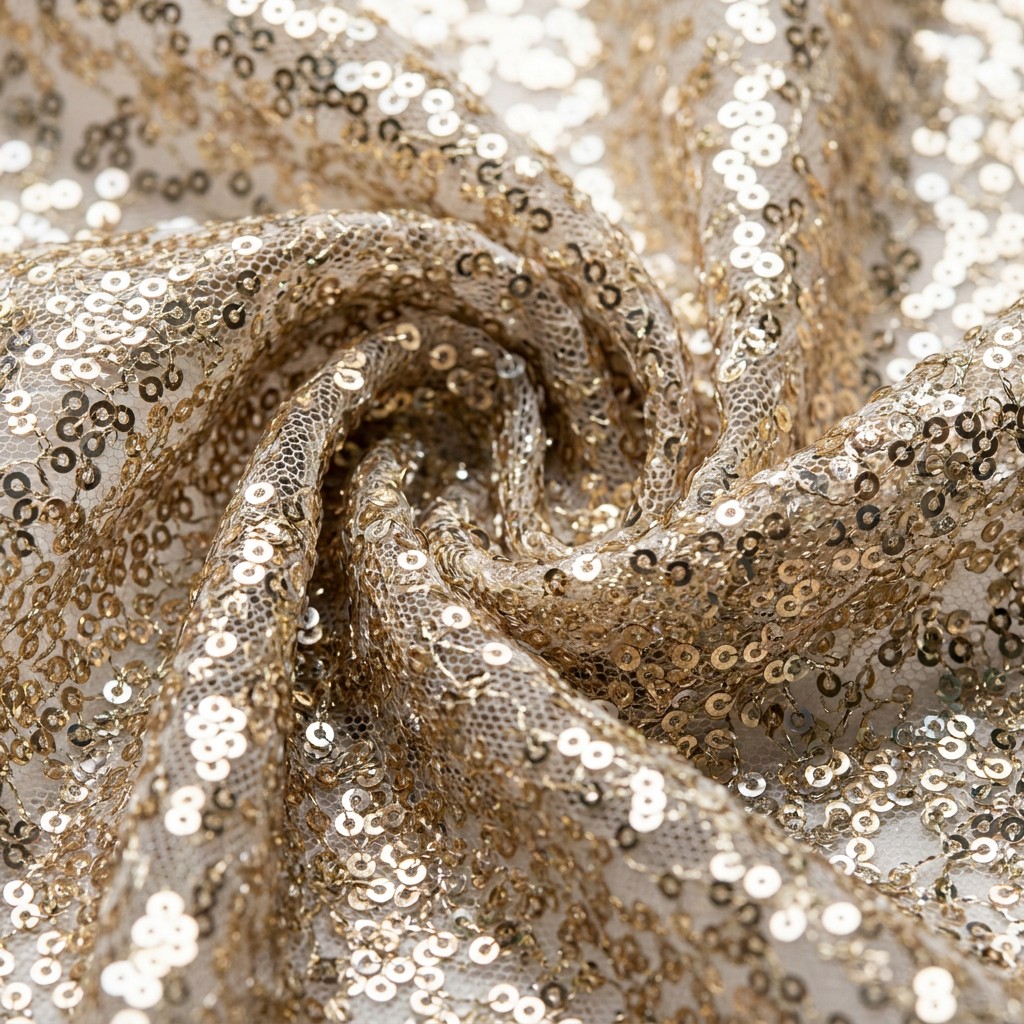
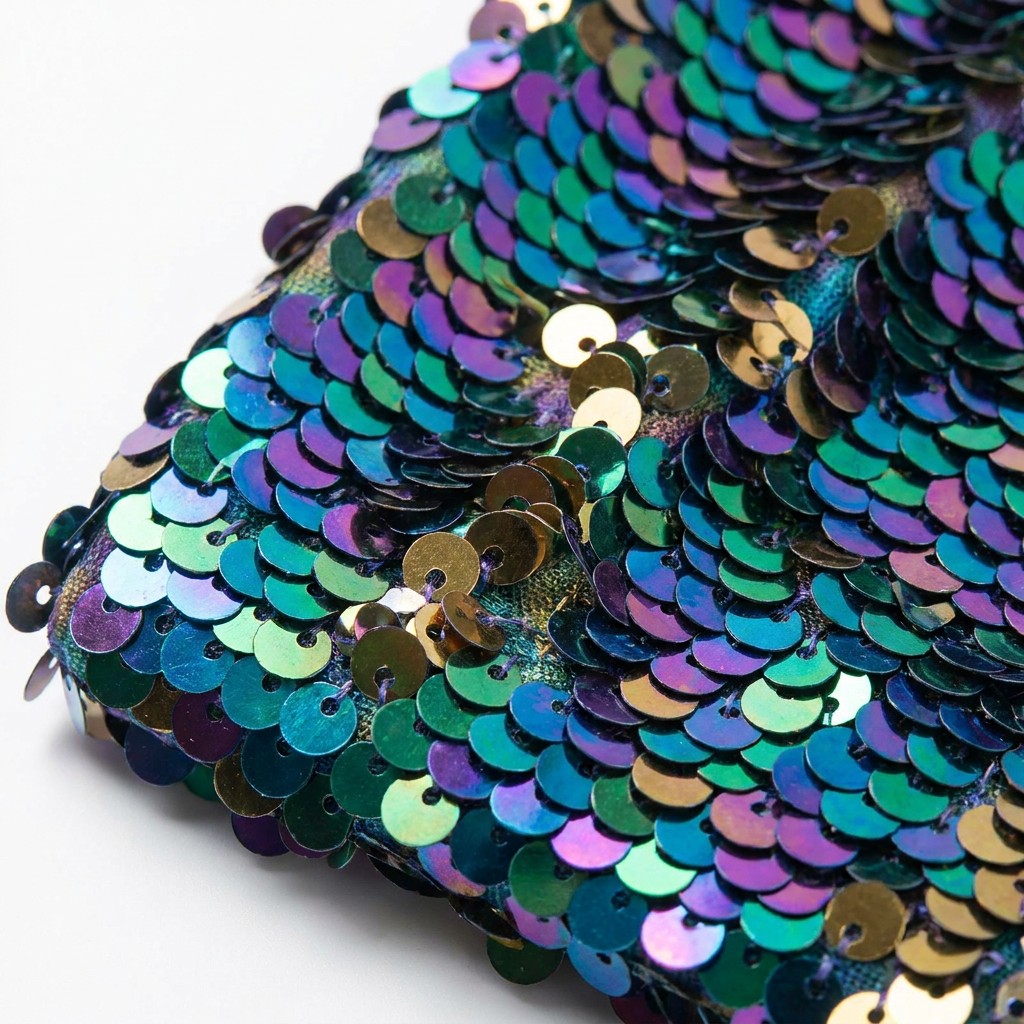
Sequins add a reflective layer, so the perceived colour changes with the coating on each disc, the backing colour, the spacing and the direction of the sequins. A sequin surface can look lighter from one angle and deeper from another. Sequin diameter and layout also control how much base shows between the discs, which changes the overall colour. If you are still choosing size and arrangement, review our guide to 3mm vs 5mm vs 18mm sequin fabric before you compare shades.
Embroidery
Embroidered colour sits on the surface as thread while the base remains visible between stitches. Stitch density, underlay and motif coverage decide how much ground shows through and how the final colour reads. Suppliers work with numbered thread colour ranges, so ask for the exact thread colour code and check an embroidered sample on the actual base instead of a thread card alone.
Bead embroidery
Beads add transparency, coatings and highlights that a flat colour card cannot show. Glass and plastic beads can differ between batches, and the bead, the embroidery thread and the base combine into one perceived colour. Request a sample with the exact beads, thread and base you plan to order, and confirm the supplier bead and thread references.
Printed and mesh fabrics
Printing sits on the surface while mesh stays open and translucent. Ink coverage and mesh openness decide how much background shows through, and a printed mesh can look different over a light lining, a dark lining or bare skin. Confirm colour on a printed sample of the actual mesh and state the lining or underlayer you will use.
What Changes How a Colour Looks After Production
Even after a shade is fixed, physical factors can make the same colour look different:
- Light source. Daylight, shop lighting and warm indoor light all change perceived colour. Supplier and buyer should agree on one light source for sample review and record it.
- Viewing angle. Reflective sequin and embroidery surfaces change colour as the angle changes. Look at samples straight on and from the side, and rotate the fabric instead of judging it in one fixed position.
- Transparency and layering. Translucent and open-mesh fabrics are seen through and over other materials, so the colour shifts with whatever is underneath.
- Base fabric and surface texture. Dye uptake, yarn structure and surface finish all influence the final shade, and finishing can deepen or dull a colour after the first sample is made.
The Colour Confirmation Process Before Bulk Production
If you are still collecting your requirements, see how to prepare an RFQ for custom sequin fabric first, then walk through the steps below with your supplier.
- Start from a shade reference. Provide a physical colour card or the supplier colour code and record which reference the bulk order will follow.
- Order lab dips or development samples made on the real base fabric with the real sequins, thread or beads.
- Compare under the agreed light source. Review the samples against your reference, note the differences and let the supplier adjust before bulk preparation.
- Approve a pre-production sample in writing. This sample fixes colour, surface and finishing together and becomes the bulk standard.
- State the standard on the order. Write that bulk production follows the approved pre-production sample, and keep the sample as the physical record.
- Spot-check batches and keep records. Check goods from each batch or roll group against the approved sample, and record batch numbers and finishing details. Our quality checklist for sequin fabric before bulk ordering explains what to inspect.
Comparison Table: Colour Considerations by Fabric Type
| Fabric type | Where colour differences usually appear | What to confirm with the supplier |
|---|---|---|
| Plain woven or knit base | Dye lot variation between rolls and batches | Fibre content, construction, colour code, batch number, finishing |
| Sequin fabric | Sequin coating, backing colour, spacing and direction | Physical sequin sample, sequin type and size, attachment method |
| Embroidery | Thread colour, stitch density and base show-through | Thread colour code, coverage, sample on the actual base |
| Bead embroidery | Bead transparency, coating and batch differences | Bead and thread references, combined sample with the exact beads |
| Printed or mesh fabric | Print opacity, mesh openness, background show-through | Printed sample on the actual mesh, intended lining or underlayer |
Procurement Checklist for Colour Approval
- Confirm the base fabric: fibre content, construction and finishing.
- Confirm the decoration: sequin type and size, thread and bead references.
- Record the colour code or shade card used for approval.
- Request lab dips on the real base with the real decoration.
- Inspect samples under the agreed light source and from several angles.
- Approve the pre-production sample in writing.
- State on the order that bulk goods follow the approved sample.
- Spot-check batches against the sample and keep records for repeat orders.
Frequently Asked Questions
Can I approve fabric colour from a photo or a screen? No. Screens and photos change colour with calibration, compression and lighting, and decorated surfaces reflect light in ways a photo cannot capture. Approve colour on physical samples under an agreed light source.
Why does the same colour code look different on different base fabrics? Fibre content, yarn structure and surface texture affect how dye is absorbed and how light is reflected. That is why colour must be confirmed on the actual base fabric rather than on a card.
What is a lab dip or colour development sample? It is a small sample dyed to match your colour reference on the real base fabric. Lab dips let buyer and supplier agree on the achievable shade before production, while adjustments are still quick.
Why is sequin fabric harder to colour-match than plain fabric? Each sequin reflects light like a small mirror, and the coating, backing, spacing and direction all change the perceived colour. The same sequin can look different from different angles, so a flat photo is never enough.
What is a pre-production or sealed approval sample? It is the sample both parties approve in writing as the standard for bulk production. Colour, surface and finishing are fixed on it, and bulk goods are expected to follow it.
Can later batches differ from the approved sample? Yes, some variation between batches is normal in textile production. Agree with the supplier on how batches are spot-checked against the sealed sample, and keep physical and written records so repeat orders start from the same reference.
Should I check colour on every roll? Full inspection of every roll is not always practical. Many buyers agree a sampling plan with the supplier, checking representative rolls from each batch or roll group against the sealed sample and recording the results.
Source Sequin Fabrics Directly for B2B Collections
Explore factory-direct sequin, embroidered and decorative textile options for fashion, event and custom collections.
Request Sequin Fabric Samples
To start a colour confirmation, submit your application, base fabric, colour reference, estimated quantity, finishing and testing requirements through the official consultation page, and our team will advise on samples and lab dips.
Request Sequin Fabric Samples on the Official Website
Yunfan Textile B2B Contact
Website: https://www.yunfantextile.com/
B2B Contact: Wendy Jessie
WhatsApp/WeChat: +86 156 3752 5803
WhatsApp/WeChat: +86 175 1619 6727
Email: morris@yunfantextile.com
Email: morris@yunfantextile.com
Summary
Colour matching for wholesale textile orders is a physical process, not a digital one. Compare real samples under an agreed light source, confirm the base fabric, the sequin, embroidery or bead surface, the colour code, the batch and the finishing, and fix the bulk standard with a pre-production approval sample. Buyers who build these steps into sourcing reduce the risk of shade disputes at the final stage.
SEO keywords: fabric colour matching, sequin fabric colour matching, lab dip colour samples, pre-production colour approval sample, colour confirmation for wholesale fabric orders.