Sequin fabric color matching is the process of confirming that a base cloth, a sequin film and a finished sewn panel all read as the same approved color, and no single photo or single light source can prove it. In practice, matching sequin fabric color under different lighting means comparing one swatch under daylight, showroom light, stage light and a phone camera, then writing down which of those conditions you will treat as the approval standard. This guide explains what changes between those conditions, why base cloth and sequin reflection matter more than a hex code, and how to run a lab dip and sample approval chain that keeps a decorative fabric order predictable.
Why Sequin Fabric Color Matching Is Harder Than Flat Fabric
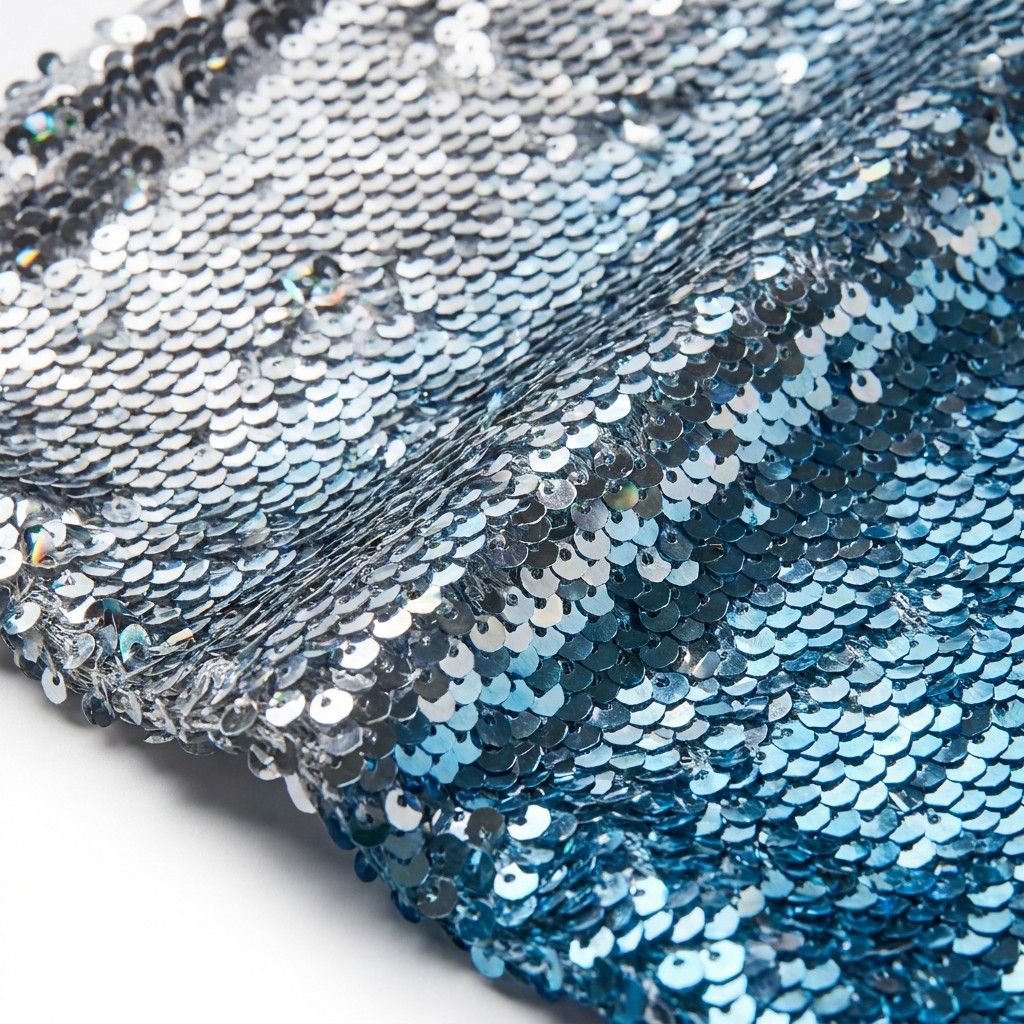
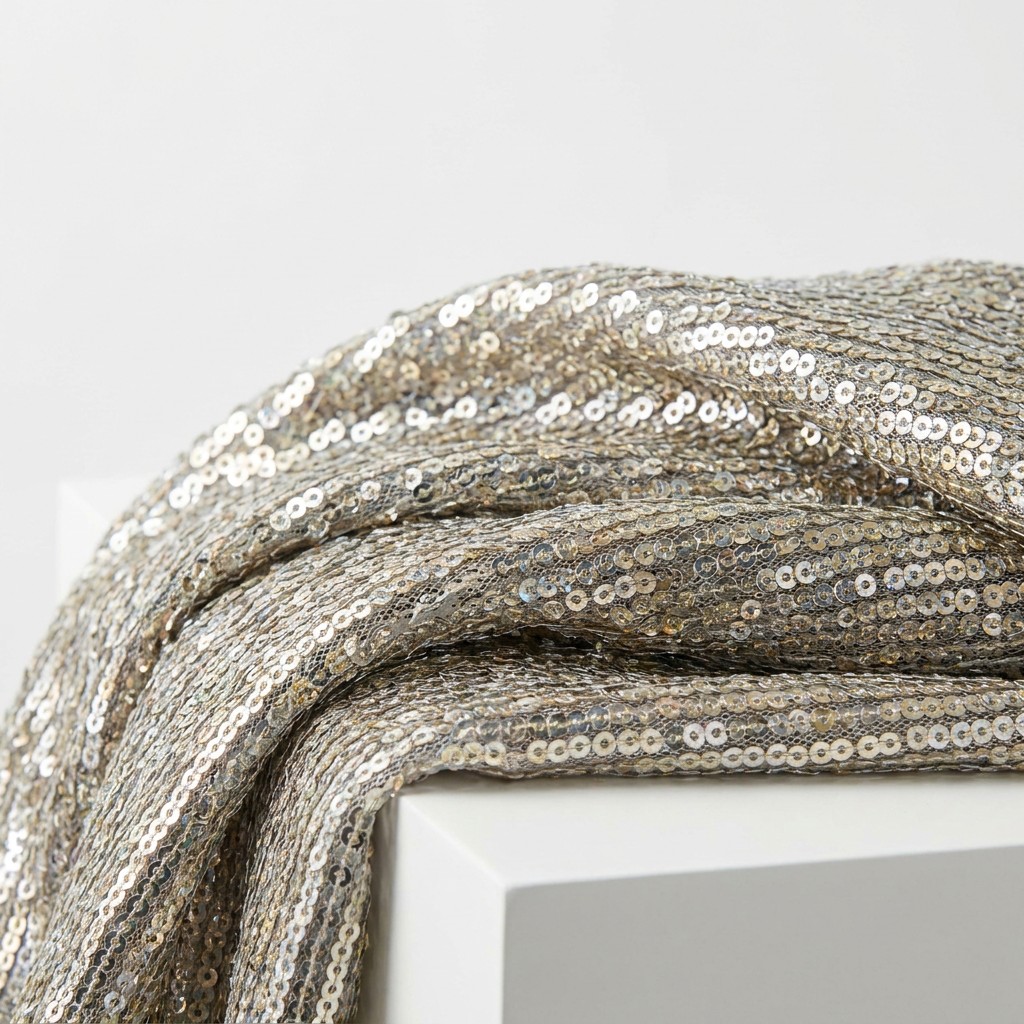
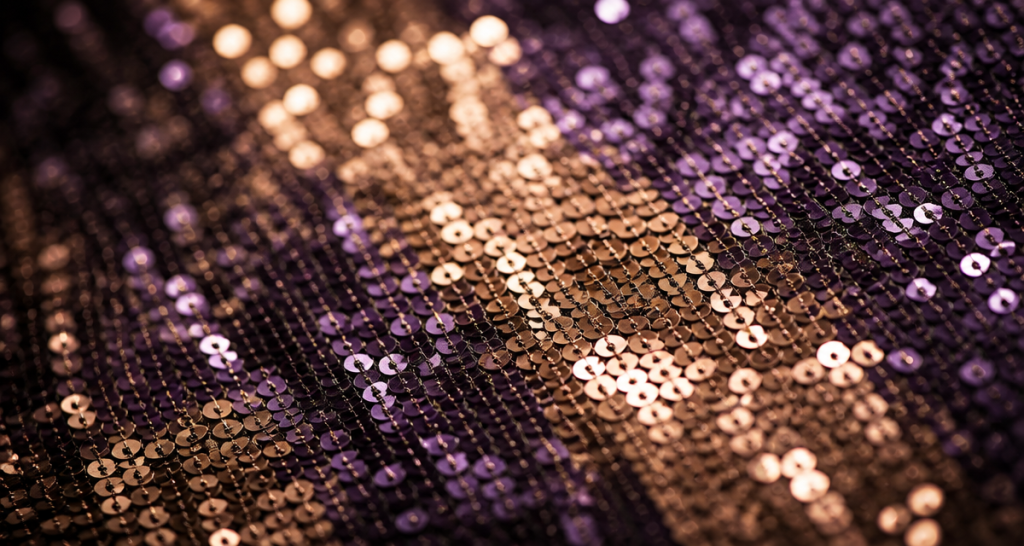
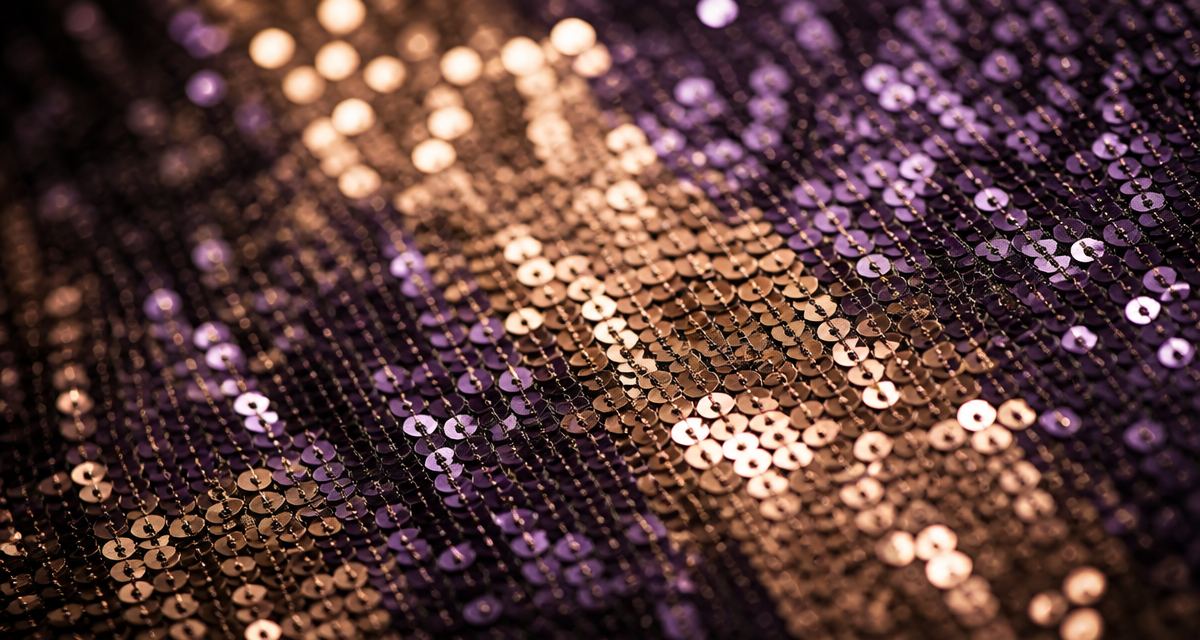
A flat woven fabric mostly shows you one surface. A sequin fabric shows you many. Each sequin is a small mirror with a slight tilt, so the panel sends light back at different angles depending on where the viewer stands. Change the light source and the panel does not simply get brighter or darker; it changes character.
Three things drive that behavior:
- Base cloth tone — the mesh, chiffon, crepe or satin underneath sets the background the sequins sit on.
- Sequin film and finish — matte, satin, mirror and iridescent films bend light differently.
- Viewing angle and distance — a swatch held in the hand and a panel seen from three meters do not match.
Because of this, color matching for sequin fabric is a comparison exercise, not a measurement exercise. You are matching what the eye sees in the conditions the garment or backdrop will actually live in.
How Sequin Fabric Color Matching Changes Under Different Light Sources
Most approval disagreements come from two people judging the same swatch in two different rooms. Understand each condition before you agree on a standard.
Daylight and D65 Reference Light
Even daylight is the traditional reference for textile color work, and D65 describes an average daylight that removes most of the warm or cool tint of a room. Under daylight, blue and green sequins usually look truest, because the light is relatively even across the spectrum. Daylight is a good neutral starting point, but it is not stable: the same window at 9 a.m. and at 4 p.m. is not the same lighting, and a cloudy day is not the same as a clear one.
Showroom and Office Lighting
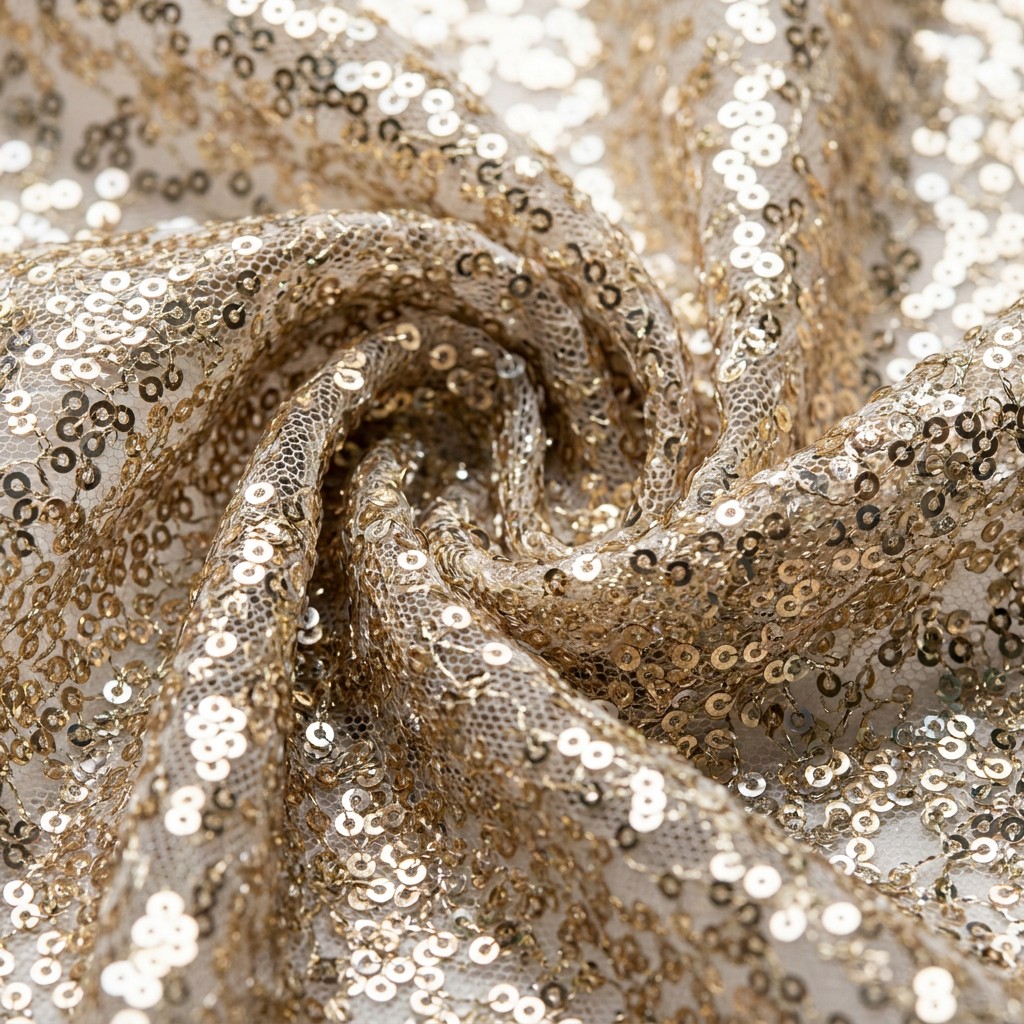
Showrooms usually run warm, slightly yellow light. Warm light tends to flatter champagne, gold and rose tones and to flatten cool tones. Two buyers standing in the same showroom can still see different colors if one is near a window and the other is under a spotlight. When you approve a color in a showroom, write down where in the room the swatch was viewed.
Stage, Event and Club Lighting
Colored LEDs and moving heads change sequin fabric dramatically, because a tinted light source multiplies with a tinted film. A silver sequin can read blue under a blue wash and warm amber under a tungsten wash. If the end use is stagewear, costume or an event backdrop, the honest standard is the lighting the product will actually appear in, not a neutral booth. Ask the buyer to send venue reference photos if they have them.
Phone Cameras and Screens
A phone camera adds two more variables: automatic white balance and the screen the photo is viewed on. The same sequin photographed on two phones, then viewed on two monitors, can produce four noticeably different colors. Send physical samples whenever a decision depends on color. Treat phone images as context, not as the approval standard.
Light Source Comparison: What Each Condition Tells You
| Viewing condition | How sequin color usually reads | Best used for |
|---|---|---|
| Daylight / D65 | Even and neutral; cool tones look truest | Setting a neutral baseline for lab dip comparison |
| Showroom or office warm light | Warmer; gold and champagne are flattered, cool tones flatten | Matching the retail and buying experience |
| Stage and colored LED | Shifts strongly with the light tint; highlights scatter | Stagewear, costume and event backdrop decisions |
| Phone camera and screen | Unpredictable white balance and screen color | Sharing context and progress, never final approval |
How Base Cloth and Sequin Reflection Interact
The base cloth sets the background
The base cloth is the color a viewer sees in the gaps between sequins, and it also tints the light that passes through a semi-sheer sequin. A champagne sequin on ivory mesh and the same champagne sequin on black mesh are not the same fabric to the eye. When you order a lab dip, specify the base cloth, not only the sequin color.
Reflection changes with angle
Because each sequin tilts slightly, the panel's brightest point moves as the viewer moves. Walk around a hanging sample and note whether the color holds or breaks into a different tone at an angle. If a buyer approves from one fixed angle only, disagreements at fitting are almost guaranteed.
Match Sequin Film Finish to the Lighting You Will Use
Finish changes how a color behaves more than most buyers expect, so it is worth confirming finish and color at the same time.
Matte and satin film
Matte and satin films scatter light rather than reflecting it directly. They hold a color more consistently across angles, which makes them easier to approve and a safe choice for fitted garments seen up close.
Mirror and metallic film
Mirror film returns a sharp highlight, so it reads brighter than the underlying color and shifts sharply with the light. It is dramatic under stage light and harder to judge in a flat photo.
Iridescent and dual-tone film
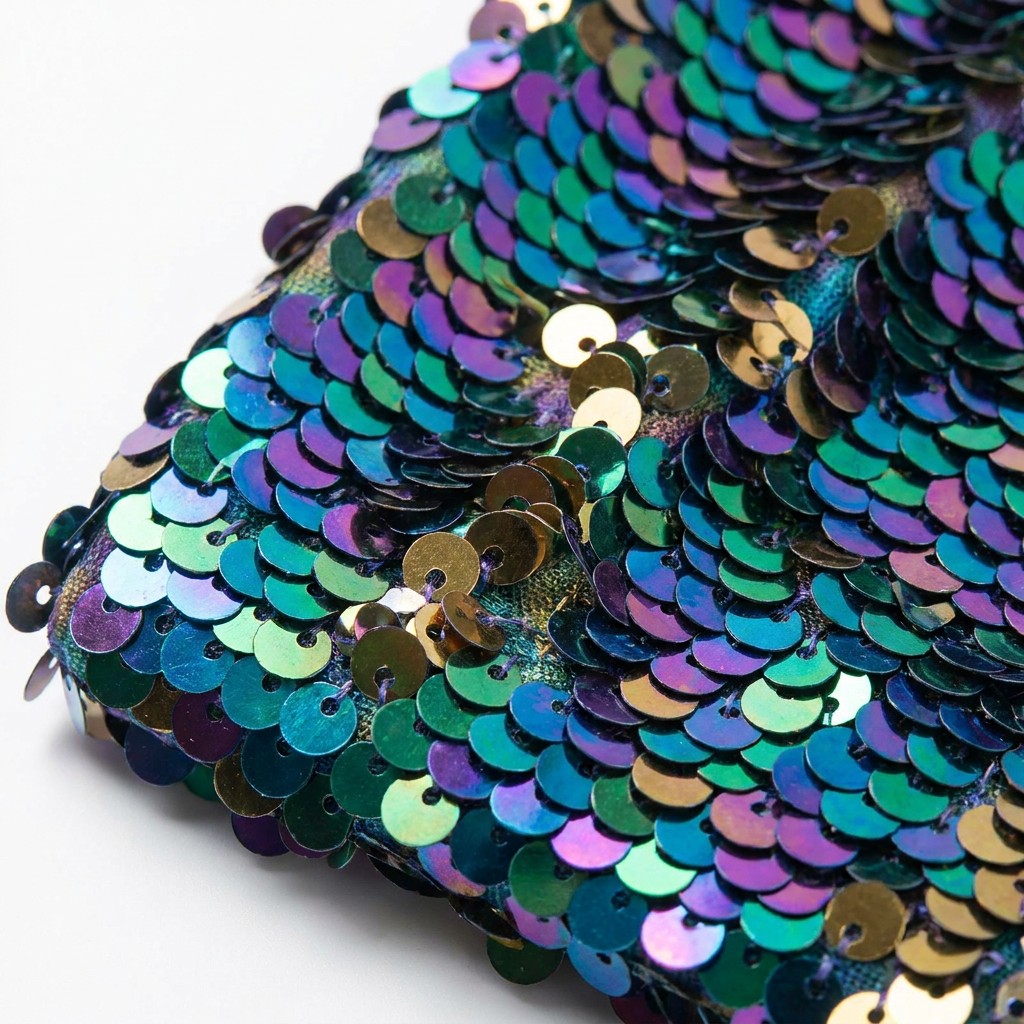
Iridescent film shows two colors at once, depending on the angle. Decide which of the two is the primary reference before you approve, and record it.
The Approval Chain: From Lab Dip to Approved Sample
Color approval for decorative fabric works best as a sequence of gates, with a written record at each one.
- Color card or reference — the buyer's starting target, ideally a physical reference or a clearly named standard.
- Lab dip — a small base-cloth dyeing that tests whether the target is achievable before sequin work begins.
- First sample — the sequin film applied to the approved base, so base tone and sequin tone can be read together.
- Processing or trial sample — a sample made on production equipment, so the color can be judged as it will actually be sewn.
- Approved sample — the signed reference kept by both sides, and the only sample that bulk is compared against.
Each gate should record the light source used, the viewing angle and the person who approved. Our guide to approving a sequin fabric sample before bulk production walks through the same sequence in more detail.
Recording Observations: Angle, Batch and Return Samples
- Note the angle. Record whether the swatch was flat, draped or hanging, and where the light was.
- Note the batch. Keep the dye lot or batch reference with every sample so a later roll can be traced to the sample it follows.
- Keep a return sample. Ask the supplier to return the approved sample or a cut of it, so both sides hold the same reference.
- Photograph in a fixed setup. If photos are needed, use one camera, one light and one background every time. Consistency matters more than perfect color in the file.
If color is approved but the fabric still fails at inspection, the issue is often a different variable. Our notes on inspection points for bridal and stagewear orders cover what else to check.
Confirm the Standard Before Bulk
Before releasing bulk, confirm three things in writing: which sample is the approved standard, which lighting condition it was approved under, and who signed it. Then compare the first bulk roll against that standard in the same conditions. Doing this once, properly, prevents the most common cause of a rejected decorative fabric shipment, which is a color that was never wrong, only viewed in a different room.
Colour is only one variable in a production run. If you are also planning quantities, see how to check fabric width and usable yield for sequin collections, and for scheduling, how to plan sequin fabric lead time for a fashion or event collection.
Frequently Asked Questions
What light source should I use to approve sequin fabric color?
Start with even daylight or a D65 reference to set a neutral baseline, then re-check the swatch under the lighting the final product will appear in. For stagewear and event decor, the venue lighting matters more than a neutral booth.
Can I approve a color from a phone photo?
No. Phone white balance and screen color add too much variation. Use photos to share progress and use a physical sample, sent by courier, for the actual approval.
Why does the same sequin color look different on two base cloths?
The base cloth shows through the gaps between sequins and tints semi-sheer sequins from behind. The same sequin on ivory mesh and on black mesh will not read identically, so always specify the base cloth together with the sequin color.
How many samples does a color approval usually take?
It depends on how tight the target is and how close the base cloth dyeing lands. Building in a lab dip, a first sample and a processing sample gives three checkpoints rather than one, which reduces the chance of a bulk surprise.
Where does the minimum order fit into color approval?
The color conversation should stay about the swatch. When you move to the commercial stage, a 200 yard minimum order is confirmed as part of the normal quotation, alongside price, usable width and delivery terms.
Source Sequin Fabric Directly From Our Factory
Browse our sequin fabric, embroidered fabric and decorative textile collections on Alibaba, with custom colour, base cloth and packing options for B2B buyers.
Request Sequin Fabric Samples
Tell us your target colour, base cloth and end use, and we will prepare a sample set so you can compare finishes under your own lighting before you commit.
Wendy Jessie
Phone / WhatsApp: +86 156 3752 5803
Phone / WhatsApp: +86 175 1619 6727
Email: morris@yunfantextile.com
Email: morris@yunfantextile.com