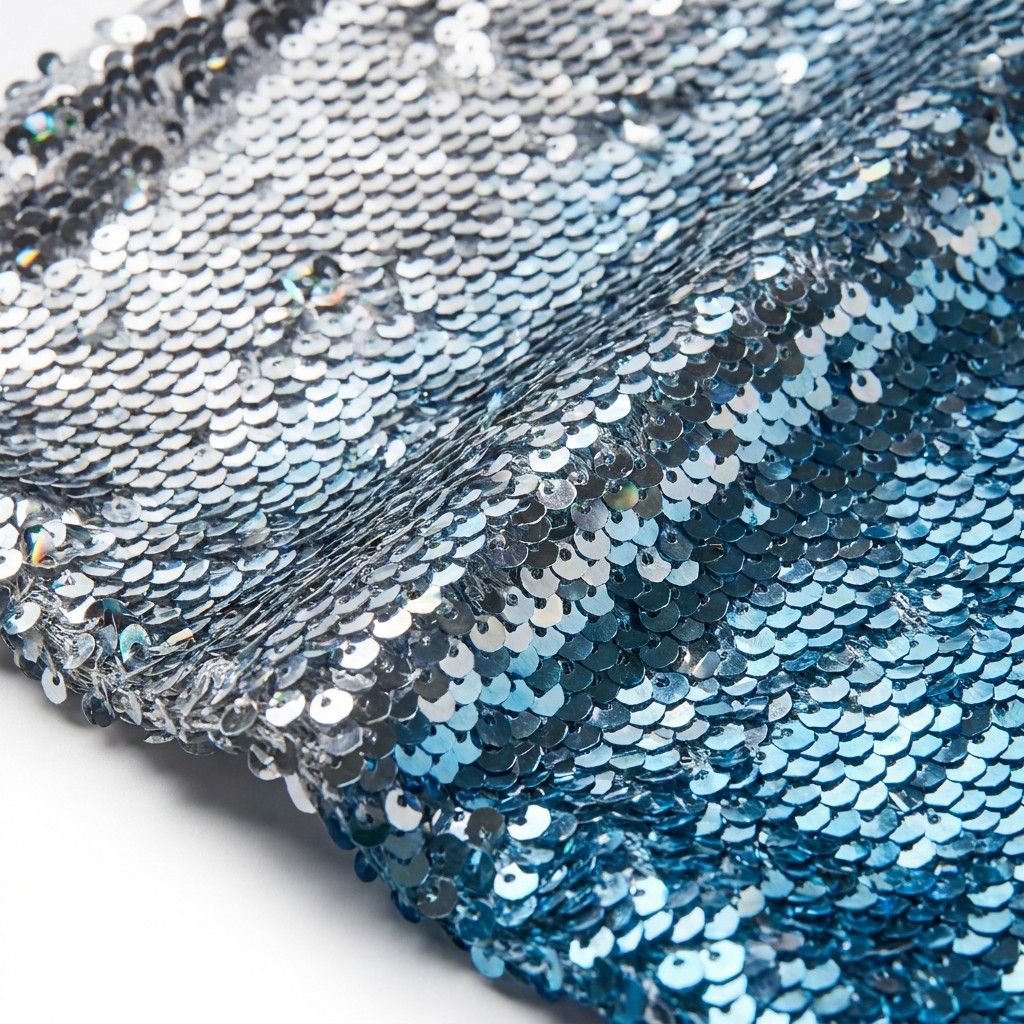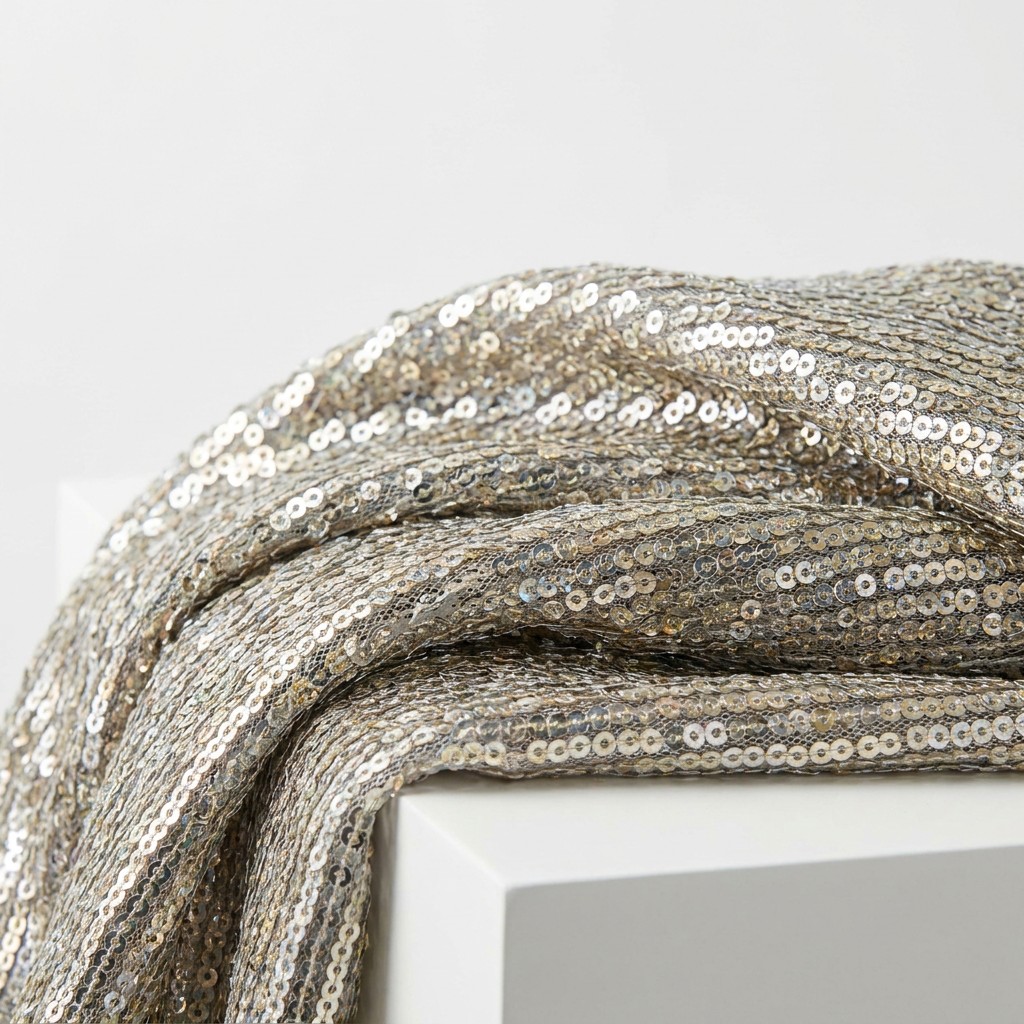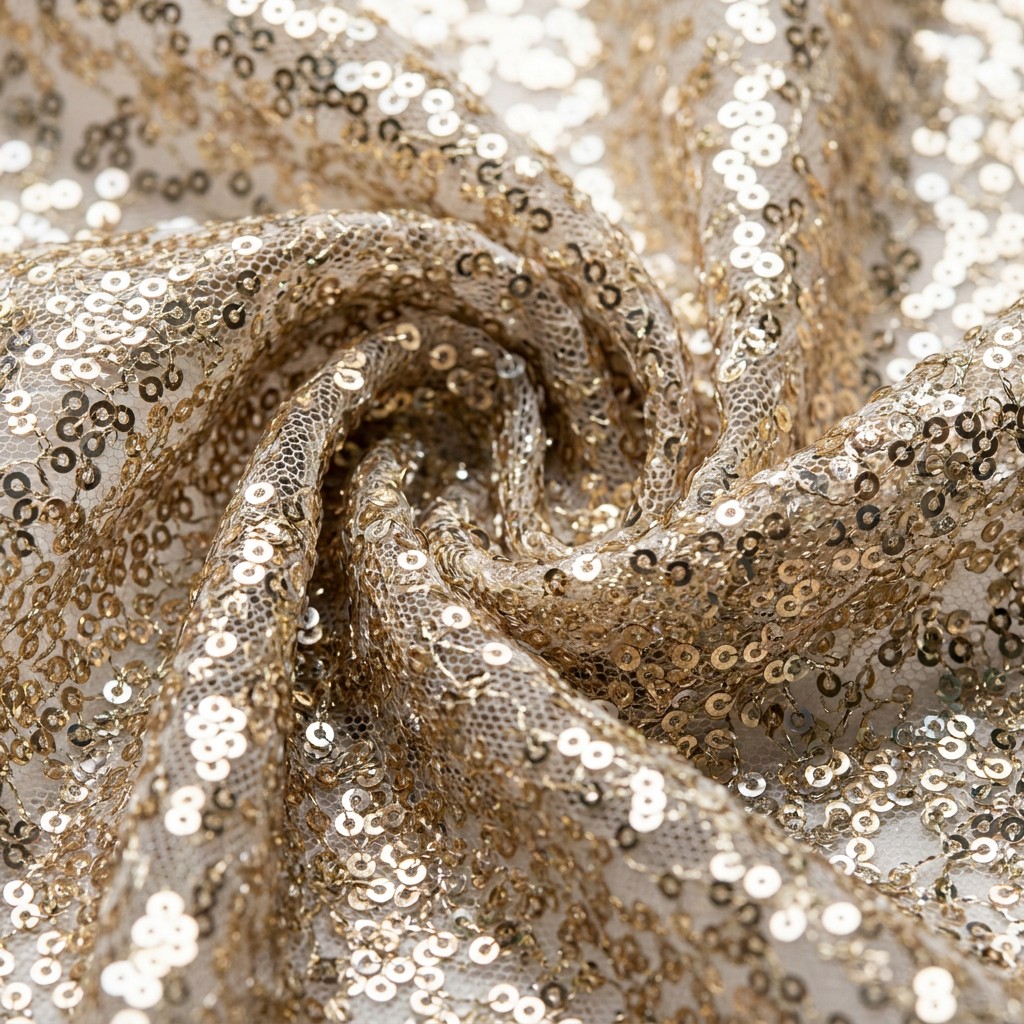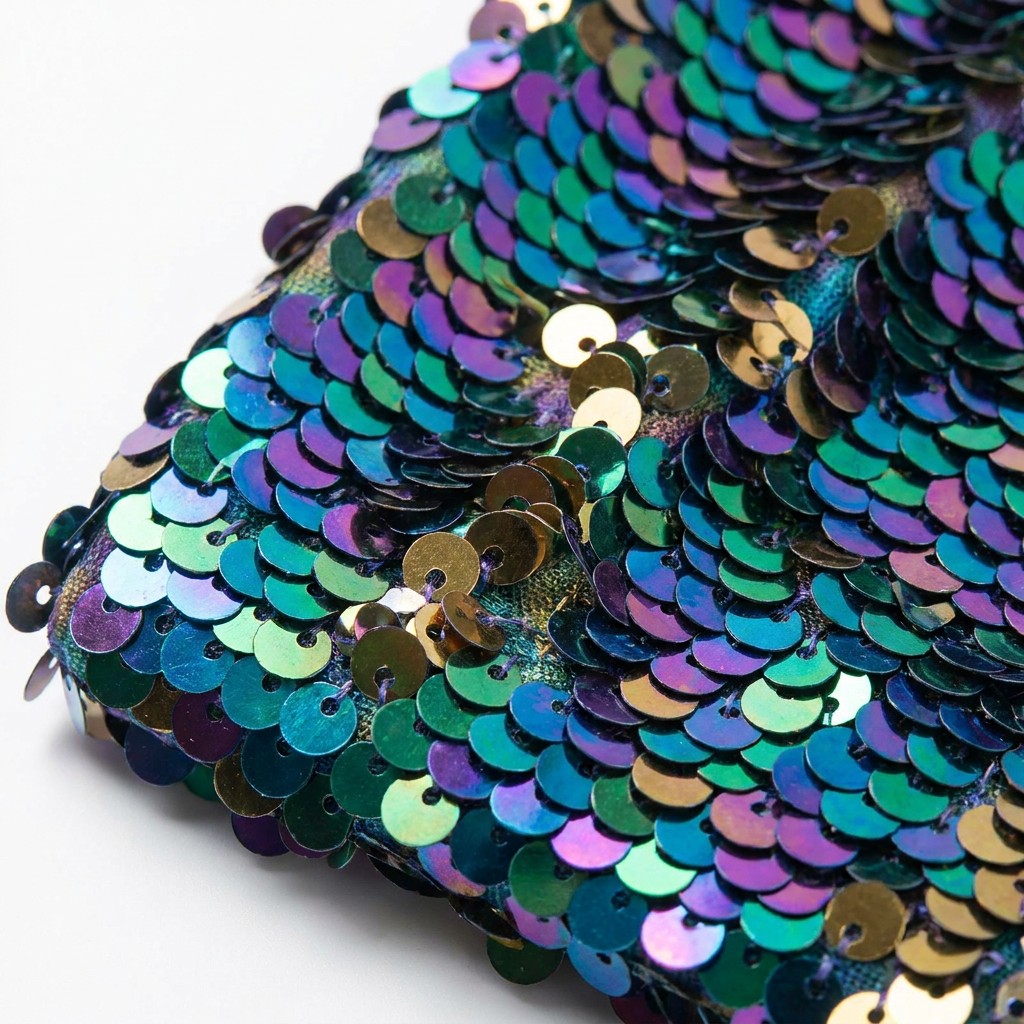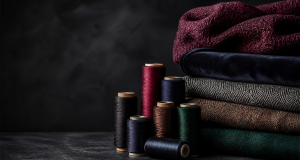
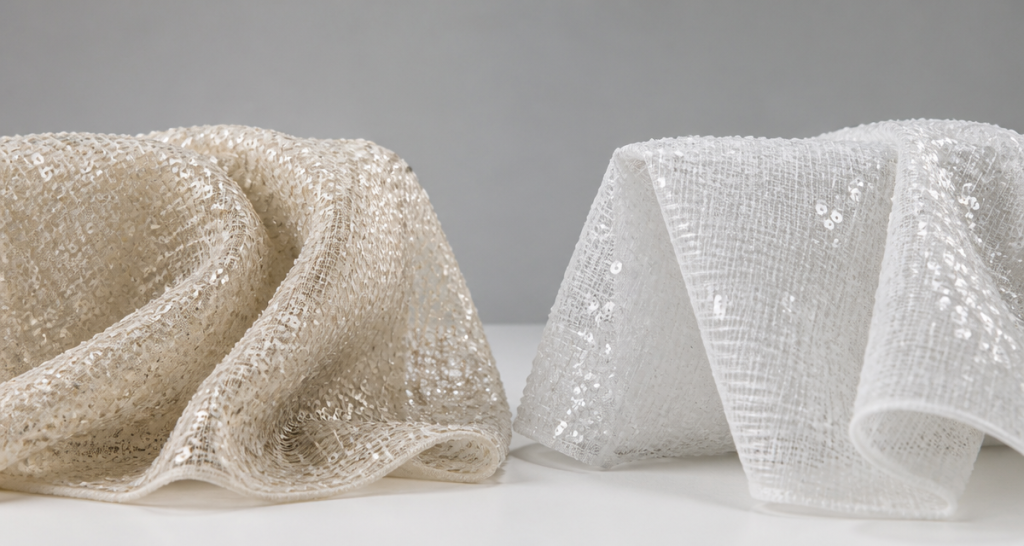
Decorative fabric texture is the combined surface quality a garment shows: how deep the surface sits, how light catches it, how heavy it feels in the hand, and how it behaves when the fabric curves. Selecting decorative fabric texture for a silhouette means matching those four qualities to the shape you are building, rather than picking a flattering swatch in isolation. A densely sequinned surface that sharpens a structured jacket can drag a fluid slip dress out of shape, while a delicate embroidered ground that floats on a bias-cut skirt can look underbuilt on a boxy coat. This guide explains how to judge texture, then how to match it to fitted, flowing and structured silhouettes.
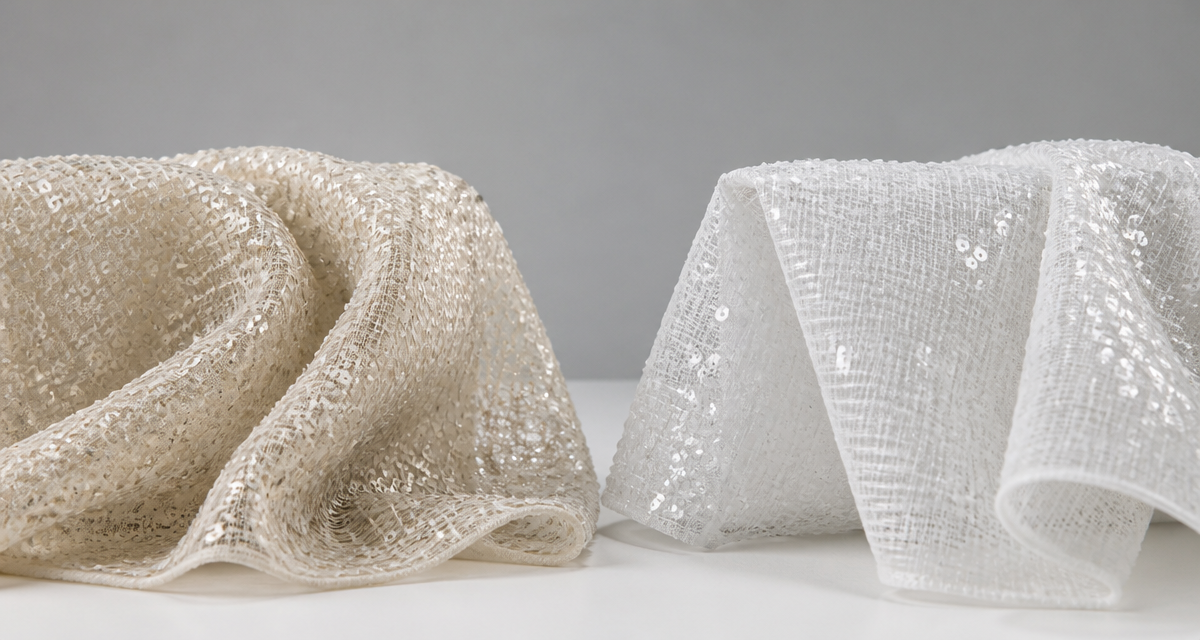
What Decorative Fabric Texture Actually Means on a Garment
Texture is often described as a look, but on a garment it behaves mechanically. A raised surface adds stiffness and friction. A flat surface slides. A dense embellishment adds weight at the hem. Before comparing options, separate texture into four measurable behaviours:
- Surface depth — how far the embellishment or weave rises above the base cloth.
- Drape — how the fabric falls when only part of it is supported.
- Weight and friction — how the fabric feels and how panels move against each other.
- Sewing response — how the material behaves under the needle, at the seam and at the hem.
Two fabrics can share a colour and a pattern and still behave completely differently, because these four behaviours are what the wearer and the machinist actually feel.
How to Judge Decorative Fabric Texture Before You Cut
Surface depth
Hold the sample at a low angle against a light. A deep surface throws shadows and reads as texture from a distance; a shallow surface reads as colour with a slight sheen. Decide how much depth your design can carry at the distance the customer will view it.
Drape
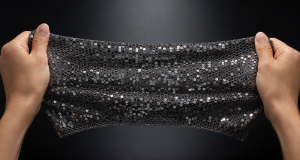
Pick up one corner and let the sample fall over your hand. Note whether it folds in soft curves or holds flat planes. Drape is the single most useful test for matching texture to silhouette, because it decides whether a garment flows or holds its own shape.
Weight and friction
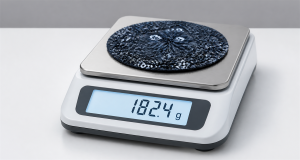
Weigh a cut piece rather than guessing. Heavier embellished fabric pulls at seams and can distort a fitted bodice, while a light fabric with a raised surface may cling where you do not want it. Fabric-on-fabric friction also affects how a lined garment settles.
Comfort and lining
Sequin and bead surfaces can feel rough against skin, so plan the lining as part of the texture decision, not after it. A soft backed ground may need no lining; a stiff embellishment usually needs a smooth inner layer.
Sewing response
Sew a short test seam and a test hem on the sample. Note needle deflection, seam slip and whether the embellishment disturbs the stitch line. Texture that drapes beautifully but fights the machine will raise cost and risk during bulk.
Texture Comparison: Drape, Depth and Sewing Response
| Texture type | Drape | Surface depth | Suits best | Sewing notes |
|---|---|---|---|---|
| Sequin on mesh or chiffon | Soft to medium | High | Flowing and semi-fitted silhouettes | Plan for sequin-safe seams and a smooth lining |
| Sequin on crepe or satin | Medium to firm | High | Structured and fitted shapes | Sturdier ground resists distortion at seams |
| Flat embroidery on woven ground | Follows base cloth | Low to medium | Fitted and tailored garments | Embroidery can stiffen the panel slightly |
| Beading and heavy hand embellishment | Firm and heavy | High | Statement panels and structured pieces | Weight and friction need reinforcement |
| Jacquard and embossed weave | Medium to firm | Medium | Structured and tailored silhouettes | Pattern repeat must be matched at seams |
Matching Decorative Fabric Texture to Three Silhouettes
Fitted silhouettes
Fitted garments show every ripple, so texture should support the body rather than fight it. Choose a surface that stays flat across the bust and waist, and avoid heavy embellishment in areas that must sit smooth. A medium-depth texture on a stable base usually reads cleaner than a deep, loose surface.
Flowing silhouettes
Flowing shapes depend on drape, so texture should add interest without adding stiffness. Sequins on chiffon or mesh move with the fabric; heavy beading does not. If the design needs deep texture on a flowing shape, keep it to a panel rather than the whole garment.
Structured silhouettes
Structured shapes can carry the deepest textures, because the garment is meant to hold a line. Jacquard, embossed weave and denser sequin grounds reinforce the shape instead of softening it. Check that the texture does not crack or pucker when the fabric is folded into a sharp edge.
Comparing Sequin, Embroidery, Beading and Jacquard
These four families are often mixed in one collection, so it helps to compare them on the same criteria.
- Sequin gives the strongest light response and the most depth, but it needs careful seam planning and a lining decision.
- Embroidery adds pattern and a modest surface lift while staying close to the base cloth, which keeps drape predictable.
- Beading delivers weight and a hand-finished feel, and it is best reserved for areas that do not need to move freely.
- Jacquard builds texture into the weave itself, so the surface is durable and holds structure, though the repeat must be planned across seams.
Because these surfaces behave differently, the most reliable way to compare them is the same as comparing colour: put them side by side on the actual shape. If your project also involves sequinned performance or costume pieces, our review of fabric sourcing for dancewear, performance wear and costumes covers how movement changes the choice.
Validate Texture Through Samples and Processing Samples
A swatch shows the surface; a garment sample shows the behaviour. Move through three stages before you commit to bulk:
- Swatch comparison — shortlist two or three textures and compare drape, depth and friction on the bench.
- Garment or panel sample — make up the area that carries the texture so you can see how it falls on the body or the stand.
- Processing sample — run the chosen texture through production equipment to confirm the seam, hem and lining behave as expected.
Keep notes at each stage, including who approved the sample and which version it was. Using a written record avoids the drift that happens when texture is approved from memory. Our outline of a sample approval process before bulk production shows how that record fits together.
Texture decisions also affect how much fabric a style consumes, because a raised surface and a matched repeat both change layout. See how to check fabric width and usable yield for sequin collections before you finalise the bill of materials.
Frequently Asked Questions
How do I choose decorative fabric texture for a fitted dress?
Prioritise a surface that stays flat across the areas that must sit smooth, and keep depth away from the waist and bust. Test the sample on a stand rather than on a flat table, because fitting reveals ripples that a bench test hides.
Can a flowing silhouette use sequin fabric?
Yes. Sequin on chiffon or mesh drapes with the fabric, so it can work well on a flowing shape. The risk comes from heavy beading and dense backing, which add stiffness and weight that pull the silhouette out of line.
Should decorative fabric be lined?
Often yes, but it depends on the back of the fabric. A soft backed ground may sit comfortably without a lining, while a stiff or scratchy embellishment usually needs a smooth inner layer for comfort and to protect the surface.
How many textures should I compare at once?
Two or three is usually enough to make a clear decision. Too many samples make comparison hard, and the eye tends to favour the most dramatic surface rather than the one that suits the silhouette.
When does the minimum order matter for texture selection?
Texture selection comes first and quantity comes later. Once a texture and a base are chosen, a 200 yard minimum order is confirmed in the normal quotation alongside price, usable width and delivery terms.
Source Sequin Fabric Directly From Our Factory
Browse our sequin fabric, embroidered fabric and decorative textile collections on Alibaba, with custom colour, base cloth and packing options for B2B buyers.
Request Sequin Fabric Samples
Tell us your target colour, base cloth and end use, and we will prepare a texture and drape sample set so you can compare finishes on your own silhouette before you commit.
Wendy Jessie
Phone / WhatsApp: +86 156 3752 5803
Phone / WhatsApp: +86 175 1619 6727
Email: morris@yunfantextile.com
Email: morris@yunfantextile.com