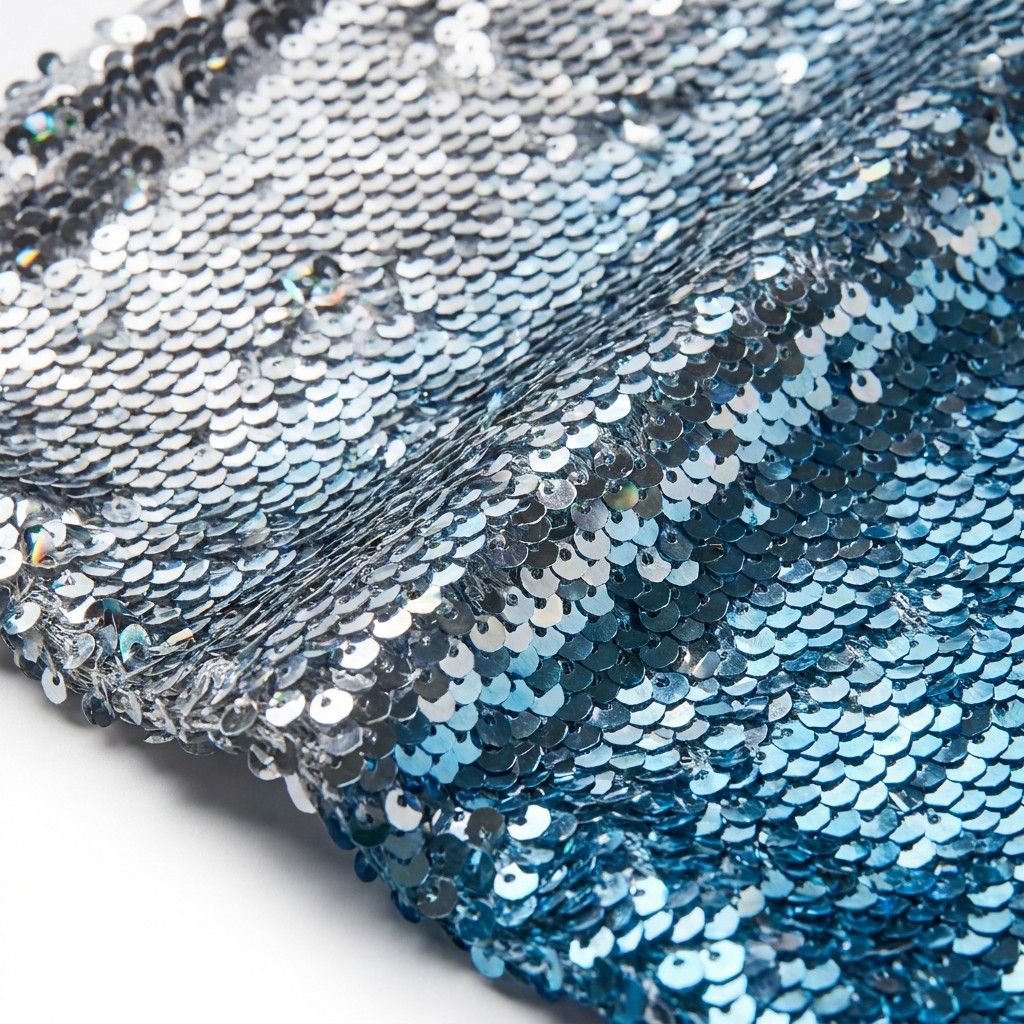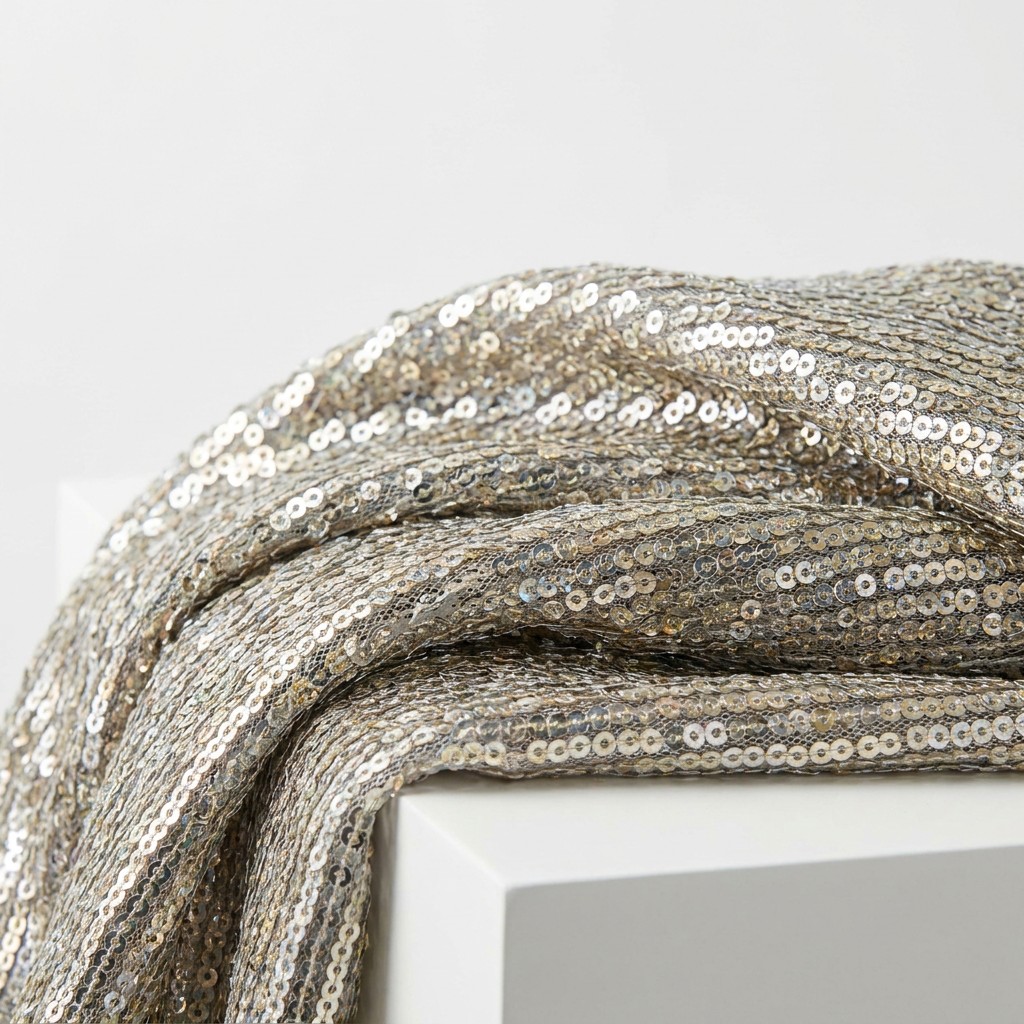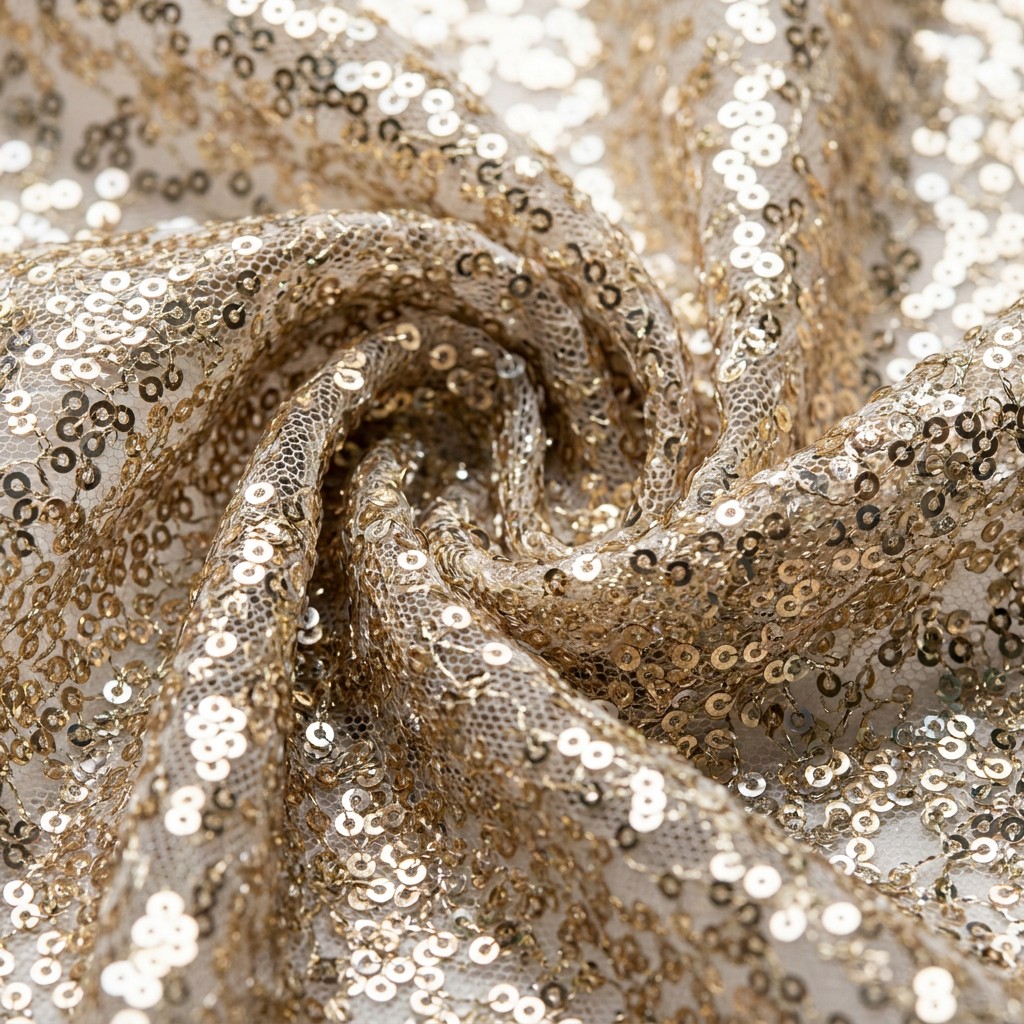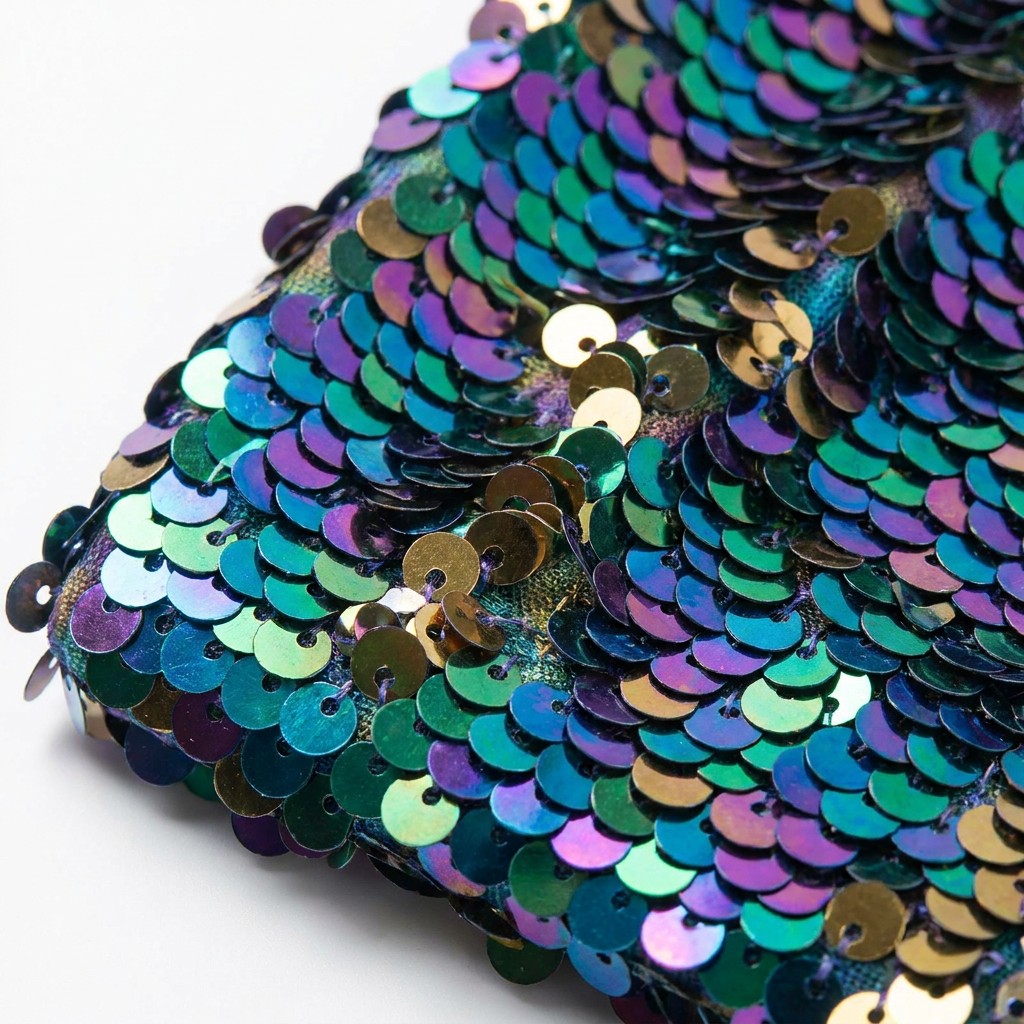
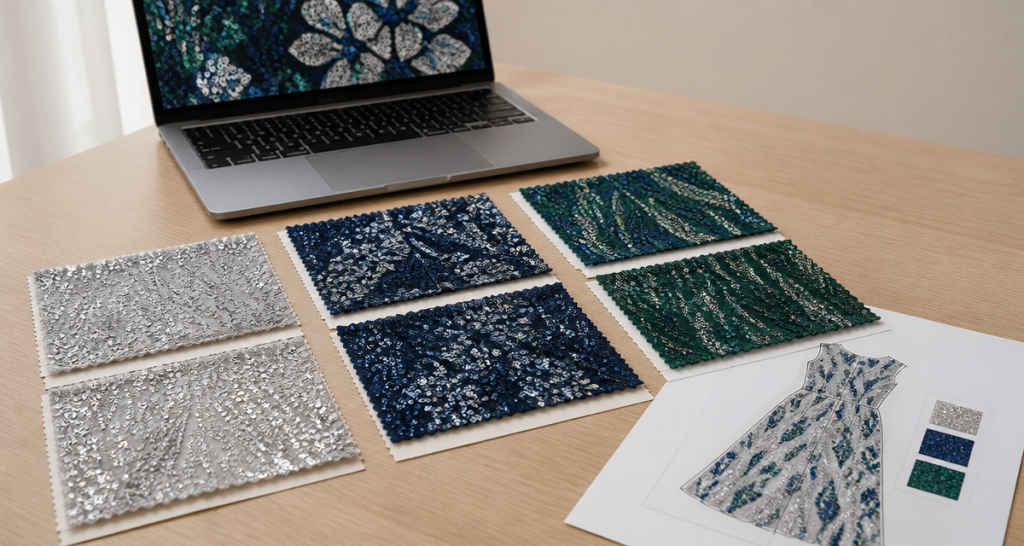
A fabric sample review sheet is a single structured record that captures what a sample is, how it performs, who reviewed it and what happens next, so that a B2B approval never depends on memory or on a scattered email thread. Preparing a fabric sample review sheet means deciding the fields in advance, filling them the same way for every sample, and keeping one current version that both the buyer and the supplier can open. Done well, the sheet turns a subjective conversation about hand feel and colour into a set of recorded decisions that can be traced from the first swatch to the approved bulk reference. This guide sets out the fields to include, how to use the sheet across sample types, and how to keep it under control.
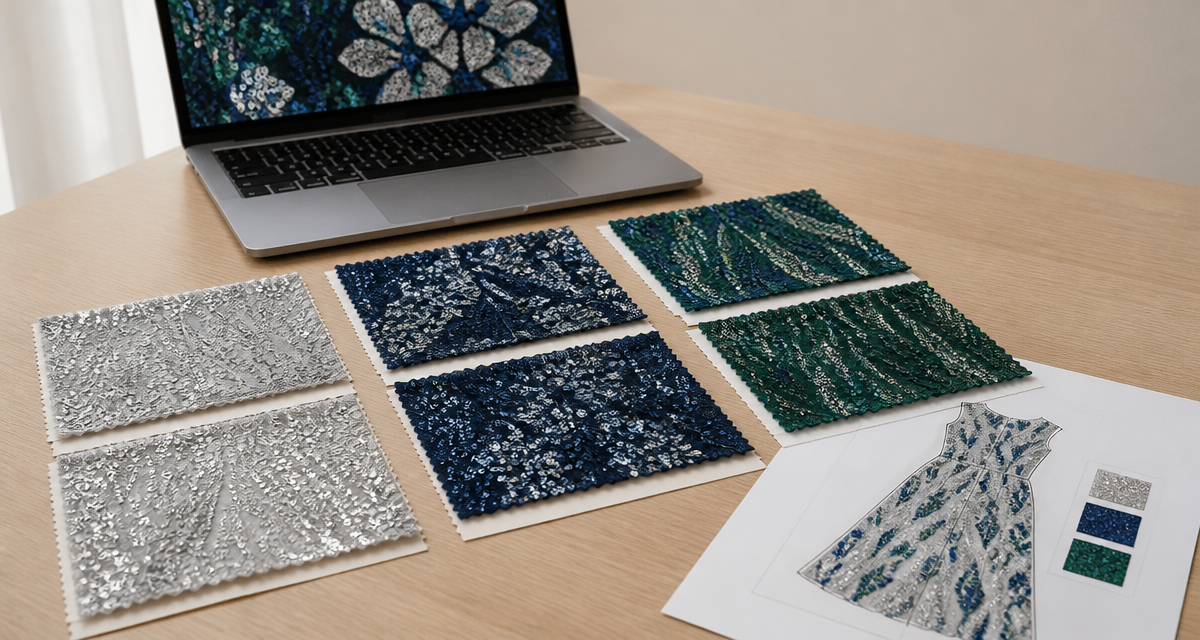
What a Fabric Sample Review Sheet Must Capture
A useful sheet answers five questions for every sample: what it is, what it is for, how it looks, how it behaves, and what is decided. If any of those is missing, the sample is likely to be re-requested or re-approved later. Before designing the template, list the fields that your team repeatedly asks about, because those are the fields that cause delay when they are absent.
- Identity — a unique sample number and the version it belongs to.
- Purpose — the project, style and end use the sample supports.
- Appearance — colour, base cloth, surface and pattern.
- Performance — hand feel, width, opacity, sewing behaviour and care notes.
- Decision — the approver, the date, the revisions required and the next action.
Field-by-Field Guide to a Fabric Sample Review Sheet
The table below lists each field, what it should contain and why it prevents a follow-up email later.
| Field | What to record | Why it matters |
|---|---|---|
| Sample number | A unique ID with a version suffix | Stops two versions being approved by accident |
| Project and end use | Style, customer and where the fabric will be used | Keeps performance expectations realistic |
| Colour | Target reference and the lighting it was checked under | Avoids colour disputes at a later stage |
| Base cloth | Ground fabric, weight and construction | Base tone and drape both depend on it |
| Usable width | Effective width, not just the nominal width | Affects layout and fabric consumption |
| Pattern and repeat | Repeat size, direction and matching points | Prevents mismatched seams in bulk |
| Hand feel | Soft, crisp, stiff or rough, with a short note | Records the judgement behind the decision |
| Opacity | Sheer, semi-sheer or opaque at the intended use | Decides the lining requirement early |
| Sewing feedback | Needle, stitch, seam behaviour and any issue | Feeds directly into bulk planning |
| Care notes | Any handling, storage or cleaning notes | Protects the surface before and after delivery |
| Approver and date | Name, role and the date of the review | Creates a traceable sign-off |
| Revisions | Exactly what must change, and by when | Turns feedback into an actionable list |
| Next action | The single next step and its owner | Keeps the project moving after each review |
Using a Fabric Sample Review Sheet Across Sample Types
The same sheet works at every stage, but the emphasis changes. Record the differences rather than starting a new document each time.
Digital and rendered samples
A digital sample has no physical hand feel, so record the file reference, the calibration used and the fact that colour is indicative only. The sheet should state clearly that a digital sample is not an approval of colour or texture.
Physical swatches and lab dips
Physical swatches carry the first real colour and hand decisions. Note the base cloth, the lighting used for the colour check and the batch reference, so the swatch can be matched again later.
Processing or trial samples
A processing sample is made on production equipment, so the sewing feedback field becomes the most important part of the sheet. Record the needle, the seam type and any distortion that appeared at the machine.
Approved samples
The approved sample is the reference for bulk, so the sheet should say plainly that this version is approved, who signed it, and where the retained copy is held. From this point, only that version is the standard.
Keeping one sheet across all four stages is what makes the record traceable. Our guide to approving a sequin fabric sample before bulk production shows how the approval stage links to the earlier ones.
How a Fabric Sample Review Sheet Reduces Communication Gaps
Most delays in fabric development come from small, avoidable gaps. A shared sheet closes them if you use it consistently.
- One version at a time. Give the sheet a version number and date, and mark older copies as superseded.
- Write feedback as a change, not an opinion. Replace a vague comment with a specific instruction, such as a shade adjustment or a different lining.
- Separate open items from closed items. Keep a short list of what is still open at the top of each review.
- Attach the physical reference. Record where the retained sample is stored so it can be pulled out for comparison.
- Name an owner for each action. An action without an owner tends to sit until someone asks again.
These habits also help when a project involves several materials at once. If your samples include embellished surfaces, the notes collected on the sheet feed naturally into inspection points for bridal and stagewear orders.
Version Control, Sign-Off and Next Actions
A review sheet is only useful if it is trusted, and trust comes from discipline. Three rules keep it honest:
- Number every version. A simple suffix such as v1, v2 and v3 prevents the classic mistake of approving an old file.
- Sign the approval, do not imply it. The approver's name and the date should be explicit, not inferred from an email reply.
- Close the loop. Every review should end with a single next action, an owner and a date, so the sheet drives the project forward rather than recording where it stopped.
The sheet also supports planning. Once the approved version defines the usable width and the pattern repeat, you can confirm how much fabric a style will consume. See how to check fabric width and usable yield for sequin collections and how to plan sequin fabric lead time for a fashion or event collection.
Common Mistakes a Fabric Sample Review Sheet Should Prevent
Three mistakes appear again and again in fabric development, and each one is easy to prevent with a disciplined sheet.
- Approving a version nobody saved. Without a version number, the approved sample and the file in circulation can drift apart, so always record which version was signed.
- Describing feel with a single word. Hand feel means different things to different people, so add a short note about softness, crispness or stiffness next to the term.
- Leaving the next action open. A review that ends without an owner and a date tends to stall until someone chases it, so close every review with one clear next step.
Used consistently, the sheet becomes the shared memory of the project, which matters most when a style runs across several seasons or several suppliers.
Frequently Asked Questions
What is the difference between a sample review sheet and a tech pack?
A tech pack describes the product and its construction, while a sample review sheet records the outcome of reviewing a specific sample. The sheet lives alongside the tech pack and feeds decisions back into it.
Should the review sheet be digital or printed?
Either works, as long as everyone uses the same current version. Digital sheets are easier to update and share, while a printed copy is convenient when the physical sample travels between offices.
How often should a review sheet be updated?
Update it after every review, not at the end of the project. Recording the outcome while the sample is in hand keeps the notes accurate and avoids reconstructing decisions later.
Who should approve a fabric sample?
The person who owns the product decision, usually the buyer or the designer, with the supplier confirming that the notes are understood. The sheet should name that person rather than a department.
Does the sheet need to mention the order quantity?
Not at the sampling stage. Quantity belongs in the quotation, where a 200 yard minimum order is confirmed together with price, usable width and delivery terms.
Source Sequin Fabric Directly From Our Factory
Browse our sequin fabric, embroidered fabric and decorative textile collections on Alibaba, with custom colour, base cloth and packing options for B2B buyers.
Request Sequin Fabric Samples
Send us your project brief and target colour, and we will prepare a sample set with the reference details you need to complete your own review sheet before you commit.
Wendy Jessie
Phone / WhatsApp: +86 156 3752 5803
Phone / WhatsApp: +86 175 1619 6727
Email: morris@yunfantextile.com
Email: morris@yunfantextile.com