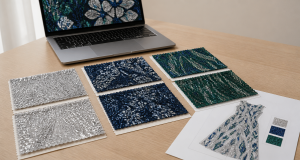
An embroidery pattern repeat review is the step that stops a beautiful panel from becoming an expensive problem. Before bulk production, confirm four things: the measured repeat in centimetres across the width and along the length, the position of match points relative to the selvedge, the direction the fabric must run on the cutting table, and how the repeat lands at the seam and the hem. When those four items are agreed and recorded, the cutting room can lay a marker with confidence. When they are left to the eye, panels drift, motifs sit at the wrong height, and border placements shift between rolls.

What an Embroidery Pattern Repeat Actually Defines
The repeat describes the distance the design travels before it starts again, in both directions. A horizontal repeat measures across the fabric width. A vertical repeat measures along the length of the roll. Together they form the tile that the machine embroidery repeats for the whole run.
Two numbers matter as much as the repeat itself. The first is the repeat count across the usable width, since a design that fits a full tile on a narrow roll may need adjustment on a wider one. The second is the offset, which describes how each row sits against the row above. Our guide to sourcing embroidered fabric for fashion collections explains how these values feed into a specification.
Measuring the Embroidery Pattern Repeat Accurately
Measure the embroidery pattern repeat on the fabric, not on the artwork file alone. Artwork dimensions and stitched dimensions rarely match exactly, because the stitch path and the thread tension both shift the motif slightly.
Use one full tile plus one motif beyond it, then divide by the number of tiles you counted. Repeat the measurement in three places along the roll and take the average. If the readings differ, note the variation rather than smoothing it away, because the cutting room needs the real range.
Horizontal Repeat
Record the horizontal repeat in centimetres and note how it relates to the usable width. A width that contains a whole number of repeats makes markers efficient. A width that ends on a partial motif creates a strip of waste along one selvedge and can push border motifs off centre.
Vertical Repeat
The vertical repeat controls how the motif lands on the body. For a dress or a jacket, mark the repeat start point so the first motif falls at the agreed height on the front panel. Confirm that the vertical repeat divides sensibly into the garment length, otherwise a motif will sit half-finished at the hem.
Half-Drop and Mirror Repeats
Half-drop repeats shift every second row by half a motif, which hides stacking and looks more organic. Mirror repeats reflect motifs along a centre line. Both demand clear match points, and both make directional panels harder to align at the side seam, so mark the match points on the approved sample before the order is cut.
How Embroidery Pattern Repeat Interacts with Fabric Width
Usable width, not total width, drives marker planning. Embroidery often stops short of the selvedge, and some designs leave a plain margin for a seam allowance. Measure the printed or embroidered area between the finished edges, then compare it with the widest pattern piece in the garment.
When the widest piece sits close to the usable width, the marker loses flexibility and offcuts grow. Compare the actual yield before approving the layout, using the method described in our guide to checking fabric width and usable yield.
Repeat Types and How They Behave in Cutting
| Repeat type | How it looks | Cutting behaviour | Main risk |
|---|---|---|---|
| Straight repeat | Motifs align in a grid along and across the roll | Panels match easily at seams | Stacking becomes obvious if alignment drifts |
| Half-drop repeat | Every second row shifts by half a motif | Needs clear match points marked | Seam matching takes longer |
| Mirror repeat | Motifs reflect along a centre line | Directional panels must not rotate | A rotated panel reads reversed |
| Border repeat | A running motif along one edge | Placement measured from the selvedge | Border position shifts with width variation |
Borders, Panels and Placement Motifs
Border repeats need a fixed reference. Define the distance from the finished edge to the centre of the border motif, and check that distance at both ends of the roll. If the border wanders, the hem will look uneven even when the garment is cut correctly.
Placement motifs add a second layer of risk. A motif that must sit at the centre front of a bodice depends on the vertical repeat, the marker position and the seam allowance all working together. Give the factory a clear drawing with the motif centre, the notch positions and the acceptable position range rather than a description in words.
Cutting Direction and Marker Planning
Directional embroidery behaves like a directional pile fabric. Once the roll runs one way, every panel must follow it, or the shine and the motif direction will differ across the garment. Mark the direction on the sample and repeat that mark on every pattern piece.
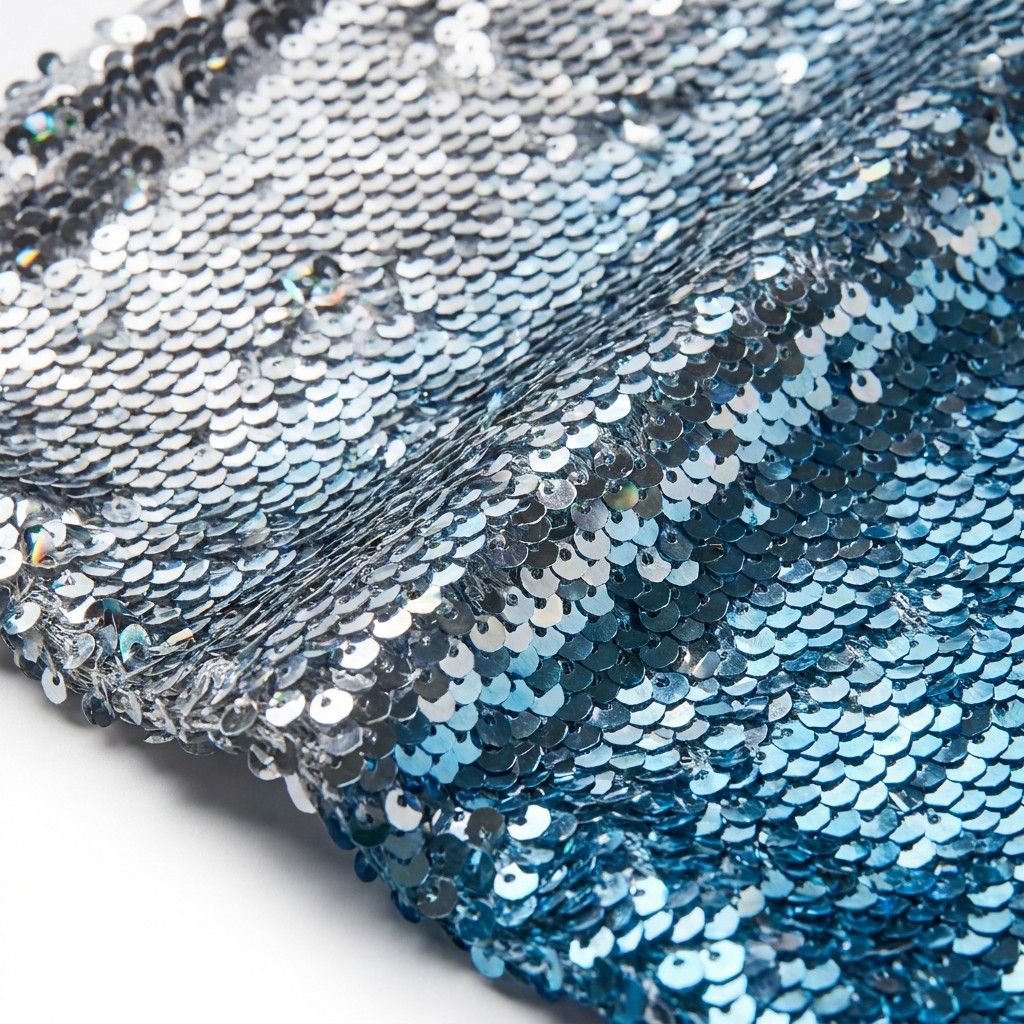
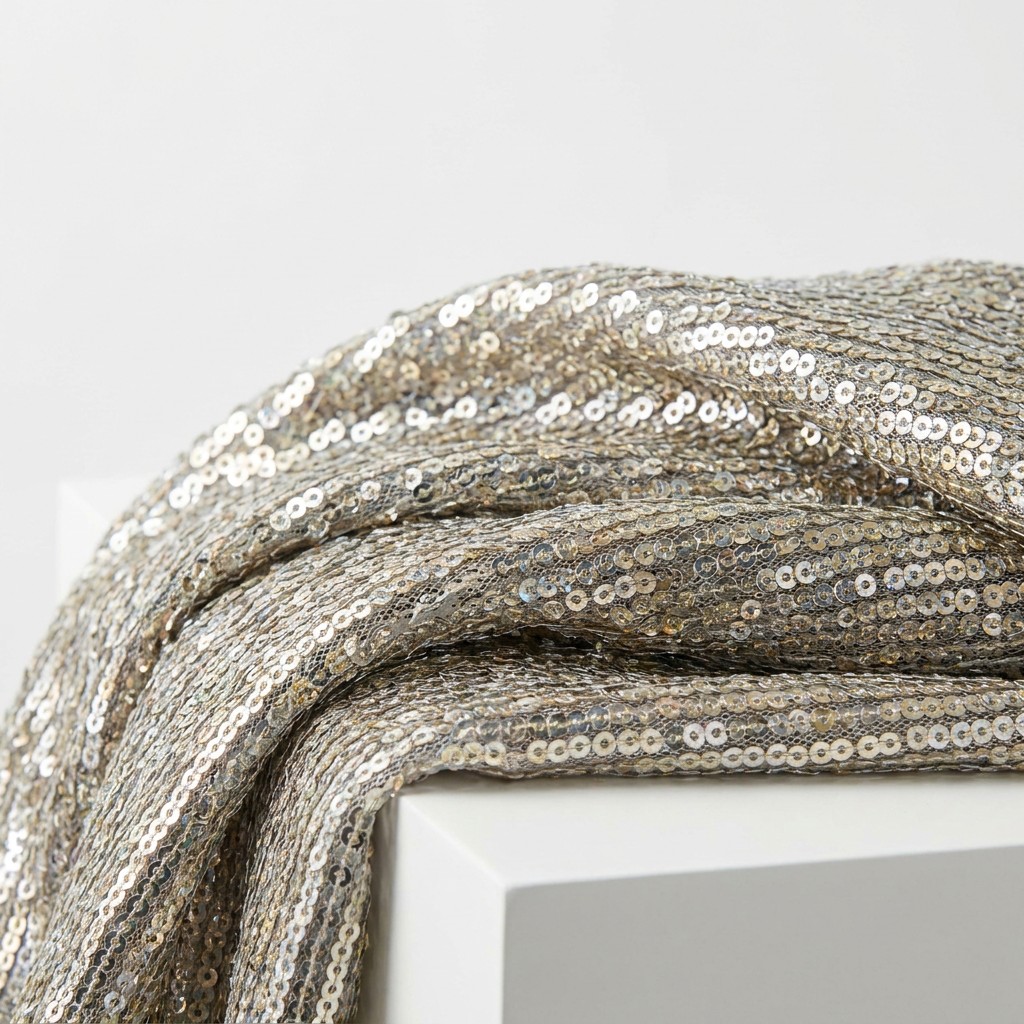
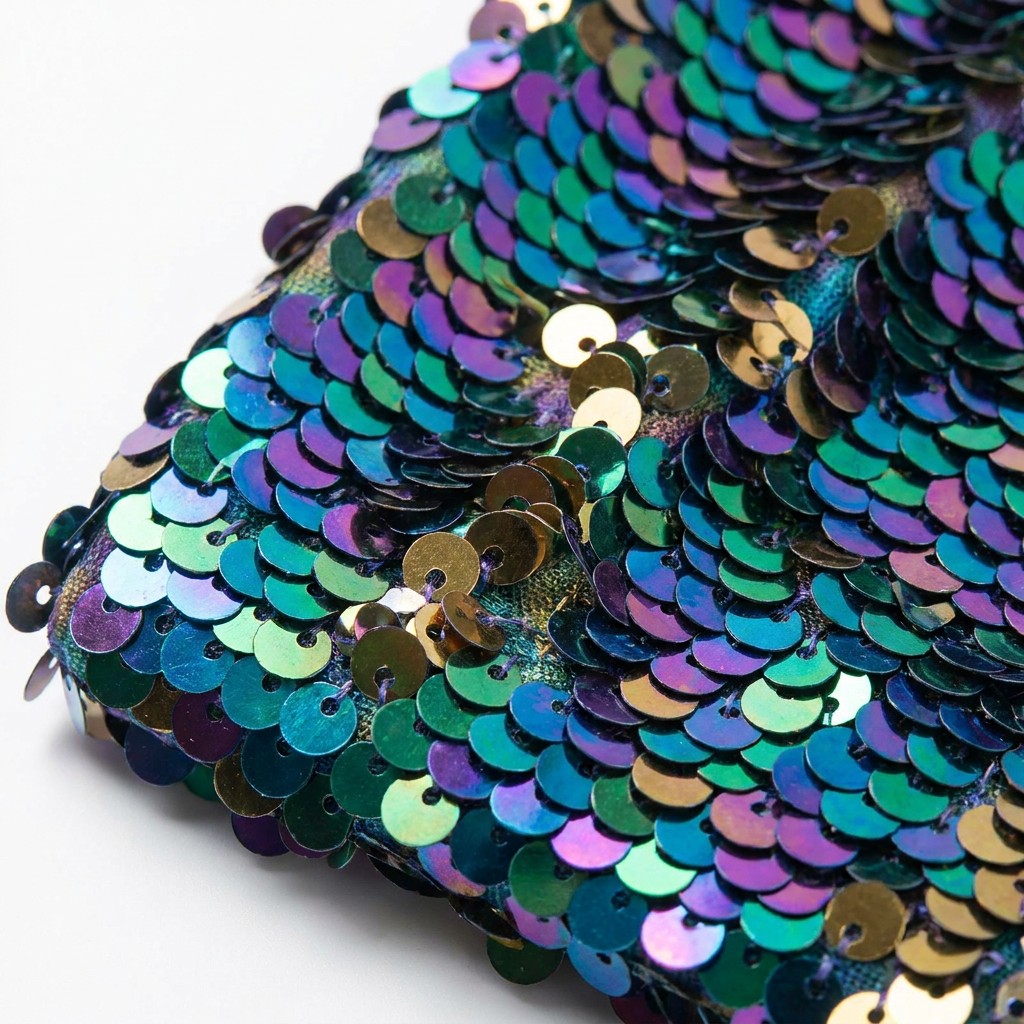
Naps, sequin overlap and raised embroidery all amplify a wrong direction. Under stage or camera light, a reversed panel shows immediately, and no pressing will correct it. Keep a reference panel with the marker so the cutting team can check orientation against a physical piece.
Seams, Joins and Pattern Matching
Joins are where the embroidery pattern repeat succeeds or fails. Decide before cutting whether the design should match at the side seam, whether a deliberate break is acceptable, or whether a seam should fall inside a plain area between motifs.
Matching across a seam consumes extra fabric, because each panel needs allowance to line the motif up. Add that allowance when you calculate the yield rather than after the marker is set. For dense embroidered grounds, also confirm how the seam sits once pressed, since overlapping embroidery can create a visible ridge.
Embroidery Pattern Repeat Review Checklist
- Repeat measured in centimetres across the width and along the length, averaged from three readings.
- Repeat count across the usable width recorded as a whole number or a stated part tile.
- Offset type noted as straight, half-drop or mirror, with match points marked.
- Border distance measured from the finished edge and checked at both ends of the roll.
- Direction of the motif marked on the sample and on every pattern piece.
- Seam matching decision recorded, with the extra allowance included in the yield.
- Motif position on the body given as a drawing with notches and an acceptable range.
- Approved sample and repeat drawing filed together under the same reference.
A working specification sheet makes this list easier to control, and our guide to the B2B fabric specification sheet shows which fields to include.
Sample and Garment Sample Approval
A flat sample confirms the repeat, the colour and the match points. A garment sample confirms how those values behave once the fabric is cut, sewn and pressed. Approve both, and keep the sequence in that order.
During review, lay the sewn garment sample flat and check the motif height at the centre front, the alignment at both side seams and the position of any border. Inspect the inside too, because seam bulk can change how a motif sits. Our checklist for pre-shipment inspection lists the corresponding checks to repeat on the finished bulk goods.
When a deviation appears, decide whether it is a direction error, a repeat error or a placement error. Each has a different fix, and naming it correctly saves a second sample round.
Recording the Repeat for Repeat Orders
A repeat order only stays consistent when the original data survives. Store the measured repeat, the offset type, the border distance, the direction mark and the approved sample together as one record. Reference that record in the purchase order so the factory works from the same numbers.
When the collection returns to production, compare a new sample against the stored values before the run begins. Over time, thread and machine settings can shift a motif by a small amount, and early detection costs far less than a rejected lot. Our notes on keeping sequin fabric quality consistent in repeat orders describe how to structure that file.
Fitting the Review into the Ordering Process
The repeat review sits between sampling and production, and it should close before the marker is set. Most programmes begin with a sample set covering a small number of colourways, which gives the design team a physical reference for the repeat and the motif direction.
Once the specification is approved, production typically continues at a standard minimum of 200 yards per colour and ground, which keeps the embroidery run efficient on the machine. That volume works best when the repeat, the direction and the seam decisions are already documented, because a late change after the marker is set costs both time and fabric.
Frequently Asked Questions
Do I need to measure the repeat if the factory already has the artwork?
Yes. Artwork dimensions and stitched dimensions rarely match exactly, so always confirm the repeat on the physical fabric before approving the marker.
What tolerance is normal for an embroidery repeat?
Tolerance depends on the design, the thread and the machine, so agree the acceptable range with the factory during sampling rather than assuming a fixed figure. Record the range you approved.
How much extra fabric does pattern matching add?
It varies with the repeat length and the number of matched seams. Long repeats consume more allowance than short ones, so calculate the extra from the actual repeat rather than applying a general rule.
Can a border repeat run along both edges?
Yes, and mirrored borders are common on scarves and trims. Confirm the distance from each finished edge separately, because the two sides can shift independently.
Need Embroidered or Sequin Fabric for Your Next Collection?
We supply embroidered, sequin and decorative fabric for fashion, bridal and event collections worldwide, with sample support before bulk orders.
Request Sequin Fabric Samples
Send your repeat drawing, target ground fabric and colour reference so we can prepare a sample set for your review.
Wendy Jessie
Phone / WhatsApp: +86 156 3752 5803
Alternative: +86 175 1619 6727
Email: morris@yunfantextile.com
Email: morris@yunfantextile.com