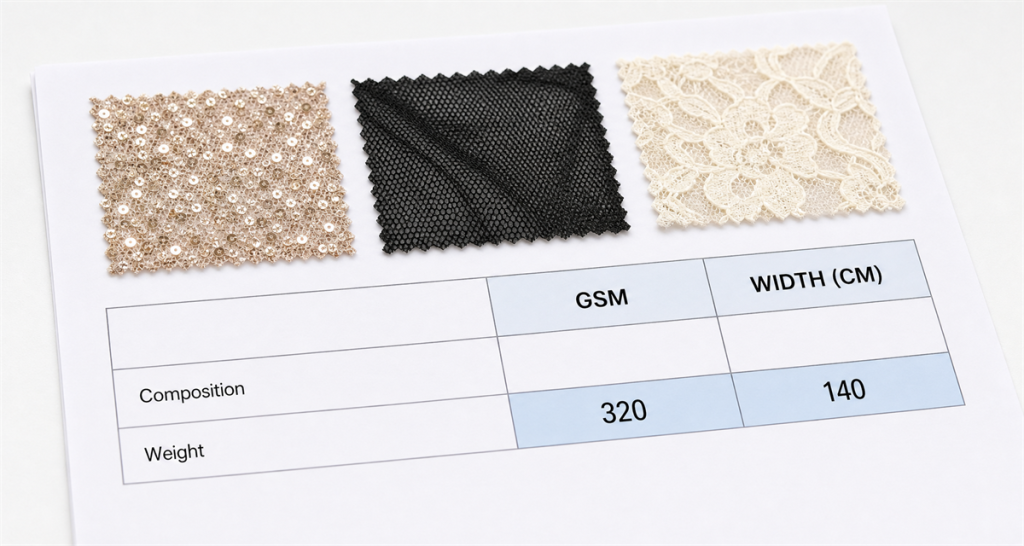
In wholesale fabric sourcing, a good product photo is only the beginning. Before a buyer approves sequin or embroidery production, the supplier and purchasing team need a shared fabric specification sheet. This document turns creative expectations into measurable production instructions, helping brands, garment factories, event suppliers and textile distributors reduce ambiguity before bulk manufacturing begins.
Current B2B buyers are asking for more technical transparency. They want to understand the base fabric, usable width, GSM, sequin size, embroidery density, color reference, quality tolerance, packaging and lead time. A clear specification sheet is especially valuable for custom orders and repeat programs, where a small difference between the approved sample and the next production run can create cutting waste or customer complaints.
1. Start with the base fabric
Record the fiber composition, construction, GSM, usable width, hand feel, drape and stretch direction. Mesh, tulle, organza, velvet and satin bases create different results even when they carry the same sequin design. The specification should identify the actual cutting width after selvedges, margins and edge treatment are excluded.
For apparel, note whether the base must recover after stretching or remain stable during sewing. For backdrops, table runners and home décor, confirm the required weight, hanging behavior and folding tolerance. If the base is recycled or traceable, identify which component contains recycled content and what documentation is available for the shipment.
2. Define the sequin or embroidery surface
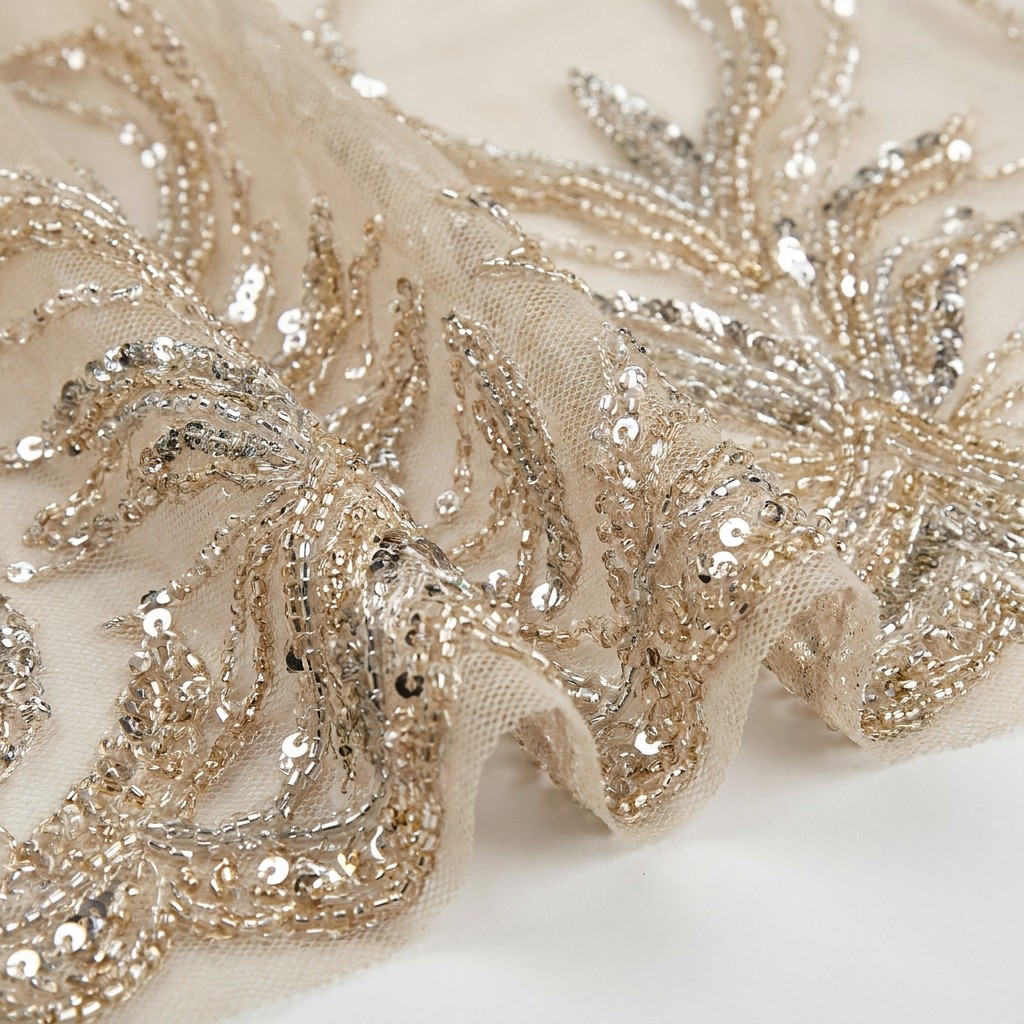
Do not describe a surface only as “shiny” or “heavy sparkle.” Record sequin diameter, shape, finish, color, spacing and approximate density. Smaller sequins may support a refined surface and flexible garment construction, while larger sequins create stronger visual impact but can affect weight, cutting and seam handling.
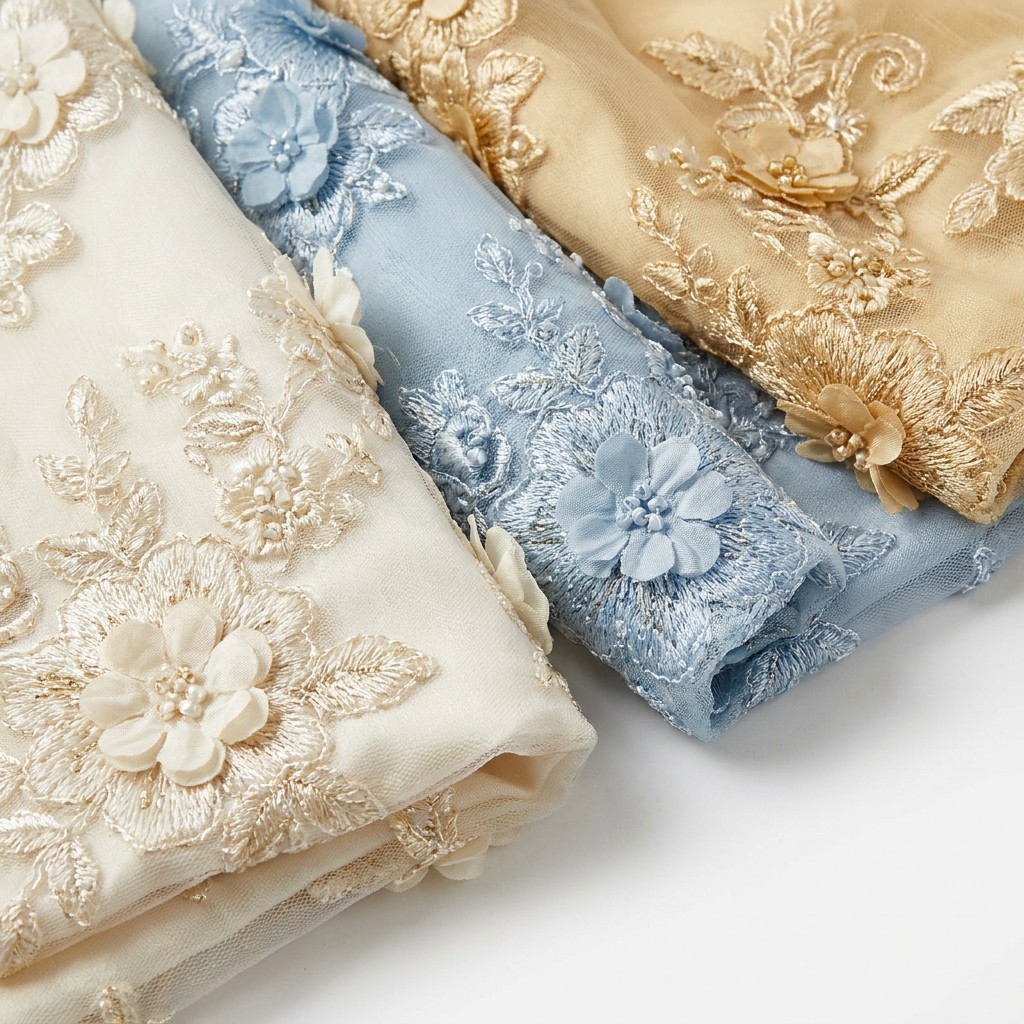
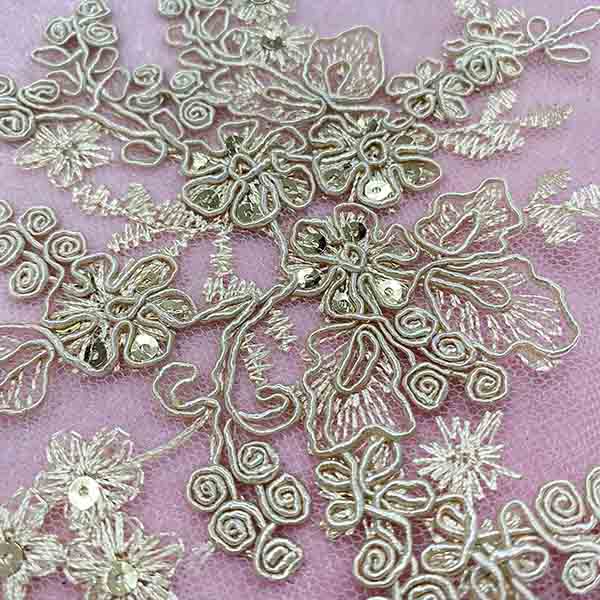
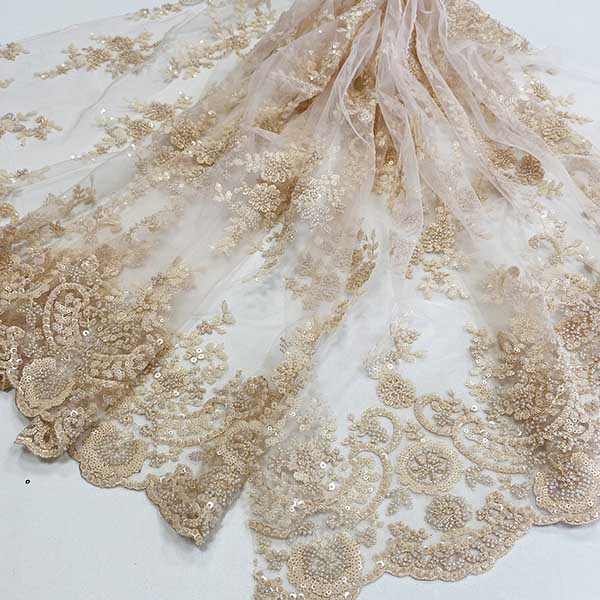
For embroidery, include the motif size, repeat distance, stitch coverage and alignment requirement. If the design is custom, attach the approved artwork or production reference. A factory should be able to compare the finished roll with the same reference used during sampling, rather than relying on memory or a product name.
3. Add color and quality controls
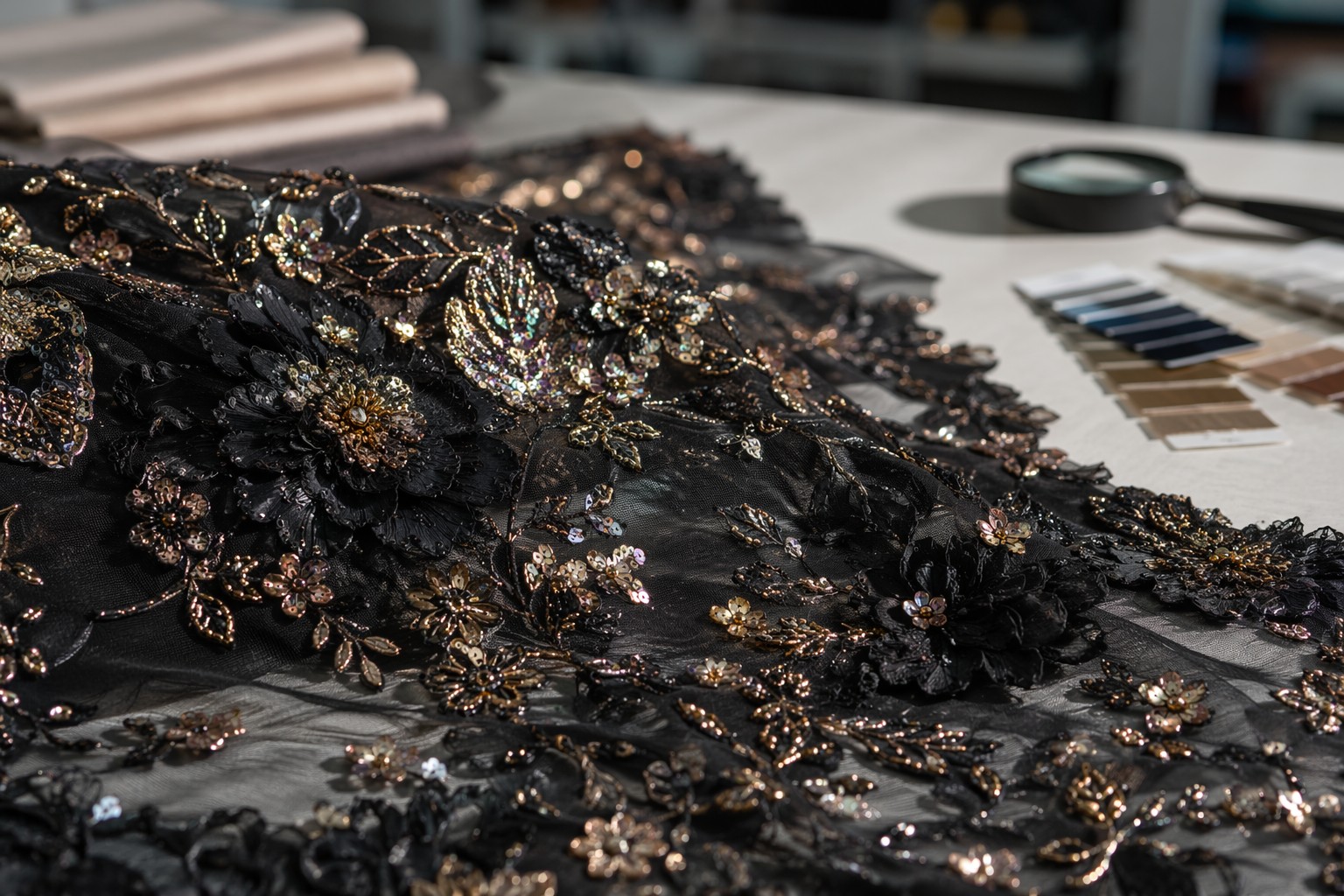
Every specification sheet should include an approved color reference, lab dip or physical swatch. Metallic, holographic and iridescent sequins can look different under daylight, warm indoor light and photography lighting, so approval should state the viewing conditions when relevant.
Define practical quality checks before production: shade consistency between rolls, usable width, sequin attachment, open stitches, pattern alignment, base-fabric stability and surface damage. For a high-volume program, buyers can request a pre-production sample, shade band, roll reference and inspection record. These checkpoints make the conversation objective if a variation appears during bulk delivery.
4. Connect the sheet to lead time and packing
A production specification is incomplete without a schedule. Confirm the sample revision date, approval date, estimated production window, inspection timing, packing method and target shipping date. Standard designs may move faster than complex custom embroidery or multi-step sequin applications. The supplier should provide a timeline based on the actual construction and quantity, not a generic promise.
Also specify whether fabric is packed in rolls or cartons, how each roll is labeled and whether moisture protection is required. Consistent labeling helps distributors and garment factories identify color, lot and quantity when goods arrive at different warehouses.
5. Turn the document into an approval record
Before placing a wholesale order, mark each field as approved, revised or pending. Keep the signed or confirmed sheet together with the physical sample and purchase instructions. This creates a practical reference for sampling, production, inspection and repeat orders.
To compare suitable materials, explore the Sequin Fabric category, 3mm Sequin Fabric, Flora Embroidery Fabric and Sequin Embroidery Fabric.
Need help confirming your fabric specification?
Request physical swatches, discuss custom construction and prepare a clear wholesale production brief.
Visit Alibaba Gold SupplierRequest Free Swatches / Contact Us
Keywords: fabric specification sheet, wholesale sequin fabric, custom embroidery fabric supplier, bulk fabric quality control, textile production checklist.
Contact Yunfan Textile for B2B Sourcing
🌐 Website: https://www.yunfantextile.com/
📌 B2B Contact: Jessie wendy
📱 WhatsApp/WeChat: +86 175 1619 6727 / +86 156 3752 5803
📧 Email: morris@yunfantextile.com
📧 Email: morris@yunfantextile.com