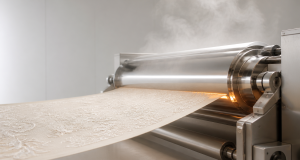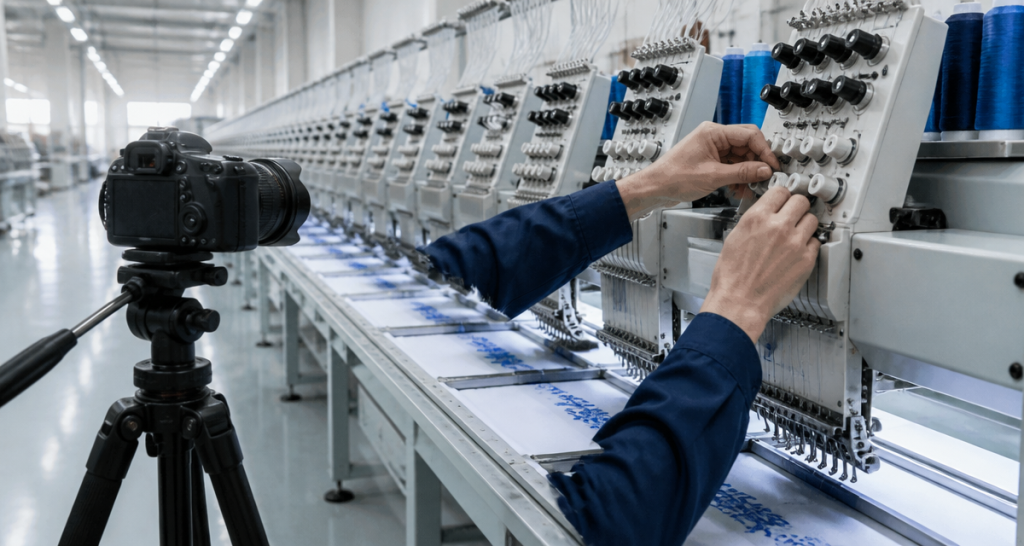
Embroidery needle heat builds up when a fast needle rubs dense fabric, and that heat breaks thread, melts synthetic fibers, and stops machines. This guide explains why the needle gets hot, how lubrication and speed control fix it, and how to check the result before a 200-yard run. If you produce embroidered fabric at scale, heat is a cost you can manage. First, reduce friction. Then cool the needle and thread. Finally, verify with a controlled test. The result is fewer breaks and steadier output.
What Is Embroidery Needle Heat?
Embroidery needle heat is the temperature a needle and thread reach as they pass through fabric thousands of times per minute. Friction between the needle, thread, and cloth converts motion into heat. In dense or coated fabric, that heat has nowhere to go, so it climbs. Once the needle passes the melting point of a synthetic thread, the thread weakens, frays, or snaps.
By contrast, a cool needle glides and keeps tension steady. Therefore, heat control is a quality tool, not a minor setting.
Key Takeaways
Remember these points before you run dense embroidery.
- Higher speed and denser fabric raise needle heat.
- A blunt or wrong needle type adds friction.
- The right lubricant lowers friction without staining fabric.
- Needle coolers and slower speed protect thread.
- Test on the real base before bulk production.
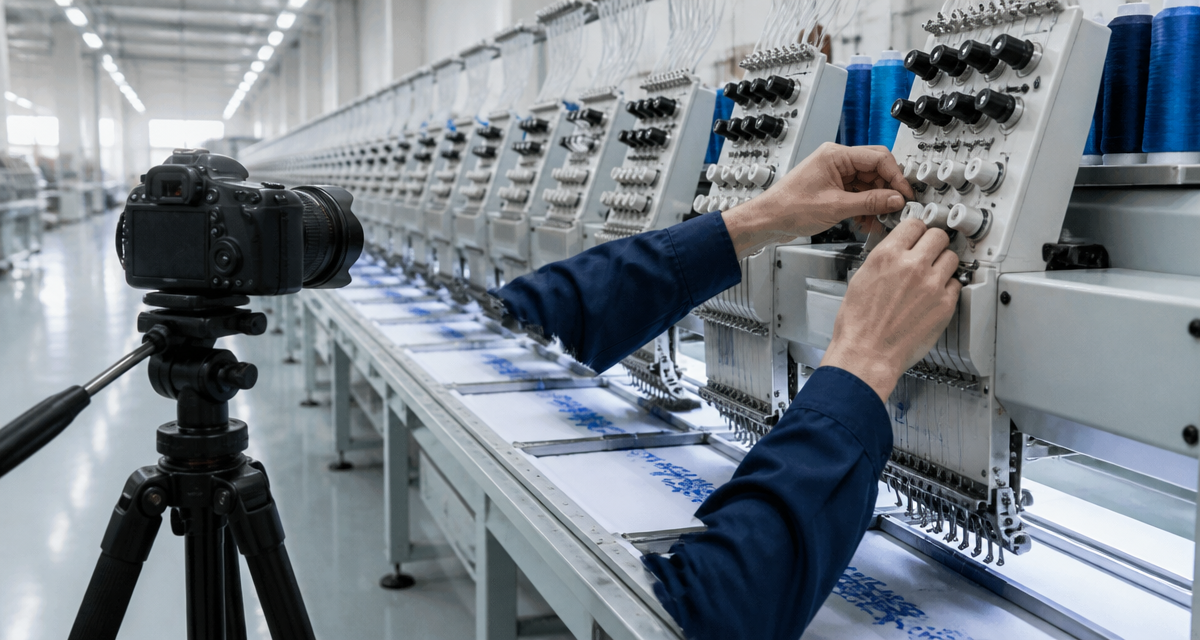
Which Steps Reduce Needle Heat?
Cooling is a sequence of small fixes. Follow these steps.
- Match the needle point to the fabric. A sharp point suits woven goods.
- Replace dull needles on a schedule, not only when they break.
- Lower the stitch speed for dense or coated fabric.
- Apply a quality thread lubricant or a needle cooler.
- Reduce stitch density where the design allows.
- Check tension so the thread is not pulled tight against the eye.
- Run a test motif and watch for fraying or singed spots.
- Lock the settings for the whole order.
Consequently, the machine runs cooler and the thread survives. For related control, see our guide on embroidery thread breakage control.
Lubrication Options Compared
| Option | Effect | Risk |
|---|---|---|
| Dry needle coating | Low friction, no residue | Wears over time |
| Thread lubricant | Protects thread and eye | Over-use can stain |
| Needle cooler | Actively removes heat | Extra setup |
| Lower speed | Less heat overall | Slower output |
However, the best result usually mixes two methods. For instance, a coated needle plus a light lubricant handles dense fabric well.
Production Checklist and Order Fields
| Field | What to confirm |
|---|---|
| Needle type | Point style and size |
| Stitch speed | Revolutions per minute |
| Lubricant | Type and application |
| Density | Stitches per unit |
| Base cloth | Mesh, satin, or organza |
| Order size | 200 yards minimum |
In addition, request a runner so you can test heat behavior on your own base. Pair it with your embroidery machine calibration routine.
Common Heat Defects and Their Fixes
Heat shows itself in a few predictable ways, and each one has a fix.
| Defect | Symptom | Fix |
|---|---|---|
| Thread break | Frayed or snapped thread | Slow speed, lubricate |
| Singed spots | Melted marks | Cooler needle, lower density |
| Blunt needle | Rough stitch line | Replace on schedule |
| Tight tension | Thread stress | Reduce tension |
For example, singed spots appear when heat rises past the fiber limit. Therefore, cooling is cheaper than repair. In addition, a blunt needle rubs more, so a simple replacement can lower heat fast.
How to Specify Heat Control in Your RFQ
Give the embroiderer the details that control friction.
- Name the base cloth and its weight.
- State the thread type and count.
- Set the maximum stitch speed.
- Require a needle-replacement schedule.
- Specify the lubricant, if any.
- Confirm the order quantity, starting at 200 yards.
As a result, the first runner behaves like the bulk run.
Quality Control Checks Before Shipment
Inspect the output, not just the settings.
- Look for singed or melted spots under light.
- Check thread fray near the eye.
- Confirm stitch consistency across the roll.
- Feel the base for stiffness from over-lubrication.
- Compare against the approved runner.
Moreover, track breakage counts per hour. A rising trend warns of heat buildup early.
Cost and Lead-Time Factors
Heat control trades a little speed for fewer stops. Slower running lowers output per hour. Yet every saved break cuts downtime and waste, so the net cost often falls. In addition, fewer defects mean fewer remakes. Therefore, treat speed as a variable, not a fixed target. Volume helps too, because a stable process repeats across a 200-yard order with less supervision.
Working With Your Supplier
Ask for the runner and the settings record together. That pair tells you how the heat was managed. A supplier who documents needle type and speed gives you a repeatable result. You can combine this with your hooping stability checks. Finally, retest when the base or thread changes, because the heat balance shifts with both.
How Needle Heat Affects the Finished Product
Heat changes both the stitch and the cloth. Singed thread looks dull and weak, so the motif loses color depth. In addition, melted synthetic fibers leave hard spots that show under light. Therefore, buyers who control heat get cleaner stitches and softer fabric. Meanwhile, a cool needle means fewer breaks, so the design stays aligned across the whole roll.
Sample Approval Workflow for Heat Control
Approve the runner, then lock the settings.
- Request a runner on the real base cloth.
- Check for singed or melted spots.
- Inspect thread fray near the eye.
- Confirm stitch consistency across the roll.
- Record needle type, speed, and lubricant.
Moreover, compare the runner under bright light, because small singes hide in shade.
Key Terms for Needle Heat
Friction heat
Friction heat is the warmth created as the needle and thread rub the cloth. Speed and density raise it.
Lubricant
A lubricant is a light coating that lowers friction. Too much can stain light fabric, so apply it sparingly.
Needle cooler
A needle cooler is a device that removes heat at the needle. It protects thread during dense work.
Machine Care That Keeps Needles Cool
Machine condition drives needle temperature.
- Clean the needle bar and check for burrs.
- Confirm the thread path is smooth and free.
- Oil the machine to the maker schedule.
- Check the tension discs for wear.
- Replace needles on a fixed cycle.
Therefore, a clean machine runs cooler and breaks less thread. In addition, a smooth thread path lowers friction before the needle ever touches cloth.
Overlooked Details That Decide Stitch Quality
Small choices protect the stitch. First, match the needle point to the fabric, because the wrong point adds drag. Next, keep the run speed steady, since sudden bursts spike heat. Then check the bobbin, because a tight bobbin adds tension. Finally, log breakage counts, so a rising trend warns you before a large run is spoiled.
Additional Buyer Considerations for Needle Heat
Heat interacts with several other choices. A heavier thread carries more friction, yet it also covers better, so balance weight against cooling. In addition, a tight hoop adds pressure that raises friction, so hooping tension belongs in the plan. Meanwhile, a humid workshop changes how thread behaves, so keep the floor climate steady. Finally, log the settings for every style, because heat balance shifts when the design changes.
Next Steps for Buyers
Start with a runner on your real base cloth. Then confirm needle type, speed, and lubricant in writing. After that, check for singes and breaks before you approve. Once approved, lock the settings for the 200-yard order. That sequence keeps the heat under control from the first stitch to the last.
Source direct on Alibaba - request bulk pricing, specifications, and production details in one place.
FAQ
Why does my needle get hot so fast?
Speed, density, and a blunt needle are the usual causes. Lower speed and replace the needle first.
Can I lubricate the thread directly?
Yes, but lightly. Too much lubricant can leave marks on light fabric, so test on scrap.
Does heat damage sequin fabric too?
It can. In that case, slower speed and a cooler needle protect the discs. See our notes on sequin needle compatibility.
What is the minimum order?
Our minimum is 200 yards. Samples ship before bulk so you approve the look.
Conclusion
Embroidery needle heat is predictable, and you can control it. Match the needle, slow the speed, lubricate, and test on the real base. Then lock the settings. As a result, your thread stays intact and your output stays steady.
Request Sequin Fabric Samples
Send your artwork, target colorway, and order size. We reply with a clear plan, then ship samples so you can approve before bulk production. Our minimum order is 200 yards.
- Contact: Morris
- Email: morris@yunfantextile.com
- WhatsApp: +86 156 3752 5803
- WhatsApp: +86 175 1619 6727
- MOQ: 200 yards