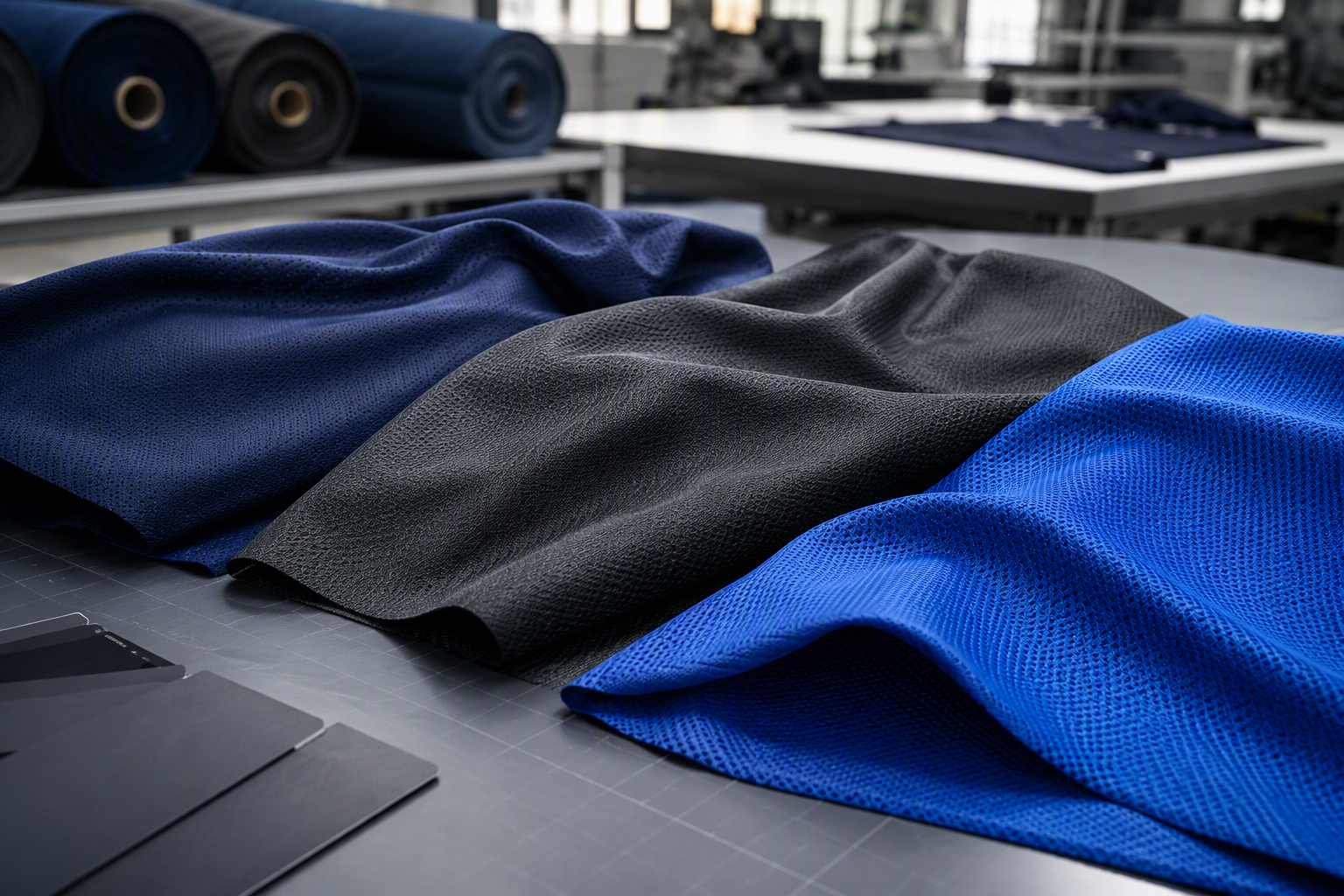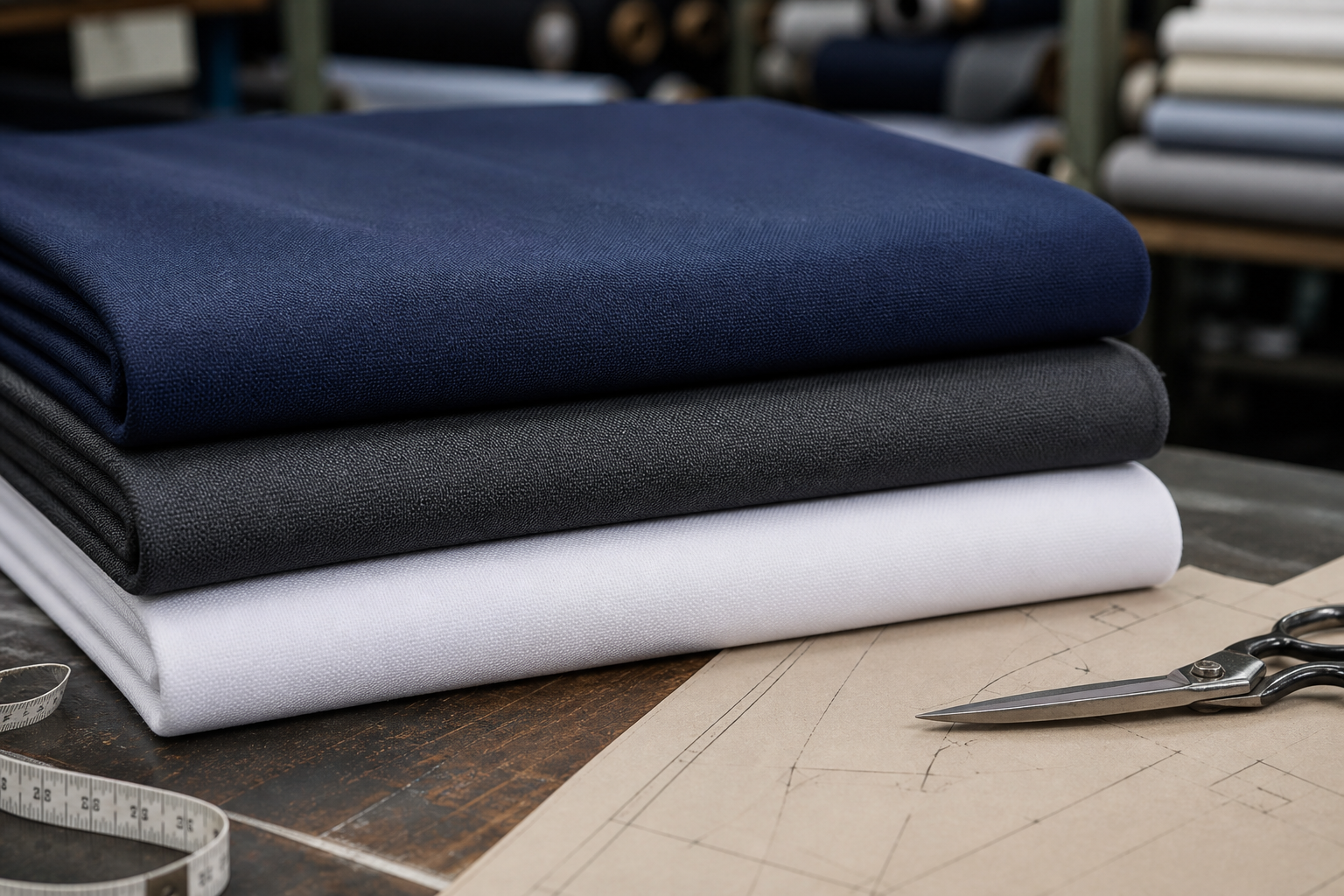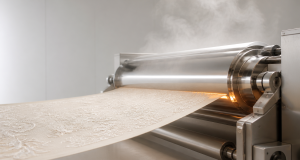
Fabric roll winding tension is the force applied as decorative fabric is wound onto a roll, and it decides whether the roll stays straight or telescopes. Buyers control it because loose winding causes telescoping, while tight winding causes creases and edge curl. The right tension keeps the roll stable from the mill to the cutting table. This guide explains the causes, the checks, and the fields to approve.
Key Takeaways
- Winding tension controls roll shape and fabric condition.
- Loose winding lets layers slide and the roll telescope.
- Tight winding leaves creases and permanent fold lines.
- Tension should taper as the roll diameter grows.
- Check roll straightness and hardness on arrival.
- Write a winding standard into the order spec.
What Is Fabric Roll Winding Tension?
Fabric roll winding tension is the pull applied to the fabric as it passes onto the roll core. The winder controls this pull, so the layers sit at an even firmness. Therefore, the roll keeps its shape during storage and transport.
Tension is not constant. It should taper as the roll grows, because a large diameter adds its own pressure. In addition, the correct setting depends on the fabric weight and surface.
Why Winding Tension Matters for Decorative Rolls
Telescoping is the main fault. When layers are loose, the roll slides sideways and the ends push out like a telescope. Moreover, a telescoped roll is hard to unwind, and the outer layers crease during handling.
Tight winding causes a different loss. In addition, hard pressure leaves permanent fold lines and crushes raised decoration. As a result, the fabric cannot be sold as first quality, even though the base measures correct.
How to Control Winding Tension: Step-by-Step
Set the winder, then verify the roll before it ships.
- Confirm the core diameter and the roll length for the order.
- Set a baseline winding tension for the fabric weight.
- Taper the tension as the roll diameter increases.
- Keep the fabric edges aligned during winding.
- Inspect the first metres for creases and edge curl.
- Check roll straightness and hardness before packing.
- Record the tension setting and the roll code.
Comparison Table: Winding Fault vs Cause
Use this table to trace a fault, then correct the winder.
| Fault | Likely cause | Correction |
|---|---|---|
| Telescoping ends | Winding tension too loose | Raise baseline tension |
| Hard fold lines | Winding tension too tight | Lower tension and taper |
| Edge curl in the roll | Misaligned edges | Guide the fabric edges |
| Uneven roll hardness | No taper control | Add taper to the winder |
Procurement Checklist: Winding and Roll Fields
- Core diameter and core material.
- Roll length and gross weight.
- Winding tension setting.
- Taper profile for the roll size.
- Maximum roll hardness allowed.
- Roll straightness tolerance.
- Approved roll sample reference.
How Buyers Verify Rolls with a Supplier
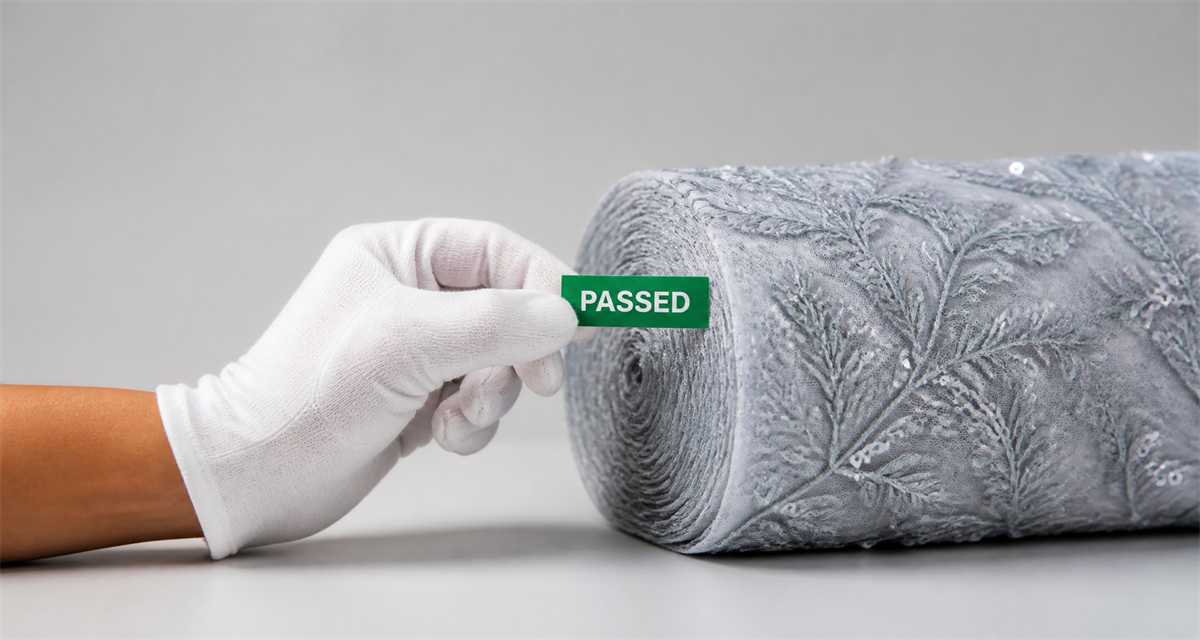
Ask the supplier to record the winding tension and to photograph the roll ends before packing. Then check straightness and hardness when the goods arrive. In addition, compare the first metres against a flatness sample you already approved.
For related reading, see our guides on decorative fabric roll core diameter and decorative fabric roll length. You can also review decorative fabric packaging standards before you finalise the order.
Common Fabric Roll Winding Tension Mistakes
Winding at one tension from core to surface is the first mistake. A large roll adds its own pressure, so a flat setting leaves the outer layers too hard. Therefore, taper the tension as the diameter grows.
Ignoring the core is another common error. A soft or undersized core bends under load, so the roll telescopes even when the tension looks correct.
Letting edges wander is a third mistake. When the fabric edges are not aligned, the roll bulges on one side and creases on the other during transport. Consequently, guide the edges at the winder.
Finally, many buyers never measure roll hardness. Without a reading, the first sign of a problem is a crushed or telescoped roll on arrival.
Fabric Roll Winding Tension: Cost, Sampling, and Lead-Time Factors
Winding faults cost a full roll, not a single metre. A telescoped or creased roll may be rejected, so the loss is high.
Sampling protects the order. When the supplier records the tension and photographs the roll ends, the buyer can approve the winding before shipment.
| Cost factor | Effect on price | Buyer action |
|---|---|---|
| Rejected telescoped rolls | High | Set a winding standard |
| Core upgrade | Low | Specify a firm core |
| Creased outer layers | High | Taper the tension |
| Repacking on arrival | Medium | Check hardness before packing |
How to Run a Roll Check Before Shipment
A roll check is fast, and it prevents a costly rejection at the destination.
- Confirm the core diameter and roll length.
- Set the baseline winding tension for the fabric weight.
- Taper the tension as the diameter grows.
- Align the fabric edges during winding.
- Check roll straightness and hardness.
- Photograph the roll ends for the order file.
- Approve the roll before packing.
Storage and Transport Conditions
Storage shape matters as much as the winding. Rolls stored upright on a hard floor can settle, so use a soft pad or a cradle. In addition, keep rolls away from direct sun and damp.
During transport, sudden movement lets layers slide, so brace the rolls inside the container. Moreover, avoid stacking heavy rolls on light ones.
For surface-decorated fabric, these steps protect the raised texture from crushing and the ends from damage.
Roll Data and Order Documentation
A simple roll record helps both sides. It links each roll to its dye lot and its winding setting, so any fault is easy to trace.
- Core diameter and material
- Roll length and gross weight
- Winding tension and taper profile
- Maximum roll hardness allowed
- Roll straightness tolerance
- Approved roll sample reference
Standard orders start at 200 yards per color, and the roll standard should be agreed before the first roll is wound.
Working with a Supplier on Roll Quality
Ask the supplier to state the winding setting in writing and to keep a reference roll photo. Then every shipment can be compared with the approved standard.
In addition, agree a simple arrival check. Straightness and hardness take a minute to read, yet they catch most winding faults early.
With a tapered tension and an agreed core, decorative rolls arrive straight, crease-free, and ready to cut.
How to Compare Two Supplier Roll Reports
Two suppliers can wind the same fabric and produce very different rolls. Therefore, ask both to use the same core and to record the same tension profile. In addition, request a photo of the roll ends before packing.
A clear report names the core diameter, the roll length, and the taper used from core to surface. Moreover, it records the roll hardness reading. As a result, you can judge both rolls against one standard.
When the rolls differ, check the core first, then the tension. A soft core bends under load and lets the layers slide, which starts a telescope even when the tension is correct. Consequently, specify a firm core for every bulk roll.
Finally, keep one approved reference roll photo on file. A quick visual match catches most winding faults before a container is loaded.
Final Roll Check on Arrival
A short arrival check protects the cutting room. Read the straightness and hardness of each roll, then open the first metres for a flatness check.
- Core diameter and material
- Roll length and gross weight
- Winding tension and taper profile
- Roll hardness reading
- Approved roll sample reference
Source direct on Alibaba - request bulk pricing, specifications, and production details in one place.
View Yunfan Textile on AlibabaFAQ
What causes a telescoped fabric roll?
Loose winding tension lets the layers slide sideways, so the roll ends push out during handling.
Can tight winding damage fabric?
Yes. Excess tension leaves hard fold lines and can crush raised decoration on the roll.
Should winding tension stay constant?
No. Taper the tension as the roll diameter grows, so the pressure stays even.
How do I check a roll on arrival?
Check straightness, hardness, and the first metres for creases and edge curl.
Conclusion: Wind the Roll to a Standard
Fabric roll winding tension decides the roll shape and the fabric condition. Therefore, set a tapered tension, align the edges, and check the roll before packing. Then decorative rolls arrive straight, clean, and ready to cut.
Request Sequin Fabric Samples
Send your fabric type, target GSM, color reference, and order volume. Our team will prepare a sample set for review before you commit to bulk.
Yunfan Textile B2B Contact
Contact: Morris
Email: morris@yunfantextile.com
WhatsApp: +86 156 3752 5803
WhatsApp: +86 175 1619 6727