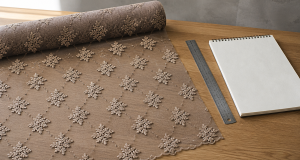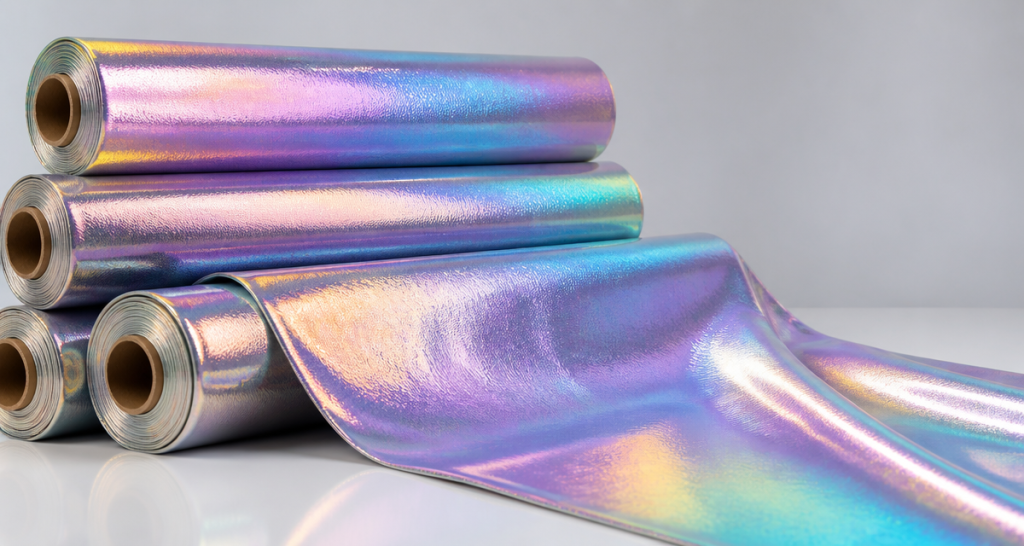
Decorative fabric roll core diameter is the inner tube size that carries a decorative roll through winding, storage and machine feeding. Most decorative rolls ship on a 76 mm (3 inch) core, while lighter or narrower styles often use a 38 mm (1.5 inch) core. Buyers should confirm the decorative fabric roll core before bulk, because a wrong tube creates oval rolls, crushed faces and feeding faults. This guide shows how to specify, test and approve core diameter for a B2B order.
Key Takeaways
- Core diameter is the inside measurement of the tube, not the outside of the roll.
- Standard decorative rolls use 38 mm (1.5 in) or 76 mm (3 in) cores.
- Tube material and wall thickness matter as much as the diameter itself.
- A wrong core causes oval rolls, creased faces and unwinding faults.
- Write the core specification into the purchase order before bulk.
- Test core crush strength on the first production rolls, not only on samples.
What Is Decorative Fabric Roll Core Diameter?
Decorative fabric roll core diameter is the measurement taken across the inside of the cardboard or plastic tube at the centre of a roll. Moreover, it is the number that decides which machine spindle, rack or unwinding arm can hold that roll. The measurement is always taken inside the tube. For example, a 76 mm core often measures about 82 mm on the outside once wall thickness is counted. Therefore, buyers should state the inside figure and its tolerance together.
A core is not just a carrier. In practice, it is a structural part of the roll. It resists the winding tension, the stacking load and the pull of the unwinding arm. Consequently, core quality changes how a roll behaves on the cutting table and on the sewing floor.
Why Decorative Fabric Roll Core Diameter Matters for Bulk Buyers
Core diameter drives four practical outcomes in a B2B order. First, it sets roll stability. A small core on a heavy fabric produces an oval roll that collapses in storage. Second, it sets machine compatibility. Many spreaders, unwinders and inspection frames accept only one spindle size.
Third, core diameter changes packing density. A larger core leaves more empty space inside every roll, so fewer rolls fit on a pallet. Fourth, it affects handling weight. A heavier core adds to the gross weight of each carton. As a result, the choice touches cost, freight and production flow at the same time.
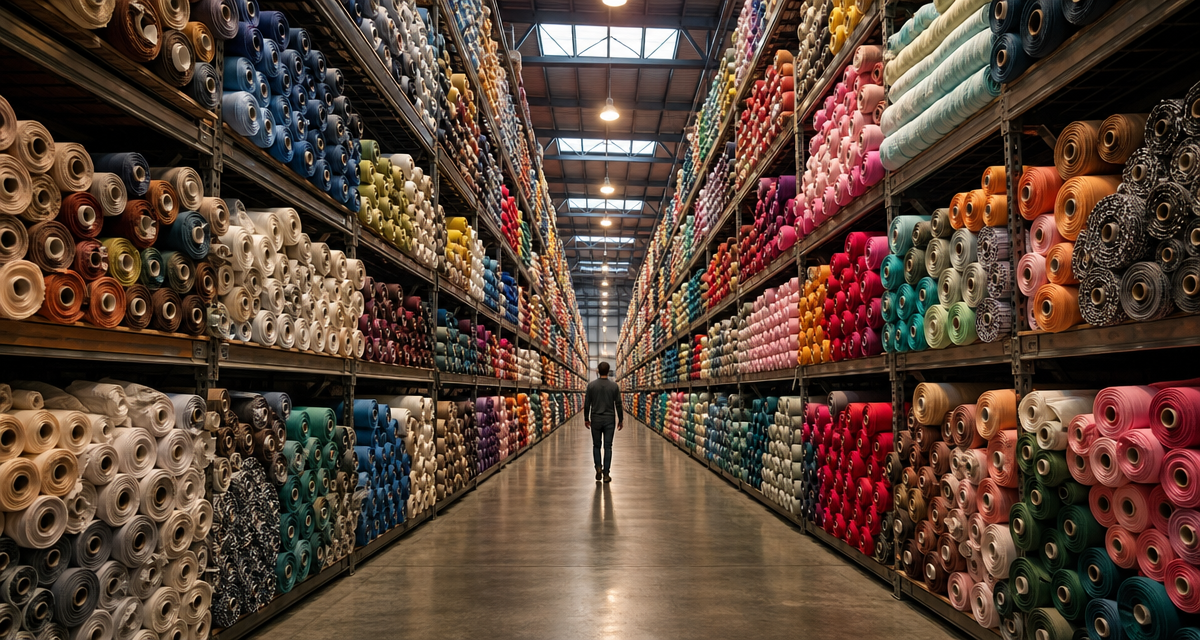
Standard Decorative Fabric Roll Core Sizes
| Core size | Typical use | Practical roll weight | Watch point |
|---|---|---|---|
| 38 mm (1.5 in) | Light mesh, sheer and narrow decorative styles | Up to about 15 kg | Can bend on heavy styles |
| 76 mm (3 in) | Most decorative, sequin and embroidered rolls | Roughly 20 to 45 kg | Needs correct spindle adaptor |
| 152 mm (6 in) | Very heavy or wide industrial rolls | Above 45 kg | Fewer rolls per pallet |
| Custom plastic core | Repeated wet or humid handling | Varies by wall thickness | Higher tooling lead time |
The table above is a starting point, not a rule. However, it helps a buyer ask the right question in the first enquiry. Similar roll formats appear in our guide to decorative fabric roll inspection.
How to Test and Approve Decorative Fabric Roll Core Diameter Before Bulk
Use a short, repeatable sequence. It takes minutes per roll and prevents weeks of rework.
- Measure the inside diameter with a caliper at both ends and at the middle of the tube.
- Record the wall thickness for each reading, since thin walls crush under load.
- Weigh one full roll and note the gross weight against the packing list.
- Stand the roll on its end for ten minutes and check for visible oval distortion.
- Load the roll onto the buyer's own spindle or unwinding arm during a trial run.
- Pull two metres at normal line speed and watch for jerking, slipping or telescoping.
- Photograph the core, the readings and the roll face, then attach them to the approval sheet.
After that, compare the readings against the tolerance band agreed in the specification. If any roll fails, quarantine the batch and request a re-wind rather than accepting a discount.
Purchasing Checklist: Decorative Fabric Roll Core Fields to Confirm
- Inside core diameter, in millimetres and inches
- Accepted tolerance, for example plus or minus 1 mm
- Tube material: cardboard, kraft, plastic or recycled board
- Wall thickness in millimetres
- Maximum roll weight the core must carry
- Roll length and fabric width per roll
- Core end treatment, such as capped, sealed or plain
- Label position and label content on the core
- Pallet pattern and rolls per pallet
- Moisture protection for sea freight
Moreover, keep this list in the specification sheet and repeat it on every purchase order. It also links to the yield figures explained in fabric width and usable yield.
Comparing Core Options for Decorative Rolls
| Factor | 38 mm core | 76 mm core | 152 mm core |
|---|---|---|---|
| Roll stability | Low on heavy fabric | High | Very high |
| Spindle fit | Light frames only | Widest machinery support | Industrial frames |
| Fabric per pallet | Highest | Balanced | Lowest |
| Handling weight | Lightest | Moderate | Heaviest |
| Best for | Sheer and light decorative styles | Most B2B decorative orders | Heavy contract and drapery rolls |
Common Core Problems and How to Fix Them
Oval rolls usually mean a thin wall or too much winding tension. Therefore, increase wall thickness or reduce tension before the next run. Crushed cores often come from stacking rolls flat instead of standing them upright. In addition, telescoping points to uneven tension across the width, which is a winding fault rather than a core fault.
Spindle wobble usually means the core diameter sits outside tolerance. Meanwhile, loose fabric at the roll face suggests the core is undersized for the roll weight. Finally, moisture softens cardboard cores in transit, so add a moisture barrier and confirm the packing method. Our guide to packing and shipping decorative fabric covers that step in detail.
FAQ: Decorative Fabric Roll Core Diameter
What is the most common decorative fabric roll core diameter?
The 76 mm (3 inch) core is the most common choice for decorative rolls. It fits most industrial spindles and stays stable under typical roll weights.
Can I request a custom decorative fabric roll core?
Yes. Plastic cores and non-standard sizes are possible, but they usually add tooling time. Therefore, confirm the lead time before you lock the order schedule.
Does core diameter change the fabric price?
It can. A larger core reduces metres per roll for the same outside diameter, and a heavier tube raises freight weight. In practice, always compare price per metre, not price per roll.
How do I check core diameter on arrival?
Take three inside readings per roll, check the wall thickness and compare the results with the approved tolerance. Then record the result in the inspection report.
Core Diameter and Full Roll Diameter: What Buyers Confuse
Core diameter and full roll diameter are different numbers, and mixing them up causes disputes. The full roll diameter is measured across the outside of the wound fabric, from edge to edge. Meanwhile, the core diameter is measured inside the tube at the centre. For example, a roll may sit at 300 mm outside with a 76 mm core inside.
That difference matters for two reasons. First, freight and pallet planning use the full roll diameter. Second, machinery compatibility uses the core diameter. Therefore, a specification sheet should carry both figures, plus the roll length in metres. In addition, note the fabric width, because width plus roll diameter plus core size together define the shipping volume.
Buyers also confuse inner tube size with winding tension. A tight wind on a thin core produces a hard, oval roll that will not sit flat on an inspection table. Consequently, the core specification should always ship with a winding tension instruction, not on its own.
Matching Core Choice to Decorative Fabric Styles
Light sheer and mesh decorative styles tolerate a 38 mm core well, because the roll stays light. Medium decorative styles, including most sequin and embroidered rolls, behave best on a 76 mm core. Heavy drapery and contract styles generally need a 152 mm core with a thick wall.
Moreover, humidity and sea freight change the answer. Cardboard cores soften in damp conditions, so a plastic core or a moisture barrier is worth the extra cost on long routes. Similarly, repeat orders should reuse the same core size, because a change mid-season forces the buyer to re-test every downstream machine.
As a result, the safest approach is one approved core standard per fabric family. Then every purchase order repeats that standard, and every incoming roll can be checked against a single reference. If you need help comparing options, our team can review your roll specification and suggest a core standard that fits your pallets and your machines.
Conclusion: Put the Decorative Fabric Roll Core in Writing
Core diameter looks like a small packing detail. However, it decides roll stability, machine fit and freight efficiency across a whole order. Therefore, define the inside diameter, tolerance, material and wall thickness in writing. Then verify the first rolls against that document before the balance of the order ships.
Source decorative fabric rolls with a confirmed core specification
Compare core diameter, tube material, roll length and packing options in one place.
Request Sequin Fabric Samples
Send us your core specification, roll size and target fabric, and we will prepare a sample set for review.
Yunfan Textile B2B Contact
Contact: Morris
Email: morris@yunfantextile.com
WhatsApp: +86 156 3752 5803
WhatsApp: +86 175 1619 6727