Decorative fabric shipping is where a well-made order can still go wrong: the rolls are beautiful at the factory, and they arrive creased, damp, snagged or impossible to identify. Therefore, a B2B buyer should plan decorative fabric shipping together with the supplier before the goods leave the factory, covering roll protection, moisture control, labelling, carton details, pre-shipment inspection and the document set. This guide separates what the factory must do from what you should confirm, so nothing important depends on memory.
However, every order is different — the packing method that suits a short-run sample parcel is not the same as the one used for full rolls of sequin or embroidered fabric. In practice, the steps below work as a checklist: adapt them to your fabric construction, your destination and the transport option your freight forwarder recommends.
Choose the Packing Format: Rolled or Folded
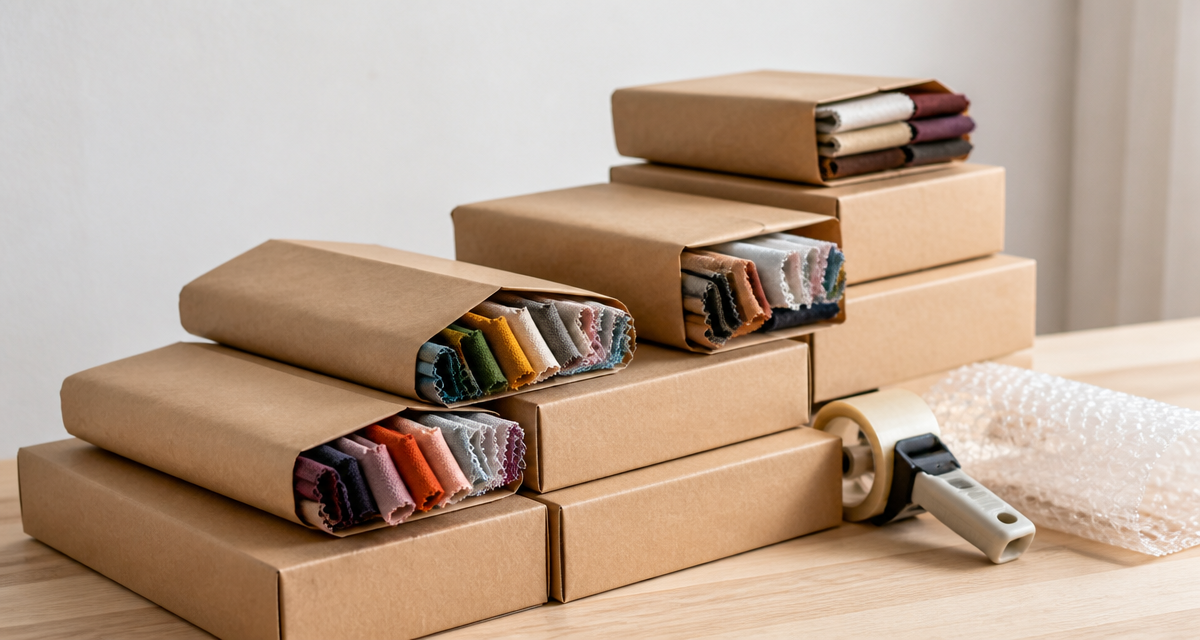
The first decision is whether the fabric travels rolled or folded. Rolled packing is the usual choice for decorative fabrics because it protects the surface and keeps the fabric easy to re-inspect. Folded packing is sometimes used for heavy or very long panels, but every fold creates a pressure line that can crush sequins or flatten embroidery over a long journey.
Rolled packing
Ask the factory to wind the fabric with the face inward or protect the face with paper, and to keep the tension even so the roll does not distort during handling. The core should be strong enough to support the weight of the roll without collapsing, and the roll ends should be protected against crushing during loading.
Folded packing
If folded packing is unavoidable, agree on the fold length, the use of tissue between folds and the maximum layers per carton. However, confirm with the supplier that the fabric construction tolerates folding; some sequin and heavy embroidery fabrics should not be folded for long transit. For a quick comparison of the two formats, use this table when you talk to the factory:
| Packing aspect | Rolled | Folded |
|---|---|---|
| Surface protection | Better; face can be protected inward | Depends on tissue and layering between folds |
| Space in carton | Needs length to fit the full roll width | More compact for long panels |
| Risk with sequin fabric | Lower; fewer crease and pressure lines | Higher if folds press sequins for weeks |
| Re-inspection after arrival | Easy; can unroll and re-roll | Possible, but creases may remain |
| Carton dimension planning | Must match roll diameter and width | Must match fold length and stack height |
Roll Protection and Edge Care
Most transit damage to decorative fabric happens at the roll edges, where the fabric meets the carton wall. Wrap the roll ends with protective material, keep the rolls off the direct floor of the carton with padding, and make sure rolls cannot rub against each other during loading. For example, two rolls that touch for a whole voyage can chafe both surfaces, so separate each roll with a protective layer.
In addition, protect the fabric face against snagging. Sequin and beaded fabrics should never be packed face against a rough carton surface; add a smooth protective wrap between the fabric and the carton. If your order includes multiple qualities, our guide to choosing wholesale decorative fabric for custom collections explains how different constructions need different care.
Moisture Control and Protective Wrapping
Decorative fabrics are sensitive to moisture: condensation inside a container can stain the outer layers of a roll or cause mildew on the base textile before the buyer ever opens the carton. Therefore, agree with the factory on a moisture-control plan in writing, including the wrapping material, and do not rely on the container alone to keep the goods dry.
- Wrap each roll or fold in a protective layer before packing.
- Use an inner lining inside the carton where the fabric is moisture-sensitive.
- Ask whether desiccant is placed in the carton and confirm the quantity and placement.
- Record the packing date and the storage conditions before sealing.
- Keep the packed cartons in a dry warehouse area, off the floor, until loading.
However, the right moisture-control method depends on the fabric, the season and the route, so confirm the plan with your supplier for each order instead of copying a previous shipment. Never accept a moisture guarantee based only on a verbal promise; request it in the packing specification.
Labelling, Batch Traceability and Carton Details
When several qualities ship in one container, clear labelling decides whether your warehouse can put the goods away in an afternoon or spends a week guessing. The factory should mark each roll and carton with the style code, colour, quantity, batch or lot number and any shipping marks you provided. In addition, agree on the position of the marks so they are visible without opening the carton.
What should the label contain?
- Your order number and the style or article code
- Colour name or code exactly as written on the purchase order
- Roll or carton number and total quantity in the carton
- Batch or lot number for traceability to production
- Shipping marks and destination wording as agreed
- Handling symbols if the fabric needs special care
Next, confirm the carton specifications with the supplier: carton size matched to the roll dimensions, weight limits that suit the transport option, and stacking strength for the planned number of layers. A carton that is too large lets rolls move; one that is too small crushes the roll ends.
Pre-Shipment Inspection: Factory Tasks and Buyer Confirmations
Packing quality should be inspected before the cartons close, because once the goods are sealed, most problems are only discovered at destination. Split the responsibility clearly:
What the factory should do
- Pack strictly according to the agreed packing specification.
- Check the moisture-control materials are placed correctly.
- Apply labels and batch numbers to every roll and carton.
- Photograph the packing steps and the sealed cartons.
- Prepare the packing list with roll numbers and quantities.
What you should confirm
- When the pre-shipment inspection will happen and who attends it.
- That the inspection covers packing, not only fabric quality.
- The exact wording of shipping marks and documents.
- The document set and who delivers each document to the forwarder.
- The procedure if the inspection finds a problem, before the goods leave.
However, an inspection report is only useful if you compare it with the actual goods at destination. Keep the inspection photos and the roll numbers so your receiving team can verify the delivery, similar to the discipline described in our sequin fabric inspection points for bridal and stagewear orders.
Transport Conditions and Arrival Checks
Transport conditions vary by route and season, so ask your freight forwarder to confirm the practical options instead of assuming one standard applies to every shipment. Confirm how the goods will be loaded, whether they will share space with other cargo, and what temperature and humidity conditions are expected on the route.
When the goods arrive, check the cartons before you sign the receipt: look for water stains, crushed corners and opened cartons, and photograph anything unusual. Then open the cartons and compare the roll numbers and quantities with the packing list before you inspect the fabric itself. In practice, a fast, documented arrival check protects your right to claim against the carrier, so agree with the supplier in advance on the reporting window and the evidence required.
Decorative Fabric Shipping Document Checklist
Prepare this document list with the factory and the forwarder before loading, and confirm who sends each document:
- Commercial invoice matching the purchase order
- Packing list with roll numbers, carton numbers and quantities
- Bill of lading or airway bill with the agreed shipper and consignee details
- Inspection report or certificate if a third party attended
- Shipping marks confirmation and any destination-specific forms
- Photos of packing and sealed cartons as a reference record
For example, a missing roll number on a packing list can delay a whole container at customs or cause a false short-shipment claim. Therefore, review the document set once before loading and once after the forwarder issues the transport documents.
Decorative Fabric Shipping FAQ
Who is responsible if decorative fabric arrives damaged?
It depends on where the damage happened. Damage caused by poor packing is usually discussed with the factory, while damage caused during transport is a carrier claim. However, the evidence is the same in both cases: photos of the cartons before opening, the packing list, and the inspection report. Therefore, document the condition of every delivery at arrival.
Should sequin fabric be shipped rolled or folded?
Rolled packing is generally safer for sequin fabric because it avoids long pressure lines across the sequins and keeps the face protected. If a folded format is required for space reasons, confirm with the supplier that the article tolerates folding and use protective layers between folds. In addition, ask the supplier to confirm the recommendation for your specific article in writing.
What documents do I need for a B2B fabric shipment?
At a minimum you need the commercial invoice, the packing list and the transport document, plus any destination-specific forms your forwarder identifies. The exact set depends on the destination and the transport mode, so confirm it with the forwarder before loading. Next, check that the shipping marks and quantities on the documents match the labels on the cartons.
B2B Bulk Orders & Wholesale Pricing
Explore Our Full Sequin & Decorative Fabric Range
Visit Our Alibaba Store →Request Sequin Fabric Samples
Before you finalize your packing and shipping plan, confirm the fabric construction and the sample quality first. Send us your intended use and destination, and we will arrange samples together with the packing details that apply to your order.
Wendy Jessie
+86 156 3752 5803
+86 175 1619 6727
morris@yunfantextile.com
morris@yunfantextile.com