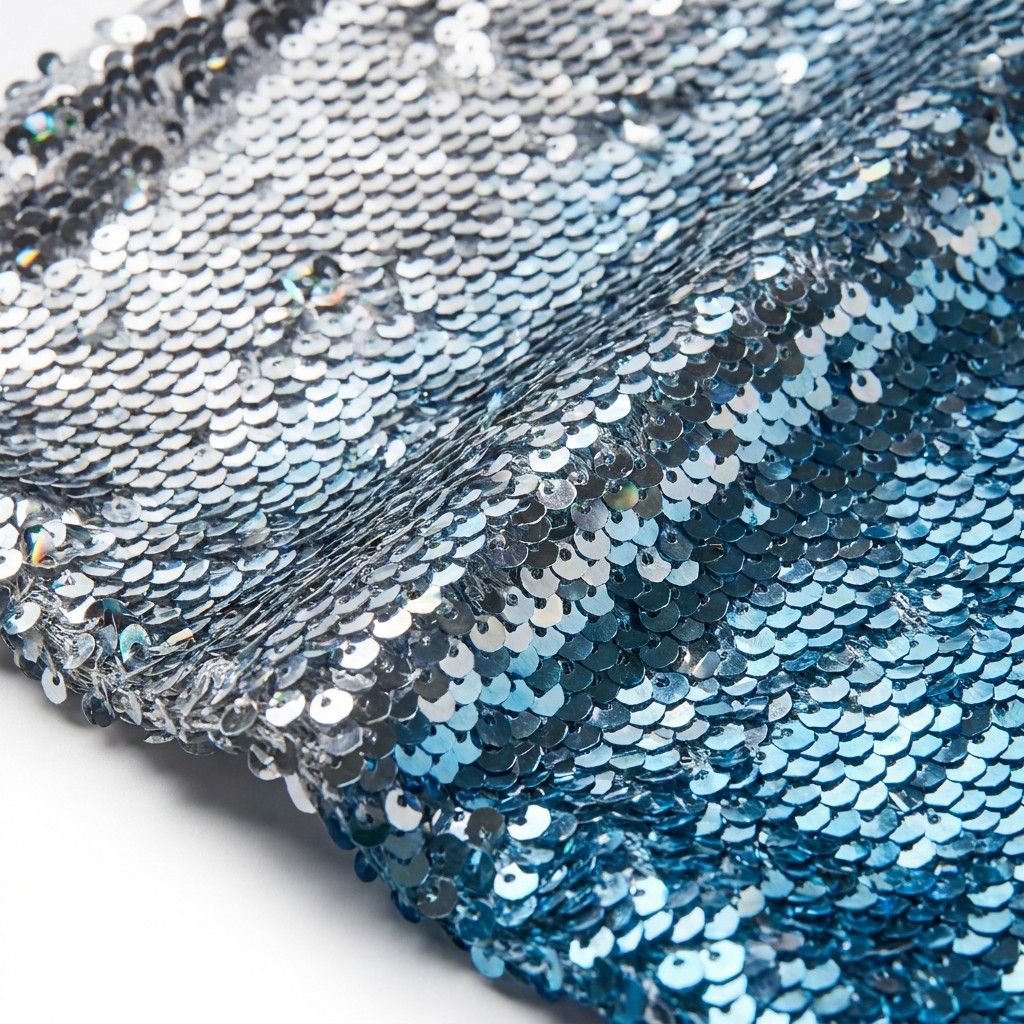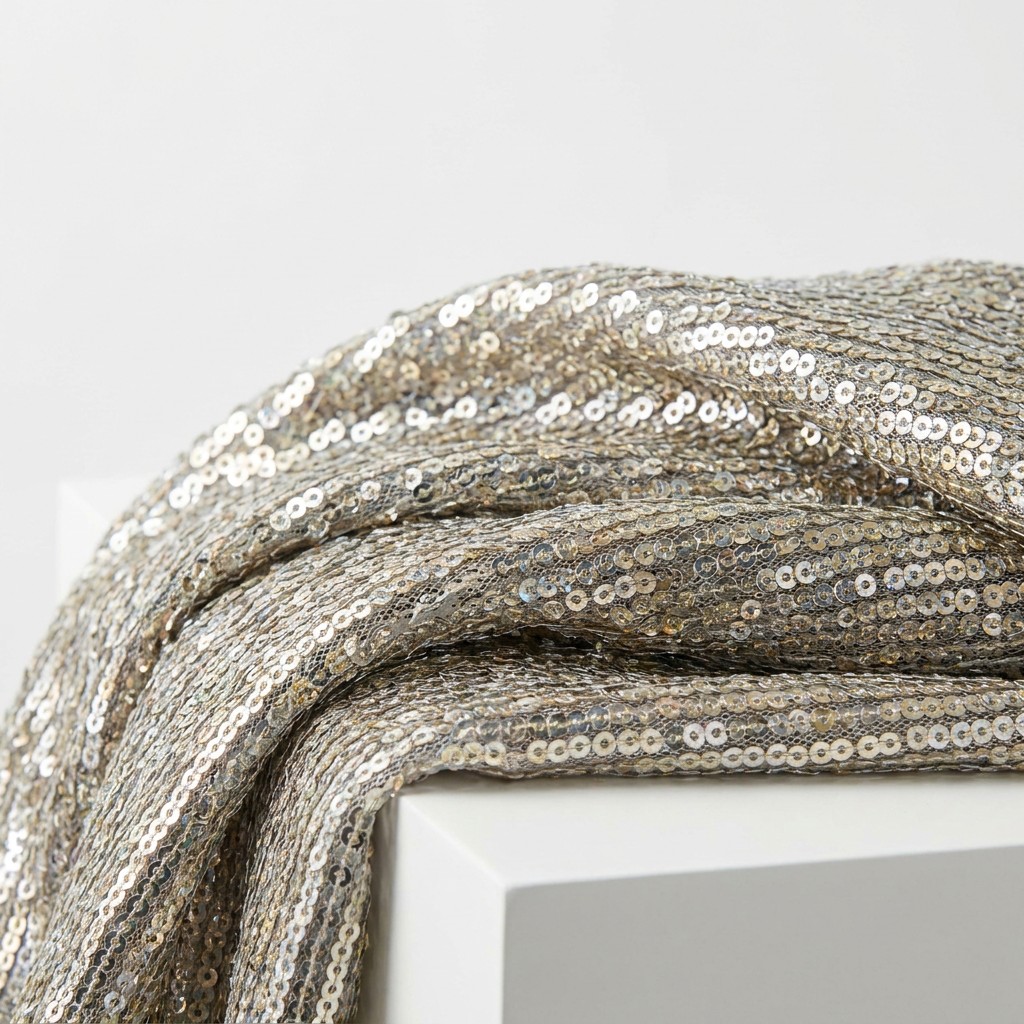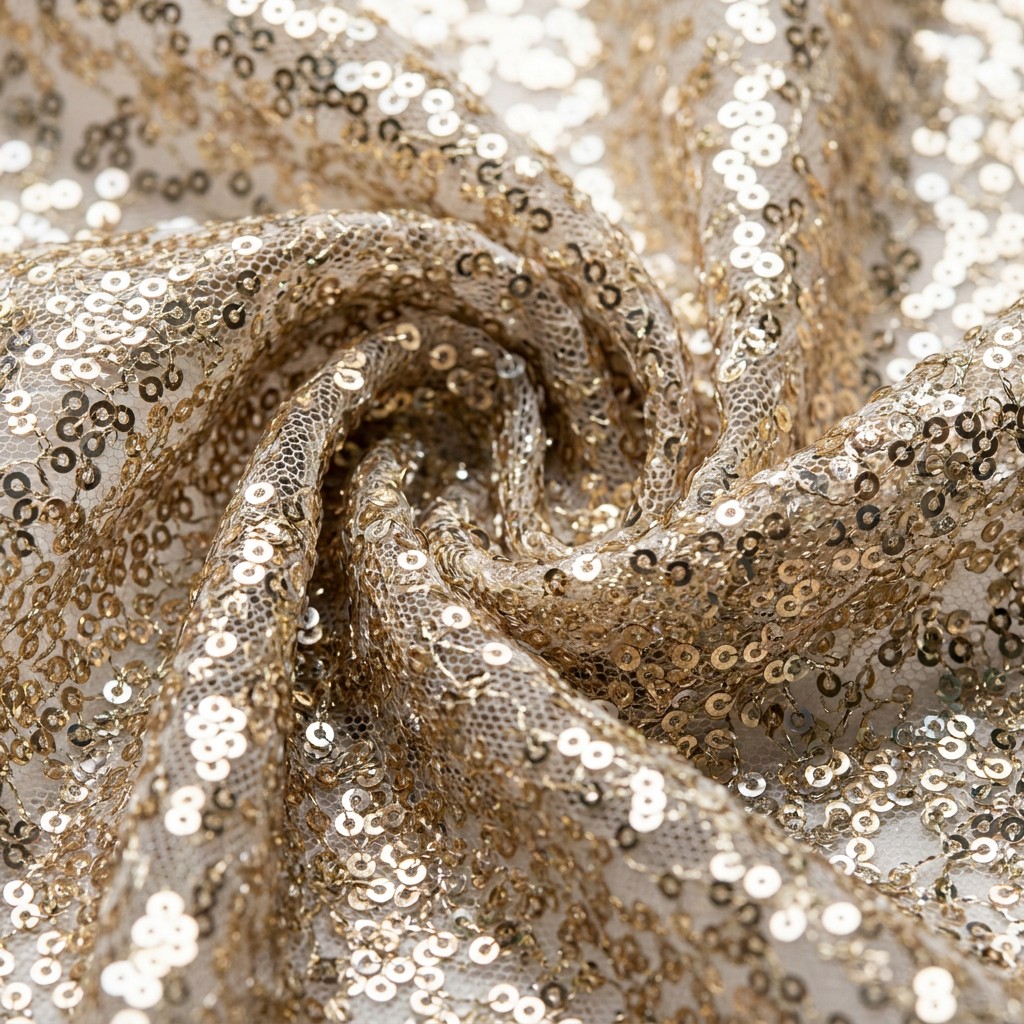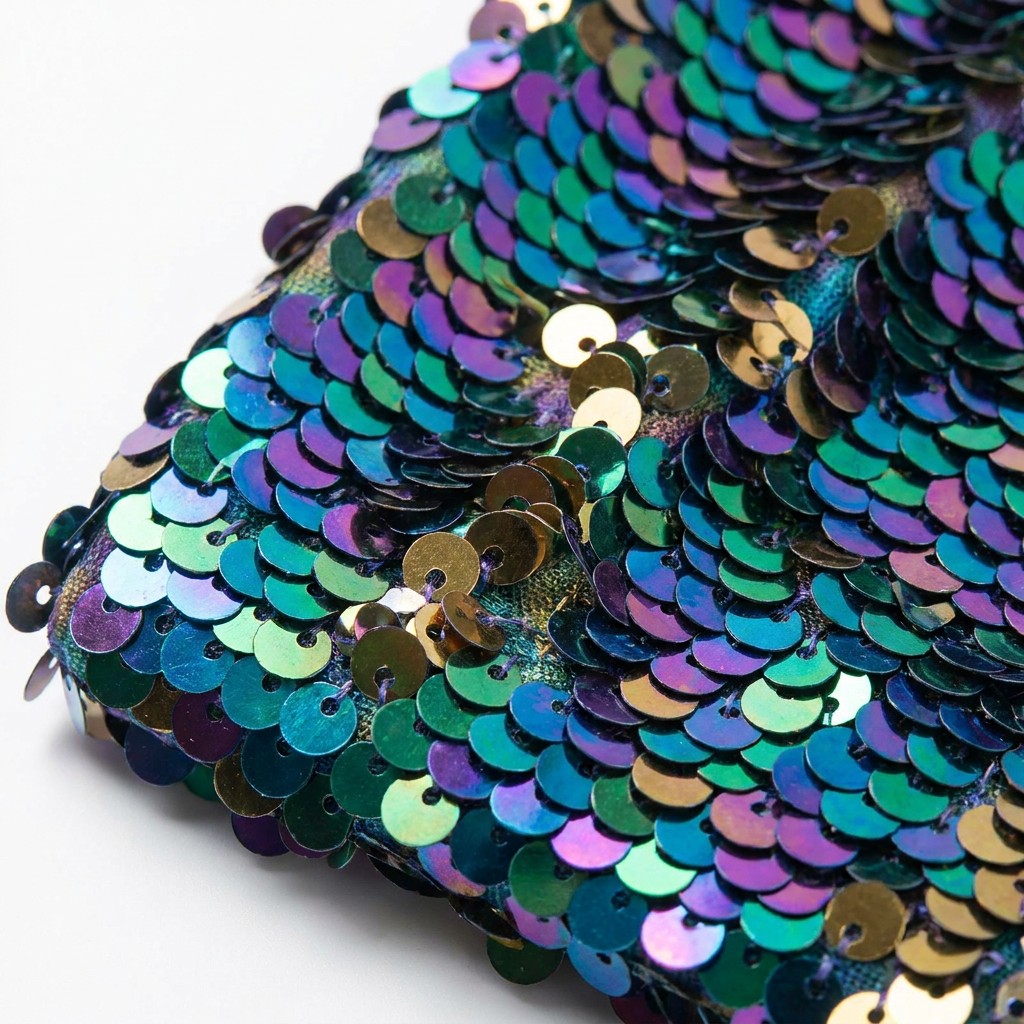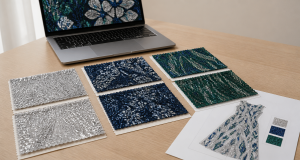
Sequin fabric inspection for bridal and stagewear orders must start with the end garment, not the fabric alone: bridal pieces need controlled drape, low transparency at the seams and clean edges for delicate trims, while stagewear must survive hard movement, strong lights and constant handling. Inspect physical samples before cutting and run a pre-shipment inspection against the same points before the goods leave the factory, because the two applications fail on very different defects.
This guide explains where bridal and stagewear priorities differ, which inspection points matter for each, and how to turn the results into a checklist your supplier can work from.
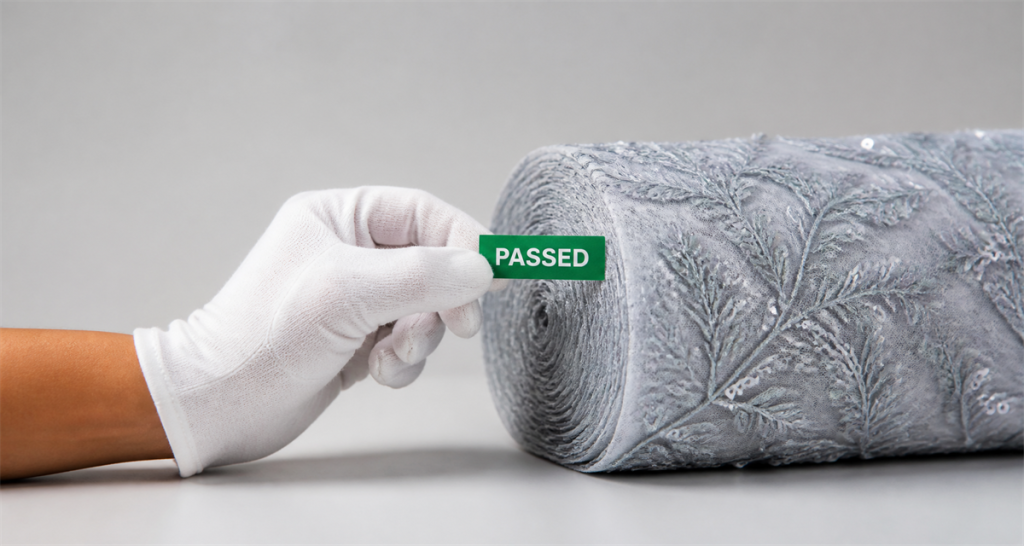
Why Bridal and Stagewear Need Different Inspection Priorities
A bridal skirt hangs still for hours under soft, warm light; a stage costume moves continuously under hot spotlights and gets packed, unpacked and repaired between shows. The same sequin fabric can pass for one application and fail for the other. Before you inspect anything, write down the end use, the lining plan and the lighting conditions, then build the inspection around those answers. The wholesale sequin fabric range for bridal and eveningwear and the decorative fabrics for stage and event projects are useful starting points when you are shortlisting constructions for each application.
Bridal vs Stagewear Inspection Comparison Table
| Inspection point | Bridal focus | Stagewear focus |
|---|---|---|
| Drape and weight | Soft, controlled fall for skirts and veils; weight must suit long wear | Body and movement; heavier decoration acceptable if the garment is supported |
| Transparency | Sheerness must be planned against lining; no see-through at seams under daylight | Transparency is often intentional, but must be even across panels under stage light |
| Sequin fixation | Low fall-out around fine trims and long seams | High resistance to rubbing, stretching and repeated dressing |
| Snagging and surface | No snagging against lace, buttons or jewellery during fitting | No surface damage from zippers, hooks or rigging during quick changes |
| Edges and selvedge | Clean edges for bias cutting and lace application | Stable edges for panel cutting and elastic or binding attachment |
| Colour under light | Checked in daylight and warm indoor light | Checked under strong spotlights; shimmer and base colour must read correctly |
| Sewing behaviour | Needle marks and skipped stitches visible on light grounds | Seam strength under stretch and repeated washing or dry cleaning |
| Packaging | Rolls protected from creasing and dust between fittings | Panel-friendly lengths and clear roll labels for fast cutting schedules |
Use the table as the discussion document with your supplier: ask for the fabric to be assessed against both columns when the end use is not yet fixed, and request a cutting of each candidate so the drape and fixation tests can be repeated on your side before any bulk commitment.
The checks below follow the order a production run follows: first the fabric behaviour, then the decoration, then how the fabric survives sewing and transport. Print the list and use the same version for the sample and the bulk inspection, so the two results stay comparable.
Core Inspection Points for Sequin Fabric Orders
Drape, weight and transparency
Hold a full-width length against the body or a dress form, because a 30 cm swatch cannot show how the fabric falls. For bridal, verify that the weight suits the silhouette and that sheer base fabrics will be fully controlled by the lining. For stagewear, confirm that stretch bases recover and that the sequin coverage does not make the fabric too rigid for the choreography.
Sequin fixation and fall-out
Run the same physical tests you would on a sample: flick the surface, fold and rub face to face, pull gently at cut edges, and shake the fabric over a light surface. However, stagewear should pass a stricter rub test than bridal, because costumes are handled far more aggressively. Therefore, if any acceptable level of loose sequins is agreed, write it into the inspection record before production.
Snagging, edges and sewing behaviour
Drag a zip pull, a ring and a sample of the planned trims across the surface to check snagging. In addition, examine the selvedge and cut edges for loose threads and curling, and sew a test seam on the actual fabric to confirm the right needle size and stitch density. Needle damage around sequins is a common defect that only appears once sewing starts, so check it on a trial seam, not on the flat fabric.
Colour consistency under light
Stage light changes how sequin fabrics read: base colour and sequin colour must be checked under strong direct light as well as daylight, because the two can appear to shift differently. For bridal, compare the whole roll batch under warm indoor light, where cream and ivory grounds most often show differences.
Sequin Fabric Inspection Checklist
| Check | How to test | Fail if |
|---|---|---|
| Drape and hand feel | Full-width length on a dress form or mannequin | Stiffer or more see-through than the approved sample |
| Sequin fixation | Flick, fold-and-rub, edge pull, shake test | Fall-out above the agreed level or visible shift |
| Snagging | Zip pull, trims and rings dragged over the surface | Pulls, broken threads or lifted sequins |
| Edges and width | Measure full roll width; inspect selvedge both sides | Width below spec or edges curling, torn or loose |
| Colour and batch | Compare rolls under the application's lighting | Shade difference visible between rolls |
| Sewing trial | Sew one seam with the planned needle and thread | Skipped stitches, needle damage or seam puckering |
| Packaging | Check roll cores, poly bags, labels and cartons | Creasing, moisture, missing labels or damaged rolls |
Inspecting Before Shipment: Make It a Written Step
However careful the first inspection, the goods can still change between the sample run and the finished rolls. Confirm that the supplier will run a final quality check against the approved sample, and agree whether you may arrange a third-party inspection or request photos and video of the rolls before release. A structured pre-shipment check is exactly what the pre-shipment inspection checklist for sequin fabric is designed to support, and the discipline in keeping quality consistent in repeat orders will help you set tolerances that survive both bridal and stagewear production runs.
Incoming Inspection After Delivery
The inspection story does not end at the factory. When the rolls arrive, repeat a short version of the same checks before you cut:
- Compare roll labels, widths and metre or yardage counts against the packing list.
- Unroll the head of each roll and check for damage, creasing or moisture from transport.
- Re-run a quick fixation shake test on fabric that travelled folded or tightly packed.
- Lay rolls from different batches side by side under the application light and check the shade.
Photograph any damage immediately and send it to the supplier with the roll number, so the claim procedure agreed in the quotation can start from clear evidence.
FAQ: Sequin Fabric Inspection
When should sequin fabric inspection happen?
Inspect at three moments: on the approved sample, on the bulk sample before production, and again before shipment against the approved reference. The pre-shipment check is the last point where a defect can be corrected at the factory instead of in your workshop.
How do I test sequin fixation on a fabric roll?
Flick the surface, fold and rub face to face, pull gently near a cut edge and shake the fabric over a light surface. Compare the result with the approved sample and agree any acceptable level in writing before the goods ship.
Why does bridal sequin fabric fail under stage light?
Base colour and sequin colour reflect light differently, and strong spotlights expose shade differences between rolls that are invisible in daylight. Check every roll under the lighting the garment will actually be seen in.
Can stagewear and bridal use the same sequin fabric?
Sometimes, but the inspection standard must change. A construction that drapes beautifully for a bridal skirt may lack the fixation and stretch recovery a costume needs, so confirm the end use before you set the inspection points.
How much of a sequin fabric order should I inspect?
Start with the head, middle and tail of several rolls across different batches, because defects cluster at roll ends and at set-up changes. Increase the sample size when the order mixes colourways or production batches.
Source Sequin Fabrics Directly for B2B Collections
Factory-direct sequin, embroidered and decorative fabrics for bridal, stage and event projects — compare constructions and inspection points before you commit.
Request Sequin Fabric Samples
Planning a bridal or stagewear collection? Send your end use, base fabric, sequin size, colour, width and estimated quantity through the official contact page, and the Yunfan Textile team will confirm which constructions suit your application and how physical samples and inspection references are arranged.
Send Your Inquiry Through the Yunfan Textile Contact Page
Yunfan Textile B2B Contact
Website: https://www.yunfantextile.com/
B2B Contact: Wendy Jessie
WhatsApp/WeChat: +86 156 3752 5803
WhatsApp/WeChat: +86 175 1619 6727
Email: morris@yunfantextile.com
Email: morris@yunfantextile.com