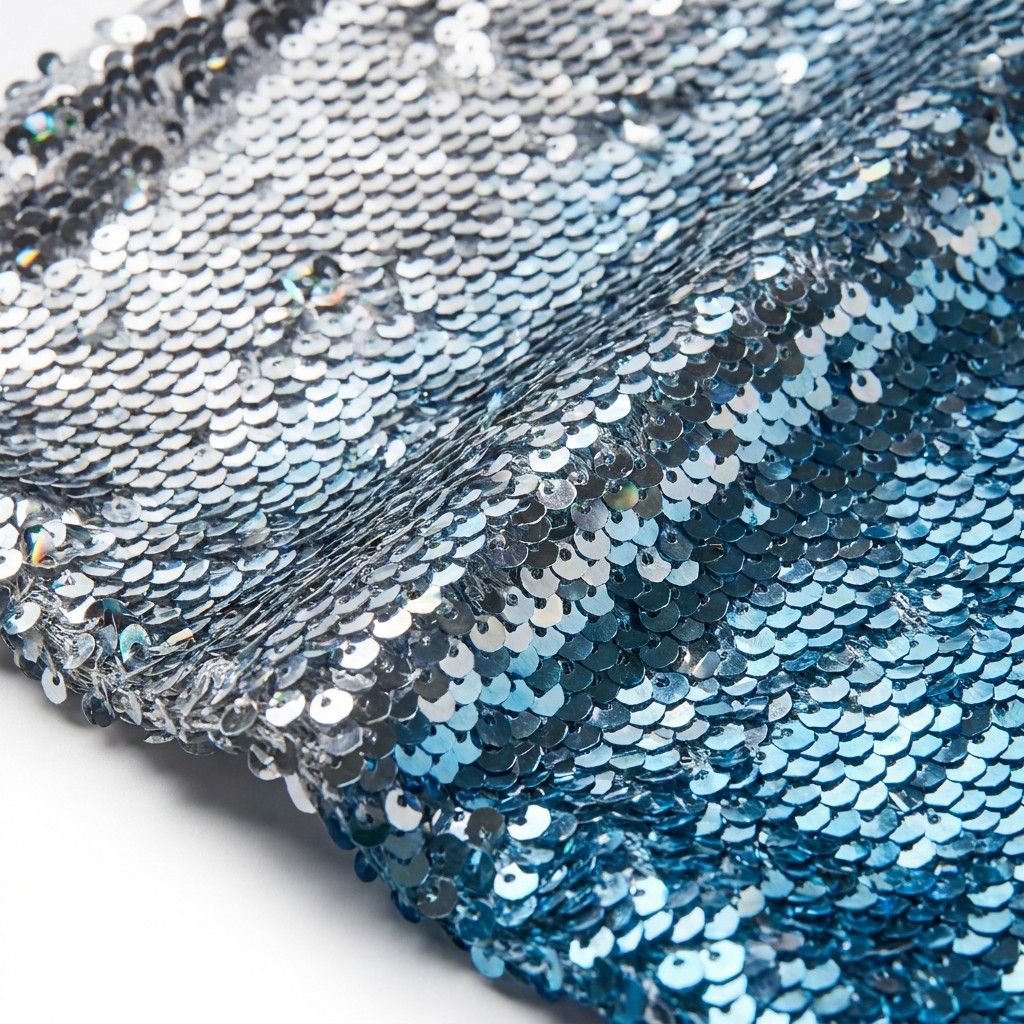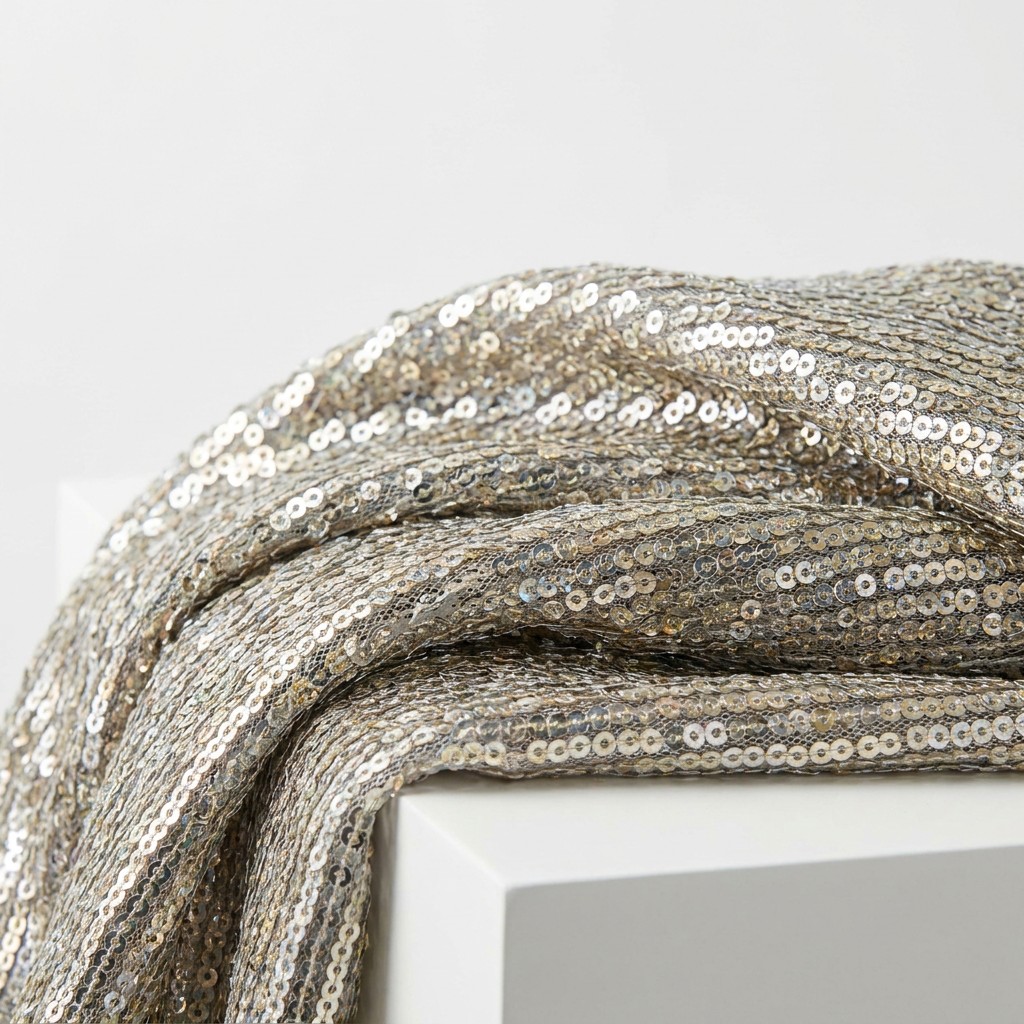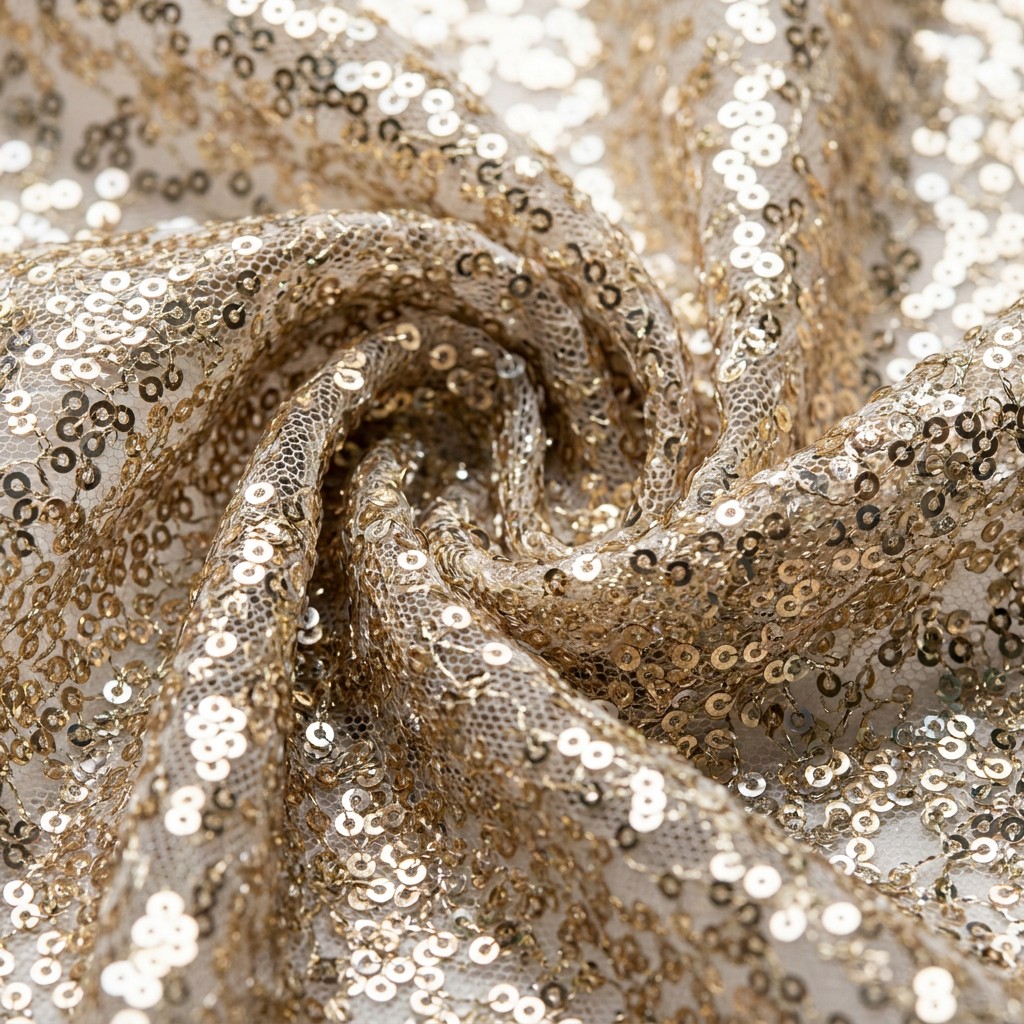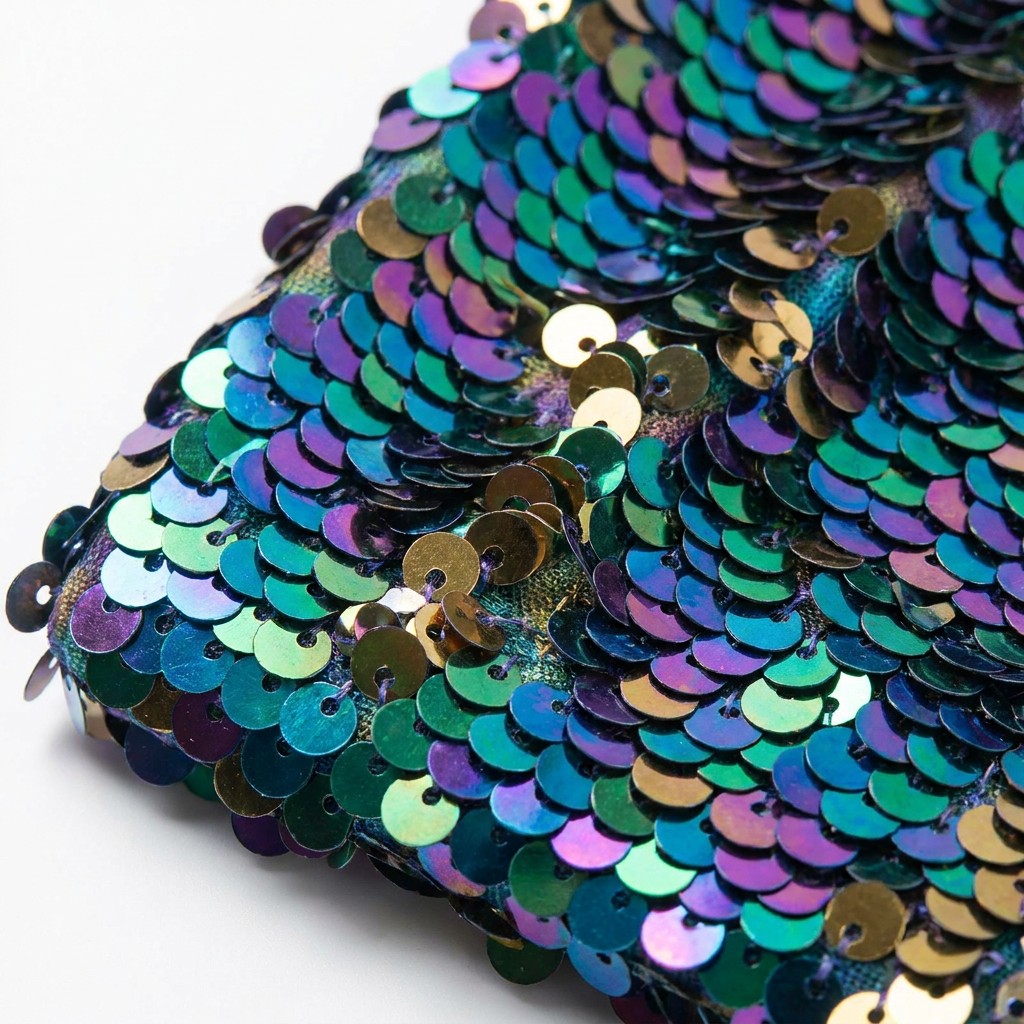
For wholesalers, fashion and eveningwear brands, stagewear makers and event suppliers, consistent repeat order fabric quality means the next delivery matches the approved standard as closely as the first one. That result is not automatic. It depends on an approved sample, a complete specification sheet, colour and batch records, agreed GSM, width, base fabric and sequin arrangement standards, finishing confirmation, a pre-production sample before bulk, and inspection records at shipment. Build these anchors once, then apply them to every reorder.
Why Repeat Orders Drift Apart
Most consistency problems start before the order is placed. The construction is described from memory (“the same sequin mesh as last time”), the shade is matched against a faded old swatch, and a change in base fabric, sequin lot or finishing is never recorded. By the time the mismatch is noticed, the fabric is already cut.
A repeat order should be treated like a fresh order with a frozen reference: the same documents, the same lighting, the same measurement method and the same inspection points. Anything that differs from the reference must be approved in writing before production starts. For the five core checks that matter before any bulk commitment, our guide to checking sequin fabric quality before bulk ordering covers specifications, appearance consistency, colourfastness and durability, production performance and sample alignment.
The Repeat Order Quality Workflow
Run every repeat order through the same numbered sequence, from reference to release. This is the workflow we recommend buyers agree with the supplier before reordering:
- Pull the archived reference. Approved sample, specification sheet, colour chips and the last inspection record, all under one style reference.
- Confirm nothing changed. Construction, base fabric, sequin, finishing and packaging are logged before quoting.
- Plan batch and colour. Dye lots, roll numbering and shade tolerance are agreed for this specific order.
- Approve the pre-production sample produced on the current production construction before bulk cutting.
- Hold production checkpoints. GSM, width, hand feel, sequin density and finishing are verified during the run.
- Inspect at shipment against the same checklist, comparing finished rolls with the approved sample.
- Record deviations and claims in the style file, even when a deviation is accepted.
- Update the standard. The spec sheet is revised after any approved change, so the next reorder uses the corrected reference.
The Core Standards That Lock In Consistency
1. Approved Sample and Specification Sheet
The approved sample is the visual standard; the specification sheet is the measurable standard. Keep both together with the purchase order under one style reference. The sheet should state composition, GSM, usable width, roll length, sequin size and shape, sequin material, attachment method, arrangement and density, colour reference, shade tolerance, finishing, packing and inspection points.
If the original request did not capture every field, rebuild the sheet before the reorder. A complete RFQ for custom sequin fabric records application, base fabric, sequin details, colour, width, GSM, quantity, finishing and testing so the supplier quotes the same construction every time. Store the approved sample sealed and away from light and moisture so it does not change between orders.
2. Colour and Batch Records
Sequins are reflective, so shade differences between dye lots are easy to see and difficult to argue about once the goods are cut. Record the original colour reference (a Pantone reference or a physical chip), the sequin finish, and the shade tolerance accepted with the first order. Ask the supplier to state dye-lot and roll numbers on the packing list and to separate rolls by batch wherever tolerance matters.
Compare bulk deliveries against the archived colour chip under the same lighting used for the first approval, not under a phone screen or changing daylight. A repeat order should never be matched against an unarchived memory of a colour.
3. GSM, Width, Hand Feel and Drape
GSM and usable width are the numbers that change cutting yield and garment structure, but they do not tell the whole story. Two fabrics at the same weight can feel and drape differently, because hand feel and drape come from the base construction, sequin density and finishing. Record the target GSM, usable width and roll length, and keep a physical reference for hand feel and drape. Ask the supplier to re-confirm these values on the pre-production sample instead of assuming that last order’s numbers still apply.
4. Base Fabric and Sequin Arrangement
The base carries the sequins and decides how the fabric moves, stretches and sews. The style file should state whether the base is tulle, mesh, knit or woven, its composition and transparency, and the sequin arrangement – full coverage, spaced rows, scatter or embroidered motif – including direction and density.
If a buyer is comparing a sequin construction with a beaded alternative for a new programme, the sequin vs beaded fabric comparison explains how base and arrangement decide weight, drape and sewing behaviour. For a repeat order, the rule is simpler: record the arrangement once, then confirm it is identical on every reorder.
5. Finishing and After-Treatment
Finishing changes how the fabric behaves and how it survives handling: coating, backing, softening, anti-static or anti-snag treatment, and any wash or care process. Write the finishing into the specification sheet, confirm it is identical on the reorder, and note that a change in finishing can alter hand feel, drape and colour depth even when the greige construction is the same. A finishing change is a change request, not a silent substitution.
6. Packaging and Roll Marking
Sequin surfaces need protection from compression, abrasion and moisture. Confirm winding direction, roll length, protective interleave or layering, and carton marks in writing. Agree how rolls are labelled – style, colour, batch, roll number, length and gross weight – so your warehouse can match every roll to the inspection record and the packing list when the order arrives.
Change Control: Record Every Difference
The most dangerous moment in a repeat order is an unrecorded change: a different base lot, a substituted sequin, a new finishing recipe, a slightly narrower width. Make the rule explicit. Any change in construction, material, finishing or packaging must be proposed by the supplier, confirmed by the buyer in writing, and recorded in the style file before production. If the change could affect appearance or performance, request a new sample and re-approve it.
Change control protects both sides. The supplier knows exactly what was approved, and the buyer cannot claim a deviation that was agreed and logged. This single habit removes most repeat-order disputes.
Pre-Production Confirmation
Approving a development sample is not enough for a repeat bulk order. The pre-production sample must reflect the actual production construction, so request it before bulk cutting and confirm each point below:
- Supplier re-confirms the full specification sheet against the archived reference.
- Buyer approves the pre-production sample produced on the current production line.
- Colour, GSM, width, hand feel and finishing are checked against the style file.
- Batch and roll plan, shade tolerance and delivery documents are agreed.
- Any accepted deviation is recorded with a photo or note in the style file.
Shipment Inspection and Documentation
Inspection compares the finished rolls with the archived reference, not with the previous order’s invoice. Check specification, colour and batch consistency across the first, middle and final sections of each roll, sequin attachment and arrangement, base condition, roll winding, labels and packing. For the full checkpoint list, use the pre-shipment inspection checklist for embroidered and sequin fabric.
Photograph the rolls and labels during inspection and keep the record with the purchase order and packing list. Ask the supplier for roll numbers, lengths, total quantity and gross weight before dispatch, and reconcile them with the approved quantity. A clean release decision is only possible when the reference documents exist.
Claims and Deviation Records
When a roll deviates from the standard, record it in writing: style, batch, roll number, the nature of the deviation, quantity, whether it is accepted or rejected, and the agreed remedy. Even an accepted deviation should be logged, because it explains a later complaint and helps the supplier correct the same point on the next order. Fair claims are built on the approved sample, the specification sheet and the inspection photos that were kept from the start.
Repeat Order Risk Table
The table below summarises the risks buyers see most often in repeat sequin fabric orders and the prevention that belongs in the written standard.
| Risk | Typical cause | Prevention |
|---|---|---|
| Shade differs from the first order | No archived colour chip; new dye lot | Keep a sealed chip; record dye-lot and roll numbers; agree shade tolerance |
| GSM or width drift | Specification sheet not updated | Re-confirm values on the pre-production sample |
| Different hand feel or drape | Finishing or base changed silently | Put finishing in the spec; enforce change control |
| Sequin or motif mismatch | Arrangement recorded from memory | State arrangement, direction and density in the style file |
| Loose sequins or snagging | Weaker attachment or rough handling | Confirm attachment method and end-of-line inspection |
| Damage in transit | No protective layering agreed | Specify winding, interleave and carton packing in writing |
| Dispute on rejection | No inspection record | Photograph rolls and labels; share the record with the supplier |
Repeat Order Sourcing Checklist
Keep this checklist with the style file and run it before every reorder:
- Approved sample, specification sheet and purchase order stored under one style reference.
- Colour chip and shade tolerance recorded; dye-lot and roll numbers confirmed.
- GSM, usable width, roll length, hand feel and drape stated on the sheet.
- Base fabric composition and sequin arrangement, direction and density recorded.
- Finishing and after-treatment confirmed identical to the approved reference.
- Packaging, winding, labels and carton marks agreed in writing.
- Change control rule agreed before any substitution.
- Pre-production sample approved before bulk cutting.
- Inspection points, photos and the release decision documented.
- Deviation and claim log kept up to date in the style file.
Frequently Asked Questions
What makes sequin fabric quality differ between repeat orders?
Most drift comes from an unrecorded change – a new dye lot, a substituted base, a changed finish or a narrower width – combined with judging from memory. A frozen style file with the approved sample, specification sheet and inspection photos prevents most of it.
Should I reuse the first order’s approved sample for the reorder?
Keep the original as the master reference, but also approve a fresh pre-production sample before bulk. Physical samples age, and the pre-production sample confirms what will actually be produced now, on the current construction.
How do I compare colour between batches?
Use the same lighting as the original approval, check the first, middle and final sections of the rolls, and compare against the archived colour chip. Ask for dye-lot and roll numbers on the packing list so you can trace every roll.
What should I do if the supplier changes the base fabric?
Treat it as a change request: confirm it in writing, request a new sample if appearance or performance could change, re-approve the sample and update the specification sheet before bulk production begins.
Is GSM enough to confirm the fabric is the same?
No. Two fabrics can share the same GSM and still differ in hand feel, drape, sequin density and finishing. Confirm the full specification and compare physical samples, including the pre-production sample.
What documents should I keep for a future claim?
The purchase order, approved sample, specification sheet, colour chip, pre-production approval, inspection photos with roll labels, packing list and the deviation log. Written records are the basis of a fair claim.
Source Sequin Fabrics Directly for B2B Collections
Explore factory-direct sequin, embroidered and decorative textile options for fashion, event and custom collections.
Request Sequin Fabric Samples
Yunfan Textile supports global B2B buyers with sequin, embroidered and decorative fabric development. When you are planning or repeating a programme, the team can discuss specification sheets, sample approval, colour and batch control, production checkpoints and inspection requirements with you.
Submit your application, base fabric, sequin size, colour, estimated quantity, finishing and testing requirements through the website consultation page, and the discussion starts from your actual brief. The same information you use for repeat-order quality control is exactly what a supplier needs to quote and sample accurately.
Yunfan Textile B2B Contact
Website: https://www.yunfantextile.com/
B2B Contact: Wendy Jessie
WhatsApp/WeChat: +86 156 3752 5803
WhatsApp/WeChat: +86 175 1619 6727
Email: morris@yunfantextile.com
Email: morris@yunfantextile.com
Summary: A repeat sequin fabric order stays consistent when it is checked against a frozen reference – approved sample, complete specification sheet, colour and batch records, GSM, width, base fabric and sequin arrangement, finishing, packaging, pre-production sample and inspection records – instead of against memory. Enforce change control, inspect at shipment and log every deviation, and the reorder becomes a routine confirmation rather than a gamble.
SEO keywords: repeat order fabric quality, sequin fabric consistency, approved sample repeat order, sequin fabric batch control, pre-production sample bulk order, sequin fabric inspection record.