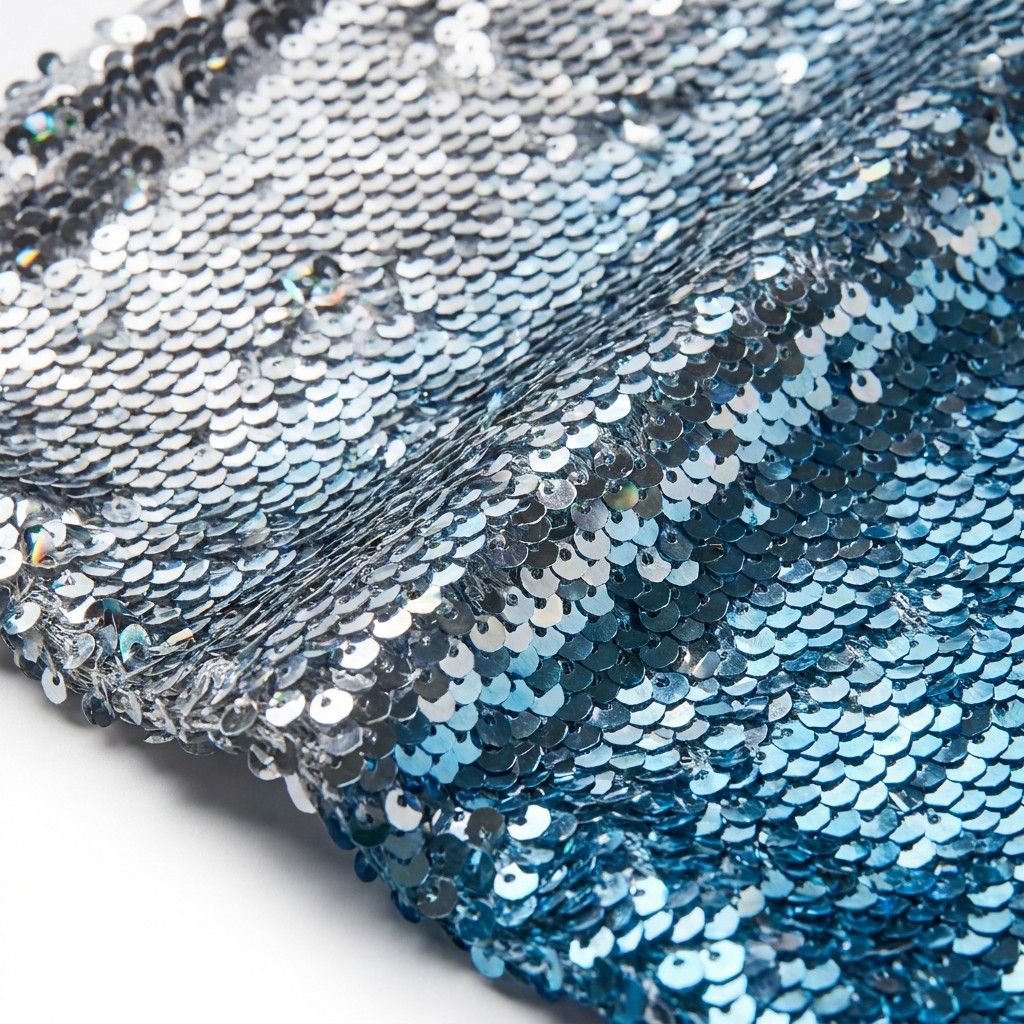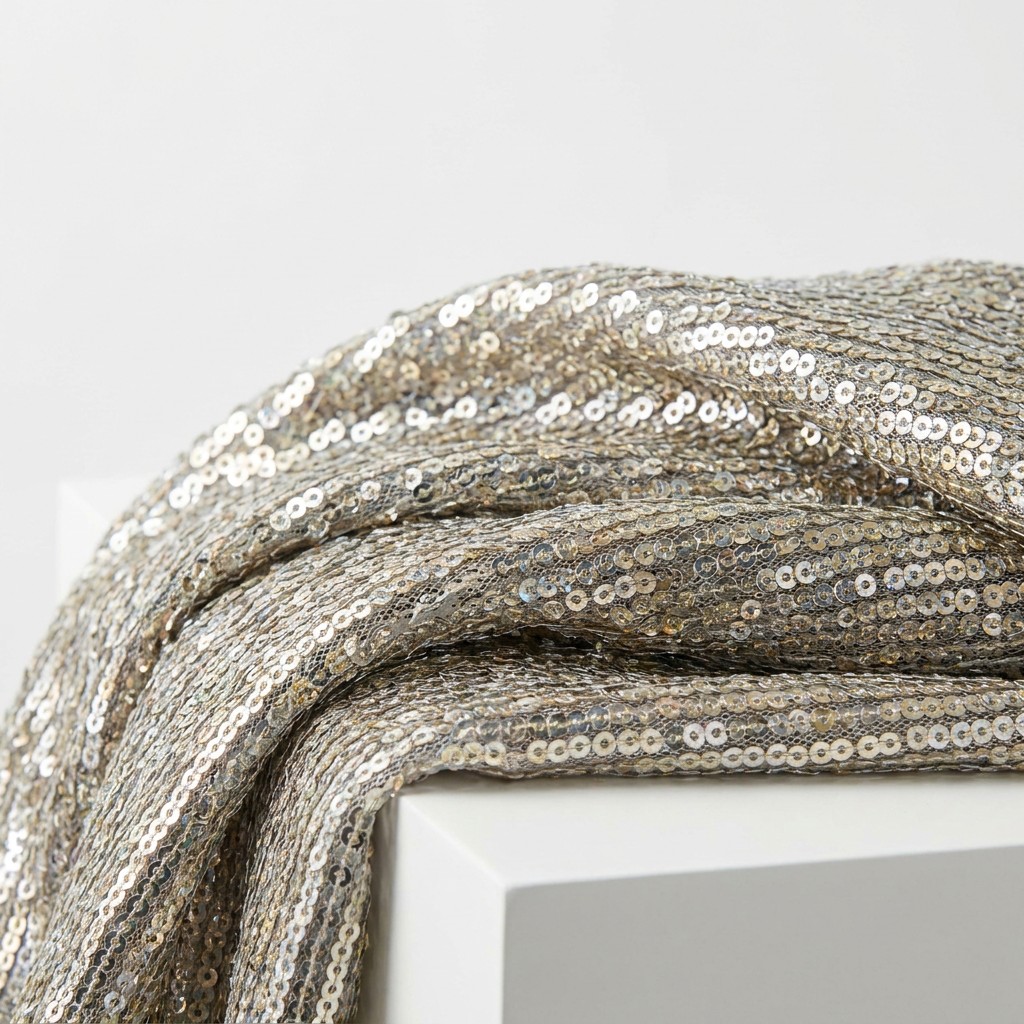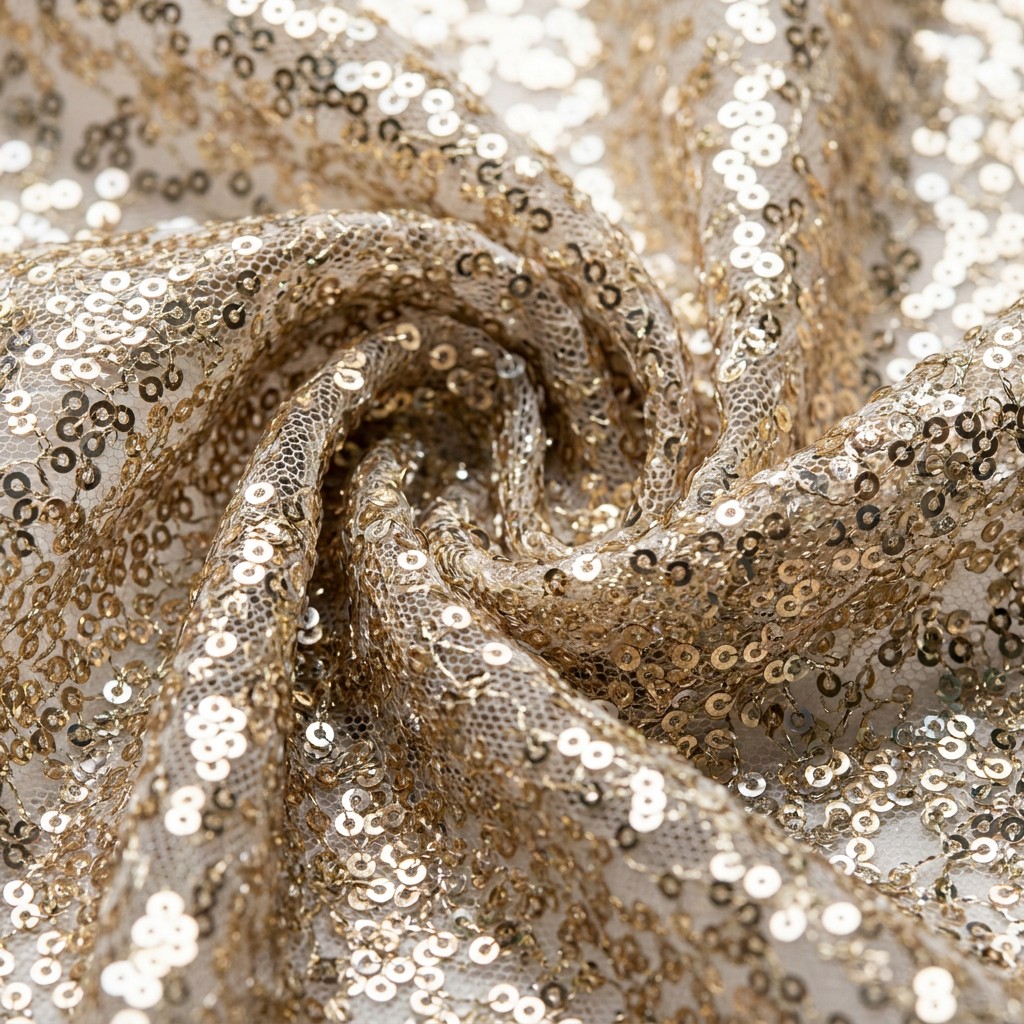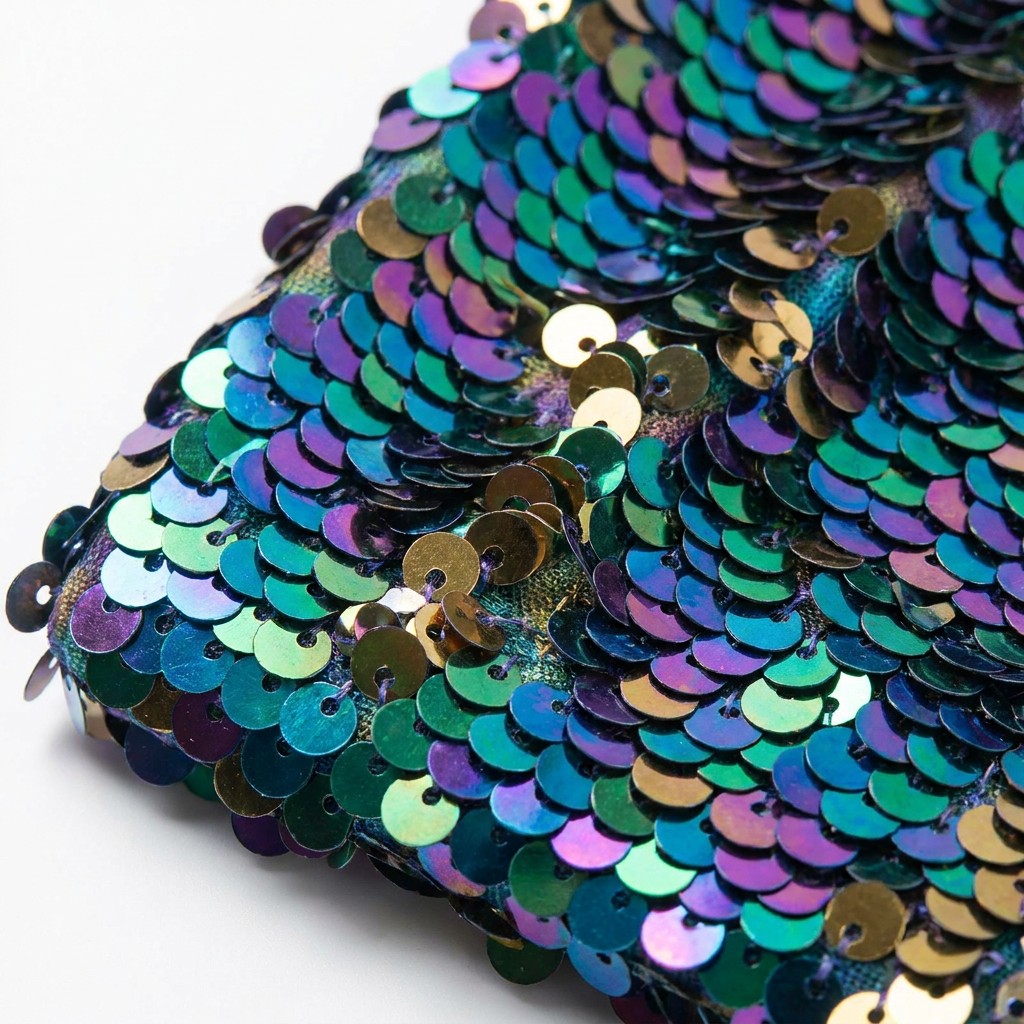
Before sequin fabric rolls leave the factory, a pre-shipment inspection protects wholesale buyers, garment brands, evening and stagewear producers, and event suppliers. Confirm the core items directly: quantity and roll count; specifications such as GSM, width and sequin size; colour and shade consistency; sequin arrangement and defects; base fabric; edges and usable width; packaging and labels; the approved sample; and inspection records. This guide explains each check, what to verify on the rolls, and what to confirm in writing with your supplier before dispatch.
Core Pre-Shipment Checks at a Glance
Use the list below as the short version of the full checklist. Each point is explained in detail in the sections that follow.
- Quantity / roll count — rolls, roll numbers, lengths and batch details match the packing list and purchase order.
- Specifications — GSM, usable width, roll length, sequin size and base construction match the approved spec sheet.
- Colour and shade — every roll is compared with the approved colour reference under consistent lighting; shade tolerance is agreed in advance.
- Sequin arrangement and defects — spacing, direction and coverage match the approved sample; dropped, loose or bent sequins and snagging are within the agreed acceptable level.
- Base fabric — no holes, slubs, stains, skew or construction faults behind the decoration.
- Edges / width — selvedges are clean and usable width is measured at multiple points.
- Packaging — winding, roll labels and carton marks are correct and protective for transit.
- Approved sample and inspection records — bulk rolls are compared with the sealed sample, and findings are recorded per roll.
Core Pre-Shipment Checks and Supplier Confirmations
The table pairs what you can verify on the rolls with what you should confirm with the supplier in writing before the inspection date.
| Check area | What to verify on the rolls | What to confirm with the supplier |
|---|---|---|
| Quantity and roll count | Count rolls; match roll numbers, batch numbers and metres to the packing list and PO. | How roll numbers and length measurements are documented, and any length tolerance. |
| Specifications (GSM, width, sequin size) | Measure GSM and usable width at agreed points; check sequin size against the approved sample. | Which measurement and testing methods were used, and the agreed tolerances. |
| Colour and shade consistency | Compare each roll end and middle with the approved colour sample under the same light. | Shade tolerance between rolls and batches, and how off-shade rolls are separated. |
| Sequin defects and durability | Shake, rub and fold roll ends to check dropped, loose or bent sequins and snagging. | End-of-line loose-sequin checks, the acceptable level, and which fastness or durability tests apply. |
| Base fabric, edges and width | Check for holes, slubs, skew, selvedge damage and width variation along the roll. | How base and selvedge defects are inspected and recorded. |
| Packaging and labels | Verify labels, carton marks, winding and any protective layers on sampled rolls. | The packaging standard: label fields, carton marks and protective wrapping. |
| Approved sample and records | Compare bulk rolls with the sealed approved sample and photograph findings. | Which inspection records and photos are provided per batch or roll. |
1. Quantity and Roll Count
Start the inspection with the physical count. Every roll should match the packing list and the purchase order: roll numbers, batch numbers and stated metres per roll. Short rolls and miscounted cartons are among the easiest problems to find before shipment and the most expensive to fix after arrival.
- Count the rolls per style, colour and batch.
- Check roll numbers and labels against the packing list.
- Measure the length of a sample of rolls when possible, rather than trusting the label alone.
- Confirm in writing whether any tolerance on roll length is accepted and how trims or cut-offs are excluded.
- Hold the shipment if the count or total metres do not reconcile — resolve discrepancies before loading, not after.
2. Specifications, GSM, Width and Roll Consistency
Specifications should be verified on the bulk goods, not assumed from the quotation. The four numbers that matter most at inspection are GSM (weight per square metre), usable width, roll length and sequin size. Each can drift between rolls when production runs are long.
- GSM: measure at several points across the width and along a sample of rolls, and ask which weighing method the supplier used for the stated figure.
- Usable width: measure from selvedge to selvedge at both ends and in the middle of sampled rolls; record the minimum and maximum readings.
- Roll length: compare the stated metres with measured length on a sample of rolls.
- Sequin size and shape: compare against the approved sample, since diameter and finish affect drape, seams and cutting yield.
- Roll consistency: sample rolls from the beginning, middle and end of the production run to check GSM, width and appearance across the batch.
Sequin size is a design and construction parameter as much as a quality score — our guide to 3mm vs 5mm vs 18mm sequin fabric explains how size changes coverage, weight and sewing behaviour if you are comparing constructions before ordering.
3. Colour and Shade Consistency
Sequin surfaces are reflective, so shade differences are easy to see and easy to miss. Compare every sampled roll with the approved colour sample under the same lighting conditions, and check the start, middle and end of rolls rather than only the outer wrap.
- Agree on the shade tolerance between rolls and between batches in writing before production.
- Compare under a consistent light source; note the lighting condition in the inspection record.
- Keep rolls from different dye lots or batches separate and labelled.
- Ask which colour fastness tests apply to your end use — for example washing, rubbing, light or perspiration — and which test methods the supplier follows.
- Ask whether test reports are available for the specific construction you ordered; if not, confirm in writing whether independent testing is needed before bulk dispatch.
Shade and fastness expectations should be set before bulk production starts. Our sequin fabric quality guide for bulk ordering lists the specifications, appearance and durability points to confirm with the supplier at the ordering stage.
4. Sequin Arrangement, Dropped Sequin and Snagging Checks
Defects in the decoration itself are the most common reason sequin fabric fails inspection. Check the arrangement — spacing, direction and coverage — against the approved sample, then test surface durability on sampled roll ends.
- Dropped or missing sequins: shake the roll end, rub the surface and fold a corner to see whether sequins come off.
- Loose threads and pulled sequins: look for thread pulls, lifted sequin edges and snagging along the roll surface and selvedges.
- Bent, broken or overlapping discs: these catch light unevenly and cause visible lines in a finished garment or panel.
- Attachment method: confirm whether sequins are sewn, embroidered or glued, and how the supplier inspects for loose pieces at the end of the line.
- Acceptable level: ask the supplier to state the acceptable level of loose or missing sequins in writing and check that bulk rolls stay within it.
If your collection mixes sequin and beaded constructions, note that raised beadwork snags differently from flat sequins — our sequin vs beaded fabric comparison for wholesale collections covers the durability and sewing differences to plan around.
5. Base Fabric, Selvedges and Usable Width
The base fabric carries the decoration and decides drape, stretch and sewing behaviour. Even a perfect sequin surface cannot hide a defective base, so inspect the construction underneath as well as the shine on top.
- Check for holes, slubs, stains, warp or weft faults and areas where the base shows through unevenly.
- Look for skew or bowing, which makes pattern matching difficult when the fabric is cut.
- Verify selvedges are clean, without tears, loose threads or compressed damage.
- Confirm the usable width — the decorated width excluding selvedge — and measure it at several points along sampled rolls.
- Record the minimum and maximum width readings so the inspection report shows actual variation, not a single number.
6. Packaging, Labels and Carton Marks
Sequins abrade each other in transit, so packaging is part of the product specification, not an afterthought. Rolls that are wound, labelled and packed correctly protect the fabric from pressure marks, compression and surface damage.
- Confirm the winding direction, roll format and whether protective layers between fabric layers are part of the packing standard.
- Check each sampled roll label for the fields you agreed: style, colour, roll number, length, width, batch or dye lot and production date.
- Verify carton counts and carton marks against the packing list.
- Confirm in writing whether the packaging standard includes moisture protection and how rolls are secured for sea or air freight.
- Photograph the label and carton of each sampled roll and attach the images to the inspection record.
7. Sampling Plan and Batch Release
Inspecting every square metre is rarely practical, so agree the sampling plan before the inspection date. A clear plan states how many rolls are opened, what is measured on each, and what triggers a decision to hold or release the batch.
- Agree an acceptable quality level and sampling method in writing — for example an AQL-style plan covering the checks in this checklist.
- Define which defects are checked on 100% of rolls (count, labels) and which are checked on a random sample (GSM, width, shade, defects).
- Agree how non-conforming rolls are handled: set aside, re-inspected, and either replaced or credited according to the purchase order terms.
- Release the batch only when the agreed checks pass and the inspection records are complete.
- Keep the records per batch and roll so a later claim or a repeat order starts from documented evidence.
A Numbered Pre-Shipment Inspection Flow
- Confirm the inspection date, location and who performs it — buyer, supplier quality team or an independent inspector.
- Gather the approved sample, purchase order, specification sheet and the RFQ documents that defined the order; see our custom sequin fabric RFQ guide for the fields the order should have locked down.
- Count the rolls and match roll and batch numbers with the packing list.
- Open the agreed sample of rolls and verify GSM, usable width, roll length and sequin size.
- Compare colour and shade with the approved sample under consistent lighting.
- Check sequin arrangement, dropped or loose sequins, snagging, base fabric, selvedges and packaging.
- Record every finding per roll, with photos, measurements and a pass or fail note.
- Release the batch or hold non-conforming rolls according to the agreed criteria, and share the record with the supplier before dispatch.
Approved Sample and Inspection Records
The sealed approved sample is the reference the whole inspection is judged against. Keep it with the purchase order, the written specification and the RFQ record under one style reference, and compare randomly selected bulk rolls directly with it during the inspection.
- Confirm that the approved sample reflects the actual production construction, not an earlier development swatch.
- Ask which inspection points the supplier checks at the end of the production line.
- Request the inspection records — roll numbers, measurements, photos and pass or fail notes — for each batch before release.
- Keep your own copy of every record so repeat orders and future claims start from the same documented standard.
For the full set of checks to run before you commit to bulk in the first place, review our quality checks before bulk sequin ordering.
Frequently Asked Questions
How many rolls should I inspect in a pre-shipment inspection?
Count 100% of the rolls, then open and check an agreed sample of rolls for specifications, shade and defects. The sample size and the acceptable quality level should be written into the inspection plan before the inspection date.
Can I check for dropped sequins without opening every roll?
Open the agreed sample at both roll ends, then shake, rub and fold the fabric to see whether sequins detach. Ask the supplier how their end-of-line check counts loose or missing sequins and what level they accept.
What shade difference is acceptable between rolls of sequin fabric?
There is no universal answer — the acceptable shade tolerance is a commercial decision you agree with the supplier in writing, per colour, before bulk production. At inspection, compare rolls under consistent lighting with the approved sample.
Does GSM vary from roll to roll?
It can, especially on long runs. Measure GSM at several points across the width and on rolls from the start, middle and end of the run, and confirm the measurement method with the supplier so your numbers and theirs are comparable.
What should the roll label and carton marks include?
Confirm the label fields with the supplier in advance. Typical fields include style, colour, roll number, length, width, batch or dye lot and production date, with carton marks matching the packing list.
Who should perform the pre-shipment inspection?
That depends on your quality programme: your own team, the supplier's quality department, or an independent inspector. Whoever performs it, the plan, the checkpoints and the record format should be agreed in writing first.
What happens if a roll fails the inspection?
Follow the handling rule agreed in the purchase order: separate the non-conforming rolls, re-inspect them, and replace or credit them according to the agreed terms. Keep the inspection record so the decision is documented.
Source Sequin Fabrics Directly for B2B Collections
Explore factory-direct sequin, embroidered and decorative textile options for fashion, event and custom collections.
Request Sequin Fabric Samples
Yunfan Textile supports global B2B buyers with sequin, embroidered and decorative fabric development, including specification checks, approved samples and production checkpoints for wholesale programmes. To start a sourcing conversation, contact the team through the official Yunfan Textile consultation page and include your:
- Application / end use
- Base fabric preference
- Sequin size
- Colour reference
- Estimated quantity
- Finishing and testing requirements
Sharing these details helps the team confirm the right construction, sampling route and inspection points for your project.
Yunfan Textile B2B Contact
Website: https://www.yunfantextile.com/
B2B Contact: Wendy Jessie
WhatsApp/WeChat: +86 156 3752 5803
WhatsApp/WeChat: +86 175 1619 6727
Email: morris@yunfantextile.com
Email: morris@yunfantextile.com
Summary: A pre-shipment inspection for sequin fabric is a documented check of quantity, specifications, shade, sequin defects, base fabric, edges and width, packaging, the approved sample and inspection records. Agree the sampling plan, tolerances and batch release criteria with your supplier in writing, and keep the records per roll so every shipment — and every repeat order — starts from the same verifiable standard.
SEO keywords: pre-shipment inspection sequin fabric, sequin fabric inspection, loose sequin check, sequin fabric roll consistency, sequin fabric wholesale quality control.