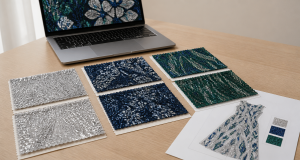
To approve a sequin fabric sample before bulk production, follow a fixed sequence: define the specification, review a development sample, match colour with a lab dip, check a physical strike-off and bulk sample for width, weight and sequin fixation, then record the approval in writing and keep the approved piece as the reference for the entire order. Approval is not a quick email reply — it is the step that decides whether the bulk fabric you receive matches the fabric you approved.
This guide walks through the full sample approval workflow for sequin and decorative fabrics, what to inspect at every stage, and how to build a written approval record that protects a B2B order.
What an Approved Sequin Sample Really Means
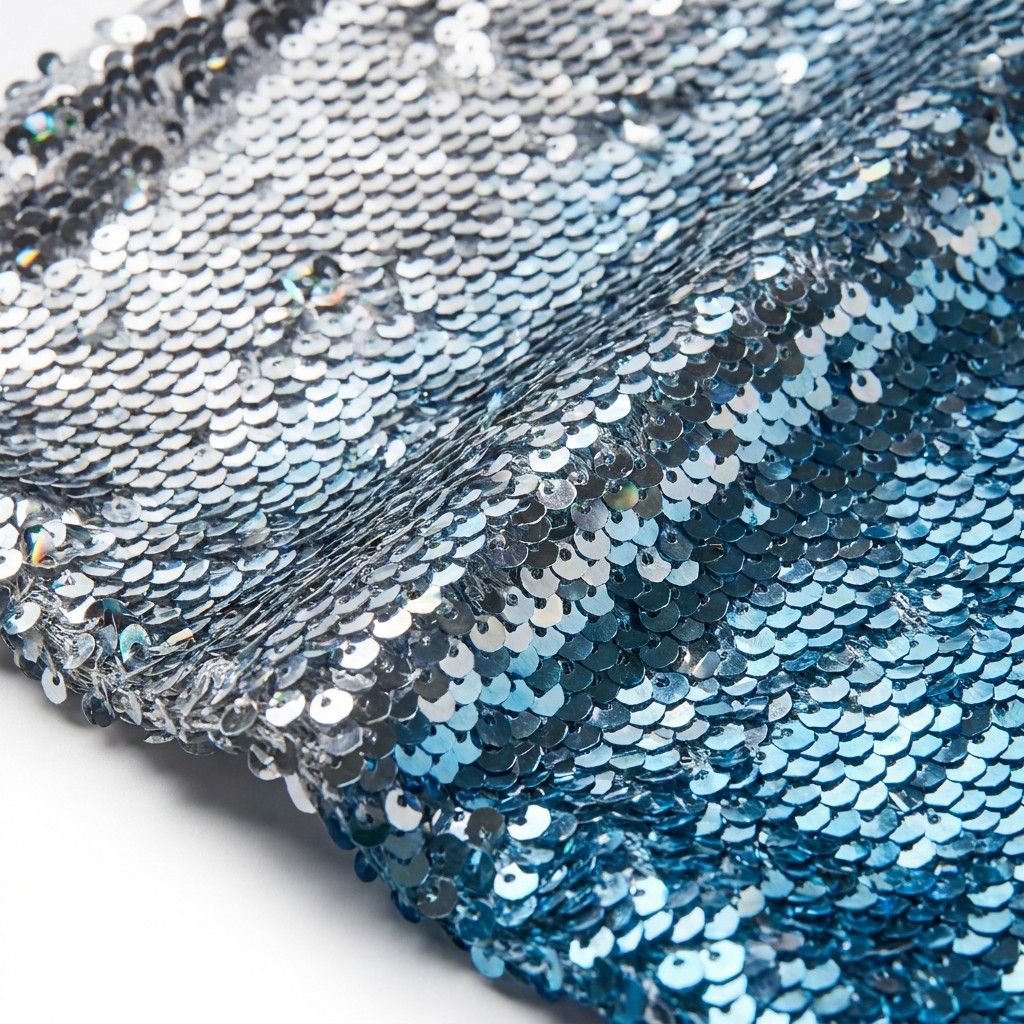
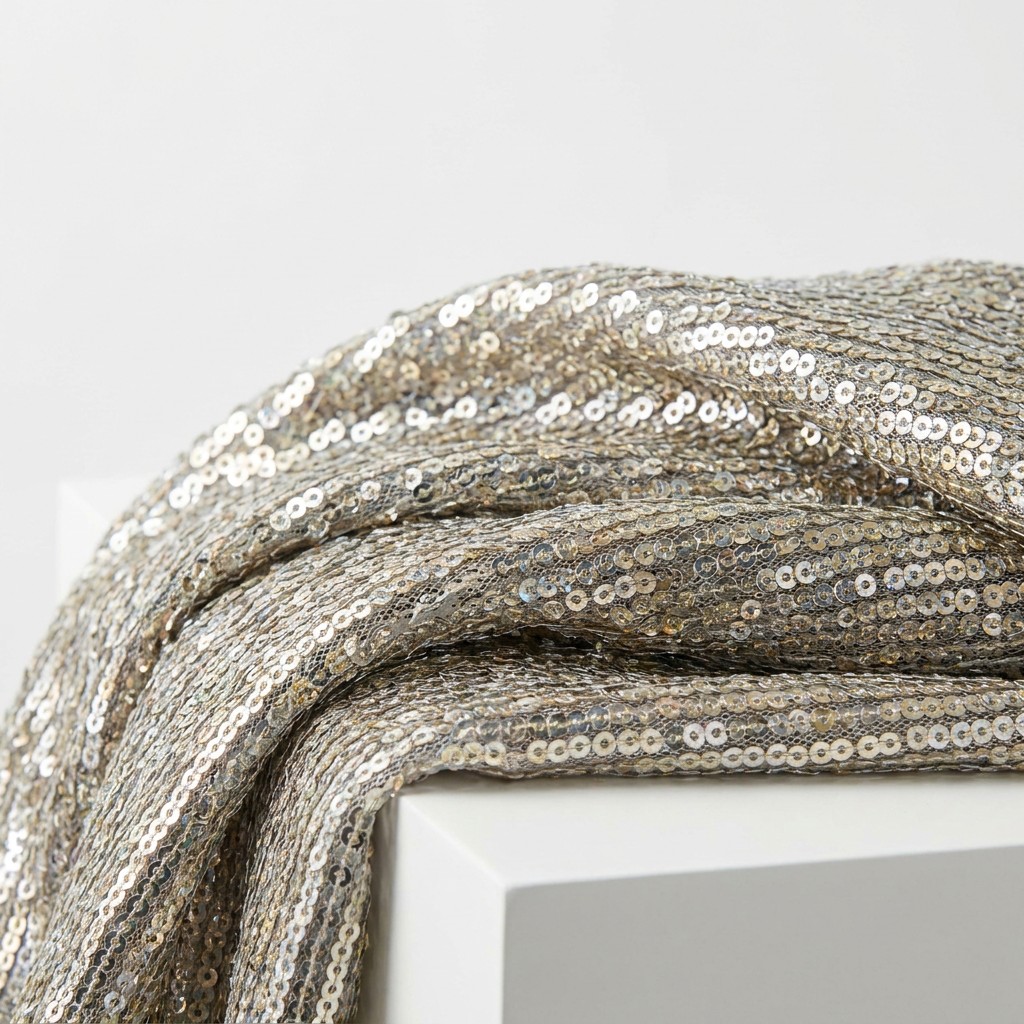
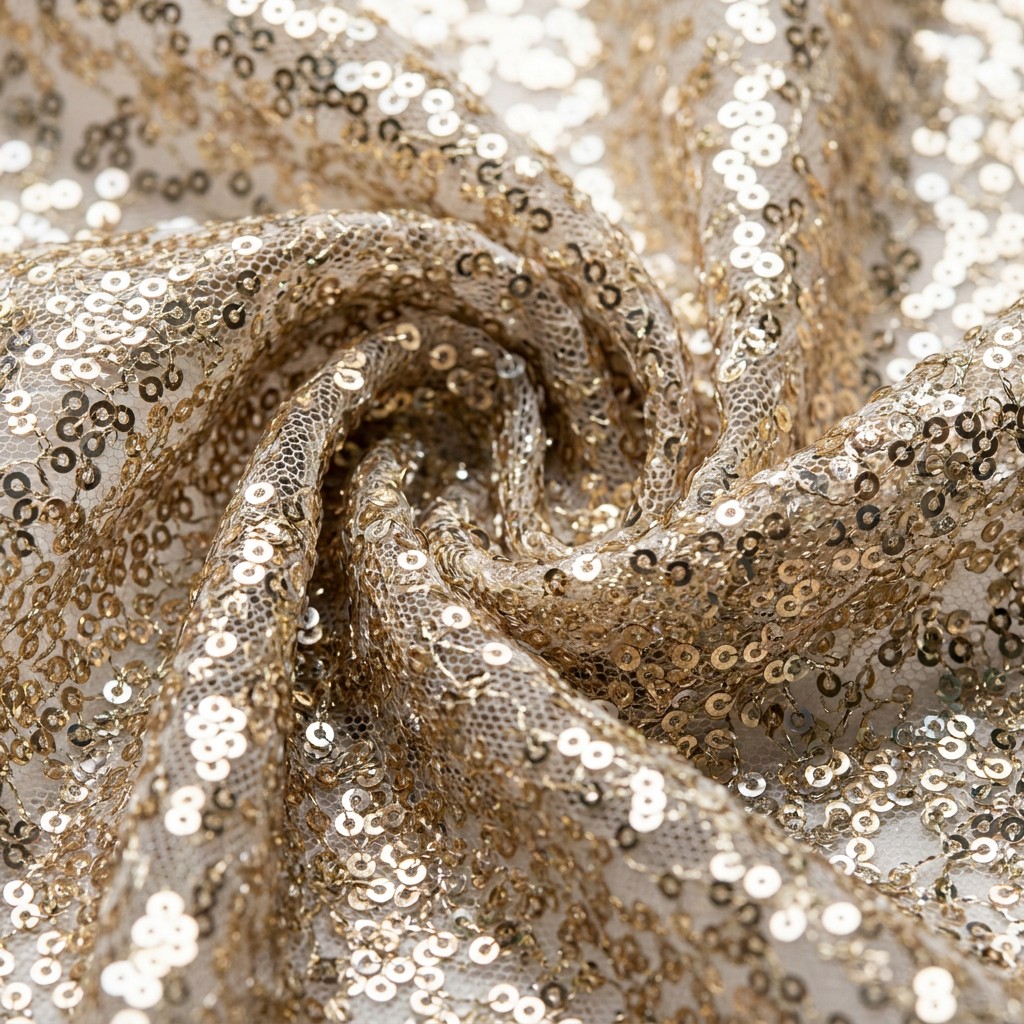
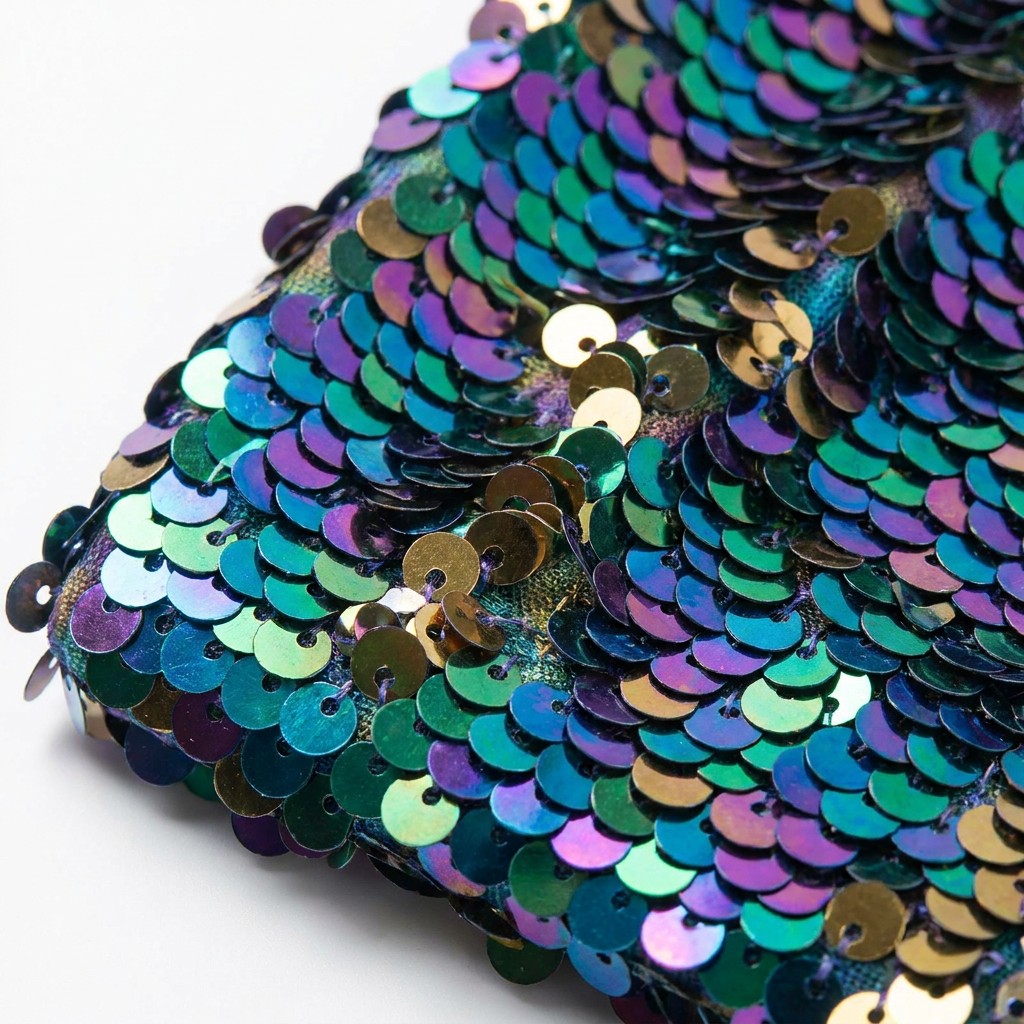
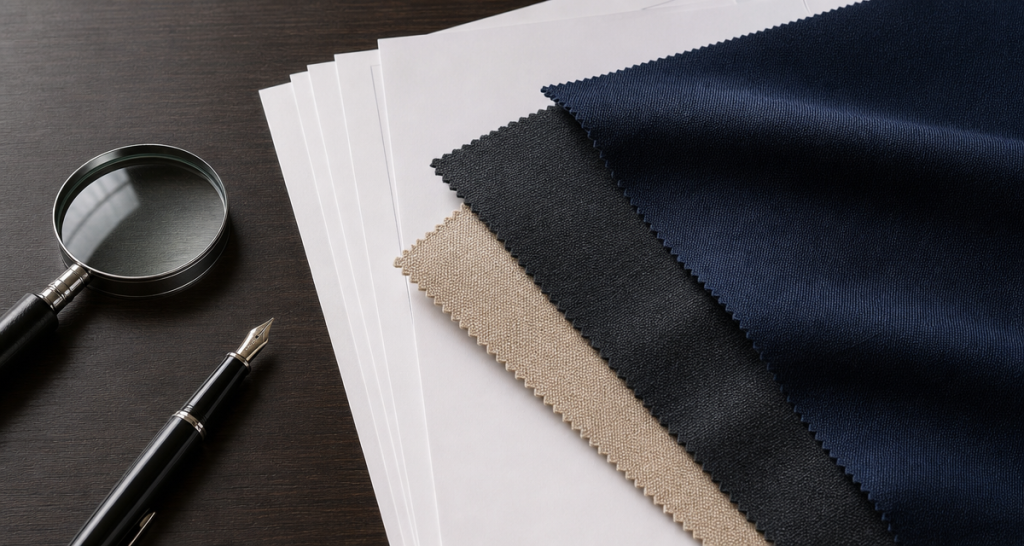
An approved sample is a physical reference that locks the specification for production: base fabric construction and weight, sequin size, shape and material, stitch pattern, colour and finish. Once you approve it, the supplier is expected to match the bulk run to that reference. Before that point, every change is still a design decision; after that point, every difference is a quality issue. For a tour of the categories we produce and ship, browse the Sequin Fabric collection first, so the sample brief is written against styles the supplier already makes.
Development sample
The development sample (开发样 in the mill) is the first trial of a new construction: base fabric, sequin size and density, or finish. It proves that the idea is manufacturable and gives you something physical to evaluate drape, weight and decoration before colour work begins.
Lab dip and strike-off
A lab dip is a small dyed swatch of the base fabric matched to your target colour. A strike-off is a print or coating trial showing how colour and decoration sit together on the actual base. For sequin styles, colour lives on two levels — the base dye and the sequin itself — so both usually need separate colour approvals.
Pre-production (bulk) sample
The bulk sample, also called the pre-production sample, is cut from the actual production set-up: same base fabric batch, same sequin lot, same machine settings. This is the final gate before mass production. If the bulk sample matches the approved lab dip and strike-off, you approve it and production can start.
Sequin Fabric Sample Approval Checklist
- Write the specification: base fabric composition and weight, sequin material and size, stitch density, width, finish and target quantity. Send the same sheet to the supplier in writing.
- Screen options first: use a digital sampling or physical approval decision to shortlist constructions before spending on courier samples.
- Request the development sample and, in parallel, the first lab dip against your colour target.
- Review the strike-off on the real base fabric under daylight and indoor light, not only on screen.
- Inspect the physical sample against every line of the specification and run the fixation checks below.
- Approve in writing, label the approved sample, and send the approval record to the supplier before production starts.
Sample Stage Reference Table
| Sample stage | What it confirms | What you check | What happens after approval |
|---|---|---|---|
| Development sample | Construction is manufacturable | Drape, weight, sequin density, finish, edge quality | Colour development begins |
| Lab dip | Base colour matches the target | Colour under daylight and indoor light, dye evenness | Strike-off and bulk sample proceed |
| Strike-off | Colour and decoration sit correctly together | Sequins against base colour, pattern registration | Bulk sample is produced from final set-up |
| Pre-production sample | Bulk run will match the approved reference | Width, GSM, colour, fixation, all specification lines | Production release is issued in writing |
What to Inspect on the Physical Sample
- Width: measure the usable width on the sample, and confirm the bulk width in writing — decoration and selvedge can both eat into it.
- Weight and base fabric: check GSM and composition against the spec; a different base changes drape and sewing behaviour completely.
- Sequins: size, shape, material and finish must match the spec, and the stitch density must be consistent across the surface.
- Colour: compare base and sequin colour separately, under daylight, warm indoor light and, for stage styles, strong direct light.
- Hand feel and drape: fold the sample, hold it up and let it fall; stiffness that looks fine flat can be wrong on a garment.
- Edges: check the selvedge and any finished edges for curling, loose threads or skipped stitches that will waste yardage in cutting.
Run every check against the written specification, not against memory: measure the width in at least three places, weigh the sample after it has rested, and note the light source you use for colour. Sequins and mesh can look different after a few days in a sample envelope, so let the fabric rest before you judge drape and colour.
Sequin Fixation: The Test That Prevents the Most Claims
Loose sequins are the most common complaint on decorative fabrics, and they are much cheaper to catch on a sample than in a finished garment. Run simple tests on the sample before you approve it:
- Flick the surface with a finger and count sequins that detach or shift.
- Fold the fabric face to face, rub lightly, and check for fall-out along the crease.
- Pull gently at a sequin near a cut edge, where most losses happen during cutting and sewing.
- Shake the sample over a light surface and look for loose sequins in the first minutes of handling.
Ask the supplier how the sequins are attached (stitched, glued or a combination) and what the expected behaviour is for that construction, and note the result in your approval record. If a small number of loose sequins is normal for the construction, agree the acceptable level before bulk production, not after delivery.
Common Approval Mistakes to Avoid
- Approving from photographs only — colour and drape must be judged on the physical piece.
- Skipping the pre-production sample and trusting the development sample — the bulk set-up can still shift between runs.
- Changing width, weight or sequin size after approval without ordering a new sample round.
- Approving verbally and leaving no record the supplier can reference during production.
Each of these mistakes converts a sampling problem into a bulk-order problem, which is far more expensive to fix than the sample itself.
Record the Approval in Writing
An approval that is not recorded will be argued later. Store the approved sample in a sealed, labelled bag (封样) with the batch and date, keep one cutting with the supplier, and issue an approval note that states:
- Order or RFQ reference and sample stage approved;
- Approved width, GSM, colour code and sequin specification;
- Result of the fixation check and any agreed acceptable level;
- Photo of the approved sample and the date of approval;
- Any approved exceptions or tolerances, in writing.
The approved sample becomes the shade band and construction reference for repeat orders. To keep later deliveries aligned, see how to keep sequin fabric quality consistent in repeat orders, and for colour tolerances across runs, use the wholesale colour matching guide.
FAQ: Sequin Fabric Sample Approval
How many sample rounds should I plan before bulk production?
Plan for development, lab dip, strike-off and a pre-production sample as the default sequence, and agree in writing how many colour rounds the sampling fee covers. Complex constructions may need more; stock styles that are already in production may need fewer.
What is the difference between a lab dip and a strike-off?
A lab dip is a small dyed swatch of the base fabric used to match the base colour. A strike-off shows the colour and the decoration (such as sequin placement or printing) together on the real base, so you can judge the combined effect before bulk production.
Should I approve the sample from a photo or in person?
Use digital review to shortlist and to check pattern details, but approve colour, drape and fixation on the physical sample. Photographs change colour under different screens and cannot show how the fabric moves.
What should I do if the bulk fabric does not match the approved sample?
Refer to the written approval record, keep the approved sample as evidence, and raise the discrepancy before cutting. A pre-shipment inspection against the approved reference is the practical way to catch the problem while the goods are still at the factory.
Do I need to approve the base fabric colour and the sequin colour separately?
Yes. The base dye and the sequins are produced in different steps and can drift independently, so approve both against the target under the same light source, and record the two approvals together in the sample note.
Source Sequin Fabrics Directly for B2B Collections
Factory-direct sequin, embroidered and decorative fabrics for fashion, event and custom B2B collections — request samples and confirm specifications before you order.
Request Sequin Fabric Samples
Ready to start the sample approval process for a sequin fabric order? Describe your application, base fabric, sequin size, colour targets, width, weight and estimated quantity through the official contact page, and the Yunfan Textile team will confirm the sampling steps and shipping terms for your lab dips and strike-offs.
Send Your Inquiry Through the Yunfan Textile Contact Page
Yunfan Textile B2B Contact
Website: https://www.yunfantextile.com/
B2B Contact: Wendy Jessie
WhatsApp/WeChat: +86 156 3752 5803
WhatsApp/WeChat: +86 175 1619 6727
Email: morris@yunfantextile.com
Email: morris@yunfantextile.com