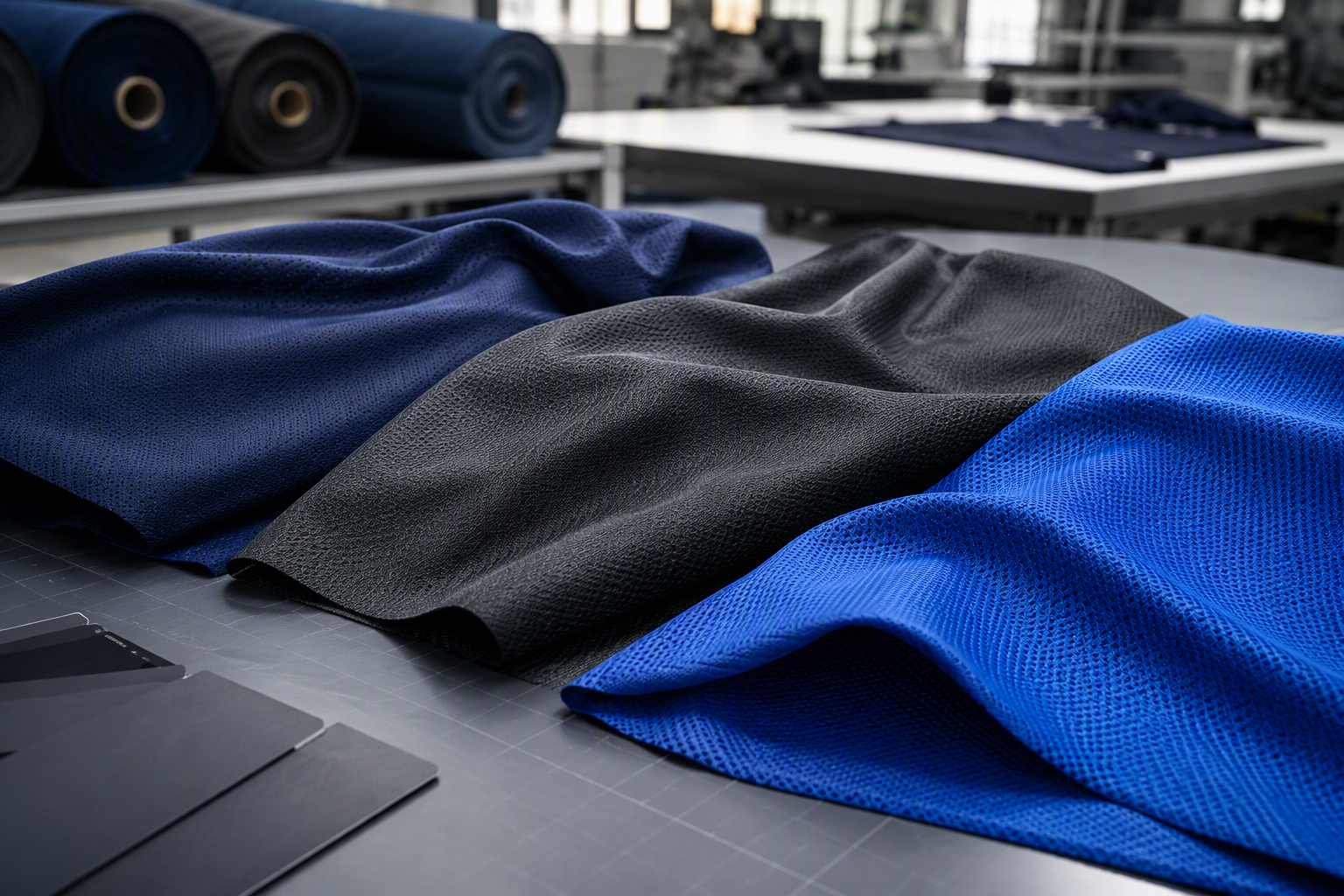
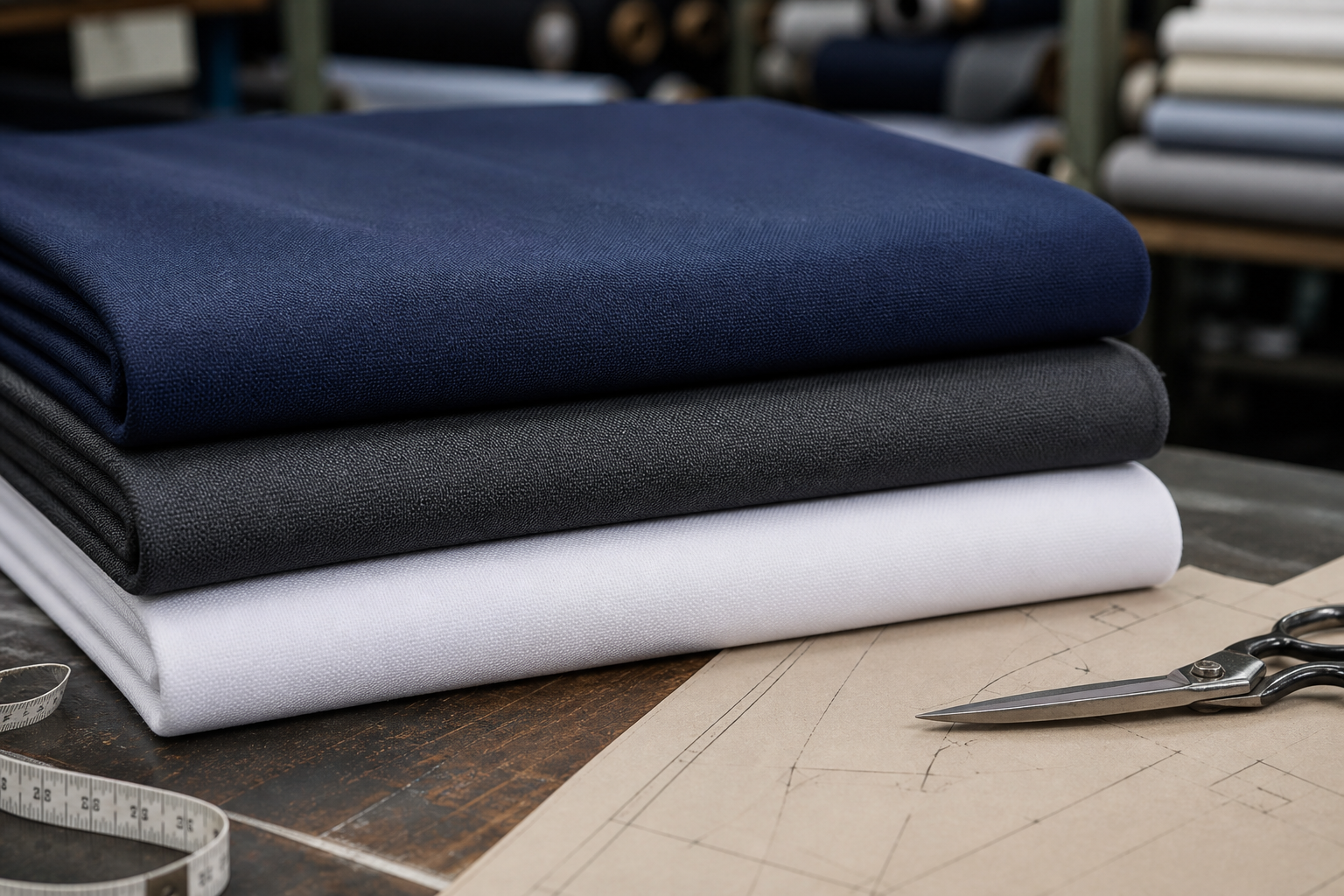
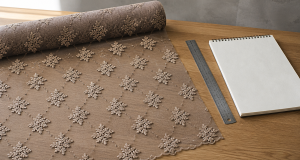
Decorative fabric roll length is the number of usable metres or yards on a single roll, measured and confirmed against the figure on the roll ticket. It matters because every cutting plan is built on a quantity assumption. When decorative fabric roll length is short, the order runs out before the last panel is cut, and the replacement roll may arrive from a different dye lot.
Key Takeaways
- Roll length is a commercial term, not only a warehouse note.
- Confirm whether the stated length is usable length or total roll length.
- Measure with the fabric relaxed and flat, not pulled under tension.
- Reconcile delivered length against the invoice before cutting begins.
- Agree a short-roll remedy in writing before the order ships.
What Is Decorative Fabric Roll Length?
Decorative fabric roll length is the measured length of fabric on a roll, expressed in metres or yards, and compared with the length declared on the roll ticket and the purchase order. A roll that declares fifty metres but measures forty-eight is a short roll.
The definition sounds simple, but three details cause most disputes. The first is whether the length is measured flat or under tension. The second is whether the figure includes the unusable head end. The third is whether the length was measured at the factory before transit or at the buyer's warehouse after transit.
Because of these differences, the length rule should be written into the order, exactly like width and weight.
Why Roll Length Is a Commercial Issue
Fabric is usually bought by the metre or the yard, so a short roll is a direct cost. If you order two thousand metres and receive nineteen hundred and fifty usable metres, you have paid for fifty metres you cannot cut.
The indirect cost is often larger. A shortfall forces an extra roll, and that roll may come from a new dye lot. The result is a shade difference in the finished order, which is a quality problem on top of a quantity problem.
In addition, a shortfall disrupts the cutting plan. Markers are nested to a fixed quantity, and re-planning wastes time on the cutting table. Therefore, verifying length early is one of the highest-value checks a buyer can run.
Length sits alongside the controls described in our guide to decorative fabric roll inspection, where width, shade, and surface are checked at roll level.
How to Verify Decorative Fabric Roll Length
- Read the roll ticket first. Record the declared length and the roll number before touching the fabric.
- Let the roll relax. Allow the fabric to rest so tension from winding does not stretch the measurement.
- Measure on a flat surface. Run the fabric along a measured table or a certified measuring machine.
- Apply light tension only. Pull enough to remove folds, not enough to stretch the cloth.
- Mark and total each pass. Add the passes carefully and write the running total down.
- Note the head end. Record how much of the beginning is unusable because of damage or creasing.
- Compare with the declared figure. Calculate the difference in metres and as a percentage.
- Record the result per roll. Mark each roll pass, hold, or reject with the inspector's name and date.
Roll Length Terms Buyers Confuse
| Term | Meaning | Why it matters |
|---|---|---|
| Total roll length | Everything wound on the roll | Includes unusable head and tail |
| Usable length | Length that can be cut after rejecting damaged areas | This is what your cutting plan uses |
| Declared length | The figure on the roll ticket | The basis of the invoice |
| Measured length | The figure you find on your table | The basis of a claim |
| Short roll | A roll below the agreed minimum | Triggers the remedy clause |
Ask the supplier which definition they use, and write the answer into the order confirmation.
Typical Causes of Short Rolls
| Cause | Where it happens | Buyer action |
|---|---|---|
| Roll ticket error | Packing and labelling | Reconcile the total delivered quantity |
| Head-end removal | Finishing or inspection | Clarify whether declared length includes the head |
| Fabric stretched during winding | Rolling | Measure after relaxation |
| Moisture regain or loss | Transit and storage | Measure under consistent conditions |
| Count error on mixed orders | Packing of multiple rolls | Count every roll against the packing list |
| Joins inside the roll | Mill splicing | Agree whether joins are permitted at all |
Purchase Order and Inspection Checklist
- Ordered quantity in metres or yards, per colour
- Declared length per roll and roll count
- Definition of length: total or usable
- Permitted short-roll allowance and minimum acceptable roll
- Rule on joins and splices inside a roll
- Measurement condition: relaxed, flat, light tension
- Roll ticket content and numbering system
- Packing list reconciliation before cutting
- Remedy: replacement, credit, or restricted use
- Record sheet with roll number, measured length, and result
How to Reconcile Delivered Length Against the Invoice
- Count the rolls. Confirm the number of rolls matches the packing list.
- Measure each roll. Record the measured length next to the declared length.
- Total the measured length. Compare the total with the invoiced quantity.
- Quantify the difference. Report it in metres and as a percentage of the order.
- Separate causes. Distinguish a true shortfall from a head-end allowance that was already agreed.
- Notify the supplier quickly. Send the record with photographs of the roll tickets.
- Agree the remedy in writing. Replacement, credit, or use on a lower-value style.
Length is also affected by shrinkage and by relaxation. Our protocol for decorative fabric shrinkage testing explains how to measure those effects, and the guide to sequin fabric weight in GSM and gram per yard covers the weight figure that usually travels with length on a roll ticket.
How Roll Length Affects Cost Per Usable Metre
The invoice price is not the real cost. The real cost is price divided by usable length. A roll that is three per cent short raises the effective cost per usable metre by roughly three per cent, before any cutting waste is counted.
When you add head-end waste, damaged sections, and joins, the gap widens. Therefore, comparing two suppliers on price alone can be misleading. Compare them on usable length and on the short-roll remedy instead.
In practice, a supplier with slightly higher pricing and reliable length is often cheaper at the cutting table. That is the number that reaches the profit and loss account.
Storing Rolls So Length Stays Accurate
Storage changes measured length. Fabric that absorbs moisture can relax and lengthen slightly, while fabric stored under tension on a tight core can measure long and then settle shorter after unrolling.
Therefore, store rolls horizontally on a clean rack, away from direct sunlight and damp floors. Let each roll rest before measuring, and measure under the same conditions every time. Consistent storage makes length records comparable from one shipment to the next, which is exactly what a supplier discussion needs.
Frequently Asked Questions
Should roll length be measured before or after relaxing?
After relaxing. Fabric wound under tension can measure long at the factory and shorter once it rests. Agree the relaxation condition in the specification.
Is a small shortage acceptable?
Many orders allow a small tolerance, but it must be written into the purchase order. Without a written allowance, any shortage is a claim.
Are joins inside a roll allowed?
This is a commercial choice. Some buyers accept a limited number of joins on long rolls, and others refuse them completely. State the rule clearly.
How do I handle a roll that measures short?
Photograph the roll ticket and the measured length, record the difference, and send the evidence to the supplier the same day. Then agree the remedy in writing.
Does roll length affect the invoice even if the total order is complete?
Yes. Even when the total quantity is correct, individual short rolls can break a cutting plan. Reconcile both the total and the individual rolls.
Conclusion: Check Length Before You Cut
Decorative fabric roll length is easy to verify and expensive to overlook. Fifteen minutes with a measuring table and a record sheet prevents a shortfall that would otherwise appear in the middle of a cutting run.
Therefore, define the length rule, measure every roll, reconcile the total with the invoice, and agree the remedy in advance. That process protects your cutting plan, your shade consistency, and your margin. Build it into the wider plan described in our guide to building a fabric quality control plan.
Get Decorative Fabric Samples for Your Next Order
Confirm length, width, weight, and hand feel on your own specification before you commit to bulk. Yunfan Textile produces decorative, sequin, and embroidery fabric for B2B buyers worldwide.
Source direct on Alibaba - request bulk pricing, specifications, and production details in one place.
Request Sequin Fabric Samples and share your target GSM, width, sequin size, and colour reference.
Talk to Morris directly:
Email: morris@yunfantextile.com
WhatsApp: +86 156 3752 5803
WhatsApp: +86 175 1619 6727