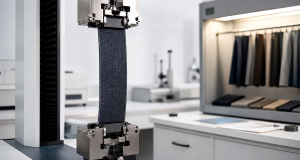
Decorative fabric tensile strength tells you how much pulling force a woven base can take before it tears. In practice, warp and weft behave differently, and that gap decides whether your panels hold up in sewing, upholstery, or performance use. This guide explains warp and weft strength, the test methods buyers use, and the checks that protect a 200-yard order. First, understand the direction of load. Then compare warp and weft numbers. Finally, match the figures to the end use. As a result, you avoid fabrics that fail after cutting or stitching.
What Is Decorative Fabric Tensile Strength?
Decorative fabric tensile strength is the maximum force a strip of fabric withstands before it breaks. Warp yarns run lengthwise, along the roll. Weft yarns run crosswise, from selvage to selvage. Because warp yarns face higher tension on the loom, they are often stronger. Weft yarns, by contrast, bend more during weaving, so they may be weaker.
This difference matters because a fabric can pass lengthwise and still fail crosswise. Therefore, buyers should always read both numbers, not one average.
Key Takeaways
Use these points when you review a supplier report.
- Tensile strength is directional, so check warp and weft separately.
- A balanced base resists tearing in both directions.
- Stronger yarns and higher density raise strength.
- Faulty edges and slubs lower the weakest link.
- Match strength to the end use, not to a single number.
How Do You Test Warp and Weft Strength?
A simple lab method gives repeatable numbers. Follow these steps.
- Cut warp and weft strips to the same width, usually 25 mm or 50 mm.
- Condition the samples so temperature and humidity stay stable.
- Clamp each strip so the load pulls along one direction only.
- Pull at a fixed speed until the strip breaks.
- Record peak force for warp and for weft.
- Repeat several times and average the results.
- Compare the two directions and note the weaker one.
- Match the numbers to your end-use requirement.
As a result, you see the fabric behavior, not just a headline figure. Methods such as ASTM D5034 are common for this test.
Warp vs Weft: Where Each One Wins
| Factor | Warp (lengthwise) | Weft (crosswise) |
|---|---|---|
| Direction on roll | Along the length | Selvage to selvage |
| Loom tension | Higher | Lower |
| Typical strength | Often higher | Often lower |
| Stretch behavior | Less give | More give |
| Failure risk | Low in use | Higher in use |
However, this pattern is not fixed. A dense weft with strong yarns can rival warp values. Always confirm with test data.
Buyer Checklist and Order Fields
| Field | What to confirm |
|---|---|
| Warp value | Peak force in N or lbf |
| Weft value | Peak force in N or lbf |
| Test method | ASTM D5034 or equivalent |
| Sample width | 25 mm or 50 mm |
| End use | Apparel, upholstery, or event |
| Order size | 200 yards minimum |
In addition, request a matched sample so you can feel the hand before bulk. Pair the data with a decorative fabric sample approval step for full control.
Common Strength Defects and Their Causes
Weak spots rarely appear by chance. They trace back to known causes.
| Defect | Symptom | Cause |
|---|---|---|
| Weak weft | Tears crosswise | Low weft density |
| Edge tearing | Failure at selvage | Faulty edges |
| Yarn slip | Gaps in the weave | Low twist yarns |
| Uneven values | Wide roll-to-roll range | Inconsistent yarn |
For example, a loose weft tears when the fabric is pulled across the roll. Therefore, weft density and yarn twist matter as much as raw fiber strength. In addition, weak edges fail first, because they carry load during handling and sewing.
How to Specify Tensile Strength in Your RFQ
Give your supplier clear targets so the sample meets the end use.
- State the fabric and finish.
- Provide the minimum warp value.
- Provide the minimum weft value.
- Name the test method, such as ASTM D5034.
- Set the sample width for the test.
- Confirm the order quantity, starting at 200 yards.
As a result, the mill can adjust yarn and density before weaving.
Quality Control Checks Before Shipment
Confirm the data and the hand on every order.
- Review the warp and weft test report.
- Check values against the agreed targets.
- Inspect edges for slubs and faults.
- Feel the hand to confirm the weave is not harsh.
- Compare a current sample with the approved one.
Moreover, test a second roll, because yarn batch changes can shift strength.
Cost and Lead-Time Factors
Stronger fabric usually costs more, because it uses better yarn or higher density. Yet weak fabric costs more in returns and rework. Therefore, match strength to the end use instead of overbuying. For upholstery and performance goods, higher values pay for themselves. For light decorative use, a balanced base is enough. Volume also lowers the per-yard price, so a 200-yard run spreads fixed costs well.
Working With Your Supplier
Ask for raw test values, not a single average. Then keep the report with your approved sample. A supplier who shares both directions of data helps you predict performance. You can pair this with your usable yield checks. Finally, revisit the targets when the end use changes, because a stronger fabric is not always the right one.
How Tensile Strength Shapes the Finished Product
Strength decides how a product performs in use. Panels under load, such as upholstery or stage backdrops, need balanced warp and weft values. In addition, seams concentrate stress, so a weak direction fails there first. Therefore, buyers who match strength to the end use avoid torn seams and sagging forms. Meanwhile, a fabric that is too stiff adds weight without benefit, so balance matters as much as raw power.
Sample Approval Workflow for Strength
Confirm the data and the hand together.
- Request warp and weft test values.
- Check the method and sample width.
- Feel the hand for comfort and drape.
- Compare against targets for the end use.
- Archive the report with the approved sample.
Moreover, note the yarn batch, because a new batch can shift strength by a few percent.
Key Terms for Strength Testing
Warp
Warp yarns run lengthwise along the roll. They often carry higher loom tension and higher strength.
Weft
Weft yarns run across the width, from selvage to selvage, and often show more give.
Elongation
Elongation is how far a strip stretches before it breaks. It shows stretch, not just strength.
Storage and Handling for Strong Fabric
Even strong fabric can be damaged by poor handling.
- Support rolls on cores to protect the edges.
- Store flat and dry, away from damp floors.
- Avoid dragging rolls across rough surfaces.
- Label each roll with warp and weft values.
- Rotate stock so older rolls ship first.
Therefore, good storage keeps the weave intact and the data traceable. In addition, a labeled roll helps the cutting floor match the right fabric to the right order.
Overlooked Details That Decide Strength Quality
Small habits protect strength. First, test after every yarn batch change, because values drift. Next, check the selvage, since edge faults fail first. Then confirm the sample width used for testing, because a narrow strip reads higher. Finally, keep the report with the approval file, so both sides compare against the same numbers.
Additional Buyer Considerations for Strength
Strength interacts with the whole product. A seam concentrates load, so a strong fabric can still fail at the stitch line, which is why seam strength deserves its own test. In addition, a heavier finish can add stiffness without adding much strength, so weigh feel against numbers. Meanwhile, a wide sample width reads differently from a narrow one, so keep the method constant. Finally, note the yarn batch, because it drives small changes in value.
Next Steps for Buyers
Begin with a sample that includes the warp and weft data. Then feel the hand and check the edges. After that, set your targets and share them before the 200-yard run. Once approved, archive the report with the swatch. That routine keeps your product strong where it matters.
Source direct on Alibaba - request bulk pricing, specifications, and production details in one place.
FAQ
Is warp always stronger than weft?
Usually, but not always. Yarn quality and density can flip the result, so test both directions.
Which test method should I request?
Ask for a strip test such as ASTM D5034, and ask for the raw warp and weft values.
Does strength change after dyeing?
It can. Heat and tension in finishing may relax yarns, so test the finished fabric, not only the greige.
Why does durability matter for decoration?
Strong bases resist tearing at seams and edges, which keeps finished goods intact. See our notes on fabric creep and recovery for related behavior.
Conclusion
Decorative fabric tensile strength is a two-direction number, and both matter. Review warp and weft, confirm the method, and match the data to your end use. Do that, and your 200-yard order holds up where weaker fabric would fail.
Request Sequin Fabric Samples
Send your artwork, target colorway, and order size. We reply with a clear plan, then ship samples so you can approve before bulk production. Our minimum order is 200 yards.
- Contact: Morris
- Email: morris@yunfantextile.com
- WhatsApp: +86 156 3752 5803
- WhatsApp: +86 175 1619 6727
- MOQ: 200 yards