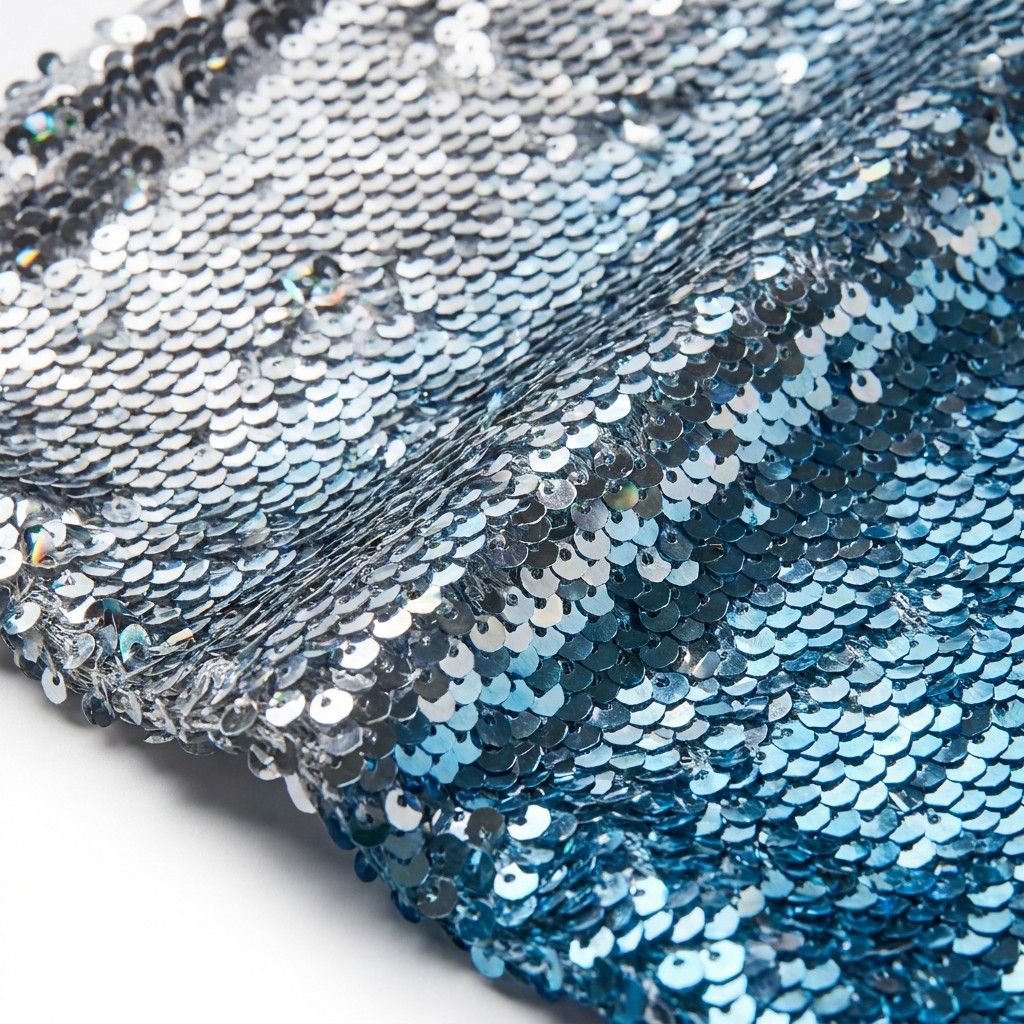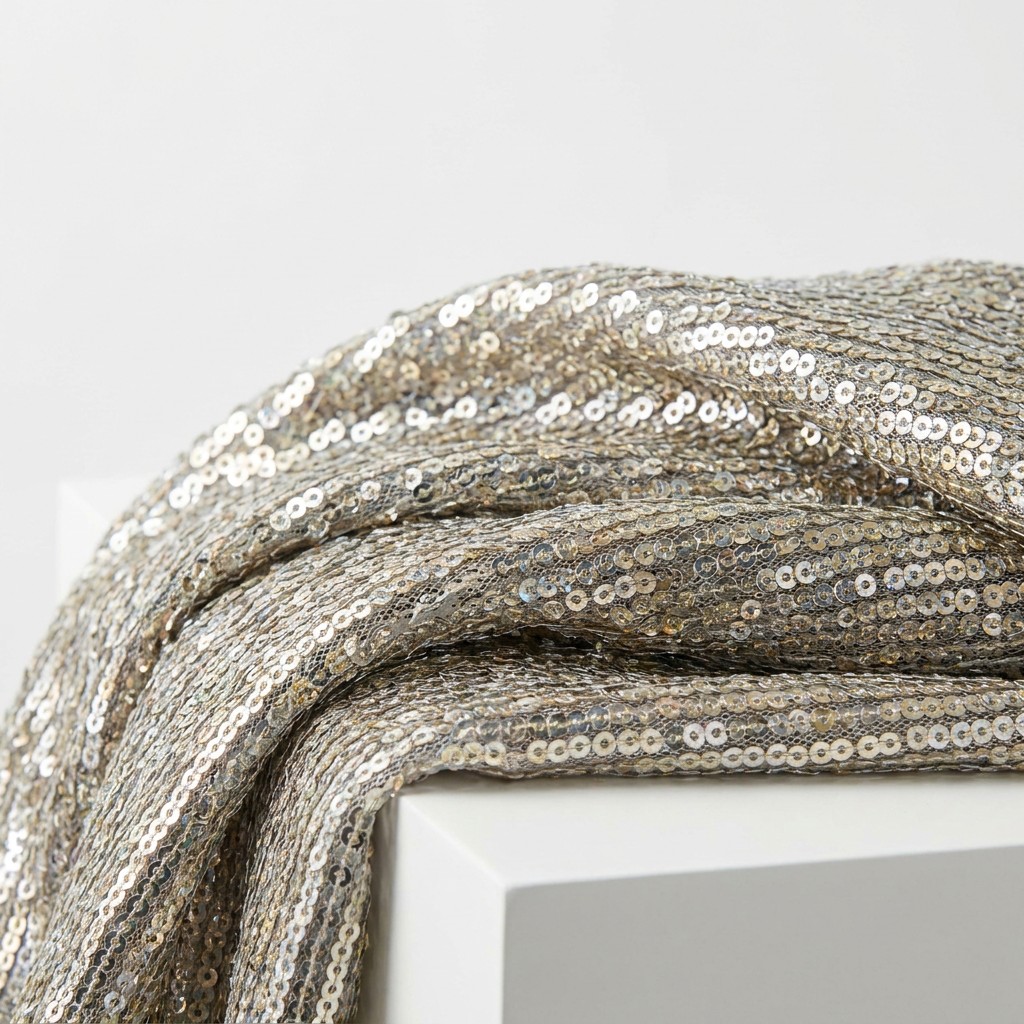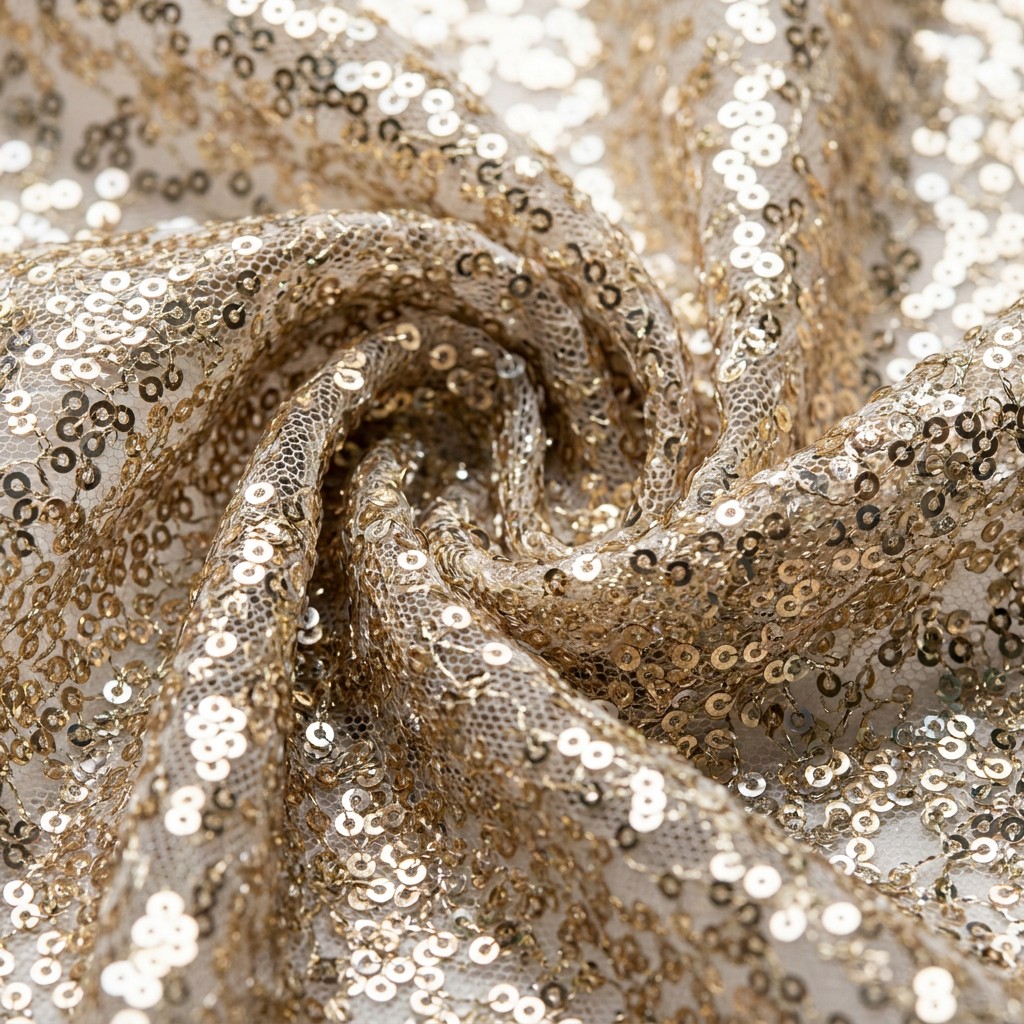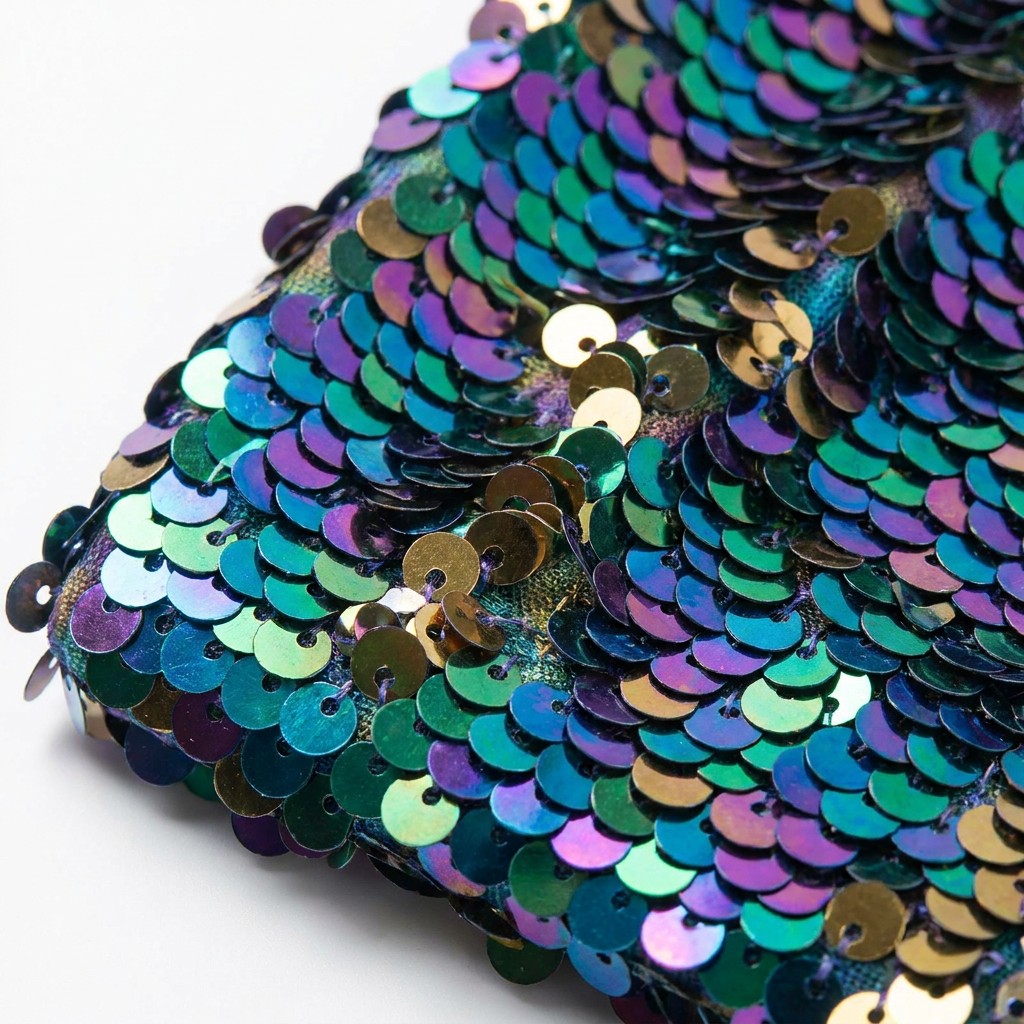
Quick answer: Sequin fabric wash care is the set of routines that keeps a sequinned cloth looking the same after cleaning as it did when it was approved. Build a protocol by washing one panel the way your end customer will wash the garment, recording what changed, and writing the result into the care label and the supplier specification. Test before bulk, not after.
Key Takeaways
- Wash care is a specification item, not an afterthought. It belongs beside the colour, width and sequin size on the spec sheet.
- Always test a panel, not a swatch card. Sequins sit differently once the cloth is full width.
- Record four results after every trial: sequin seating, base cloth size, colour change and hand feel.
- Care labels should describe the gentlest routine that still cleans the garment.
- Keep the tested panel with the approved sample so repeat orders can be checked against a physical reference.
What Sequin Fabric Wash Care Means
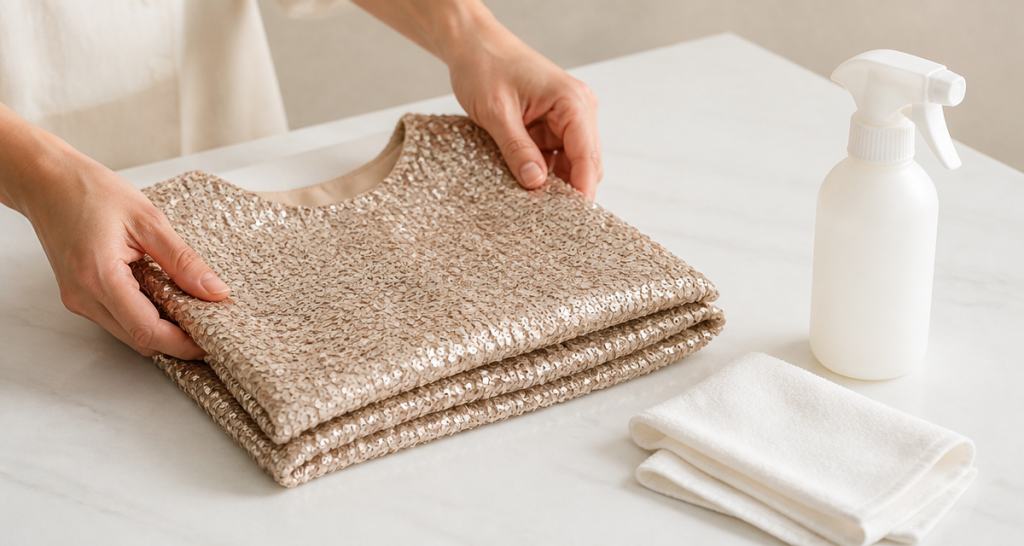
Sequin fabric wash care is the practice of cleaning and drying a sequinned cloth without changing its surface, its colour or its hand. It covers the machine or hand routine, the water temperature, the detergent, the drying method and the storage that follows.
For a B2B buyer, the subject has two audiences. The first is the end customer, who needs a care label that is simple enough to follow at home. The second is your own quality team, who need a written record showing that the fabric behaves predictably so that a repeat order can be judged against a known result.
Getting this right protects margin. A garment returned because the sequins lifted in a domestic wash costs far more than the extra panel it takes to test the cloth properly.
How to Build a Sequin Fabric Wash Care Protocol
- Define the customer routine. Establish whether the finished product will be hand washed, machine washed on a delicate cycle, or dry cleaned.
- Cut a full-width test panel. Use at least 40 cm so the sequin rows behave as they will in production.
- Photograph the panel before washing. Use one fixed lamp and one fixed distance.
- Run the routine. Use the detergent and temperature you intend to recommend, and nothing harsher.
- Dry it the recommended way. Flat drying and hanging give different results, so test the method you will print.
- Compare against the reference photograph. Check sequin seating, colour, base cloth size and hand feel.
- Write the result into the spec sheet and the care label. Attach the panel to the approved sample record.
Anyone in the supply chain can repeat those seven steps, which is what makes the result defensible.
Wash Behaviour Test Record
| Field to record | How to check it | What a pass looks like |
|---|---|---|
| Sequin seating | Count lifted or rotated sequins across the panel | Sequin rows stay aligned with the reference image |
| Colour change | Compare the washed panel with an unwashed offcut | No visible shift under the fixed lamp |
| Base cloth size | Measure the panel before and after drying | Measurement matches the pre-wash figure within your tolerance |
| Hand feel | Fold the panel and compare with the sample | Fall and flexibility remain recognisable |
| Thread and stitching | Inspect the reverse side | No loose threads, no lifted stitch lines |
| Edges | Look along the cut edge and any border | No fraying or curling beyond the original |
Complete this sheet once for every base cloth and sequin combination you plan to sell. It takes minutes and it answers the most expensive question a buyer can be asked: why did this batch behave differently?
What Changes After a Wash
Four things move, and each one has a different cause.
Sequin seating and thread tension
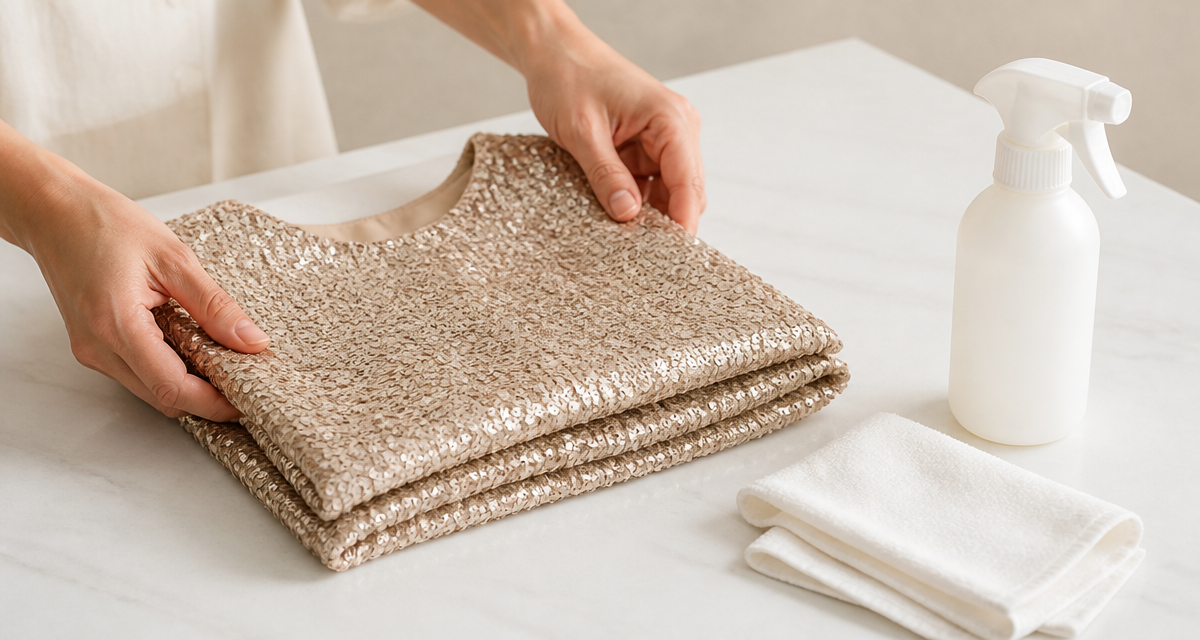
Sequins are held by thread. If the tension is uneven, agitation can rotate individual sequins or leave a short section of the row sitting proud. This is the most common complaint and the easiest to prevent, because it is usually visible on the panel before washing.
Base cloth shrinkage
Mesh and knit bases can relax or tighten when they meet warm water. If the base moves more than the sequin row, the surface can ripple. Always measure the panel rather than judging it by eye.
Colour and light reflection
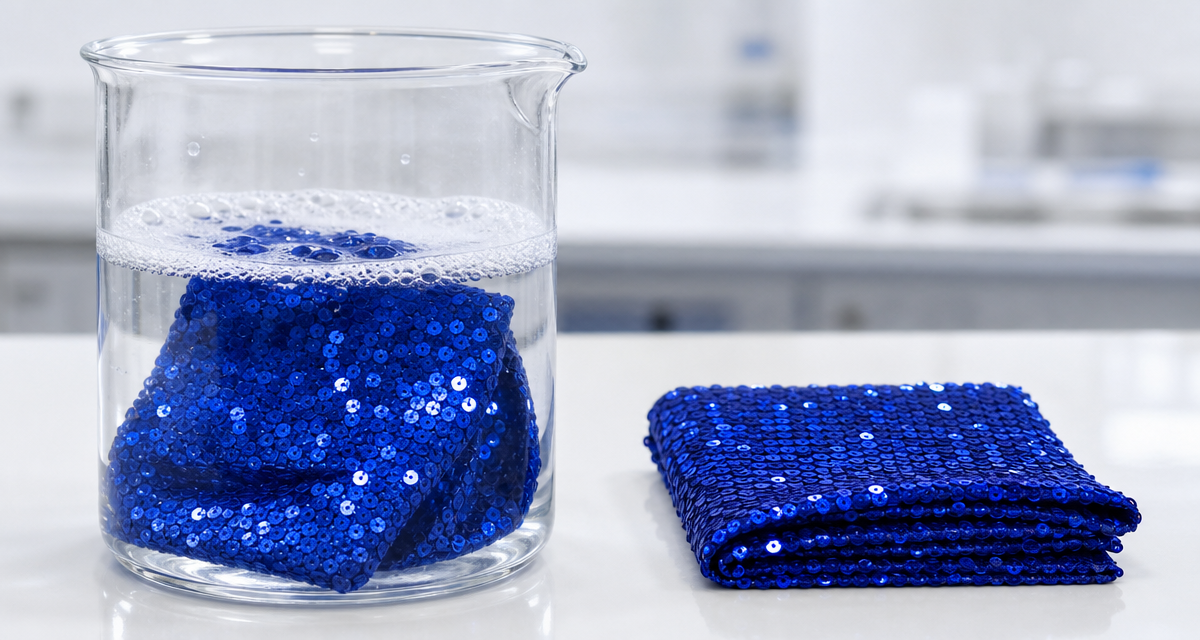
Sequins reflect light from their surface coating, so any change to that coating changes the shade the customer sees. Compare the washed panel with an unwashed offcut under the same lamp, and never under a window.
Hand feel and drape
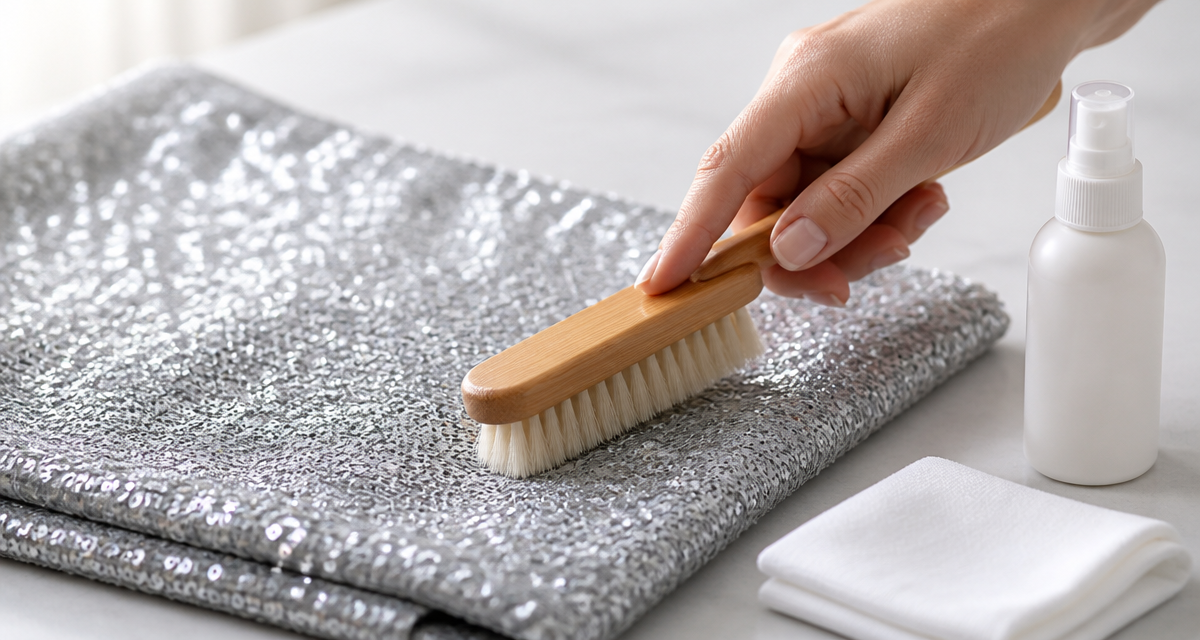
Cleaning can soften or stiffen a cloth, and that change shows up in the garment silhouette. Review the washed panel against the same fold test you used at approval, which is described in our guide to sequin fabric drape.
Checklist: Care Label and Handover Fields
- Wash method: hand wash or delicate machine cycle.
- Maximum water temperature you are willing to recommend.
- Detergent type, and whether bleach must be avoided.
- Drying method: flat, line or tumble setting.
- Ironing guidance, including whether a pressing cloth is required.
- Storage guidance: hang or fold, and how to avoid pressure marks.
- Reference panel identifier linking the label wording to the tested sample.
Send the same wording to your supplier so that care advice matches what the factory actually tested. If the printed label and the tested routine disagree, the test result is worthless.
Storage and Handling After Delivery
Care does not end at the wash. Sequin fabric stored under pressure for a long period can take a set, and sequin edges can catch on neighbouring rolls. Keep rolls upright where possible, avoid stacking heavy cartons directly on the cloth, and let panels relax before cutting or photographing them. Our guide to reducing snagging risk when sewing sequin fabric covers the handling points that matter most on the cutting table.
When the order arrives, check the shipment against the record you approved. The steps in our pre-shipment inspection checklist for sequin fabric can be used again when goods are received. For repeat orders, keep a washed panel from the first approved lot and compare each new lot with it, as described in our guide to keeping sequin fabric quality consistent in repeat orders.
Source sequin fabric with a tested care record
Ask for base cloth, sequin size and care trial results in one sample set before you confirm a bulk order.
Frequently Asked Questions
Can sequin fabric be machine washed?
Often yes, on a delicate cycle with a mild detergent, but the answer depends on the base cloth and the sequin type. Test a full-width panel in the exact routine you plan to print before you promise it to a customer.
How do I stop sequins from lifting in the wash?
Most lifting starts with uneven stitch tension. Ask your supplier to review tension across the full width, then re-test a panel. Turning the garment inside out and using a laundry bag also reduces contact between sequins.
Should sequin garments be dry cleaned instead?
Dry cleaning is a reasonable recommendation when the base cloth is delicate or the sequins are large and loosely set. It is not a substitute for testing, because solvent can still affect the sequin surface coating.
How do I compare a washed panel with the approved sample?
Keep an unwashed offcut from the approved lot. Wash the panel, then photograph both pieces together under the same lamp at the same distance. Compare sequin seating, colour and hand feel on the pair.
Does wash care affect fabric cost?
It can. A cloth that survives a simpler routine may allow a lower-cost care label, fewer returns and less rework. Treat the care trial as part of the total cost of the order rather than a separate quality task.
Request Sequin Fabric Samples
Request Sequin Fabric Samples and run your own wash trial on the panel before you commit to bulk. Orders start from 200 yards, and sample sets can include several base cloths so you can compare how each one behaves after cleaning.
Send your planned care routine, base cloth and sequin size to Morris at morris@yunfantextile.com. For a fast reply, message us on WhatsApp: +86 156 3752 5803 or +86 175 1619 6727. Tell us how the finished garment will be cleaned, and we will match the base cloth and stitching to that routine.
Conclusion
Sequin fabric wash care is a short piece of work that prevents a long, expensive problem. Choose the routine your customer will really use, test a full-width panel, record four results and write them into the care label and the spec sheet. Do it once per base cloth, and every repeat order afterwards has a physical reference to be measured against.