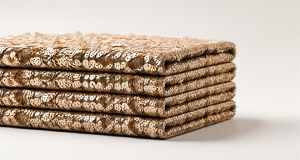
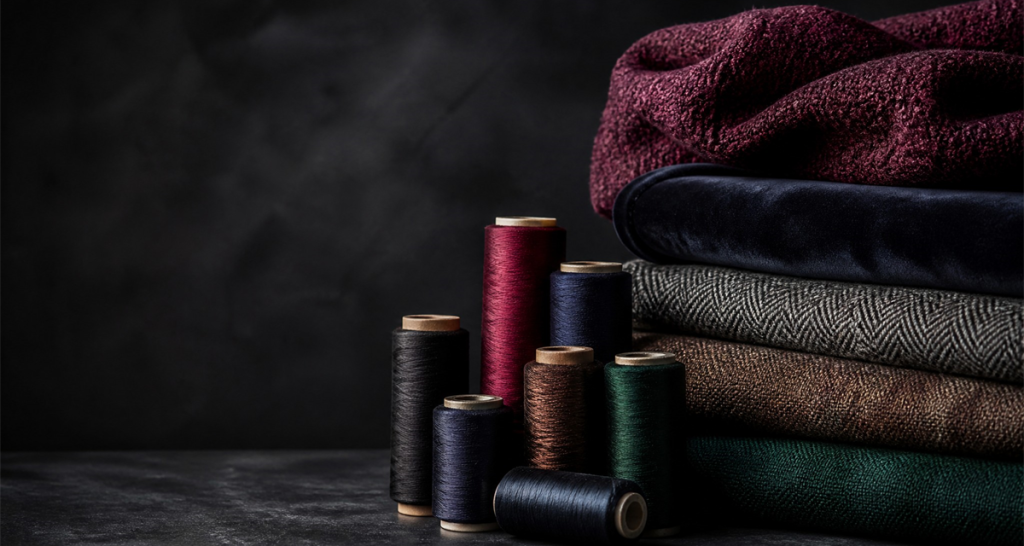
An embroidery thread shade card is a physical reference of the exact threads approved for a style, showing the thread reference number, the supplier, the lot, and the finished stitch on the actual base fabric. It is the document that keeps a motif the same colour from the first sample to the tenth repeat order. Buyers who approve thread by name alone, or by a screenshot on a phone, discover the difference when two cartons of the same style arrive in slightly different tones. This guide explains how to build a shade card, how to approve it, and how to keep it valid across production runs.
Key Takeaways
- Approve thread on the real base fabric under real lighting, never on a colour screen.
- Record the thread brand, reference number, lot, and supplier on one sheet per style.
- Keep two sets: a working card on the floor and a sealed reference card in the office.
- Re-approve whenever the thread brand, base fabric, or finish changes.
- Store the card away from light and dust, because both shift a reference over time.
What an Embroidery Thread Shade Card Contains
A thread shade card links a colour decision to a physical, traceable object. A complete card carries four layers of information at once: the thread identity, the physical stitched sample, the conditions it was approved under, and the person and date of approval. Without the physical sample, the card is only a list. Without the conditions, the card cannot be reproduced. Without the approval record, nobody can say whether the card is still current.
The reason buyers need a card rather than a colour name is simple. Thread references are supplier specific. The same visual tone carries different reference numbers across brands, and one brand can retire a reference and replace it with a close match. A card fixes the reference that was actually approved, on the fabric that was actually used, at the time it was approved.
Why Thread Shades Drift in Production
Four causes explain almost every thread colour complaint.
- Thread lot change. Dye lots vary slightly even within one reference number, so a new lot can read warmer or cooler than the approved sample.
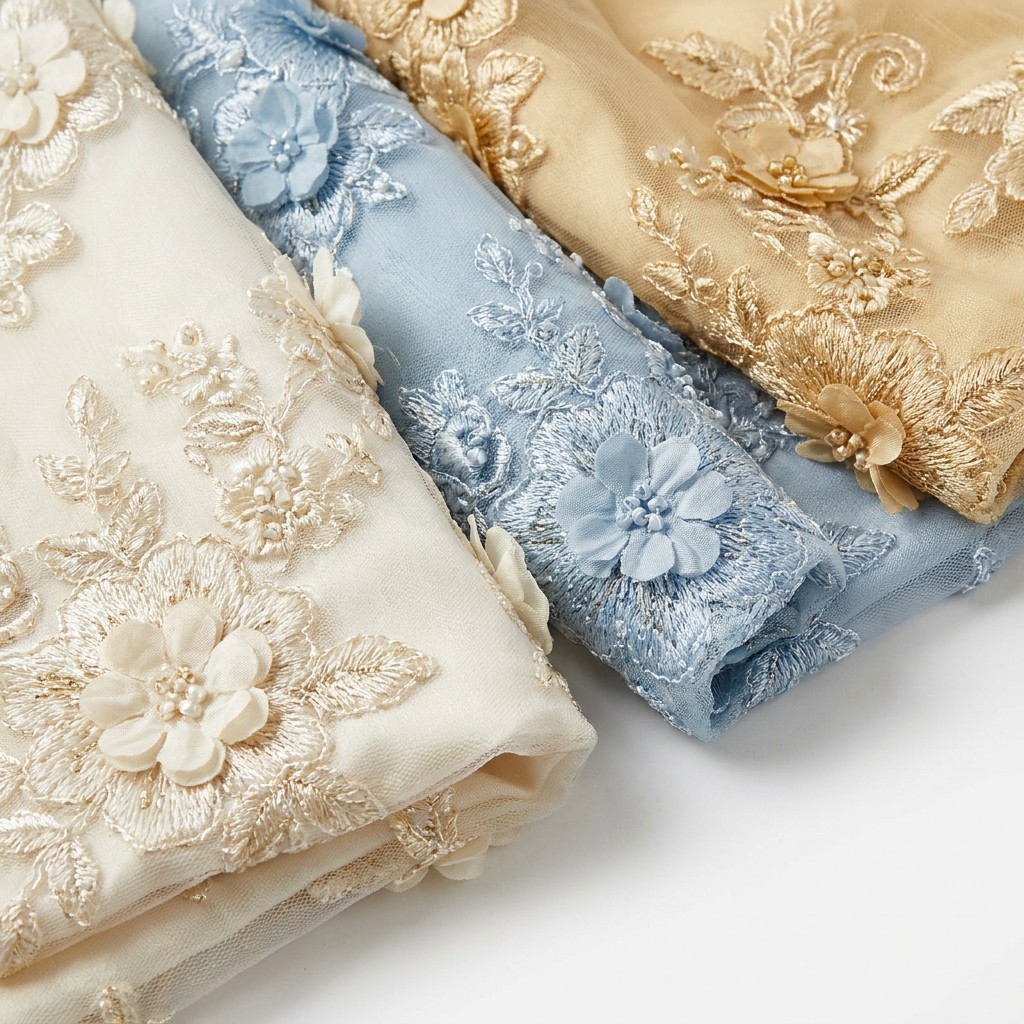
- Base fabric change. The same thread looks different on ivory mesh, champagne mesh, and a backed fabric, because the base reflects light back through the stitch.
- Stitch density and direction. Denser stitching compresses thread and changes how light hits the surface, which is why density decisions belong next to the shade approval.
- Finishing and heat. Heat setting, steaming, and any coating applied after embroidery can shift tone slightly.
None of these causes is a defect on its own. They become defects when the buyer has no approved reference to compare against, because then the discussion becomes a matter of memory and opinion.
How to Build a Thread Shade Card
Build one card per style and per colourway, using the same sequence every time.
- Confirm the base fabric and the exact construction that will carry the embroidery.
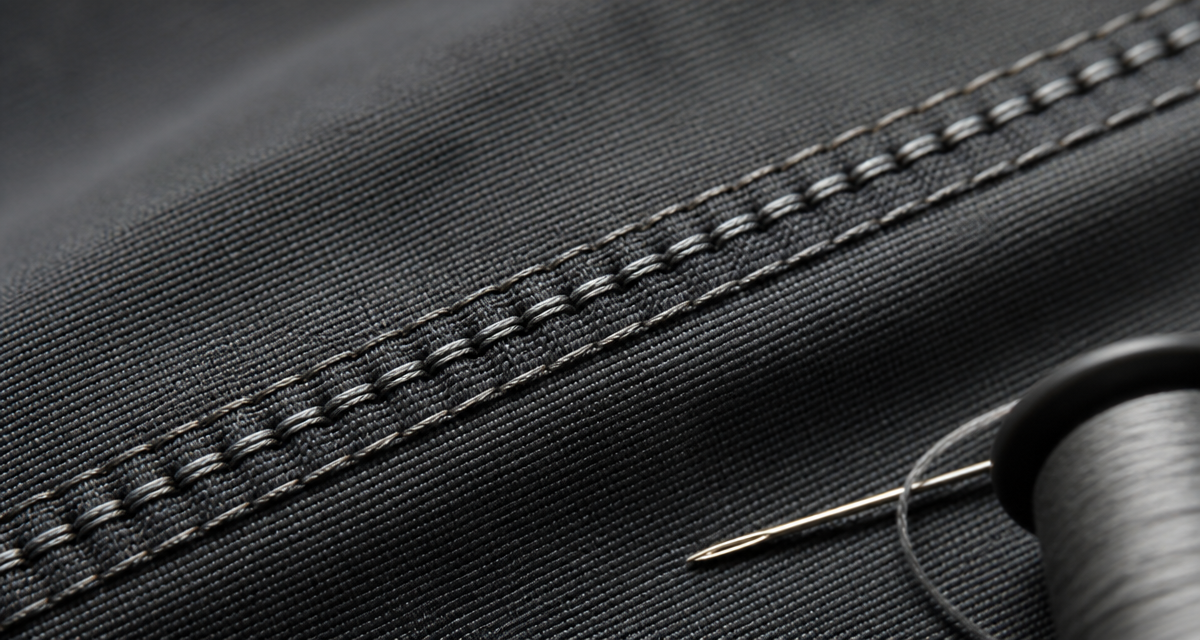
- Stitch a square of each candidate thread at the production density and direction.
- Label each square with the thread brand, reference number, and lot number.
- View all squares together under daylight and under the lighting of the end market, such as warm retail or cool stage light.
- Select the approved thread and mark the selected square clearly.
- Photograph the approved square next to a neutral grey card for the digital file.
- Sign and date the card, then seal a duplicate copy for the office reference set.
Step three is the one that saves money later. When the thread lot is written down, a repeat order can be checked against the original lot before machines are threaded.
Comparing Thread Reference Systems
| Reference type | What it controls well | Where it is weak |
|---|---|---|
| Brand and reference number | Repeatability inside one brand | Breaks if the brand retires the reference |
| Pantone or colour-standard match | Communication between design and mill | Does not define sheen or thread type |
| Physical stitched sample | Final appearance on the base fabric | Needs to be stored and replaced |
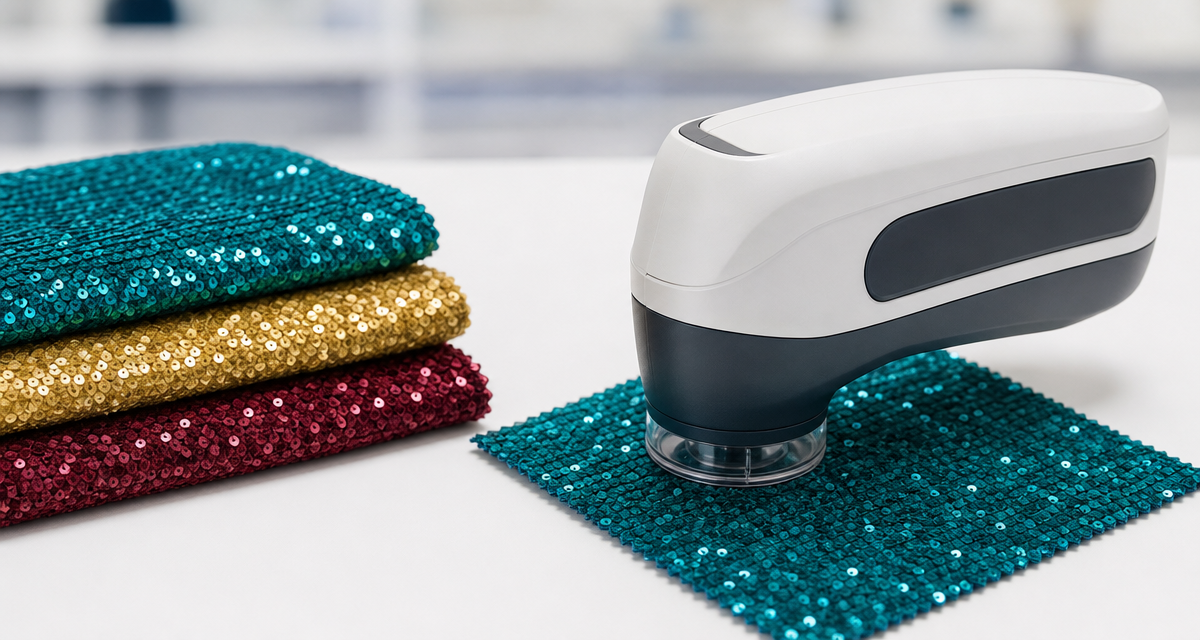
| Instrument reading | Objective comparison of lots | Needs a defined measurement condition |
The strongest approval combines all four: a reference number, a colour standard, a stitched sample, and one instrument reading. Where a card is weak, it is usually because one of the four is missing.
Where Thread Shade Approval Fails
Approving from a screen
Screens render colour differently and change with brightness. Approve from the physical stitch, and use the screen only for earlier, cheaper discussions.
Approving without the base fabric
A thread approved on white mesh may fail on a dark base. Always stitch on the production base, as described in lab dip approval for sequin fabric.
Ignoring stitch density
Density changes the colour the eye reads. Confirm the density figure first, using the method in the embroidery stitch density guide, then approve the thread.
Losing the card
A card that stays in the sample room does not protect production. Keep one working copy with the machine supervisor and one sealed copy in the commercial file.
Thread Shade Card Checklist
- Style code, colourway, and season
- Thread brand, reference number, and lot number
- Thread type and count
- Base fabric code and finish
- Stitch type, density, and direction
- Viewing conditions used for approval
- Photograph with a neutral grey card
- Approved by, signature, and date
- Duplicate sealed reference location
Keeping Thread Colour Consistent Across Repeat Orders
A shade card only works if it is used. Add three habits to your sourcing routine. First, ask for the thread lot number on every production update and compare it with the approved card before embroidery starts. Second, keep a small stitched square from each bulk run and store it with the card, so a trend becomes visible after two or three orders rather than after a complaint. Third, treat any change of base fabric or finish as a trigger for re-approval, because both change the appearance of the same thread.
These habits connect directly to the checks used in sequin fabric colour matching under different lighting and in keeping sequin fabric quality consistent in repeat orders. Together they move colour from a matter of opinion into a documented process.
Thread Shade Approval Across Different End Markets
The same stitched sample can read differently in different markets, and shade cards should reflect that reality rather than ignore it.
Warm retail lighting
Warm store lighting pushes gold, coral, and blush tones warmer and can flatten the difference between two neighbouring shades. Approve warm colourways under warm light and check that the approved square still separates from the base.
Cool stage and event lighting
Cool light lifts silver, steel, and icy pastels and can make a warm neutral look muddy. For stage and event collections, add a cool-light photograph to the card so the production team sees the effect before bulk stitching begins.
Daylight photography
E-commerce and campaign photography usually happens under daylight or a daylight-balanced source. Because that is the light your customer will judge the product in, the daylight square should always be the primary reference on the card.
Adding three lighting notes costs one extra photo per colourway. It prevents the most common and most avoidable colour dispute, where a thread is approved under one light and rejected under another.
Finally, agree who owns the card. In most supply chains the buyer approves and the mill stores, but both parties need a copy. When responsibility is unassigned, the card is the first document to go missing and the first one needed when a repeat order arrives.
Frequently Asked Questions
Can one thread shade card cover several styles?
It can cover several styles that share the same base fabric and the same thread reference. As soon as the base or the finish changes, build a separate card, because the appearance changes with it.
How often should a shade card be replaced?
Replace it when the thread reference is discontinued, when the base fabric changes, or when the physical sample shows fading or soiling. Keep the sealed copy closed so it stays clean.
Do sequins and beads need their own approval separately from thread?
Yes. Sequins, beads, stones, and thread come from different supply chains and drift independently, so each needs its own reference sample on the same card.
Is an instrument reading necessary if the physical sample matches?
Not for a single order, but it becomes valuable for repeat orders. One reading per lot gives an objective trend line that a visual check alone cannot provide.
Conclusion
An embroidery thread shade card turns a colour decision into a traceable object with a reference number, a physical stitch, and a signature. Build it on the production base, record the thread lot, keep a sealed copy, and re-approve whenever anything upstream changes. Do that and thread colour stops being a recurring argument and becomes a controlled specification.
Approve thread on the real fabric. Send your colour direction, base fabric, and motif, then click Request Sequin Fabric Samples to receive stitched shade references on your production construction.
Contact: morris@yunfantextile.com
WhatsApp: +86 156 3752 5803
WhatsApp: +86 175 1619 6727