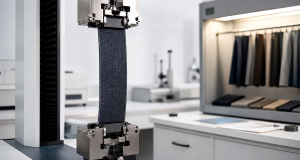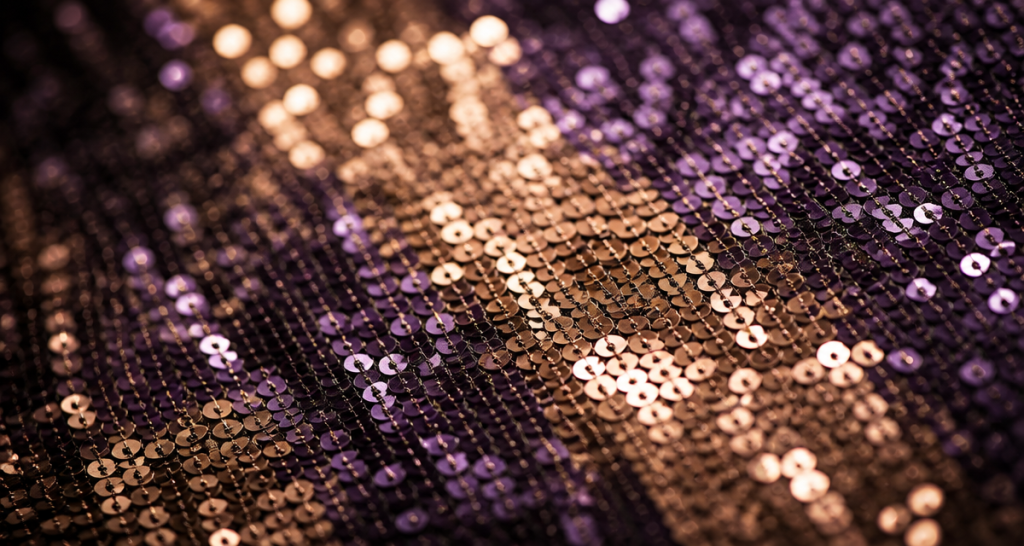
Fabric light fastness is the resistance of a dyed or printed textile to fading and shade change when it is exposed to light - and for decorative fabric it is one of the most expensive failures to discover after delivery. A drapery panel, an upholstered chair or an event backdrop can look perfect at inspection and still shift shade within weeks of installation. For B2B buyers, the answer is to specify a light fastness grade, agree the test method and the exposure cycle, and verify it with a real test report rather than a promise. This guide covers the grading scales, the test methods, the specification fields and the batch controls that keep decorative fabric light fastness predictable across repeat orders.
Key Takeaways
- Fabric light fastness is graded, not judged by eye - ask for a blue wool number or a xenon-arc result.
- Indoor drapery and outdoor application need different targets; one blanket grade will either over-cost or under-protect.
- Dye chemistry and fibre type matter more than the base shade, so two colours from the same mill can grade very differently.
- Heat, moisture and UV act together; a fabric that passes a dry exposure can still fail in a humid, sunlit window.
- Verify at lab-dip stage, then re-verify on the bulk lot, because dye lots vary.
- Record the grade, method and exposure cycle in the specification so the next order is comparable.
What Is Fabric Light Fastness?
Fabric light fastness is a measured property describing how much a colour changes after a defined dose of light exposure. The colour is measured before and after exposure, and the resulting shade change is converted into a grade. Because the test is standardised, the number is comparable between suppliers, labs and markets - which is precisely why buyers should insist on it.
Two grading systems dominate commercial sourcing. The blue wool scale runs from 1 (very poor) to 8 (excellent) and is widely referenced in apparel and home textile specifications. The grey scale for colour change runs from grade 1 to grade 5, often with half grades, and is frequently used when the brief is expressed as "no visible change". Both are valid; the mistake is to accept a grade without naming the system.
For decorative fabric the practical question is not the abstract grade but the exposure profile. A curtain lining that never sees direct sun, a printed cushion on a bright windowsill and a stage backdrop under constant theatrical lighting are three different problems, even when the base cloth is identical.
Why Light Fastness Matters for Decorative Textiles
Decorative textiles live in the most light-stressed positions in a building. That exposure profile turns a technical grade into a commercial risk.
- Drapery and window treatments: constant direct and reflected daylight across a wide surface area.
- Upholstery and cushions: uneven fading where sunlight falls on one side of a seat only.
- Event and hospitality fabric: repeated short, high-intensity exposure and frequent cleaning cycles.
- Stage and set textiles: intense, often UV-rich lighting over long rehearsal and run periods.
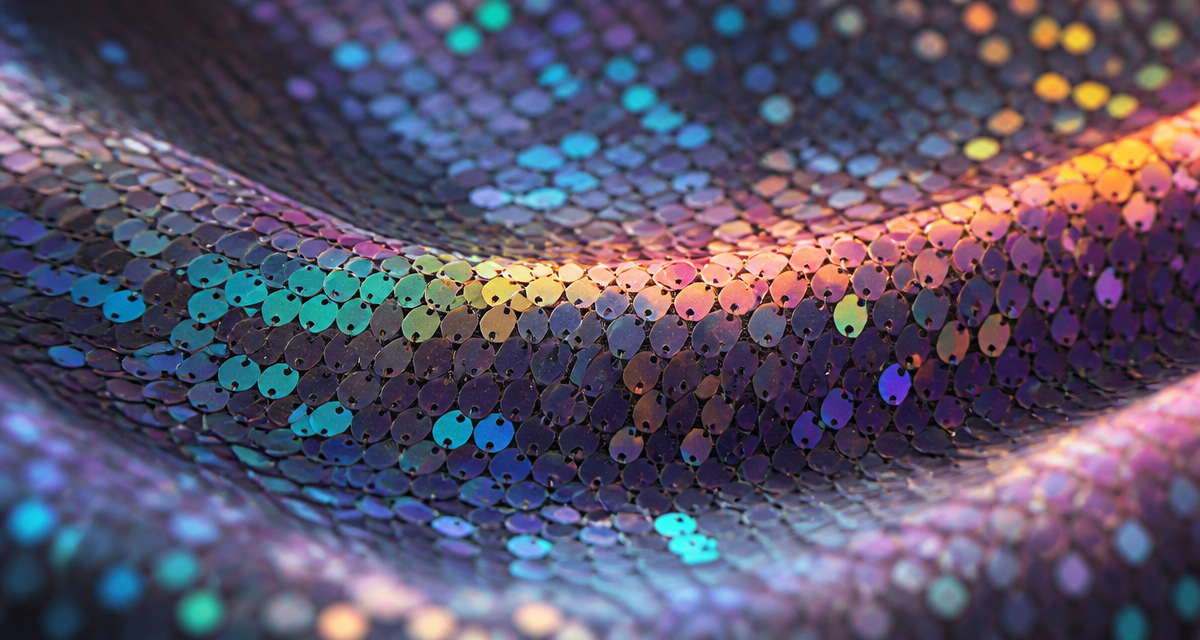
- Embellished surfaces: sequins and embroidery can fade at a different rate from the ground, creating a patchy effect rather than a uniform shift.
Fading rarely presents as a clean colour change. It usually appears as a hue shift, a loss of depth, a yellowing of light shades, or a difference between the ground cloth and its embellishment. That is why the assessment should always compare the decorated surface, not just the base fabric. Buyers working with embellished constructions should read our notes on sequin fabric colorfastness testing alongside this guide.
What Causes Decorative Fabric to Fade
- First, dye chemistry. Reactive and vat dyes on cellulosic fibres generally hold colour better than many disperse dyes on polyester, which is why the same shade can grade differently across substrates.
- Second, uV radiation. Ultraviolet light breaks the chromophore that creates colour. Blocking UV at the window is often cheaper than upgrading the fabric.
- Then, heat. Thermal energy accelerates the same degradation, so a hot, sunlit window is worse than a cool one.
- Next, moisture and humidity. Combined heat and moisture drive hydrolytic fading, which is why humid climates see faster change.
- After that, finishing chemistry. Some softeners, resins and flame-retardant treatments reduce light fastness as a side effect.
- Also, atmospheric pollutants. Nitrogen oxides and ozone contribute to fading in urban and industrial installations.
Test Methods Compared: Blue Wool vs Xenon Arc
Both methods are valid. They simply answer slightly different questions, and the choice should follow the end use.
| Method | Light source | Output | Best for | Notes |
|---|---|---|---|---|
| Blue wool scale | Reference blue wool standards exposed alongside the sample | Grade 1 to 8 | Apparel, home textile specifications | Simple to interpret, widely quoted by mills |
| Xenon arc | Filtered xenon lamp simulating daylight | Grade 1 to 5 grey scale | Drapery, upholstery, automotive, outdoor | Closer to real daylight, slower and more costly |
| Carbon arc | Carbon arc lamp | Grade 1 to 5 grey scale | Legacy specifications | Being replaced by xenon arc in most markets |
| Fluorescent UV | UV fluorescent lamps | Grade or percentage retention | Fast screening and comparative ranking | Useful for development, not for final approval |
How to Specify and Verify Light Fastness: Step by Step
- First, define the end use before the grade. State whether the fabric is for indoor drapery, upholstery, outdoor use or stage work, because the target changes with each.
- Second, set a numeric target. A common indoor drapery brief is blue wool 5 to 6 or grey scale grade 4; outdoor work typically moves higher. Write the number into the specification sheet.
- Then, name the test method and the exposure cycle. Specify xenon arc or blue wool, the humidity, the temperature and the exposure duration so results are reproducible.
- Next, test the decorated surface. Where the fabric is printed, embroidered or sequinned, test the finished face, not a plain ground swatch.
- After that, approve at lab-dip stage. A grade obtained on the bulk lot after production is a post-mortem, not a control.
- Also, re-verify on the bulk lot. Ask for a retained sample from the actual production run and a matched test report.
- In addition, archive the report with the lot. Attach the grade to the roll inspection record so repeat orders can be compared line by line.
- Moreover, state the care and installation conditions. If the fabric must be protected from direct sun, say so in the installation note and the care label.
Buyer Checklist: Light Fastness Fields for Your Specification
| Field | Example value | Where to verify |
|---|---|---|
| Light fastness grade | Blue wool 6 / grey scale 4 | Test report |
| Test method | Xenon arc, filtered daylight | Test report header |
| Exposure cycle | Defined hours at stated irradiance | Test report |
| Exposure conditions | Stated temperature and humidity | Test report |
| Sample tested | Finished, decorated face | Photograph of tested sample |
| Bulk lot match | Within agreed shade tolerance of the approved lab dip | Bulk shade report |
| Care and installation note | Avoid prolonged direct sun exposure | Care label and packing note |
Common Mistakes That Cause Fading Claims
- Accepting a grade with no method. A number without a named test method cannot be reproduced or challenged.
- Testing the ground only. Printing, embroidery and lamination all change the surface being tested.
- Approving a lab dip and skipping bulk. Dye-lot variation between sampling and production can be a full grade.
- Ignoring the installation. The same fabric can last years in a shaded room and months in a sunlit one.
- Confusing colour matching with fastness. Matching a shade and keeping it are two separate approvals - see our fabric colour matching guide for wholesale buyers.
FAQ: Decorative Fabric Light Fastness
What light fastness grade should drapery fabric have?
For residential drapery exposed to daylight, blue wool 5 to 6 or grey scale grade 4 is a practical baseline. Contract and hospitality installations with long daily exposure usually justify blue wool 6 or higher, and outdoor use is a separate brief altogether.
Does a darker shade always fade more slowly?
No. Depth of shade is not a reliable predictor. Fading depends far more on dye class, fibre type and the finishing chemistry than on how dark the colour looks. Two navy fabrics from different dye routes can differ by three blue wool grades.
Can light fastness be improved after dyeing?
Sometimes. Switching dye class, adding a UV absorber or changing a softener or resin can improve the result, but each change also affects hand feel and shade. It is a development decision to take at lab-dip stage, not an inspection-stage fix.
Does embroidery or sequin work change the light fastness of the base fabric?
It changes what you must test. The ground and the embellishment can fade at different rates, producing a patchy result even when each component passes on its own. Always test the assembled, finished face. Our guide to lab dip approval for sequin fabric explains how to approve both colour and stability together.
Conclusion
Decorative fabric light fastness is one of the few quality properties your customer will always notice, because fading happens in the living room or the ballroom rather than the warehouse. Set a graded target, name the test method and exposure cycle, test the finished decorated face, and verify the bulk lot against the approved lab dip. Do that and fading stops being a claim and becomes a measurable, managed specification.
Request Sequin Fabric Samples
Send us your end use, target market and required light fastness grade and we will prepare swatches with the test data to match. Tell us the exposure conditions and we will recommend a fabric construction and dye route that holds its shade.
Contact: Morris | Email: morris@yunfantextile.com | WhatsApp: +86 156 3752 5803 | WhatsApp: +86 175 1619 6727
Browse the full factory-direct range on our Alibaba International storefront.