Fabric edge quality is the condition of the cut or finished edge on a decorative fabric, and it decides whether a panel stays clean through spreading, cutting, sewing and wear. Check it before the knife goes down. A fraying, curling or shedding edge cannot be rescued by a faster line or a sharper blade, and the defect usually appears on the most visible part of the garment.
This guide is for buyers, QC staff and cutting-room supervisors who need a repeatable check. It covers what edge quality includes, how to inspect a roll before cutting, and which results should stop a spread before it starts.
What Fabric Edge Quality Covers
Fabric edge quality is the combined behaviour of a fabric edge under handling: how much it frays, whether it curls, how many loose fibres it releases, and whether the edge holds a straight line after it is cut. On decorative fabrics, five conditions matter most.
- Fraying. Loose yarns pulling away from the cut line.
- Curl. The edge rolling inward or outward after cutting.
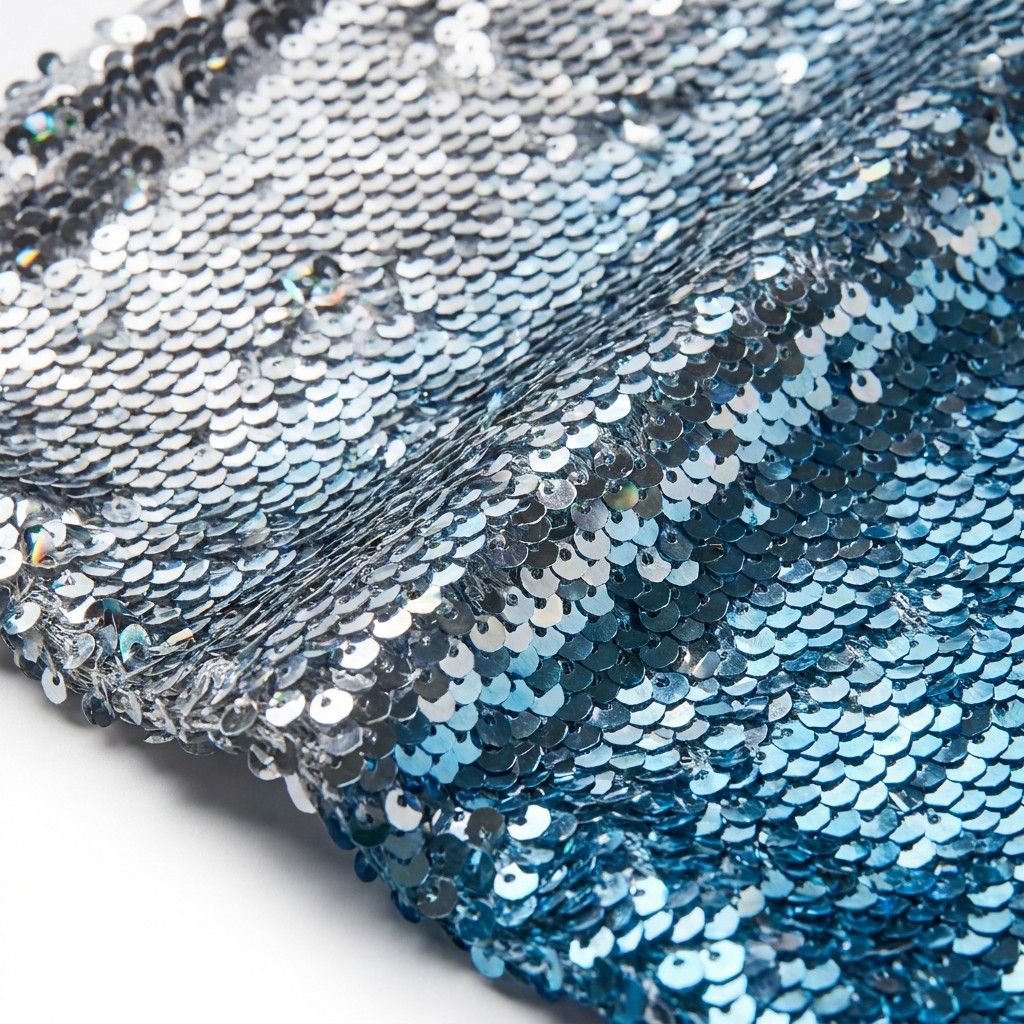
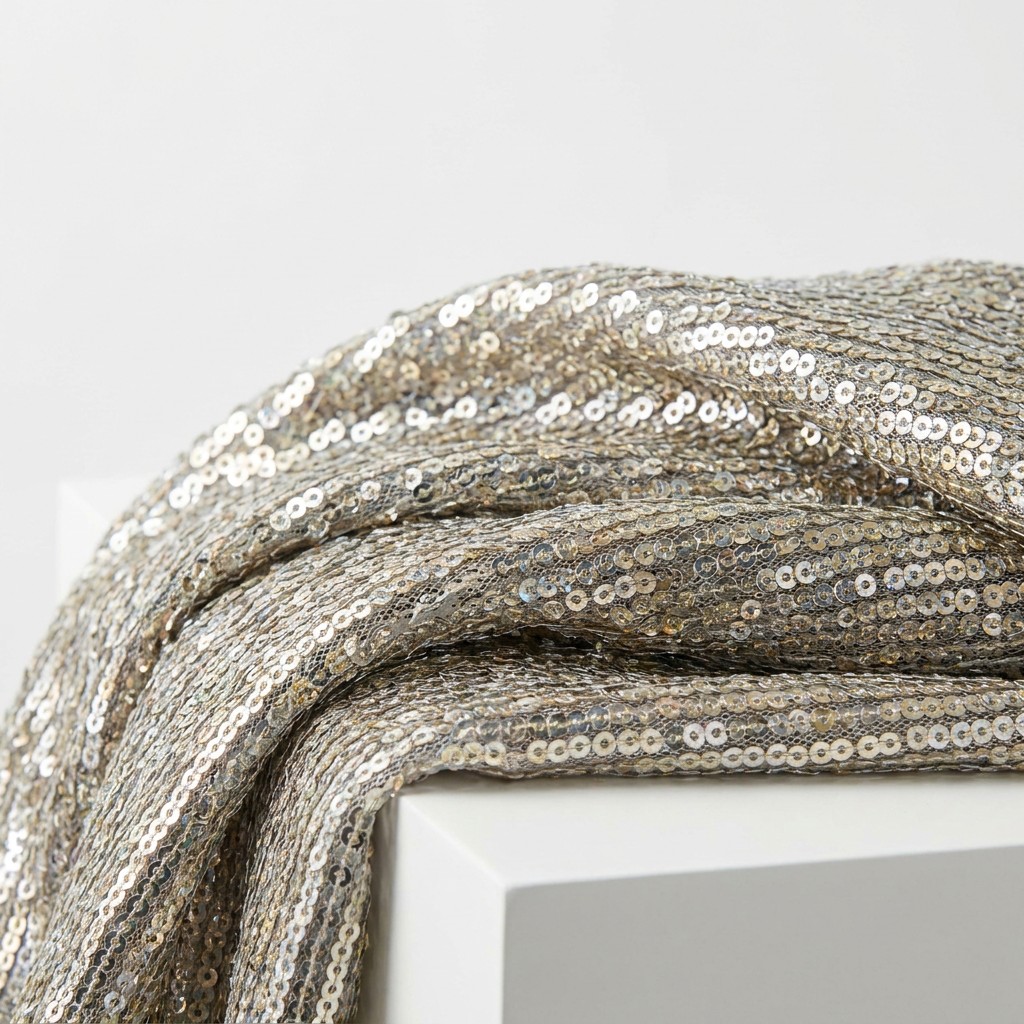
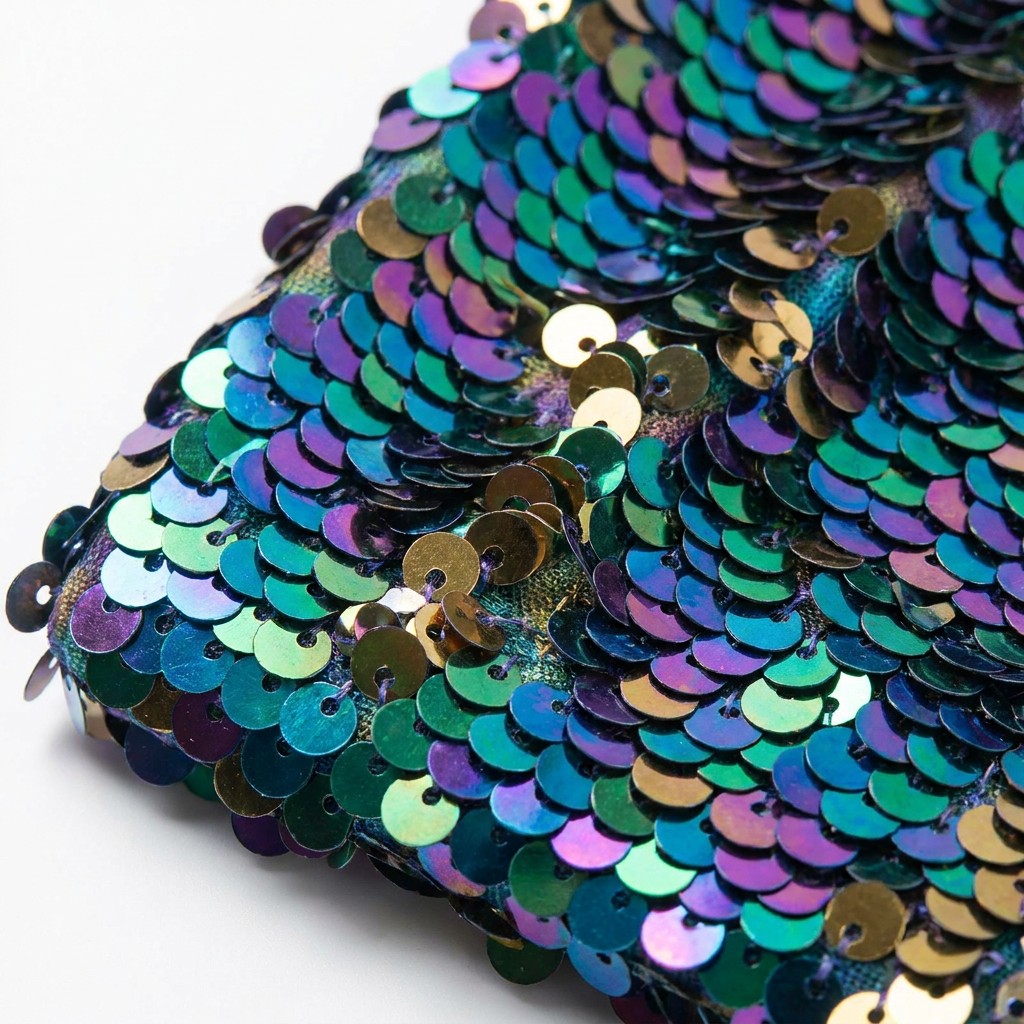
- Shedding. Loose sequins, beads or fibre fragments dropping from the edge.
- Seal condition. Whether a heat-sealed or bonded edge holds without hardening or discolouring.
- Selvedge condition. Whether the factory edge is clean, printed or damaged, since that affects usable width.
Each condition has a different cause. Fraying usually points to weave or finish. Curl usually points to tension or heat history. Shedding usually points to the attachment method on the sequin or bead line.
How to Check Fabric Edge Quality Before Cutting in Six Steps
Run these steps on every roll, not only on the first one. Edge behaviour can change between dye lots and between rolls in the same lot.
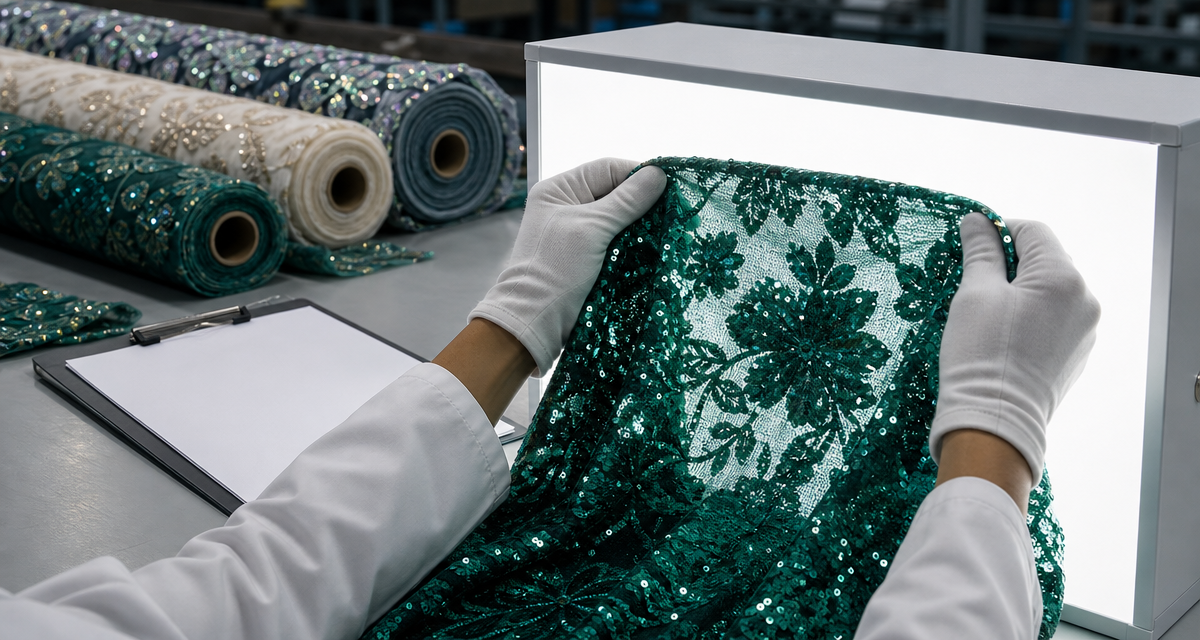
- Inspect the roll in good light. Unroll at least two metres on a clean table. Use daylight or a colour-corrected lamp, and add a backlight for sheer and mesh grounds.
- Cut a test strip. Cut a strip across the full width with the same knife and blade angle your line will use. A scissor-cut strip does not predict a straight-knife result.
- Count loose fibres. Brush the cut edge once with a soft cloth and count what comes away. Record the result as a simple number so you can compare rolls.
- Check curl after rest. Lay the strip flat for fifteen minutes, then measure lift at both ends and along both edges.
- Shed the edge over paper. Shake the strip over a sheet of plain paper and count the sequins, beads or fragments that fall. This field check catches attachment problems early.
- Test the seal. If the fabric is heat-sealed or bonded, seal a short length and check for hardening, discolouration or a wavy edge after cooling.
Fabric Edge Quality Defects, Causes and Cut Decisions
Use this table to turn an observation into an action instead of an opinion.
| Edge defect | Typical cause | Decision before cutting |
|---|---|---|
| Heavy fraying on warp | Loose weave or low yarn twist | Switch to a bonded or sealed edge method |
| Edge curling | Uneven tension or heat history | Re-relax the roll, then re-test |
| Sequin or bead shed | Weak attachment on the edge line | Raise with the supplier before spreading |
| Hard or shiny sealed edge | Seal temperature too high | Re-set the seal parameters and re-test |
| Damaged or printed selvedge | Roll handling or mill printing | Recalculate usable width and yield |
A defect that appears on one roll often appears on the whole lot. Record the roll number so the supplier can trace it.
Fabric Edge Quality Check Fields
Add these fields to your incoming inspection record. Keep the strip with the record until the order ships.
- Roll and lot number. Record both so the supplier can trace the batch.
- Fabric construction. Note the ground, yarn and finished weight.
- Cut method used. Record the knife, blade angle and cutting surface.
- Loose fibre count. Record the number from the cloth brush test.
- Curl measurement. Record edge lift in millimetres after fifteen minutes.
- Shed result. Record the count from the paper shake test.
- Seal result. Note any hardening, discolouration or wave.
- Usable width. Record the measured width after selvedge removal.
- Decision and approver. Record the outcome and who signed it off.
Reuse your existing inspection document rather than starting a second file. Our pre-shipment inspection checklist for sequin fabric shows how the fields fit together, and the embroidered and sequin fabric checklist covers the wider approval flow.
Fabric Edge Quality by Fabric Type
Sequin mesh and lightweight grounds
These grounds fray quickly and the sequins shed at the cut line. Check with a backlight, and plan a sealed or bound edge from the start. Straight-knife cutting on a soft underlay reduces distortion.
Embroidered and lace grounds
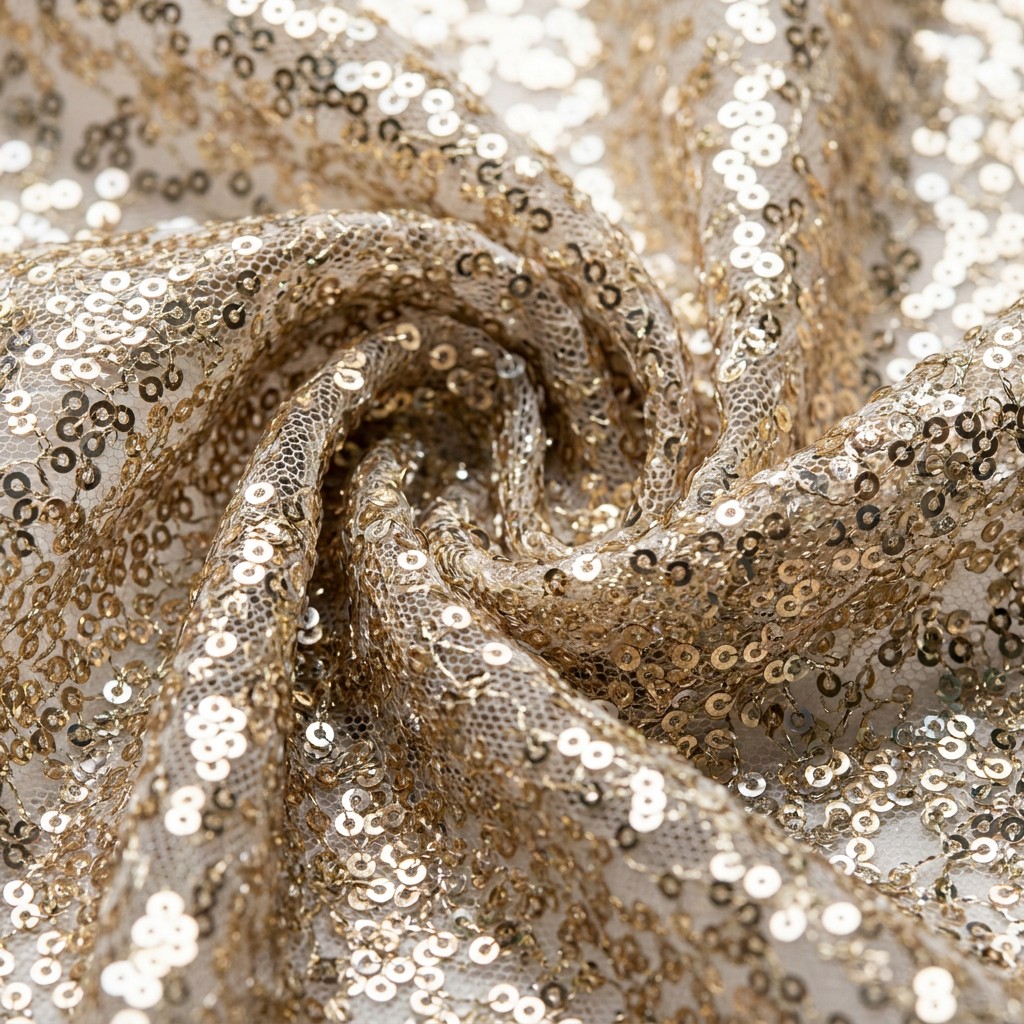
Motifs that cross the cut line leave floating threads. Mark the repeat before spreading so pattern placement does not force a cut through an unsupported motif. Our note on reviewing embroidery pattern repeat before bulk production explains the sequence.
Jacquard, foil and coated grounds
Coated and foil surfaces can crack or lift at the edge during cutting. Test the seal on a short length, and keep blade temperature and speed constant so the edge behaviour stays predictable.
Recording Results So a Repeat Order Matches
Edge quality drifts quietly. A different dye lot, a different roll finish, or a changed seal setting can all move the result. Keep the approved test strip and the record together, and photograph the strip beside your control sample. When a repeat order arrives, run the same six steps and compare the numbers rather than your memory.
Width loss is part of the same decision. If a damaged selvedge forces you to trim, your usable yield drops. Our guide to checking fabric width and usable yield covers that calculation, and reducing snagging risk when sewing sequin fabric covers what happens next on the line.
Fabric Edge Quality and Cutting Room Practice
Edge behaviour is not fixed at the mill. The cutting room changes it, and five habits decide whether a clean edge stays clean.
- Relax the roll first. Fabric cut straight off a tight roll curls more. Let the roll rest flat before spreading.
- Match the blade to the fabric. A sharp blade at the correct angle reduces fraying. A dull blade pulls yarns and stretches the edge.
- Cut on a firm surface. A soft underlay lets the fabric move and produces a wavy cut line on sheer grounds.
- Control the spread height. Tall spreads increase pressure on the bottom layers, which distorts the edge on the lowest plies.
- Keep the lay flat. Stretching the fabric to tension it makes the edge spring back after cutting.
Train the team on these five points, and the edge checks become a confirmation rather than a rescue. When a defect does appear, note which habit changed, because the cause is usually a process shift rather than a bad roll.
What Poor Fabric Edge Quality Costs
The cost of a poor edge rarely appears at cutting. It appears later. Fraying fibres jam the feed and slow the line. Curling edges make seam allowance control difficult and produce uneven joins. Shed sequins contaminate the cutting table and travel into finished garments, where they return as a customer complaint.
Each of those effects is measurable. A slower line, a higher reject rate and a returned garment all trace back to a check that takes a few minutes per roll. Run the check first, and the rest of the order runs on schedule.
Frequently Asked Questions
Should I check every roll or just a sample?
Check every roll for fraying, curl and shed, even when the lot looks consistent. The check takes a few minutes and prevents a spread that has to be scrapped.
Is a heat-sealed edge always better?
No. Sealing controls fraying on many synthetics, but it can stiffen the edge or change its colour. Test the seal and compare it with the intended seam finish before you commit.
How do I judge fraying objectively?
Use the brush-and-count method and record the number. A count turns an argument about appearance into a comparison you can repeat on the next lot.
What if the edge defect appears only after sewing?
Then the cause is usually seam stress rather than the raw edge. Re-test the cut edge on its own to separate the two, and check stitch tension and needle size.
Key Takeaways
Fabric edge quality is a pre-cutting decision, not a finishing problem. Inspect each roll in good light, cut with the production knife, count loose fibres, measure curl after rest, shake for shed, and test the seal. Record the numbers on your existing inspection sheet and keep the test strip with the approved sample. That routine protects your yield, your sewing line and the visible edges of the finished garment.
Need Sequin Fabric for Your Next Collection?
We supply sequin, embroidered and decorative fabric for fashion, bridal and event collections worldwide, with sample support before bulk orders.
Request Sequin Fabric Samples
Tell us your ground fabric and cutting method so we can prepare an edge-tested sample set for your review.
Morris
Phone / WhatsApp: +86 156 3752 5803
Alternative: +86 175 1619 6727
Email: morris@yunfantextile.com