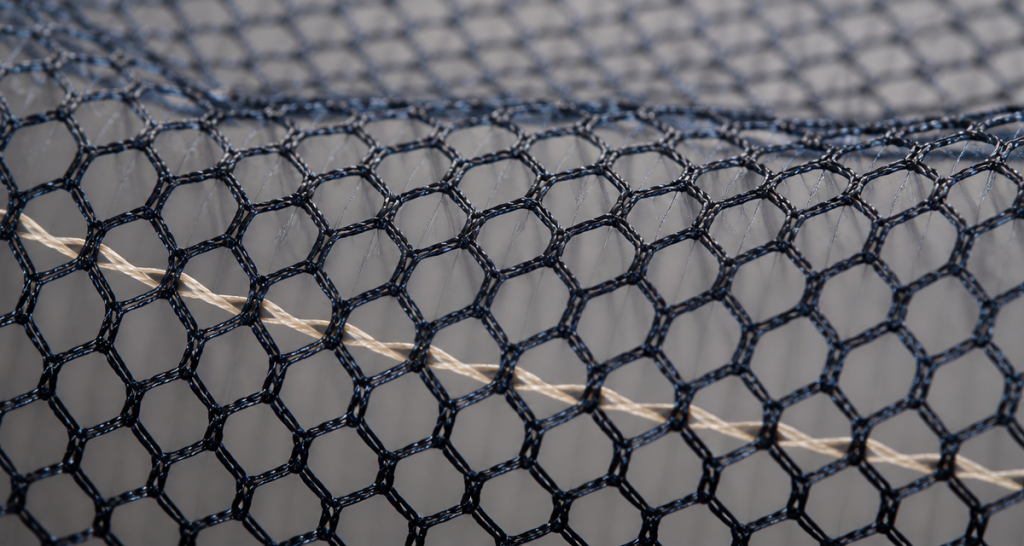
Water soluble embroidery backing is a temporary stabiliser that holds the stitches during embroidery and then dissolves in water, leaving no visible support behind the design. For B2B buyers, the practical answer is this: choose the backing by fabric weight, stitch density and the finish you must protect, then confirm the dissolve method on production fabric before bulk. A backing that carries the embroidery well but changes the hand feel of the finished piece is the wrong backing.
Key Takeaways
- Water soluble backing supports the stitch, then rinses away completely.
- Choose the grade by fabric weight, stretch and stitch density.
- Thicker film is not automatically better; it can mark delicate fabric.
- Dissolve temperature and dwell time belong in the specification.
- Test the rinse on production fabric, not on a lab swatch.
- Confirm the residue test so no stiff film stays inside the design.
What Is Water Soluble Embroidery Backing?
Water soluble embroidery backing is a film or non-woven layer placed under, or over, the fabric during stitching. It stabilises the ground so the needle and thread can build a clean motif. Once the embroidery is complete, the backing is removed by water.
Moreover, it comes in two main forms. A cold water soluble film dissolves in cool water, while a warm grade needs higher temperature. In addition, some grades are clear films and others are soft non-wovens. Therefore, the choice changes both the stitching behaviour and the finishing step.
The backing is not a permanent support. It exists only to carry the design through the machine. Consequently, any residue left after rinsing is a defect, not a feature.
Why Water Soluble Embroidery Backing Matters for B2B Buyers
Backing decides three outcomes at once. First, it controls stitch registration. Without stable support, a stretch mesh lets the motif distort. Second, it controls the finished hand feel. A leftover film makes the garment feel stiff.
Third, it controls appearance on sheer fabric. On tulle and light mesh, a permanent backing shows through. Therefore, a soluble backing is often the only way to keep the fabric transparent. This is why bridal and eveningwear programmes depend on it.
There is a cost angle too. A poor backing choice raises the defect rate. Meanwhile, it slows the rinse line and adds rework. As a result, the lowest unit price is rarely the lowest total cost.
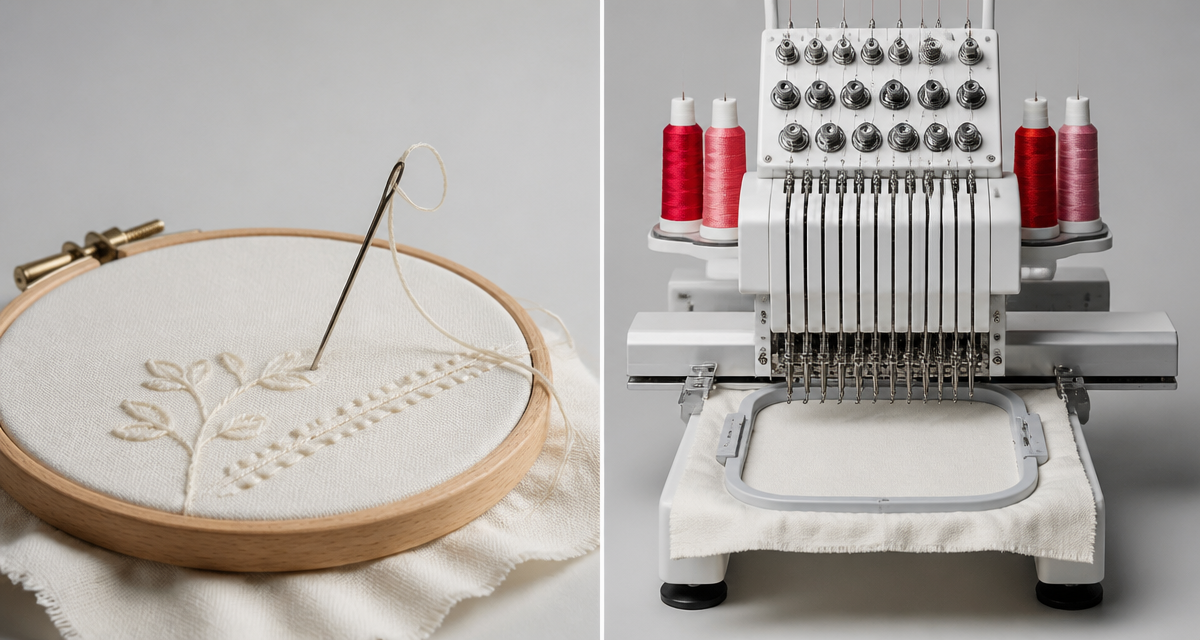
How to Select and Apply Water Soluble Embroidery Backing
Selection follows a short, repeatable order. Keep it consistent so results stay stable between lots.
- Identify the ground fabric: woven, knit, mesh or tulle.
- Note the stretch direction and the maximum stitch density.
- Choose the backing grade and thickness for that combination.
- Hoop the fabric with the backing and check tension before running.
- Run a short trial motif with the production thread and needle.
- Rinse at the specified temperature for the specified time.
- Check the design for distortion, puckering or stiff patches.
- Record the pass result and lock the grade into the specification.
After that, repeat the rinse check on every new fabric lot. However, if the ground fabric changes at all, treat it as a new trial.
Purchasing Checklist: Water Soluble Backing Fields to Confirm
- Backing type: film or non-woven
- Dissolve temperature: cold or warm
- Nominal thickness in microns
- Ground fabric type and weight
- Maximum stitch density the backing must carry
- Placement: under the fabric, over it, or both
- Rinse time and water temperature
- Residue limit after rinsing
- Roll width and roll length
- Shelf life and storage conditions
Moreover, keep this list in the specification sheet and repeat it on every purchase order. It links closely to the edge questions covered in our guide to decorative fabric salvage usability.
Comparing Water Soluble Backing Grades
| Grade | Dissolve | Best for | Watch point |
|---|---|---|---|
| Thin clear film | Cold water | Light tulle and sheer mesh | Can tear on dense motifs |
| Standard film | Cold to warm | Most apparel embroidery | Needs full rinse time |
| Thick film | Warm water | Heavy or high-density designs | May mark delicate surfaces |
| Soft non-woven | Cold to warm | Stretch knits and stable support | Slower to dissolve fully |
The table above is a guide, not a rule. Therefore, always confirm the grade on your own fabric before locking the order.
Common Water Soluble Backing Problems and How to Fix Them
White residue is the most common complaint. It usually means the rinse was too short or too cool. Consequently, extend the rinse time or raise the temperature within the safe range for the fabric.
Puckering is the second issue. It often comes from incorrect hooping tension rather than the backing itself. Meanwhile, distortion points to a backing that is too soft for the stitch density. In addition, stiff patches mean the film did not fully dissolve in the densest areas.
Finally, check the water itself. Hard water and low agitation slow dissolution. Therefore, confirm the rinse setup on the production line, not only in a lab beaker. Our note on embroidery fabric puckering control covers the stitching side in detail.
FAQ: Water Soluble Embroidery Backing
Is water soluble backing always better than tear-away backing?
No. Soluble backing suits sheer and stretch fabric because it leaves no permanent support. For sturdy woven fabric, a tear-away grade can be simpler and cheaper.
Can I dissolve the backing in cold water?
Many grades dissolve in cold water, but the time needed is longer. Therefore, match the grade to the water temperature your finishing line can hold consistently.
Will the backing leave a mark on delicate fabric?
It can if the film is too thick or the rinse is rushed. In practice, test the grade on the exact fabric and inspect the surface under bright light after drying.
How do I check for backing residue?
Rinse the sample, dry it fully, then flex the embroidered area and inspect it against the light. Any stiff patch or white haze means the rinse needs review.
Conclusion: Specify Water Soluble Embroidery Backing in Writing
Water soluble embroidery backing is a small line in the specification that decides a large part of the final quality. Therefore, choose it by fabric and stitch density, define the dissolve method, and test the rinse on production cloth. Then repeat the check with every new lot. This habit keeps sheer designs clean and garment hand feel consistent.
How to Write Water Soluble Backing into the Specification
A backing line should be as precise as a fabric line. Moreover, it should name the grade, the thickness and the dissolve method. Therefore, write it once and attach it to every order for that design.
Begin with the backing type, then add the nominal thickness. After that, add the rinse temperature and the rinse time. Finally, add the residue rule, so the finishing line knows when to stop.
Also, keep a physical reference. In practice, tape a small piece of the approved backing to the specification sheet. As a result, a new operator can match the material by eye before the first stitch.
Working with a Supplier on Embroidery Backing
The best time to discuss backing is before sampling. However, many buyers only raise it after a puckering problem appears. Therefore, include the backing question in the first enquiry.
Next, send the exact ground fabric, not a similar one. Meanwhile, describe the finish the garment needs, such as a soft hand feel or a fully sheer look. This lets the supplier match the grade to the goal.
Finally, agree on the trial. Ask for a rinsed trial piece with the production thread. Then check it after drying, in the light customers will use. Consequently, the first bulk run starts from a proven setup.
Does backing choice affect the stitch count?
It can. A firmer backing supports a denser design, so the same artwork may run at a different density. Therefore, confirm the stitch count together with the backing grade before bulk.
Can I use one backing for several fabrics?
Sometimes, but not always. A stable woven and a stretch mesh behave differently, so test each fabric separately. In practice, match the backing to the fabric and the design together.
Source direct on Alibaba - request bulk pricing, specifications, and production details in one place.
View Yunfan Textile on AlibabaRequest Sequin Fabric Samples
Send us your ground fabric, design file and order quantity, and we will prepare a sample set for review. Our MOQ is 200 yards.
Yunfan Textile B2B Contact
Contact: Morris
Email: morris@yunfantextile.com
WhatsApp: +86 156 3752 5803
WhatsApp: +86 175 1619 6727