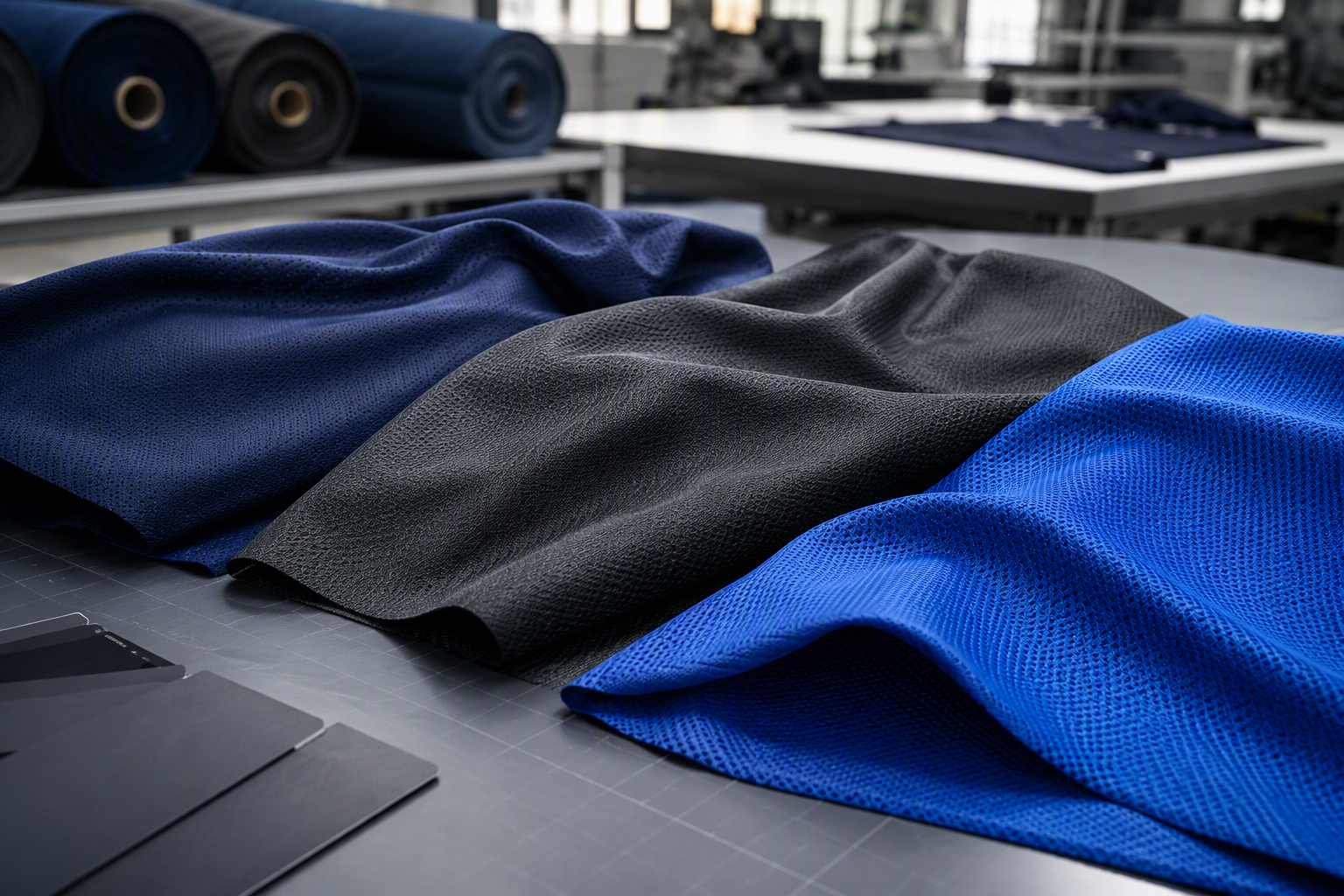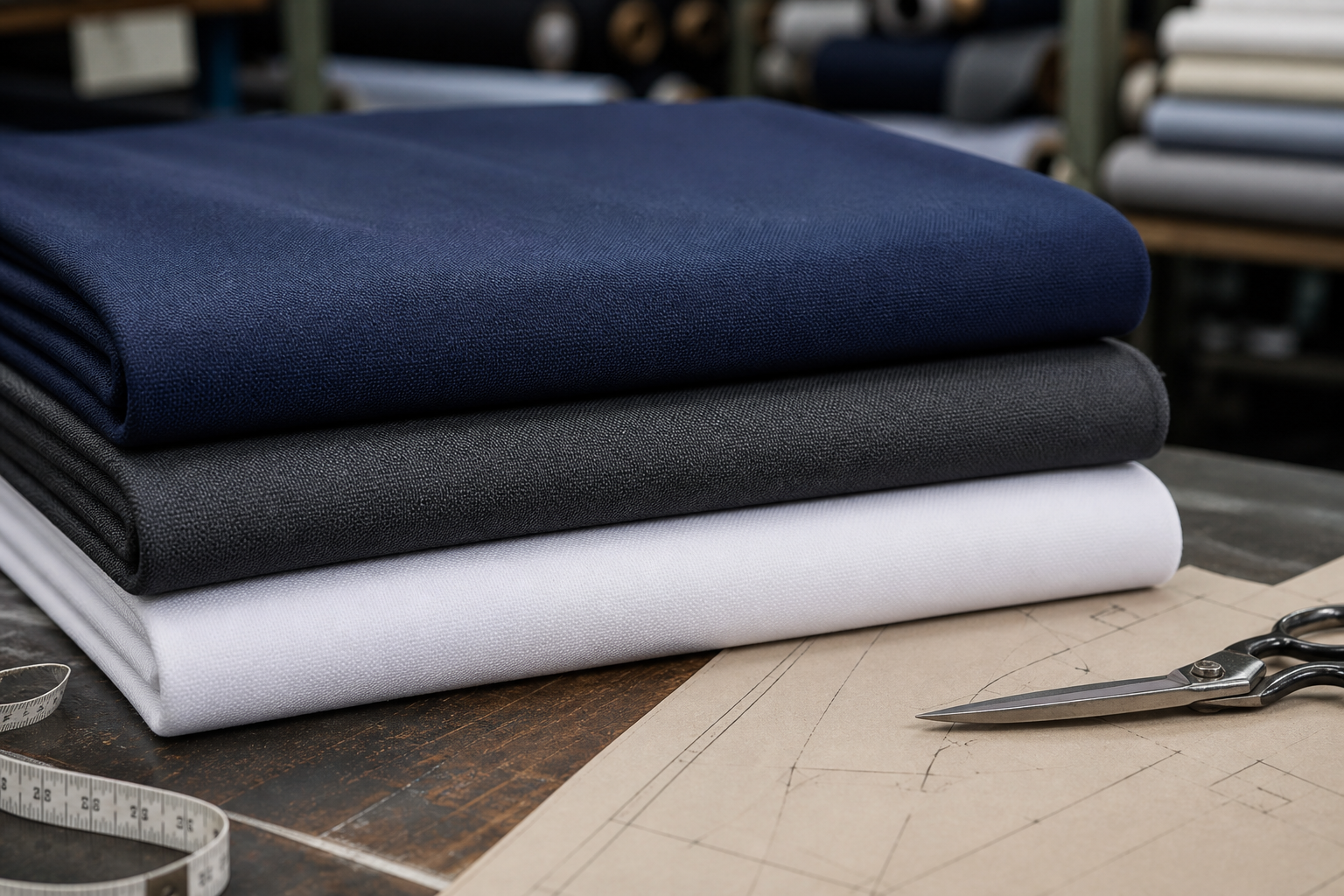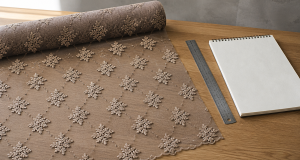
Fabric spreading bowing is the curved distortion of a fabric layer when weft yarns are pulled out of square during spreading. Buyers prevent it by relaxing the roll before spreading, controlling unroll tension, and checking the weft line every few metres. This guide explains how bowing starts, how it damages decorative panels, and which parameters to lock in a purchase order.
Key Takeaways
- Bowing is a weft distortion, not a settling problem.
- Roll tension and spreading speed are the two main causes.
- Decorative prints and embroidered panels show bowing first.
- Relax the roll before spreading to release stored strain.
- Check the weft line at fixed intervals, and record each reading.
- Write a bow tolerance into the order specification.
What Is Fabric Spreading Bowing?
Fabric spreading bowing is a condition where the weft yarns curve instead of running straight across the width. The fabric looks fine on the roll, yet the layer moves out of square once it lies on the table. As a result, cut parts are skewed and joined edges mismatch.
Bowing differs from skew. Skew is a straight but angled weft, while bowing is a curved weft. Therefore, the two faults need different corrections on the spreading table.
Why Fabric Spreading Bowing Hurts Decorative Collections
Decorative fabrics carry printed motifs, embroidery, and directional texture. When the weft bows, the motif line bends across the panel. Moreover, matching panels for a gown or a curtain set becomes slow, because operators cannot align the pattern by eye.
Yield loss follows. In addition, large motifs need a wider match allowance, so a bowed roll forces extra metres per garment. Consequently, the cutting room wastes material, and the order loses margin.
How to Prevent Fabric Spreading Bowing: Step-by-Step
Follow a fixed routine, and check the fabric at every stage.
- Let the roll relax in the cutting room for several hours before spreading.
- Set unroll tension low, and let the fabric feed without a hard pull.
- Reduce spreading speed on heavy or coated decorative fabric.
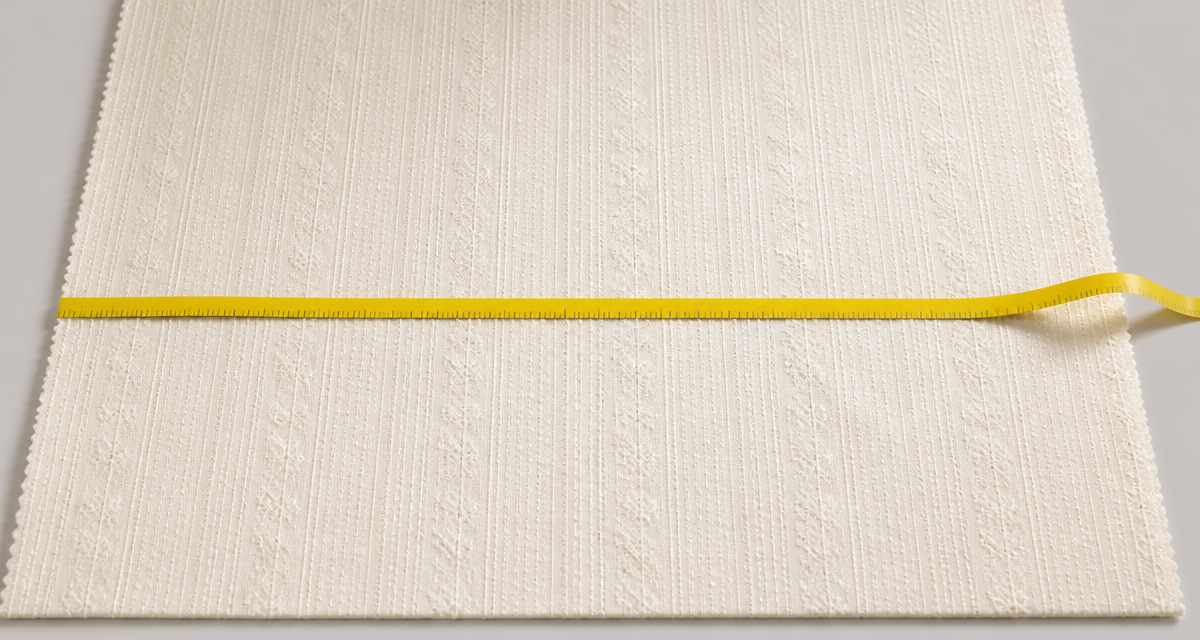
- Lay the first ply, then check the weft line at the centre and both selvedges.
- Re-check the weft line every few metres, and log every reading.
- Fix any drift at the source before you spread more plies on top.
- Mark the bow reading on the cutting ticket so the team can plan the match.
Comparison Table: Bowing Risk by Fabric Type
Use this table to plan effort, then confirm against your own roll samples.
| Fabric type | Bowing risk | Main cause | Prevention focus |
|---|---|---|---|
| Light chiffon | High | High stretch | Low tension and slow speed |
| Embroidered mesh | Medium | Uneven base tension | Relax the roll first |
| Heavy jacquard | Low | Firm structure | Check the selvedge |
| Coated decorative fabric | Medium | Surface drag | Clean the feed rollers |
Procurement Checklist: Spreading Specification Fields
- Maximum bow tolerance in centimetres across the width.
- Weft check interval in metres.
- Required relaxation time before spreading.
- Recommended unroll tension range.
- Spreading speed limit.
- Accepted skew and bow combined limit.
- Sample reference for the approved flatness.
How Buyers Verify Flatness with a Supplier
Ask the supplier to spread one full roll and report the bow readings across the width. Then compare that record with your own check on arrival. In addition, keep the two readings in the order file so any drift is easy to trace.
For related reading, see our guides on decorative fabric bow and skew and decorative fabric grainline alignment. You can also review decorative fabric width tolerance before you set the order tolerance.
Common Fabric Spreading Bowing Mistakes Buyers Should Avoid
Spreading too fast is the first mistake. When the operator pulls the fabric quickly, the weft curves before the layer settles. In addition, rushing the spread hides the fault until after cutting.
Skipping the relaxation step is another common error. A roll that just arrived holds stored strain, so it bows as soon as it relaxes on the table. Therefore, let the roll rest before spreading.
Ignoring the selvedge is a third mistake. The selvedge often behaves differently from the body, so a check at the centre alone misses the problem. Consequently, buyers should read the weft at three points across the width.
Finally, many teams never write down the bow reading. Without a record, the same fault repeats on the next order.
Fabric Spreading Bowing: Cost, Sampling, and Lead-Time Factors
Bowing raises cost through yield loss, not through the fabric price. A bowed layer forces a wider match allowance, so each garment needs more metres. Moreover, matching printed panels by hand slows the cutting room.
Sampling protects the schedule. When the supplier spreads a full roll and reports the bow, the buyer can approve the tolerance before bulk. In addition, an early approval avoids a late re-cut.
| Cost factor | Effect on price | Buyer action |
|---|---|---|
| Extra match allowance | High | Set a bow tolerance early |
| Slower spreading speed | Medium | Plan realistic cut time |
| Relaxation before spreading | Low | Add floor space and time |
| Re-cut of skewed parts | High | Inspect the first ply |
| Rework of matched panels | High | Approve flatness sample |
How to Run a Flatness Trial Before Bulk
A flatness trial is quick, and it prevents most cutting-room surprises. Run it on the exact fabric you ordered.
- Relax one full roll in the cutting room before the trial.
- Spread a single ply at the planned production speed.
- Measure the weft line at the centre and both selvedges.
- Repeat the spread on a second roll, and compare the readings.
- Record the bow value in centimetres across the width.
- Adjust tension and speed, then repeat until the reading is stable.
- Approve the best setting, and store the flatness sample.
Spreading Room Conditions and Documentation
Room conditions change how fabric behaves. Heat and humidity affect how a light chiffon relaxes, so keep the cutting room stable. In addition, clean feed rollers reduce drag on coated decorative fabric.
- Maximum bow tolerance across the width
- Weft check interval in metres
- Required relaxation time before spreading
- Unroll tension and spreading speed range
- Combined bow and skew limit
- Approved flatness sample reference
Standard orders start at 200 yards per color, and the flatness sample should be approved before the roll is cut. Then the cutting room protects its yield and its delivery date.
How to Compare Two Supplier Bowing Reports
Two suppliers can report the same fabric very differently. Therefore, ask both to use the same measuring method and the same check interval. In addition, request the raw readings in centimetres, not a simple pass or fail.
A clear report lists the weft reading at the centre and at both selvedges. Moreover, it names the roll code and the relaxation time used before spreading. As a result, you can compare like with like.
When the readings differ, check the fabric first, then the method. A tighter tolerance on a light chiffon will always look worse than a loose tolerance on a firm jacquard. Consequently, set a tolerance per fabric type.
Final Flatness Check Before Shipment
A last check protects the delivery. Spread one roll from each dye lot, and read the weft line again. Then compare the result with the approved flatness sample.
- Roll code and dye lot on the report
- Centre and selvedge weft readings
- Relaxation time before spreading
- Bow and skew values in centimetres
- Approved flatness sample reference
Source direct on Alibaba - request bulk pricing, specifications, and production details in one place.
View Yunfan Textile on AlibabaFAQ
What causes fabric spreading bowing?
High unroll tension and fast spreading speed are the main causes. Stored strain in the roll makes the weft curve once the fabric relaxes.
How is bowing different from skew?
Bowing curves the weft, while skew angles it in a straight line. They need different corrections.
Can bowing be fixed after cutting?
No. Once parts are cut, the distortion is locked in. Prevent bowing before and during spreading.
What bow tolerance should I accept?
Set a limit with your supplier and test it on real rolls. Tight motifs need a tighter limit than solid decorative fabric.
Conclusion: Control the Weft Before You Cut
Fabric spreading bowing is a process fault that starts with tension and speed. Therefore, relax the roll, control the feed, and check the weft at fixed intervals. Then decorative panels stay square, and the cutting room protects its yield.
Request Sequin Fabric Samples
Send your fabric type, target GSM, color reference, and order volume. Our team will prepare a sample set for review before you commit to bulk.
Yunfan Textile B2B Contact
Contact: Morris
Email: morris@yunfantextile.com
WhatsApp: +86 156 3752 5803
WhatsApp: +86 175 1619 6727