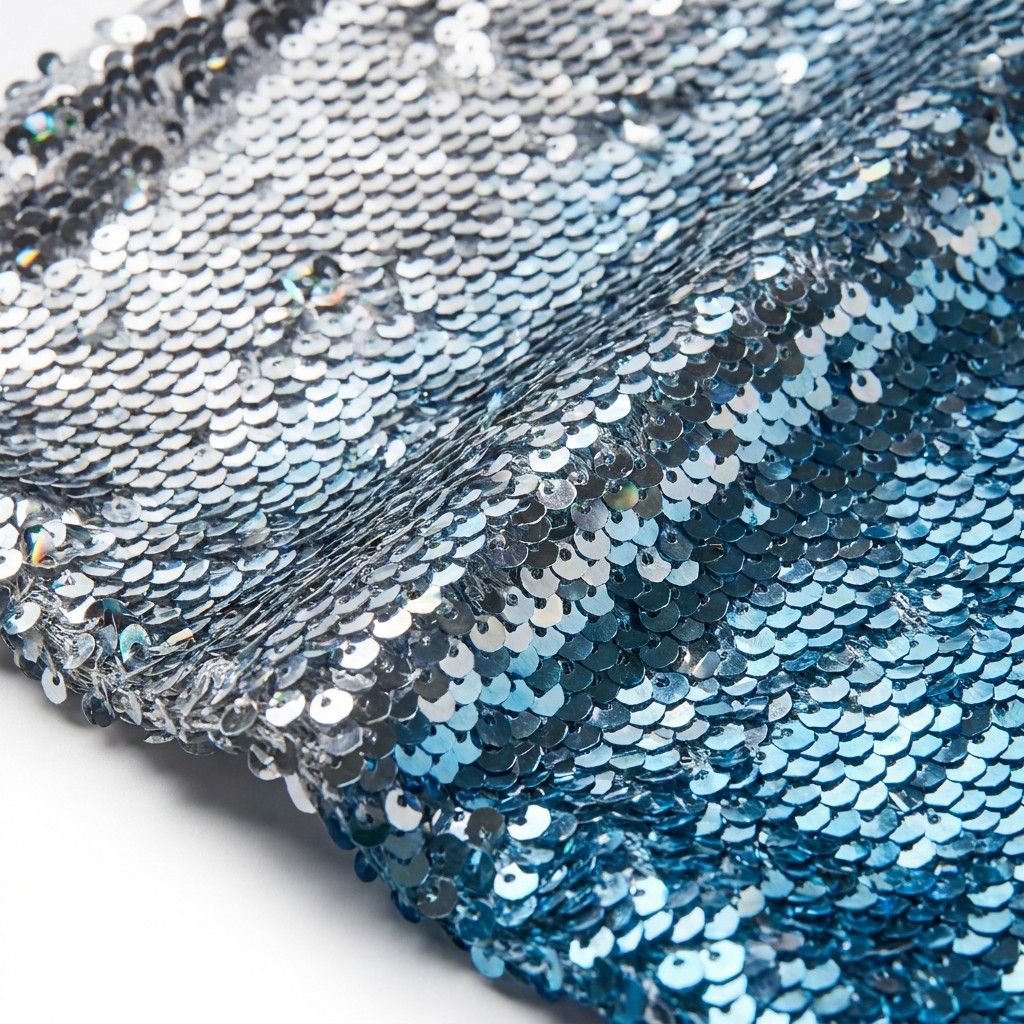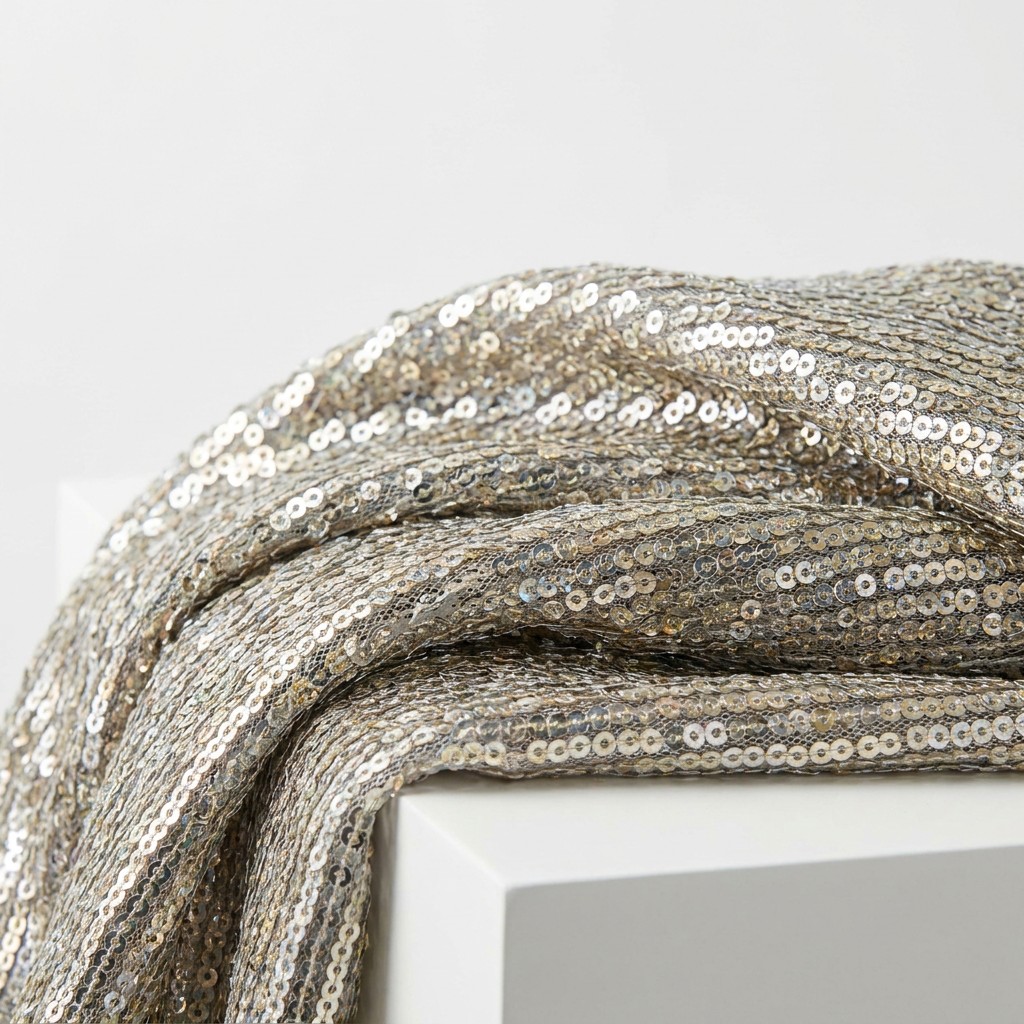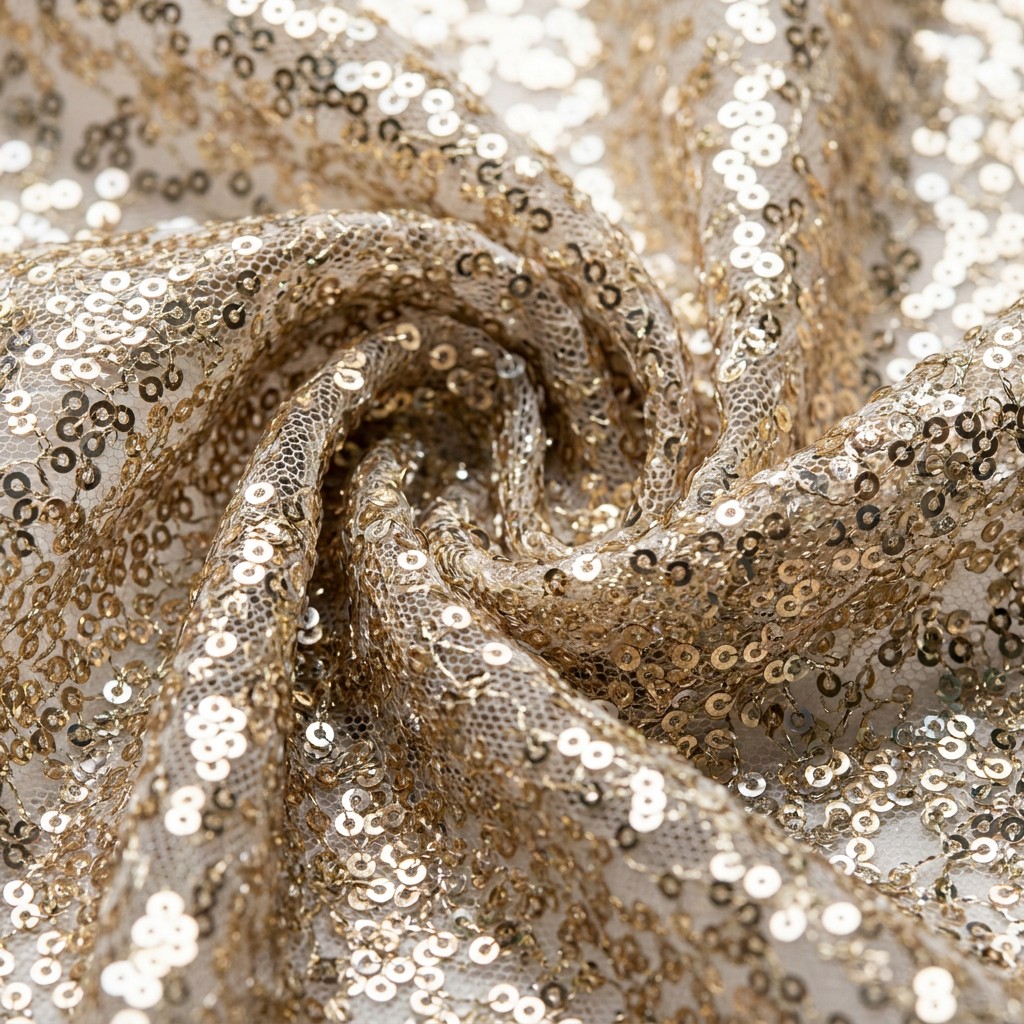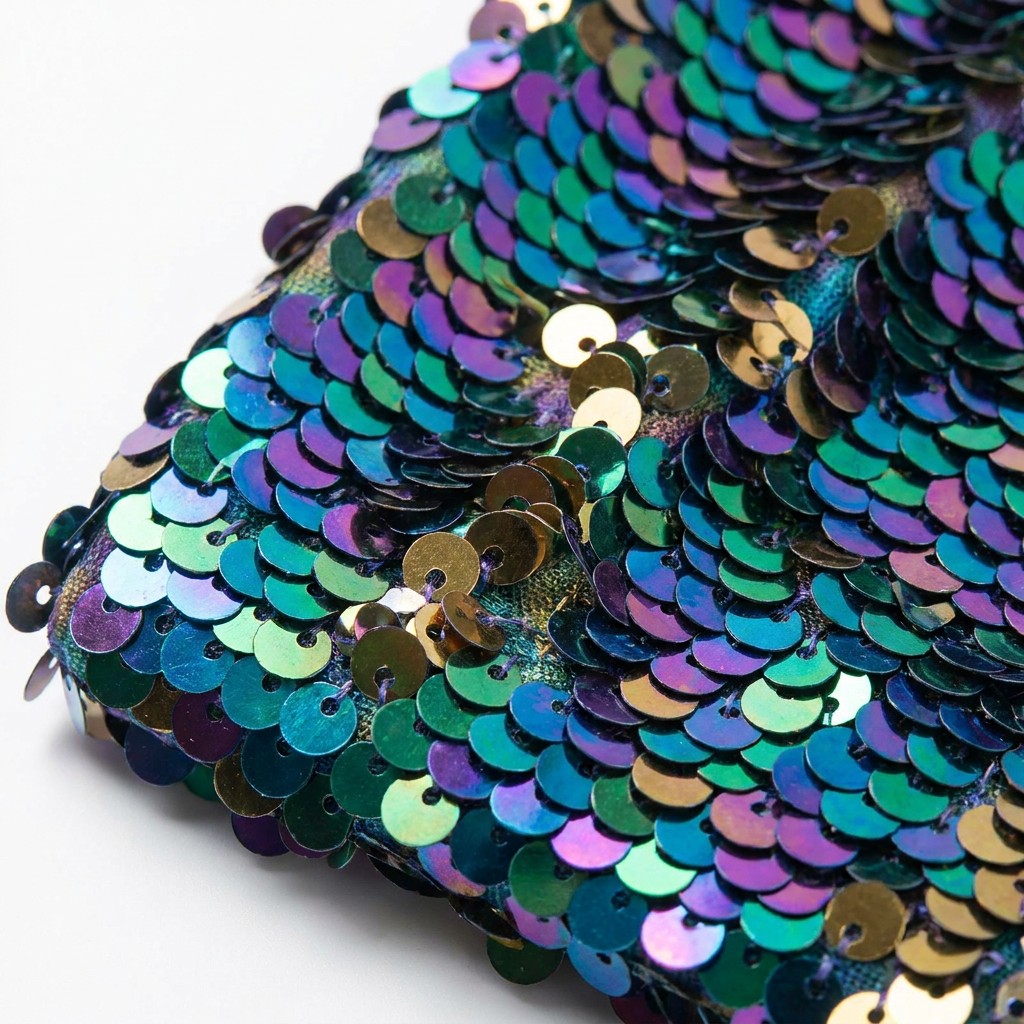
Choosing sequin fabric for a wholesale fashion collection starts before you compare prices. Shortlist suppliers by what they can actually verify: the base fabric they use, the sequin type and structure they offer, and the applications they serve. Ask each candidate for a spec sheet, request physical or digital samples, and confirm whether they support sample approval, pre-production checks and inspection before bulk. A supplier who can document loose-sequin behaviour, colour fastness and roll-to-roll consistency in writing will save your line from costly rework. Use the checks below to compare candidates quickly and confidently.
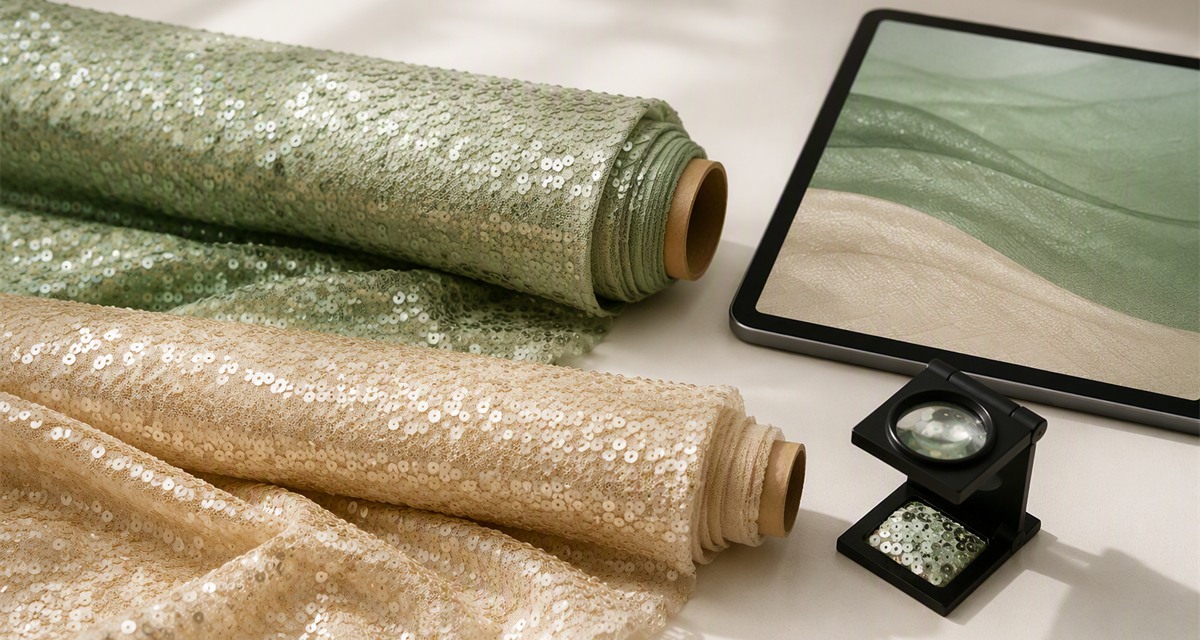
How to Shortlist Sequin Fabric Suppliers
Run the same shortlisting questions for every candidate so you compare like with like:
- Range: Does the supplier work across tulle, mesh, knit and woven base fabrics, and across flat and embroidered sequin constructions?
- Specification: Can they provide a written spec covering sequin size, arrangement, base fabric composition, weight and width?
- Sampling: Do they offer physical samples and digital development for colours and motifs?
- Quality checks: Can they share or run checks for loose sequins, snagging, colour fastness and shrinkage?
- Terms: Will they confirm price, MOQ and lead time in writing before you commit?
Ask each shortlisted supplier for a reference case in a similar end-use, and request their standard quality documentation before you move to samples.
Start with the Application
The end use decides almost every technical choice, so define it first:
- Event and stagewear: usually dense sequin coverage and high shine on light tulle or mesh bases.
- Fashion apparel: drape, comfort and finishing matter; softer bases and moderate coverage often work better.
- Accessories and trims: smaller sequin sizes and embroidered motifs are common.
- Home and decorative use: snag resistance and clean edges become more important.
Share the application with your supplier when you request samples — the same sequin fabric can behave very differently in a fitted dress and a draped curtain.
Understand the Sequin Structure
Sequin Size, Shape and Arrangement
- Size: flat sequins typically range from about 2 mm to 6 mm and beyond; ask the supplier to confirm their available range.
- Shape: round is the standard, but square, hexagon, star and custom shapes exist.
- Arrangement: fully covered, spaced, random scatter, or embroidered motifs — each changes weight, drape and price per metre.
- Density: confirm the sequin count or coverage per square metre so that rolls and repeat orders stay consistent.
Sequin Material and Finish
- PET sequins are the most common; metalised, iridescent, matte and pearlescent finishes change the look and the price.
- If sustainability is part of your brief, ask whether recycled or bio-based sequins are available and request supporting material documentation. See our guide to GRS recycled sequin fabric and digital sampling and the SS27 bio-based sequin sourcing guide for more.
- Ask how the finish behaves under rubbing and light exposure before you approve a shade.
Check the Base Fabric
The base fabric carries the sequins and decides how the fabric moves, stretches and sews:
- Tulle and mesh: transparent, layered and airy looks.
- Knit bases: stretch and recovery for bodycon and performance-led pieces.
- Woven bases: structure and stability for tailored or decorative use.
Confirm composition, weight (gsm), width and roll length in the spec sheet. Ask how the base performs after repeated handling, because sequin-covered fabric is handled heavily in cutting and sewing.
Evaluate Hand Feel and Drape
- Sequin coverage makes fabric stiffer — request a hanging sample to judge real drape.
- Ask the supplier to confirm the sequin attachment method (sewn, glued or embroidered); sewn and embroidered attachments generally hold more securely, but verify this for your specific construction.
- Sequin edges can feel rough against skin; check whether a lining is required for your application.
- Compare samples of the same design on different base fabrics before you fix the spec.
Run the Quality Checks That Matter
Loose Sequin Shedding and Loss
- Gently rub and tug a sample to assess how easily sequins detach.
- Ask the supplier for loose-sequin test results, or request the test method so your lab can repeat it.
- Confirm expected behaviour after washing and wear for apparel programmes.
Snagging and Abrasion
- Sequin edges can snag other garments and trims in layered styling.
- Ask about edge finishing and request abrasion data if the fabric will face heavy use.
Colour Fastness
- Request colour fastness to light, water and perspiration for both the base and the sequin finish.
- Ask suppliers to share test reports; if none are available, budget for independent lab testing on bulk lots. Our performance fabric testing and quality documentation guide explains what to collect.
Roll-to-Roll Consistency
- Confirm that shade, sequin density and base fabric quality stay consistent across rolls.
- Request roll-tolerance information and, for large orders, plan a pre-shipment inspection of embroidered and sequin fabric before dispatch.
Approve Samples Before Bulk
Physical Sample Approval
- Request a strike-off or sample yardage of the exact construction.
- Approve colour, sequin size, arrangement, hand feel and drape against your reference.
- Ask how sampling and colour-correction rounds are handled, and confirm the lead time for custom lab dips or dyed base fabric.
- Agree a sealed sample that becomes the bulk standard.
Digital Development and Sampling
- Digital sampling shortens colour and motif decisions before any fabric is made; ask the supplier whether they can render your design in advance.
- Use digital development to narrow options, then always approve a physical sample before bulk.
- Confirm the hand-off: who owns the approved digital file and how it maps to production.
Plan for Cutting, Sewing and Care
- Sequin-covered fabric can dull cutting blades and needles; ask the supplier for cutting and sewing guidance.
- Confirm whether the construction is suitable for your sewing method and trims.
- Request care guidance for the label — some sequin fabrics require dry cleaning or gentle handling, so confirm before you finalise care instructions.
Confirm Commercial Terms Before Bulk
- Price: per metre, and any structure for FOB or delivered terms — ask for a written quotation.
- MOQ: per colour and per design; request the exact numbers.
- Lead time: sampling versus bulk, and any seasonal bottleneck — request it in writing.
- Inspection and documentation: confirm which test reports, composition labels and shipping documents are included.
Final Checklist Before You Order
- Application and end-use defined and shared with the supplier.
- Sequin size, shape, arrangement and density confirmed in the spec.
- Base fabric composition, weight, width and roll length confirmed.
- Hand feel and drape approved on a physical sample.
- Loose-sequin and snagging behaviour assessed.
- Colour fastness data requested or testing budgeted.
- Roll-to-roll consistency and inspection terms agreed.
- Physical and digital samples approved against a sealed reference.
- Price, MOQ and lead time confirmed in writing before bulk.
Source Sequin Fabrics Directly for B2B Collections
Explore factory-direct sequin, embroidered and decorative textile options for fashion, event and custom collections.
Request Sequin Fabric Samples
Ready to evaluate sequin fabric for a wholesale collection? Submit your application, base fabric, sequin size, colour, estimated quantity, finishing and testing requirements through the official consultation page, and the team will confirm the next steps with you.
Submit your requirements here: Yunfan Textile Consultation Page
Yunfan Textile B2B Contact
Website: https://www.yunfantextile.com/
B2B Contact: Wendy Jessie
WhatsApp/WeChat: +86 156 3752 5803
WhatsApp/WeChat: +86 175 1619 6727
Email: morris@yunfantextile.com
Email: morris@yunfantextile.com
Summary: Choosing the right sequin fabric supplier comes down to verifiable detail — sequin structure, base fabric, hand feel, loose-sequin and snagging behaviour, colour fastness, roll consistency and a clear sample-to-bulk workflow. Confirm each point with samples and written terms before you place a wholesale order.
SEO keywords: sequin fabric supplier, sequin fabric wholesale, sequin fabric sourcing, wholesale fashion fabric, sequin fabric quality control