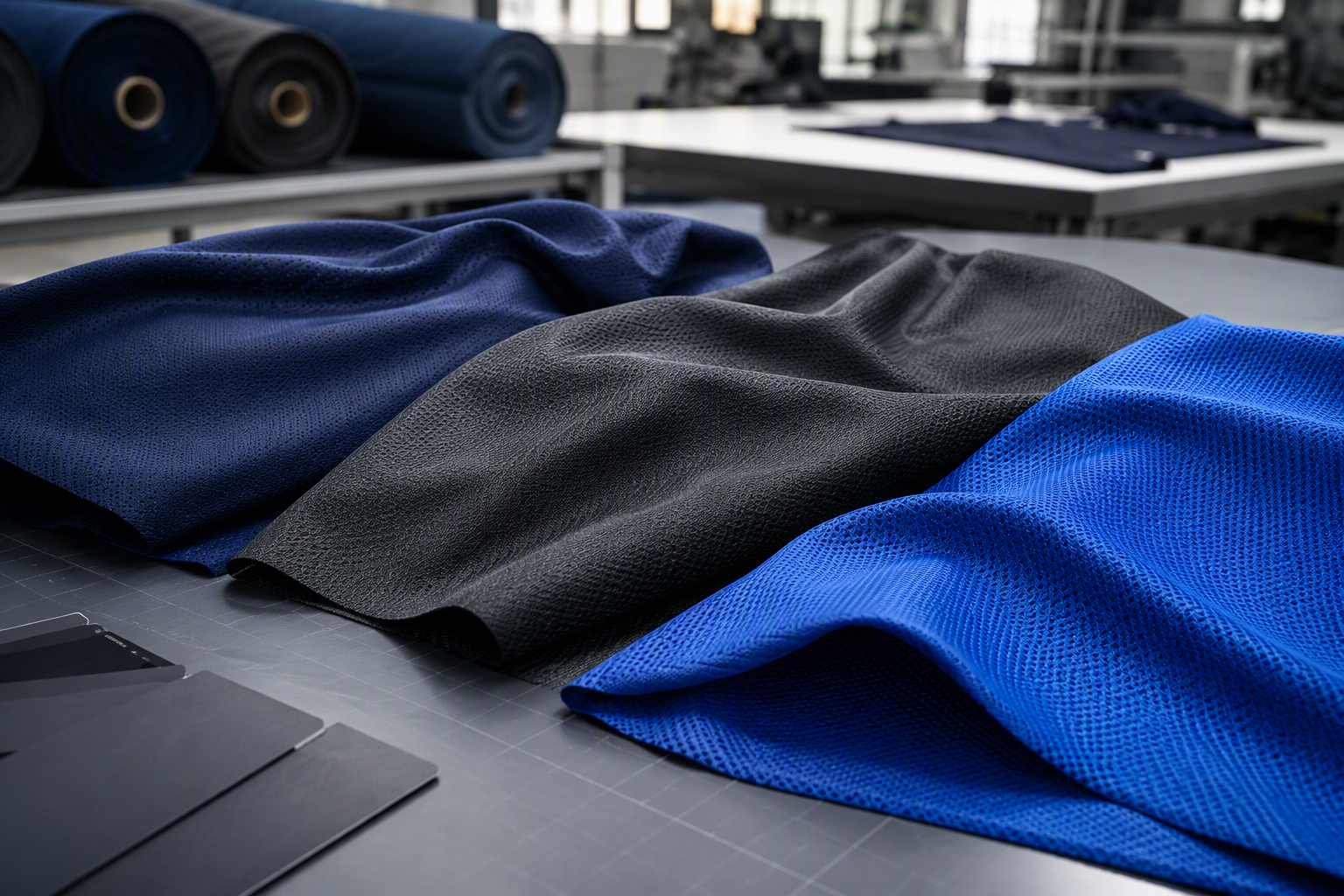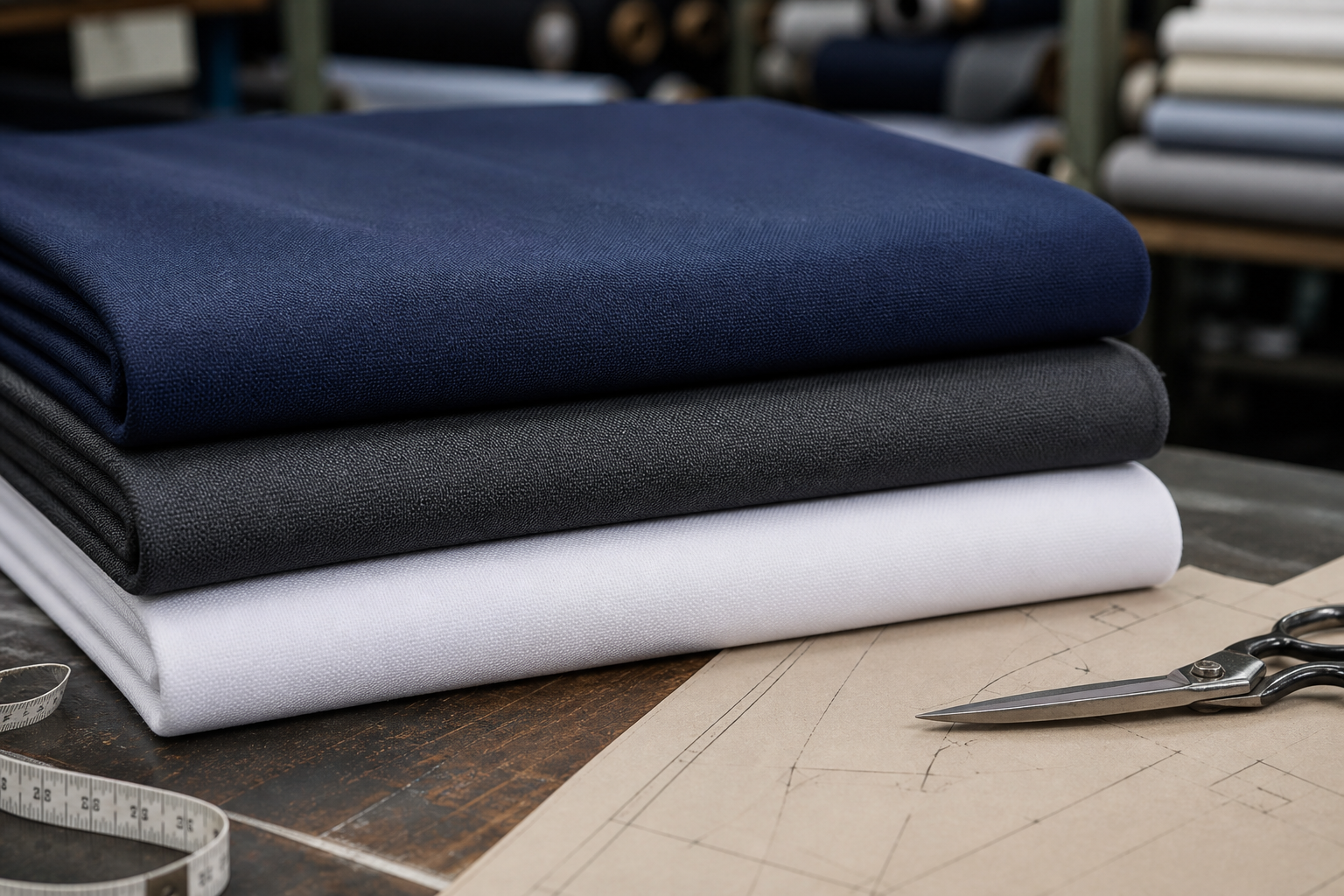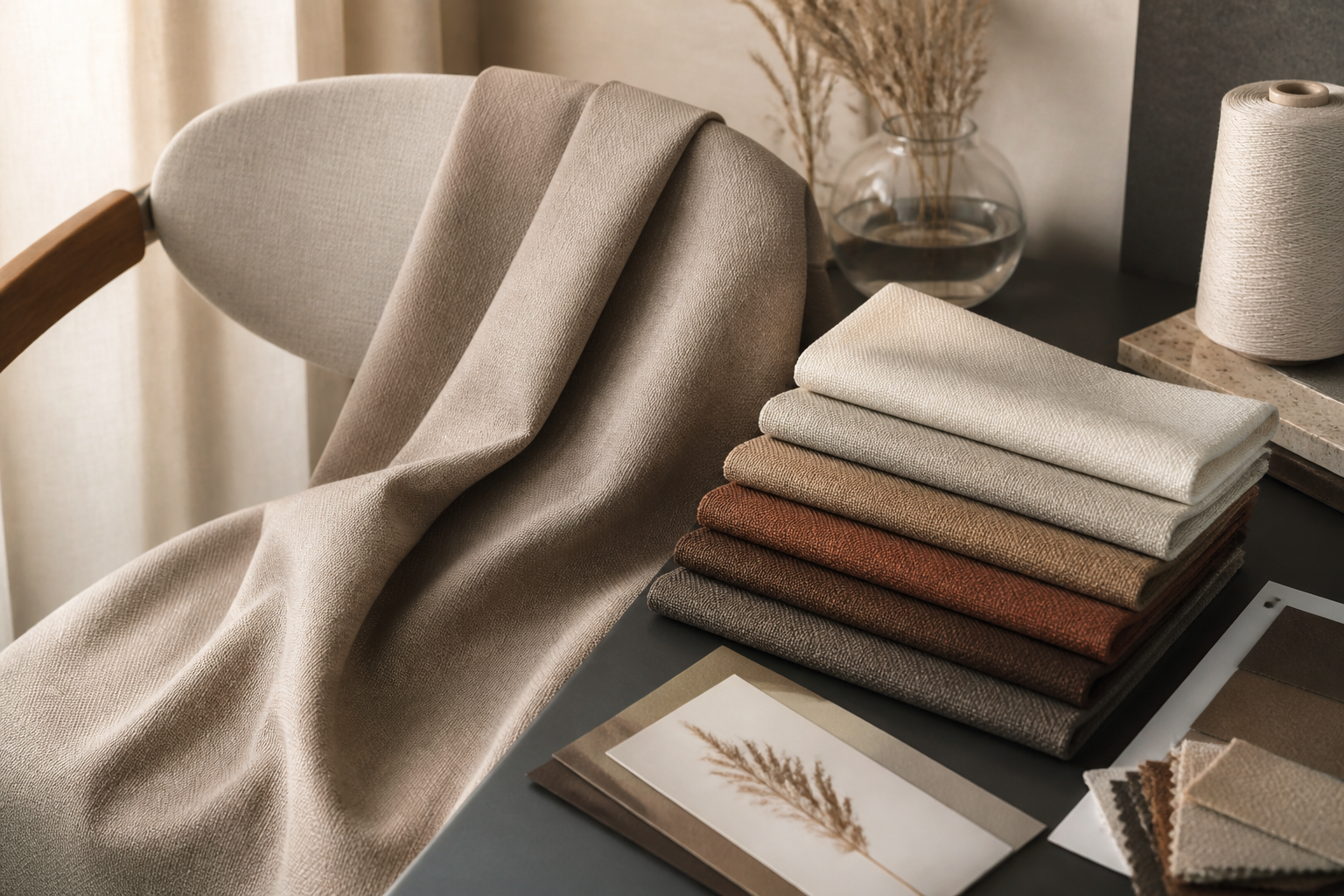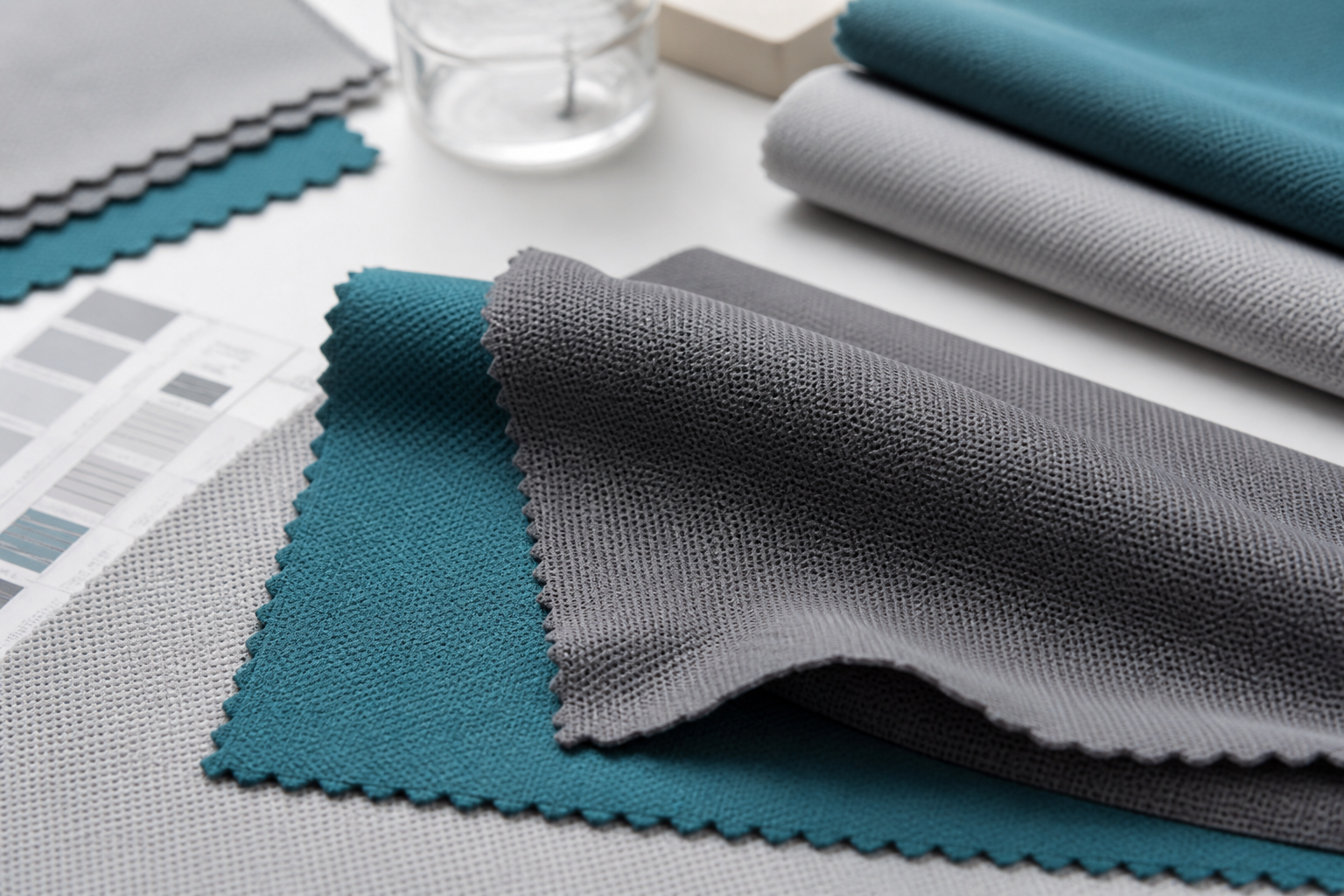
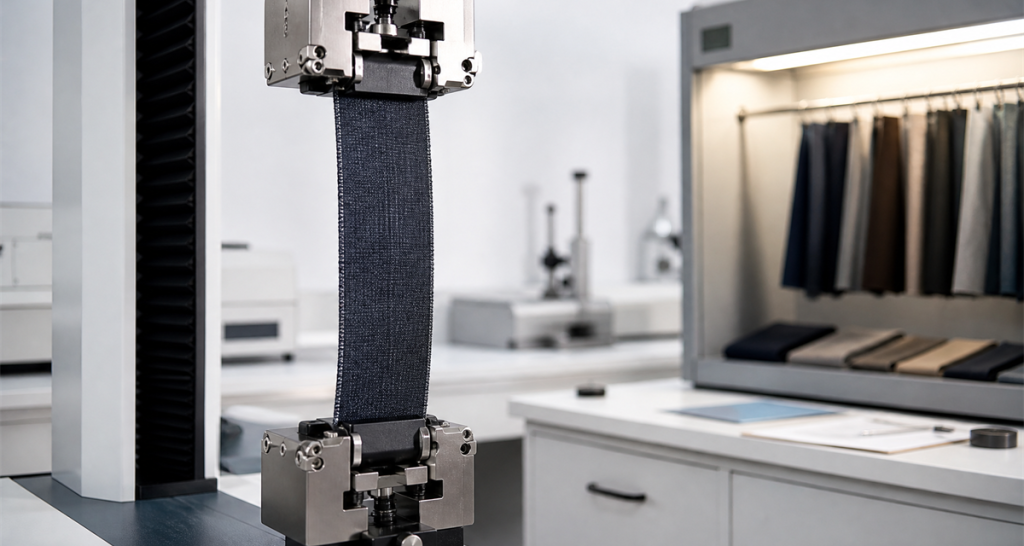
Performance fabrics are becoming more important for activewear, swimwear, outdoor apparel, event products, hospitality textiles, and technical fashion capsules. For international buyers, a confident sourcing decision requires more than a good-looking swatch. The buyer also needs clear testing criteria, stable specifications, and quality documents that connect the approved sample to the final production batch.
Why Testing Matters in B2B Fabric Sourcing
Performance claims must match the intended end use. Breathability, stretch recovery, abrasion resistance, colourfastness, dimensional stability, moisture handling, and surface durability can affect how a fabric performs after cutting, sewing, washing, packing, and repeated use. The correct test plan depends on the base composition, construction, finishing, and product category.
A fabric for a fashion-led activewear capsule may require a different quality focus from a fabric used in hospitality seating, event panels, or outdoor accessories. Before ordering samples, buyers should explain the target application and the conditions the product will face. This allows the supplier to recommend practical tests instead of offering a generic report that does not answer the buyer’s real production questions.
Key Test Categories to Discuss
- Physical specification: Confirm fibre composition, GSM, usable width, thickness, stretch, recovery, construction, and finish. These values influence costing, yield, fit, drape, and production planning.
- Colour performance: Review shade consistency, colourfastness to washing or rubbing where relevant, light exposure, and the relationship between the approved colour standard and bulk production.
- Dimensional stability: Discuss shrinkage, skew, spirality, and recovery after the intended care process. These checks are important for garments, fitted covers, and products with precise dimensions.
- Surface durability: For mesh, embroidery, sequins, foil, flock, or textured finishes, inspect abrasion, snagging, loose decoration, peeling, and surface change after handling.
- Comfort and function: Depending on the application, review air permeability, moisture management, hand feel, flexibility, and skin-contact considerations.
- Batch consistency: Compare the first, middle, and final production sections for width, GSM, colour, finish, pattern registration, and any decorative variation.
How to Organize a Useful Quality File
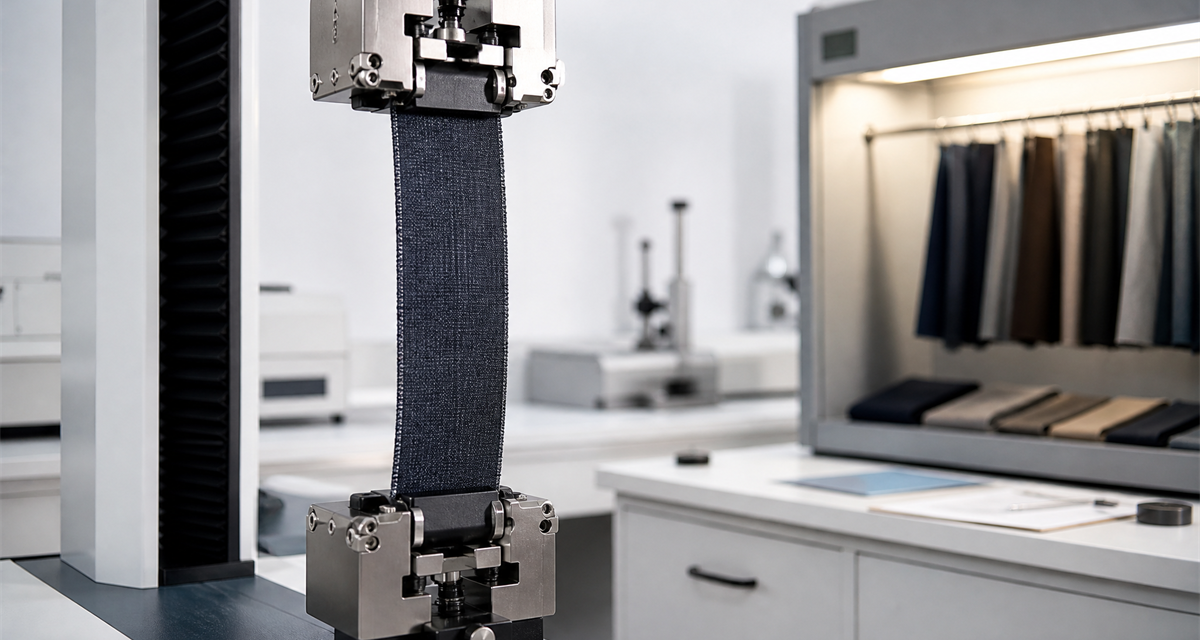
A useful quality file should connect the purchase order, approved sample, specification sheet, colour reference, test plan, inspection record, packing list, and shipment information. Record the fabric name, style reference, composition, GSM, width, colour, finish, roll number, production date, and inspection decision. If a buyer accepts a permitted variation, document it rather than relying on an informal message.
Testing documents should also identify the sample source and date. A report is more useful when the buyer can see which fabric construction and batch it represents. For repeat orders, keep the approved standard and compare new production with the same reference. This creates continuity between development, purchasing, production, quality control, and future replenishment.
Questions to Ask a Fabric Supplier
Ask which parameters can be controlled in-house, which tests require an external laboratory, how samples are selected, and how non-conforming results are handled. Confirm whether the supplier can provide a pre-production sample, a bulk approval sample, inspection photos, roll details, and corrective-action records. Buyers should also confirm the expected lead time for development, testing, and bulk production before committing to a launch schedule.
For a repeat program, buyers can also create a simple release gate for each production stage. Approve the development swatch first, confirm the pre-production standard next, and release bulk goods only after the agreed inspection points are recorded. This staged approach helps teams identify a specification issue before it becomes a cutting, packing, or delivery problem. It also gives purchasing teams a clear document trail when several colourways or fabric constructions are developed at the same time.
When suppliers share test results, buyers should check that the tested construction matches the ordered construction. A different GSM, finish, backing, or decorative surface can change performance even when the fabric name remains the same. Keeping the sample, test reference, and purchase order together makes repeat sourcing more consistent and easier to review.
Yunfan Textile supports global B2B buyers with sequin, embroidery, mesh, velvet, printed, home textile, and performance fabric development. Our team can discuss specifications, sample approval, custom colours, functional requirements, inspection checkpoints, quality files, and repeat-order control for apparel, swimwear, stage, hospitality, and interior projects.
Source Directly from Our Alibaba Store
Browse factory-direct performance and decorative textile options and request samples for your next development project.
Request Performance Fabric Samples
To discuss performance fabric sourcing and quality documentation, use our website consultation page. Include the target application, required performance points, preferred base fabric, estimated quantity, and delivery market so our team can recommend a suitable development and testing route.
Yunfan Textile B2B Contact
Website: https://www.yunfantextile.com/
B2B Contact: Wendy Jessie
WhatsApp/WeChat: +86 156 3752 5803
WhatsApp/WeChat: +86 175 1619 6727
Email: morris@yunfantextile.com
Email: morris@yunfantextile.com
Performance fabric sourcing becomes more reliable when the creative brief, testing requirements, approved sample, and quality documents are managed as one system. A clear test plan and traceable production file help B2B buyers reduce uncertainty and build a repeatable textile program.
SEO keywords: performance fabric testing, functional textile quality documentation, B2B fabric laboratory testing, activewear fabric supplier, wholesale performance textile sourcing.