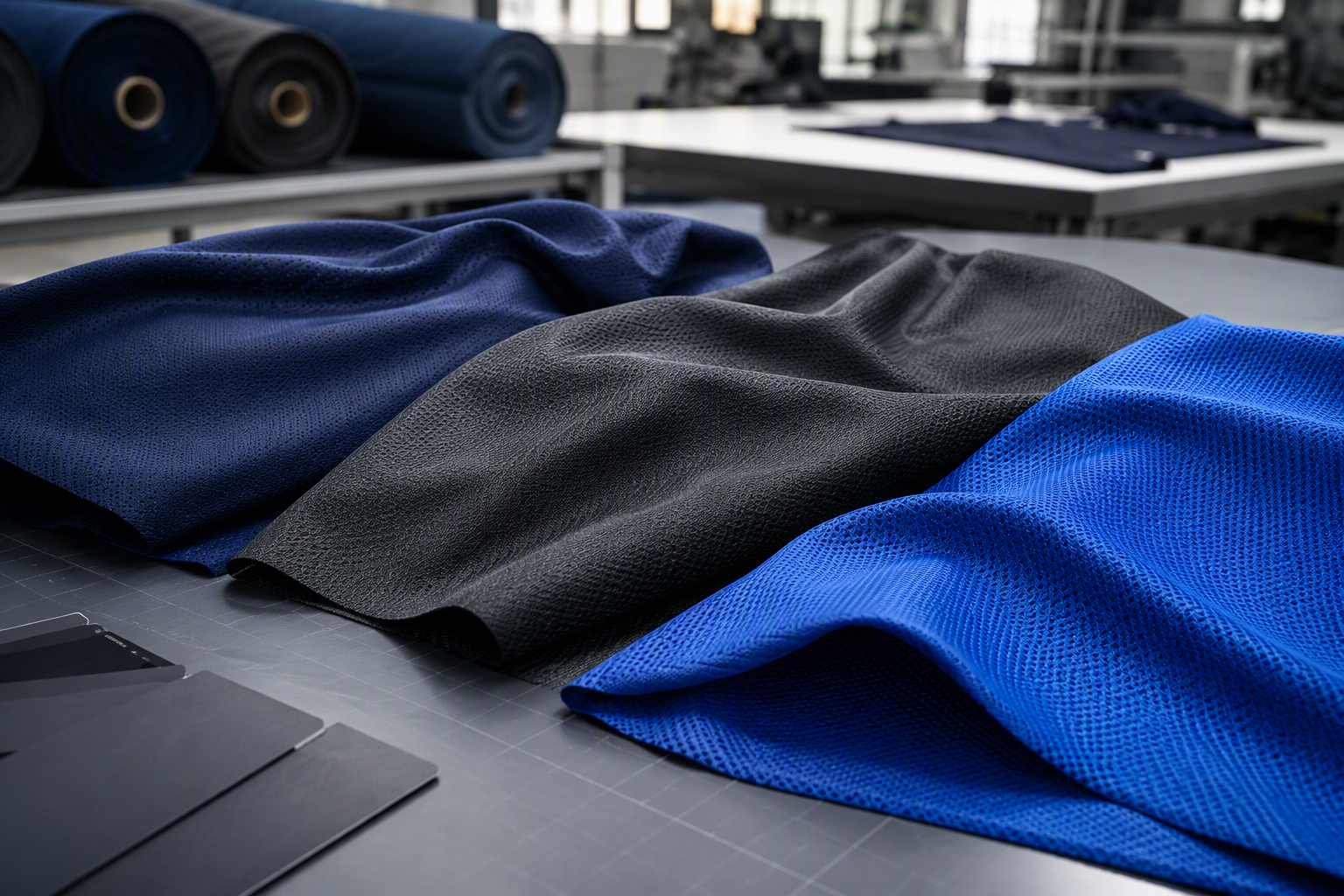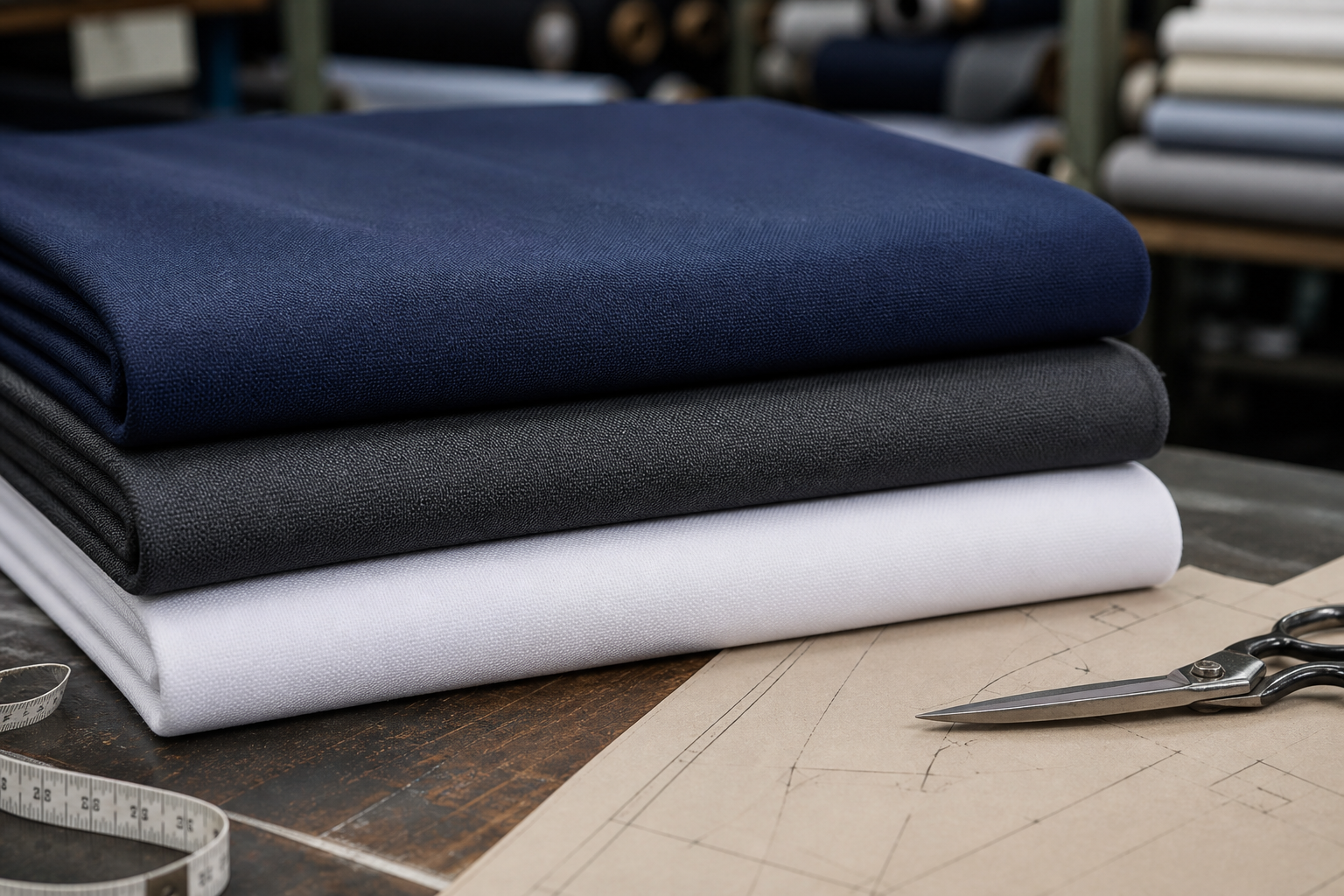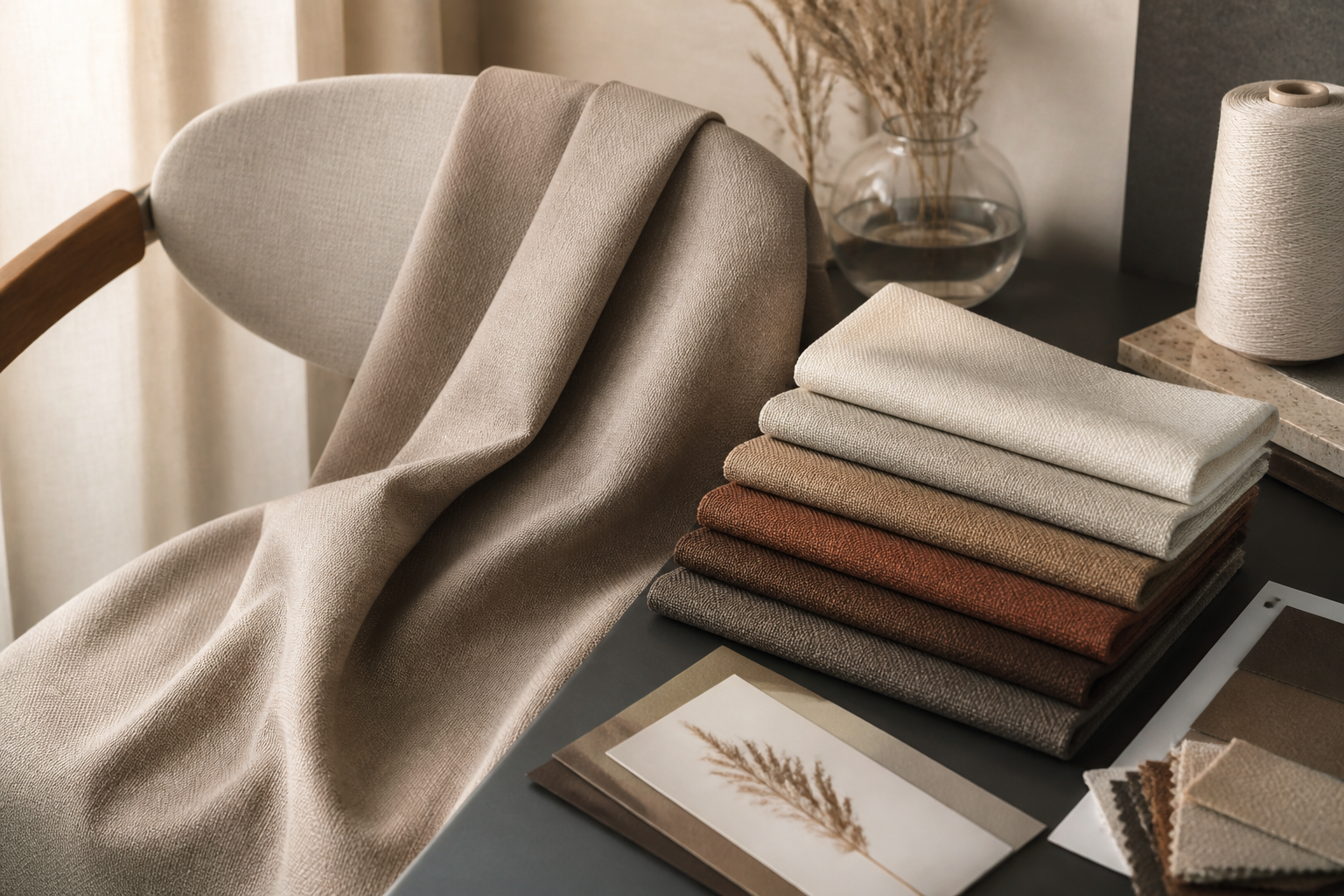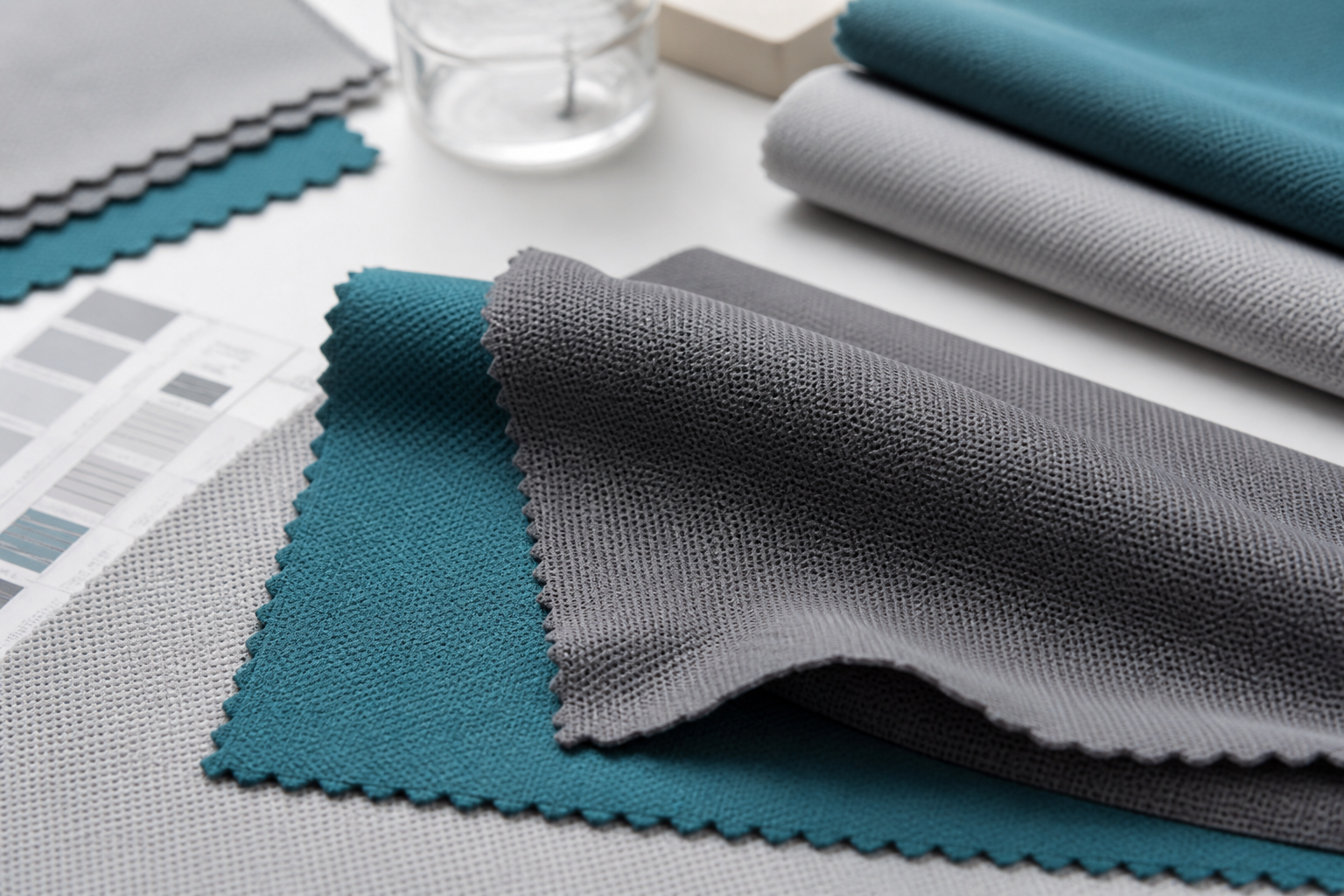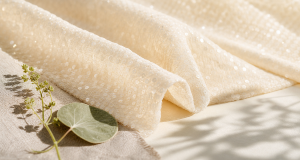
For brands planning responsible fashion, occasionwear, event décor, and home textile collections, recycled sequin fabric is becoming more useful when it is supported by a disciplined digital sampling process. Combining material documentation with digital colour and texture references can help buyers compare options, reduce unnecessary sample rounds, and keep designers, merchandisers, and factories aligned. The goal is not to replace physical approval. It is to make the route from a concept to a verified bulk standard more efficient.
Start with a Clear Material Brief
When a buyer searches for a GRS sequin fabric supplier, the first step should be a complete material brief. Confirm the recycled content claim, the base fabric, sequin material, backing, thread, coating, dyeing or finishing route, and any available certification or transaction documentation. A recycled sequin component and a recycled base fabric should not be treated as the same statement. Clear wording helps the design, compliance, and purchasing teams understand what the final product can accurately communicate.
The brief should also include the end use. A recycled sequin fabric for a fashion panel may have different requirements from a table runner, decorative cushion, backdrop, or costume. Specify the expected hand feel, drape, abrasion, cleaning, stretch, transparency, GSM, usable width, and colour direction. These details allow a supplier to recommend a construction rather than sending a generic image or a mismatched sample.
Use Digital Sampling to Shorten Early Comparison
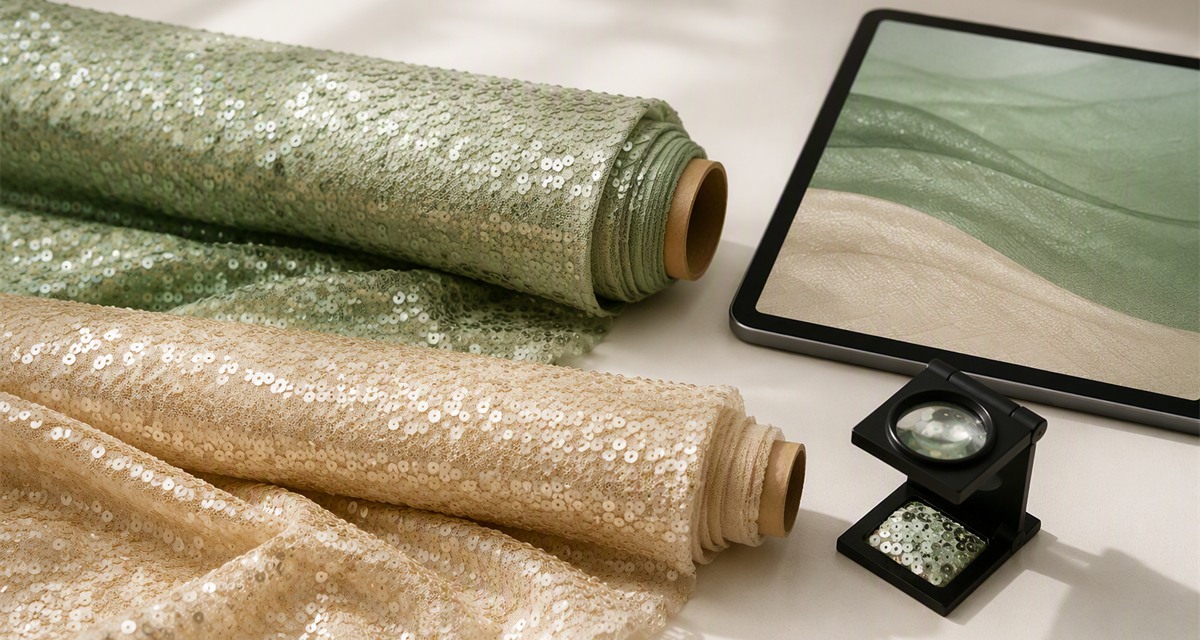
A digital textile sampling workflow can help buyers compare multiple colours, sequin scales, base fabrics, and surface effects before all physical samples are produced. Product teams can review digital swatch libraries, create collection colour stories, prepare internal presentations, and identify which options should move forward to physical approval. This is especially helpful when the development team works across several countries or when a collection contains many colourways.
Digital sampling should still be treated as a decision-support tool. Screen colour, reflectivity, transparency, sequin direction, texture, and drape can appear differently from the physical material. Use digital files to narrow the options, then request a physical lab dip or fabric swatch for final approval. Keep the approved physical swatch linked to the digital reference so that the factory and buyer share the same standard.
Check the Fabric Beyond the Visual Effect
- Material information: Confirm composition, recycled component, base construction, coating, backing, and available documentation.
- Physical specifications: Record GSM, usable width, roll length, thickness, stretch or recovery, and acceptable production tolerance.
- Surface performance: Inspect sequin attachment, abrasion, snagging, loose elements, cleaning response, and changes caused by handling.
- Colour consistency: Compare digital references, lab dips, approved swatches, and bulk rolls under consistent lighting.
- Repeat-order control: Keep a signed reference, batch information, production notes, and inspection records for future replenishment.
Plan Cost and Quantity with the Same Reference
Sustainable sequin wholesale purchasing should include the full development cost, not only the fabric price per metre. Consider digital preparation, physical sampling, colour development, testing, cutting loss, usable width, packaging, freight, and repeat-order requirements. When the approved swatch, quotation, and purchase order use the same style reference, the buyer can compare offers more accurately and reduce the risk of approving different constructions under similar product names.
For a collection with several colours, create a simple approval table. Record each colour, base fabric, sequin size, finish, GSM, width, sample date, and approval status. This makes it easier to identify which options are ready for bulk and which still require a physical correction. It also helps the supplier plan materials and reduces avoidable communication gaps during production.
Yunfan Textile supports global B2B buyers with recycled sequin, embroidered, mesh, velvet, printed, jacquard, home textile, and decorative fabric development. Our team can discuss digital references, physical sample approval, custom colours, GSM and width, quality checkpoints, certification documentation, and repeat-order control for fashion, event, bridal, hospitality, and interior projects.
Source Sustainable Sequin Fabrics Directly
Explore factory-direct recycled and decorative sequin fabric options and request samples for your next collection.
Request Recycled Sequin Fabric Samples
To discuss recycled sequin fabric and digital sampling, use our website consultation page. Include the target application, preferred recycled content, base fabric, colour direction, estimated quantity, target width, and documentation requirements so our team can recommend a practical development route.
Yunfan Textile B2B Contact
Website: https://www.yunfantextile.com/
B2B Contact: Wendy Jessie
WhatsApp/WeChat: +86 156 3752 5803
WhatsApp/WeChat: +86 175 1619 6727
Email: morris@yunfantextile.com
Email: morris@yunfantextile.com
The strongest sustainable sourcing process connects material transparency, digital efficiency, physical approval, and repeatable quality control. By keeping those steps together, B2B buyers can develop more confident recycled sequin collections while giving the factory a clear and measurable production reference.
SEO keywords: recycled sequin fabric digital sampling, GRS sequin fabric supplier, sustainable sequin wholesale, digital textile sampling.