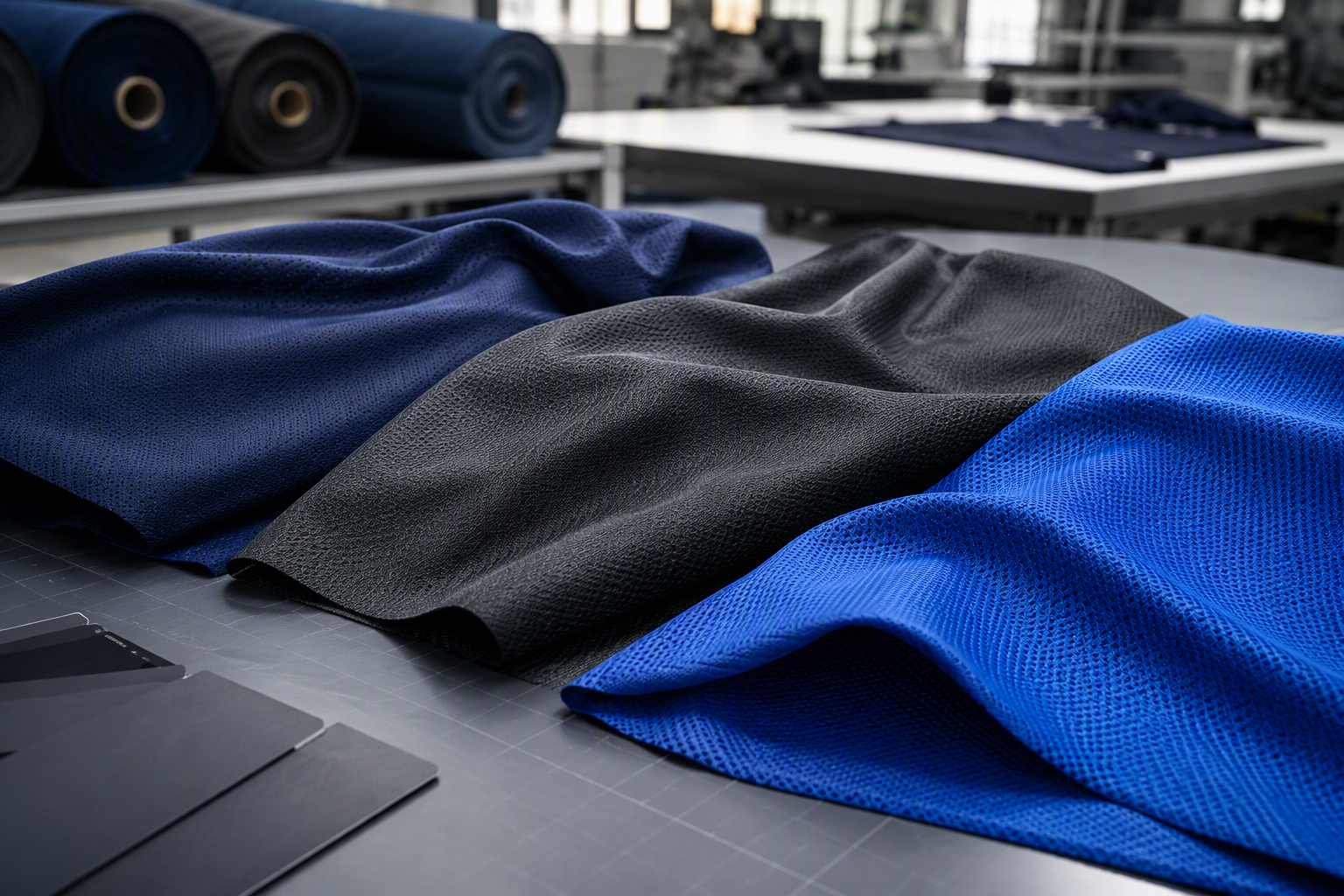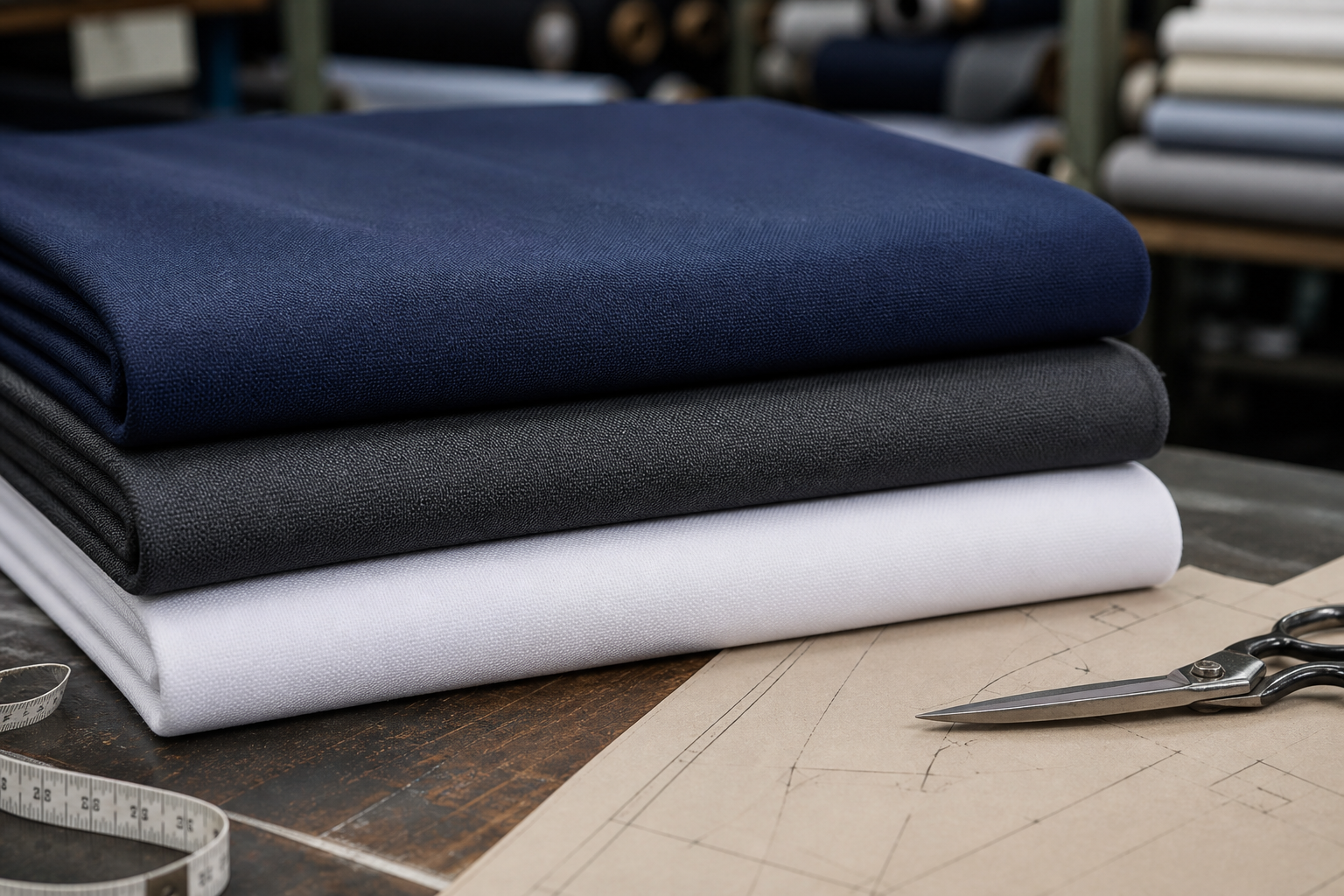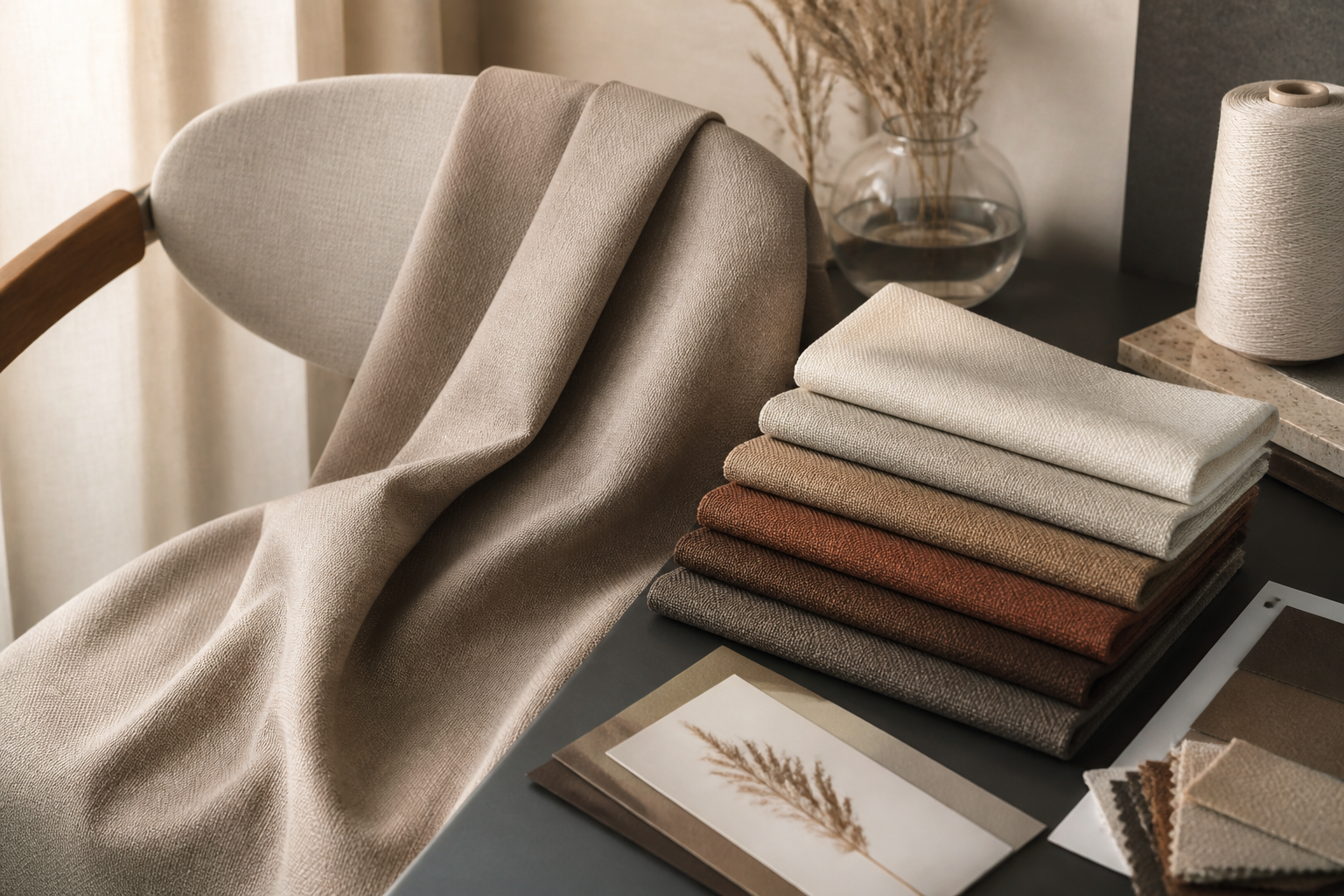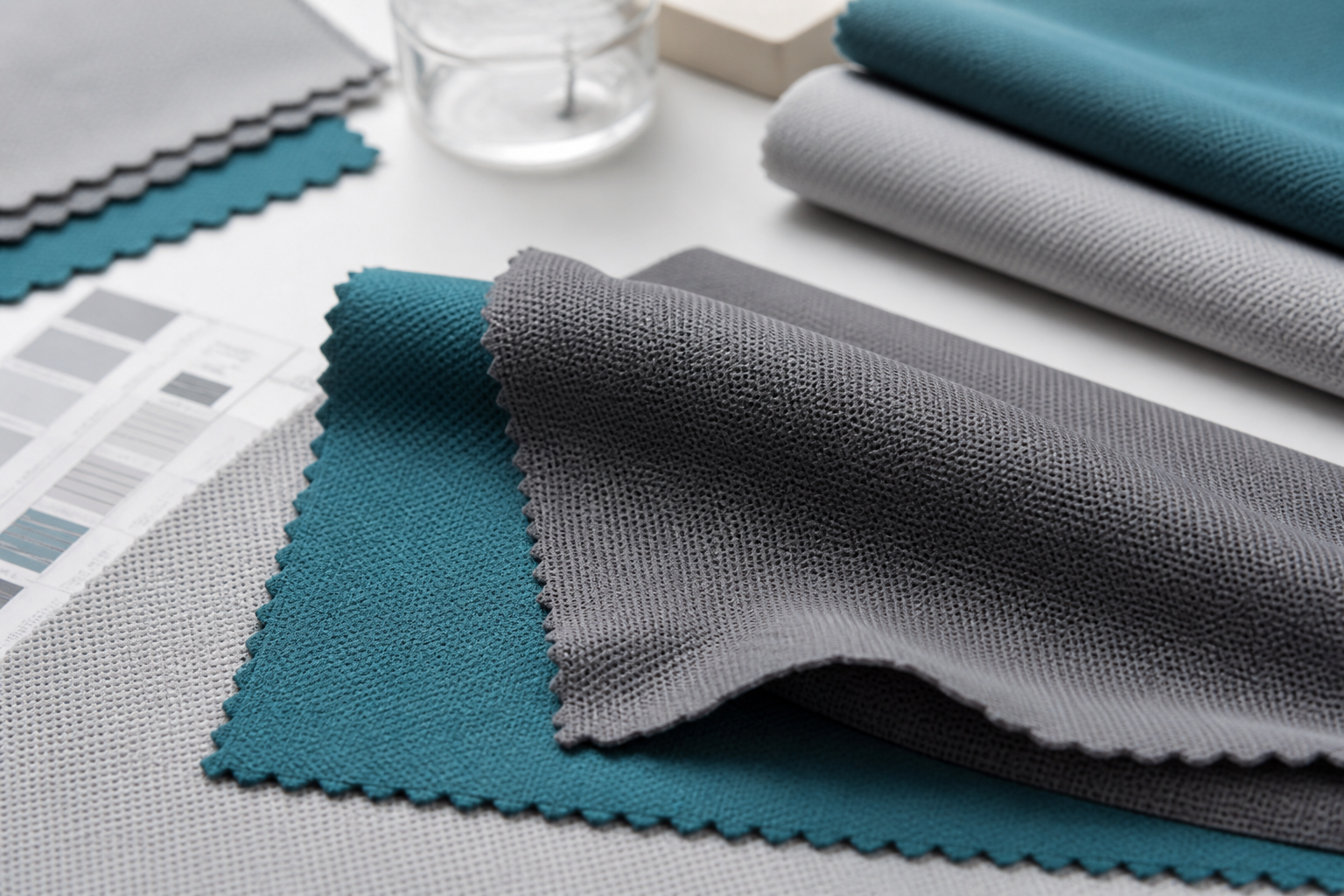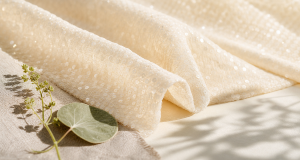
Lightweight mesh is moving beyond a simple lining material. For performance apparel, swimwear, dancewear, stage costumes, sports accessories, and technical layering, buyers increasingly need a mesh that feels light while providing a reliable base for cutting, sewing, stretch, and repeated handling. A high-tenacity mesh fabric supplier can help brands develop a more dependable construction by connecting yarn selection, mesh density, finishing, and end-use testing from the beginning.
Why High-Tenacity Mesh Matters in B2B Development
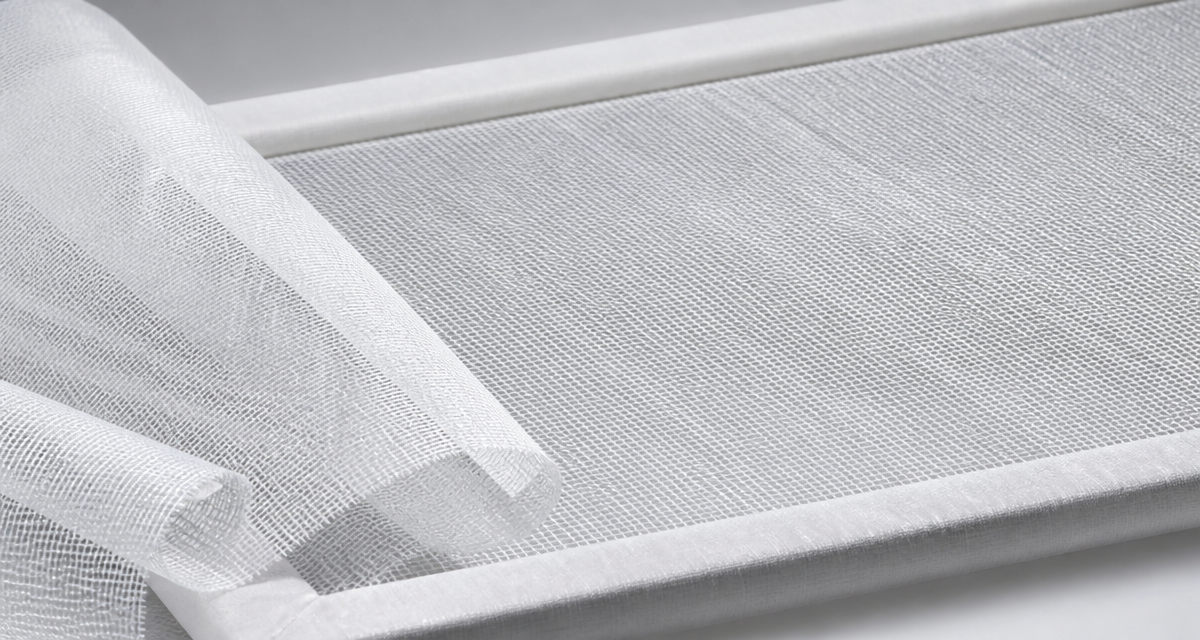
Performance mesh textile is often used in areas where low weight and breathability must work together with dimensional stability. A fabric that is too open may lose coverage or distort during sewing. A fabric that is too dense may reduce airflow and change the intended hand feel. High-tenacity yarns can provide a stronger base for a fine structure, but the final result still depends on knitting or weaving parameters, finishing, width control, and how the fabric is converted into the product.
For B2B buyers, the correct question is not simply “How many denier?” Instead, describe the finished application and request a construction that matches it. Share the target garment, stretch direction, seam type, expected body movement, transparency level, colour, finishing requirements, and approximate quantity. This gives the factory a practical development brief rather than a single specification that may not predict real performance.
Key Parameters to Confirm Before Sampling
- Yarn and construction: Confirm fibre composition, yarn specification, knit or woven structure, and whether the mesh is designed for stretch, support, lining, or decorative layering.
- Mesh density and openness: Review the visual coverage, airflow, transparency, and consistency across the full usable width.
- GSM and width: Record finished weight, usable width, roll length, edge condition, and tolerance so pattern consumption and freight estimates are realistic.
- Dimensional stability: Test shrinkage, skew, spirality, recovery, and changes after the planned care process before cutting bulk garments.
- Seam and handling performance: Check needle penetration, seam slippage, edge curling, snagging, tearing, and compatibility with elastic, embroidery, printing, or bonding.
- Colour and finish: Approve the shade under consistent lighting and confirm whether wicking, softening, anti-static, coating, or other finishes are required.
Match the Mesh to the End Use
For activewear and dancewear, buyers may prioritise stretch recovery, soft touch, breathability, and resistance to repeated movement. For swimwear or resort garments, the development brief may focus on wet handling, coverage, colour fastness, and compatibility with a lining or elastic system. For stagewear and fashion layering, visual transparency, drape, printability, embroidery support, and the way the mesh reacts under lighting may be more important.
Ask for a physical sample and test it in the same way the finished product will be used. Stretch it across a seam, sew it with the intended needle and thread, layer it over the planned base, and inspect it after handling. If the material will be printed, embroidered, bonded, or decorated, request a converted sample rather than approving only an untouched swatch.
Build a Repeatable Quality Standard
A reliable lightweight mesh fabric wholesale program needs more than one approved colour card. Keep a signed reference showing construction, GSM, width, shade, hand feel, stretch or recovery, and acceptable tolerances. Record the production batch, finishing route, inspection points, and packing method. This makes future replenishment easier and helps the buyer identify whether a variation comes from yarn, structure, finishing, dyeing, or handling.
Cost should also be evaluated by usable output rather than price per metre alone. Include width, cutting yield, edge waste, shrinkage allowance, sample development, testing, packaging, and freight. A stable mesh that cuts cleanly and reduces rework may offer better project value than a lower-priced fabric that creates sewing or quality issues.
Yunfan Textile supports B2B buyers with mesh, embroidered, sequin, printed, velvet, jacquard, home textile, and decorative fabric development. Our team can discuss yarn and construction, GSM and width, colour matching, finishing, sampling, performance checks, custom production, and repeat-order control for fashion, swimwear, stagewear, sports, and interior projects.
Source Performance Mesh Fabrics Directly
Explore factory-direct mesh and lightweight textile options for performance apparel and custom B2B collections.
Request High-Tenacity Mesh Samples
To discuss a 40D mesh fabric sourcing project, use our website consultation page. Include the application, target weight and width, stretch direction, colour, estimated quantity, finishing needs, and testing requirements so our team can recommend a practical sample route.
Yunfan Textile B2B Contact
Website: https://www.yunfantextile.com/
B2B Contact: Wendy Jessie
WhatsApp/WeChat: +86 156 3752 5803
WhatsApp/WeChat: +86 175 1619 6727
Email: morris@yunfantextile.com
Email: morris@yunfantextile.com
The strongest mesh sourcing process aligns material construction with the finished product, then carries the approved standard through sampling, testing, bulk production, and repeat orders. With a clear brief and a physical approval reference, global buyers can develop lighter products without losing control of quality or production consistency.
SEO keywords: high-tenacity mesh fabric supplier, lightweight mesh fabric wholesale, performance mesh textile, 40D mesh fabric sourcing.