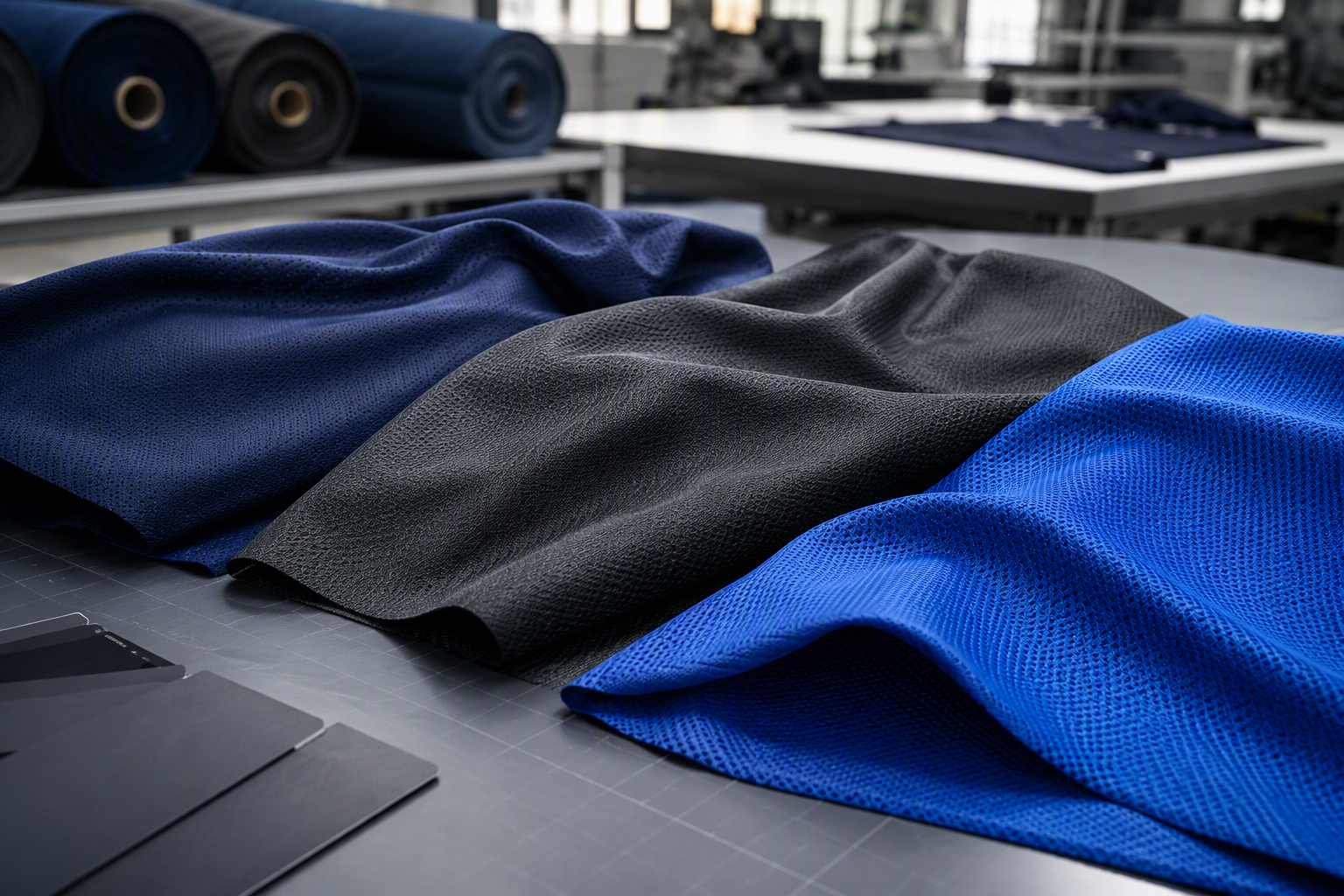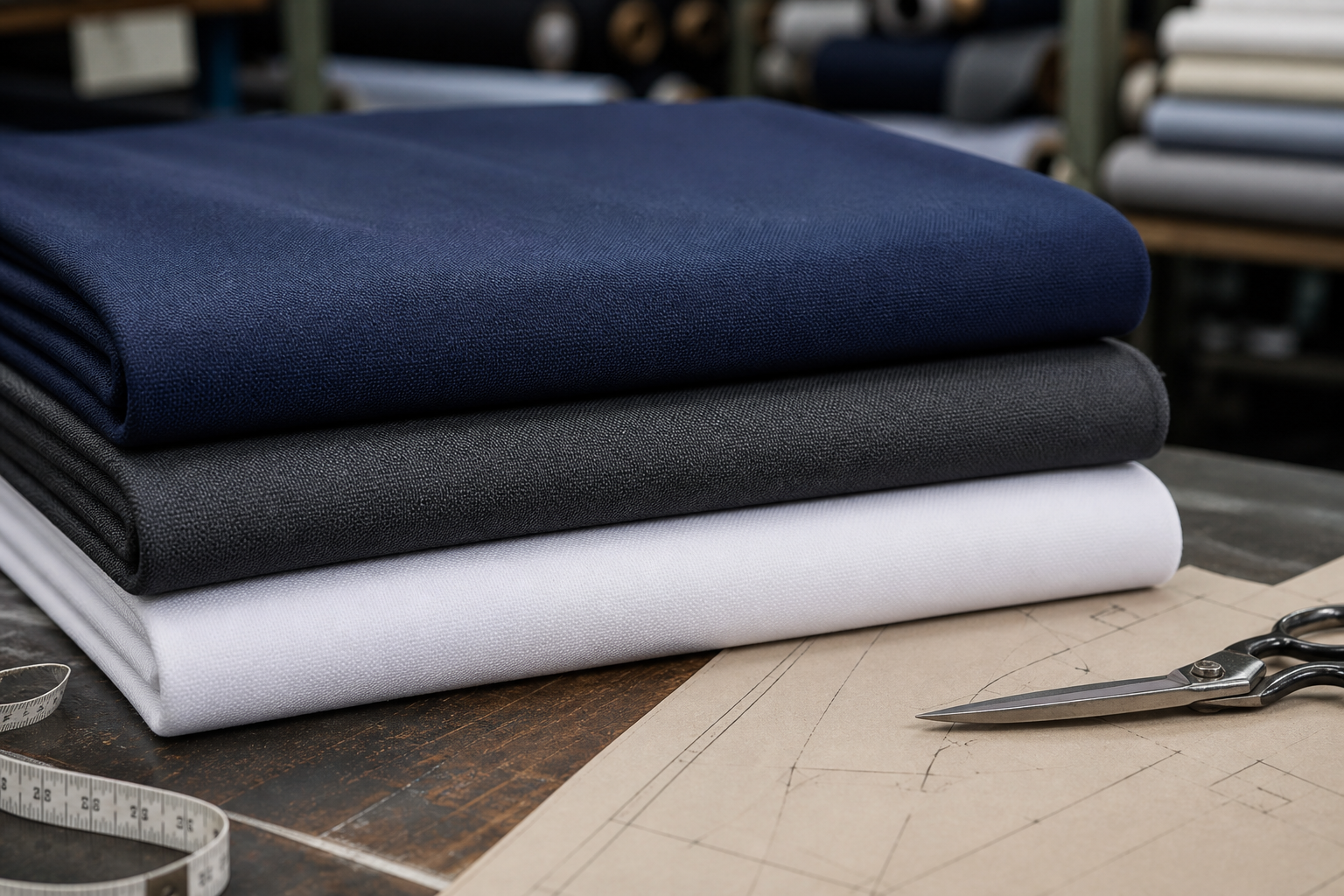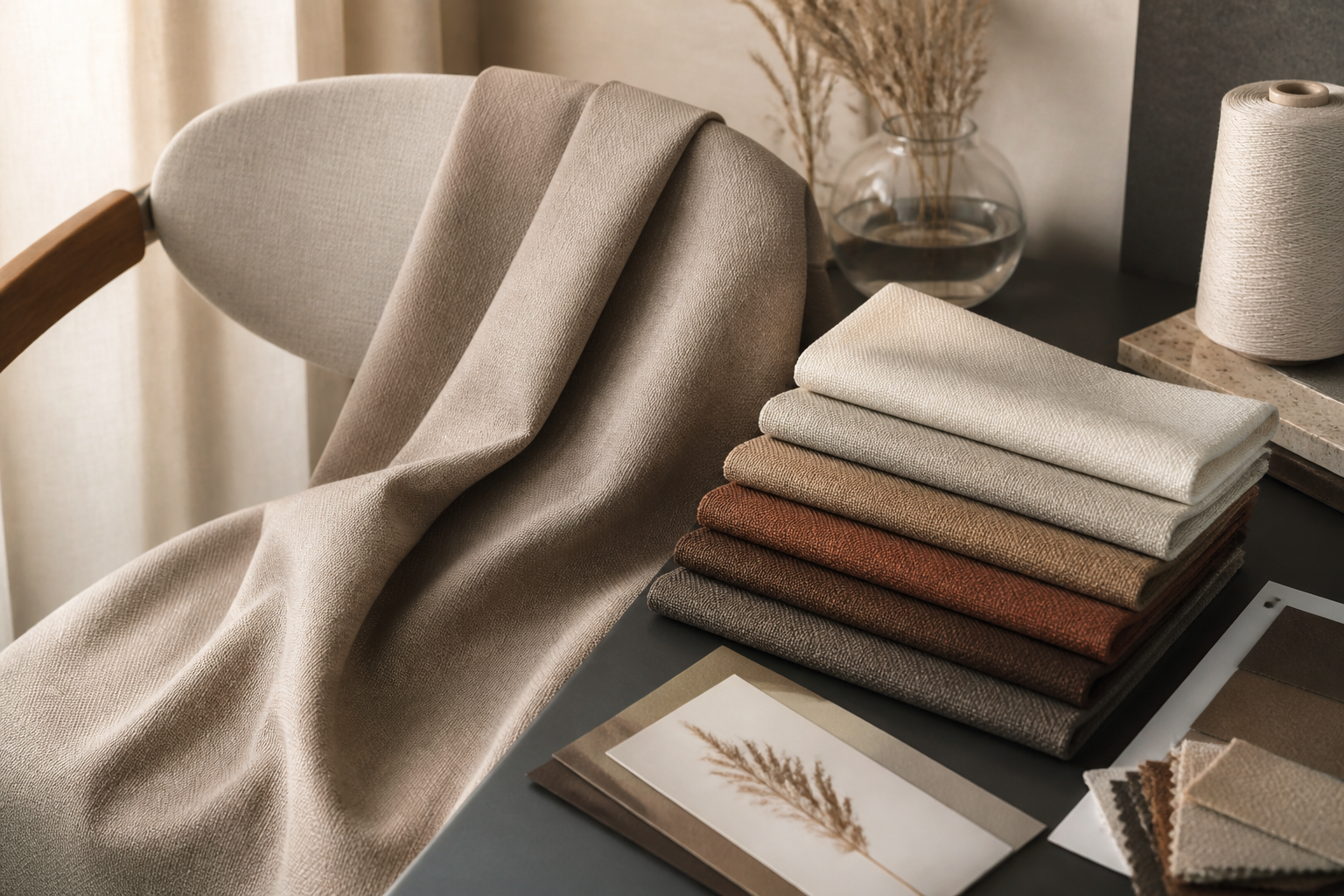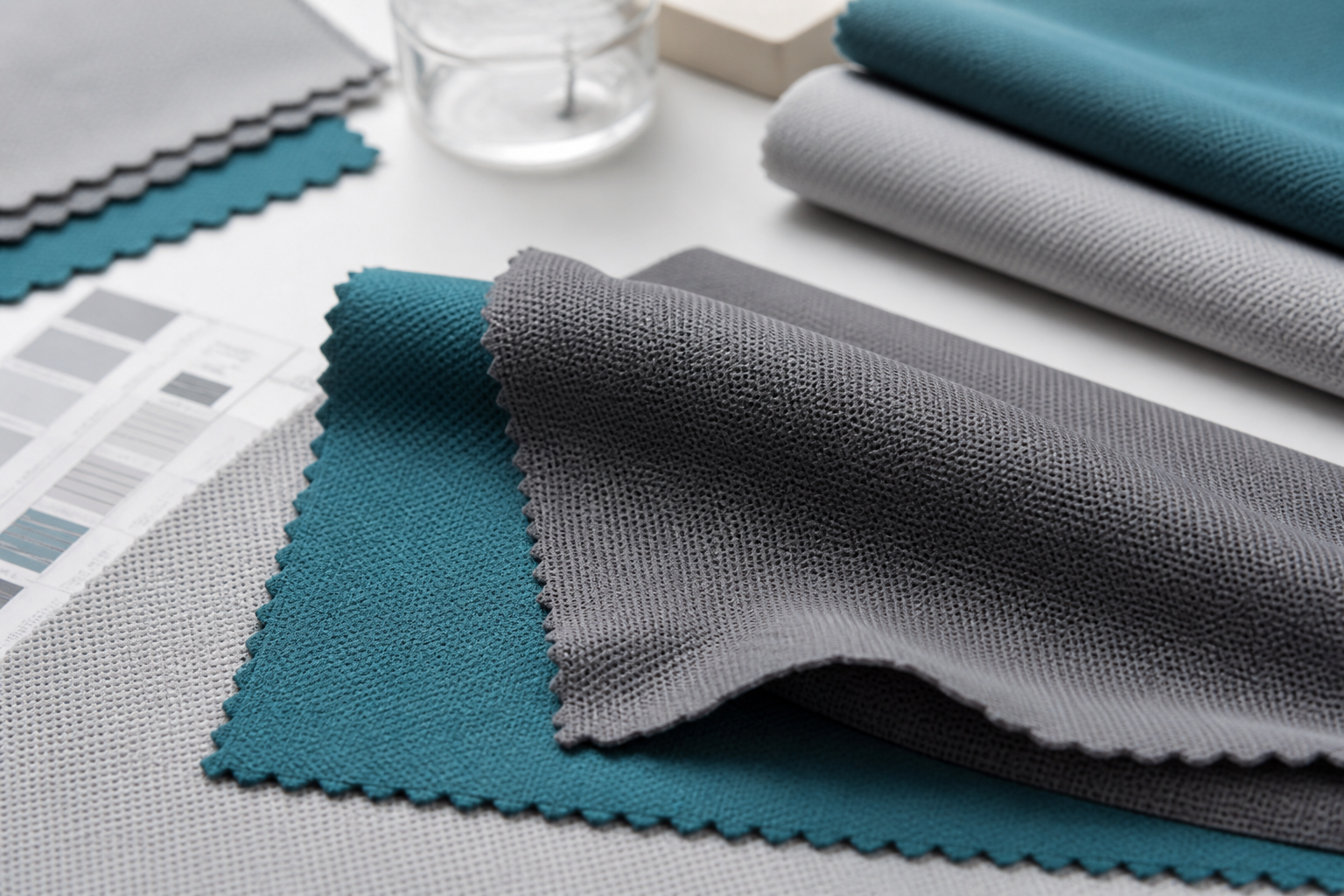
Start by screening suppliers, not sampling. A reliable high-performance mesh fabric supplier should be able to answer four questions before it sends a swatch: which construction fits your end use, which specifications can be repeated in bulk, which testing and quality documents support the claim, and how samples are approved against a fixed reference. If a factory can discuss the material in those terms, it is worth a development conversation. If it only sends photos and a price list, keep looking.
This guide gives B2B buyers a practical sourcing route: define performance, match the mesh construction to the product, shortlist suppliers with a checklist, request the right documents, and carry one approved standard into sampling and bulk.
What Defines High-Performance Mesh Fabric?
High-performance mesh is not a single material. It is a family of open structures engineered for specific jobs: breathability, stretch and recovery, dimensional stability, low weight, or controlled transparency. The same word can describe a fine 40D knit for a training top and a reinforced woven for a bag panel, and the two behave very differently in production.
For B2B buyers, performance is defined by the finished product, not by the fabric name. Before comparing offers, fix the parameters that matter: fibre composition, yarn specification, knit or woven construction, mesh density and openness, GSM, usable width, stretch direction and recovery, shrinkage after the planned care process, colour, and finishing requirements. Suppliers that can discuss these points with tolerances are easier to work with than suppliers that only quote a price.
If your team is new to mesh, start with a construction that is proven in your category, then change one variable at a time. This makes it possible to see exactly what caused a change in hand feel, stretch, or coverage.
Match Mesh Construction to the End Use
Describe the end use first, then ask the factory to propose a construction. This avoids the most common mistake in mesh sourcing: ordering a fabric by name and discovering that it fails the real seam, stretch, or transparency requirement.
Sportswear and Performance Apparel
For activewear, dancewear, and swimwear, the development brief usually focuses on stretch recovery, breathability, wet handling, colour fastness, and resistance to repeated movement. Confirm the stretch direction early — most performance garments need controlled two-way or four-way stretch — and check how the mesh behaves when sewn with the intended thread, elastic, and lining. Layer it over the planned base, inspect coverage and transparency, and review dimensional stability before bulk cutting. A fabric that performs well as a bare swatch can still shift after washing, so test it through the planned care process.
Lightweight Layering and Fashion Applications
For fashion layering, stagewear, and decorative panels, visual characteristics often outweigh mechanical data: transparency, drape, printability, embroidery support, and how the mesh reacts under lighting. A fine high-tenacity mesh can deliver structure at very low weight, but only when finishing and width control stay consistent across the roll. Ask for a converted sample — printed, embroidered, or bonded in the way the final product will be made — rather than approving an untouched swatch.
Supplier Evaluation Checklist
Shortlist suppliers against one checklist so different offers are compared on the same basis:
- Construction knowledge: can the factory explain yarn, structure, density, and finishing, not just repeat the word "mesh"?
- Written specifications: does every offer state composition, GSM, usable width, roll length, and tolerances?
- Sampling route: how are development samples prepared, and what is the approval reference?
- Testing plan: which parameters are checked in-house, and which go to an external laboratory?
- Documentation: can it provide specification sheets, test reports, inspection records, and roll details?
- Repeat-order control: what reference is kept so the next order matches the approved sample?
- Communication: is the response specific to your brief, or generic marketing text?
One fast filter: ask for the finished width and GSM tolerance in writing. A supplier that commits to measurable numbers is usually ready for the next stage.
Testing and Quality Documentation to Request
The test plan should match the end use and the care process. For performance mesh, useful checks include:
- Physical specification: composition, GSM, usable width, thickness, stretch, and recovery
- Dimensional stability: shrinkage, skew, spirality, and change after the planned care process
- Colour performance: shade consistency, colourfastness to washing and rubbing, and light exposure where relevant
- Surface durability: snagging, tearing, seam slippage, edge curling, and behaviour after repeated handling
- Comfort and function: air permeability, moisture management, hand feel, and skin-contact response
Our performance fabric testing guide walks through test categories and quality files in more detail. Whatever documents you collect, keep the approved sample, specification sheet, test reference, and purchase order together. A report is only useful when it describes the construction you actually ordered — a different GSM or finish can change performance even when the fabric name stays the same.
Sampling, Digital Development, and Approval Workflow
A structured workflow prevents most sampling mistakes:
- Digital shortlist — compare digital references and colourways before spending on physical samples.
- Physical sample — request a development swatch in the target construction and finish.
- Converted sample — test printing, embroidery, bonding, or elastic on the actual material.
- Approval reference — sign off one physical standard with construction, GSM, width, shade, and tolerances.
- Pre-production check — confirm the bulk standard before production release.
Digital development is a decision-support tool, not a substitute for physical approval. Screen colour, transparency, drape, and texture look different from the real fabric. Use digital files to compare more options faster, then approve a physical sample. Our guide to digital sampling for B2B collections explains how to keep digital and physical references aligned.
Also confirm the minimum development sample quantity and the bulk order threshold early. Both depend on construction, colour, and finishing, so make the question part of the first conversation rather than assuming a standard answer.
Common Sourcing Mistakes
- Buying on price per metre instead of usable output. Include width, cutting yield, edge waste, and rework cost in the comparison.
- Approving a bare swatch that was never tested the way the garment is used.
- Changing several variables at once, then guessing which one caused the difference.
- Accepting a test report for a different GSM or finish than the ordered construction.
- Skipping the written approval reference, then disputing shade or hand feel at bulk delivery.
FAQ
Which mesh construction should I order?
Start from the end use. Describe the garment, stretch direction, transparency level, and care process, and let the supplier propose a construction against that brief. Compare proposals on specifications, not on names.
What specifications should every quote include?
Fibre composition, yarn and construction, mesh density, GSM, usable width, roll length, stretch and recovery, and acceptable tolerances. If a supplier will not commit to numbers, the offer is hard to evaluate.
Can digital references replace physical samples?
No. Digital files are useful for shortlisting options and colourways, but screen colour, transparency, drape, and texture differ from the physical material. Approve a physical sample before bulk release.
What documents should a mesh fabric supplier provide?
A specification sheet, a test report covering the agreed parameters, an inspection record, and roll details for the production batch. Keep these linked to the approved sample and purchase order.
Can I order a small quantity for development first?
Yes — ask for the minimum development sample quantity and the bulk order threshold before committing. Development quantities vary by construction and finish, so confirm them in writing with the supplier.
Request a Mesh Fabric Development Consultation
Yunfan Textile supports global B2B buyers with mesh, embroidered, sequin, printed, velvet, jacquard, home textile, and decorative fabric development. Our team can discuss yarn and construction, GSM and width, colour matching, finishing, sampling, performance checks, custom production, and repeat-order control for fashion, swimwear, stagewear, sports, and interior projects.
Source Performance Mesh Fabrics Directly
Explore factory-direct mesh and lightweight textile options for performance apparel and custom B2B collections.
To discuss a high-performance mesh fabric sourcing project, use our website consultation page. Include the application, target weight and width, stretch direction, colour, estimated quantity, finishing needs, and testing requirements so our team can recommend a practical sample route.
The most reliable mesh sourcing process defines performance first, matches construction to the end use, and carries one approved standard through sampling, testing, and bulk production. With a clear brief and a physical reference, B2B buyers can shortlist suppliers faster and build a repeatable mesh program.
SEO keywords: high-performance mesh fabric supplier, mesh fabric wholesale, performance mesh textile, B2B mesh fabric sourcing.