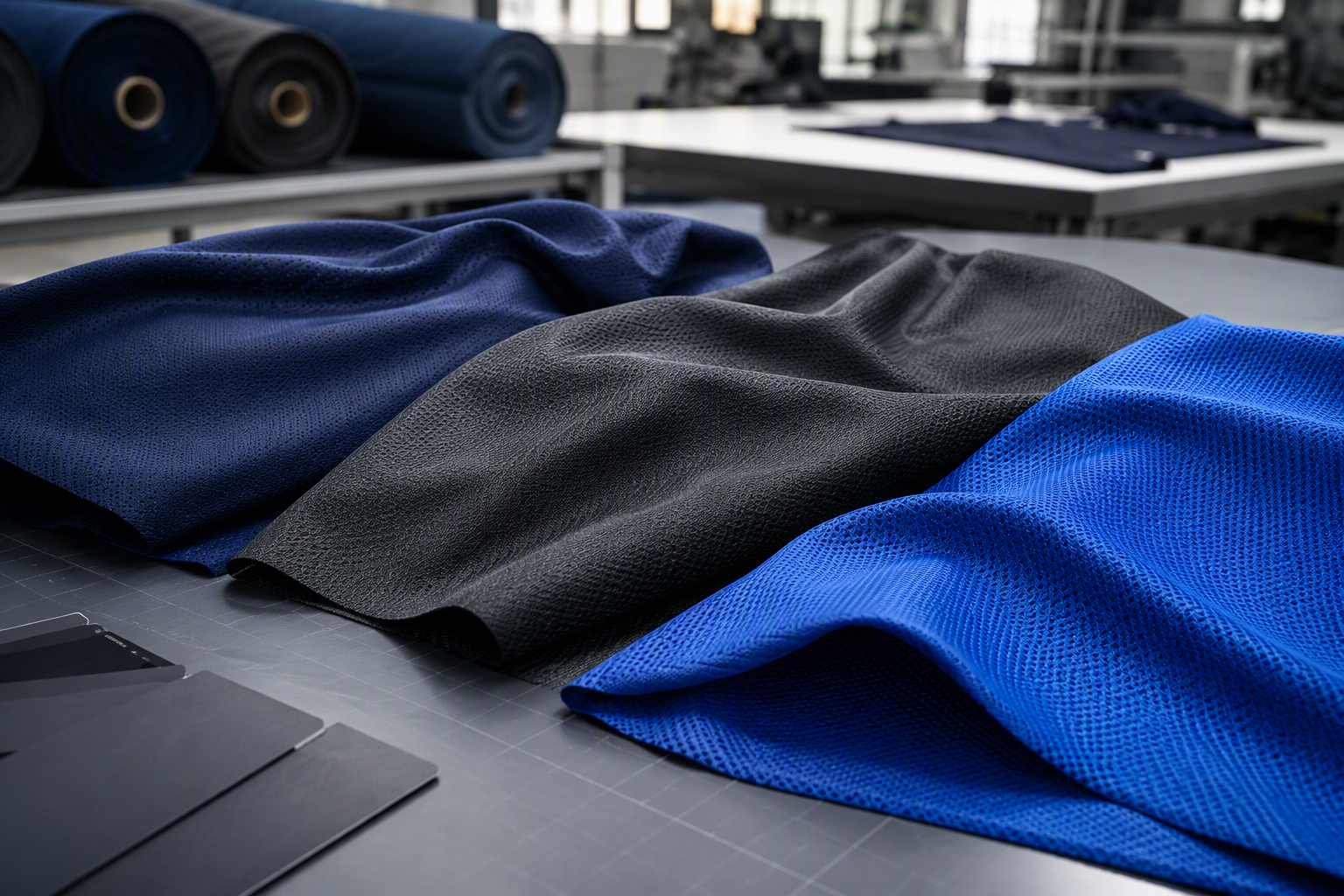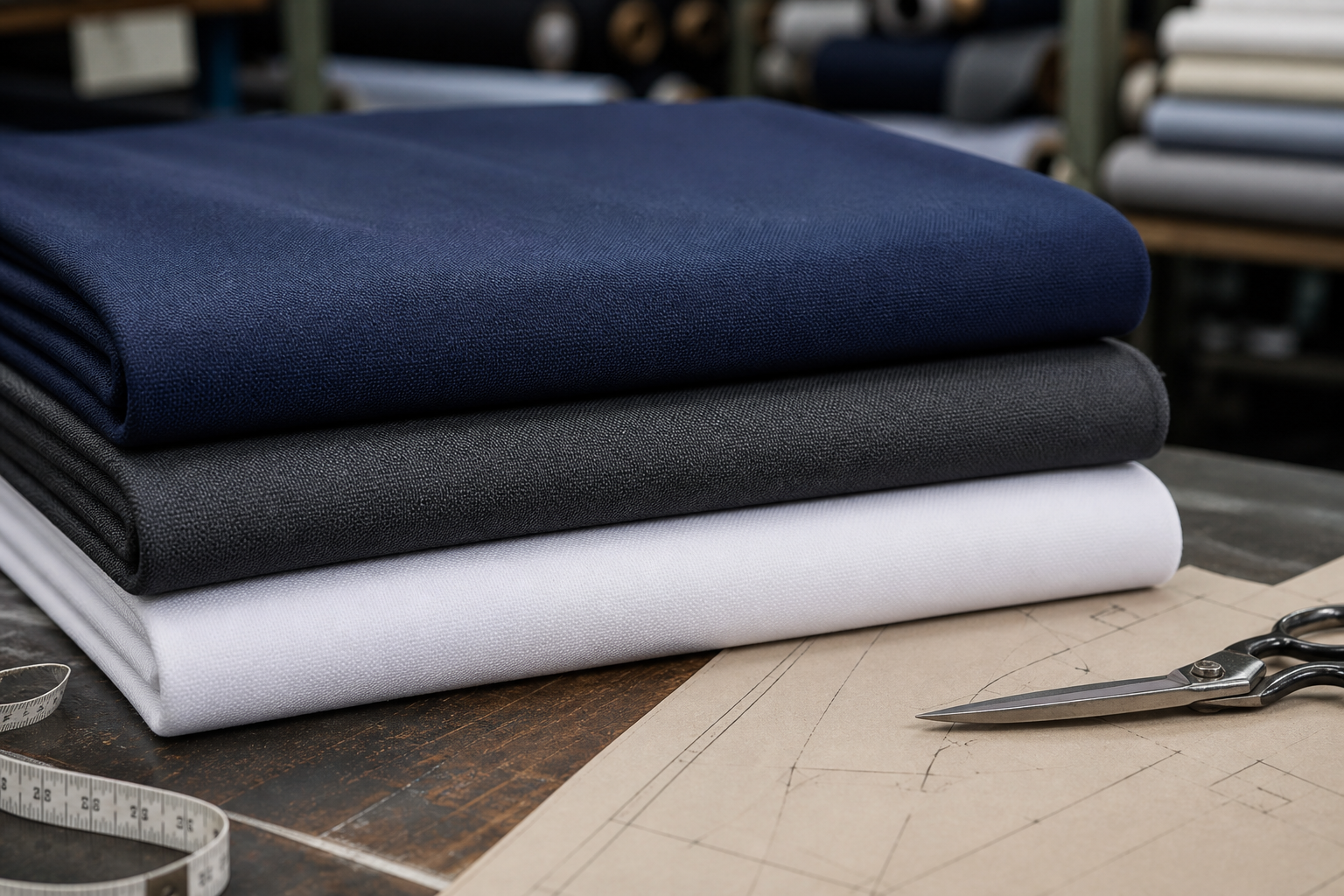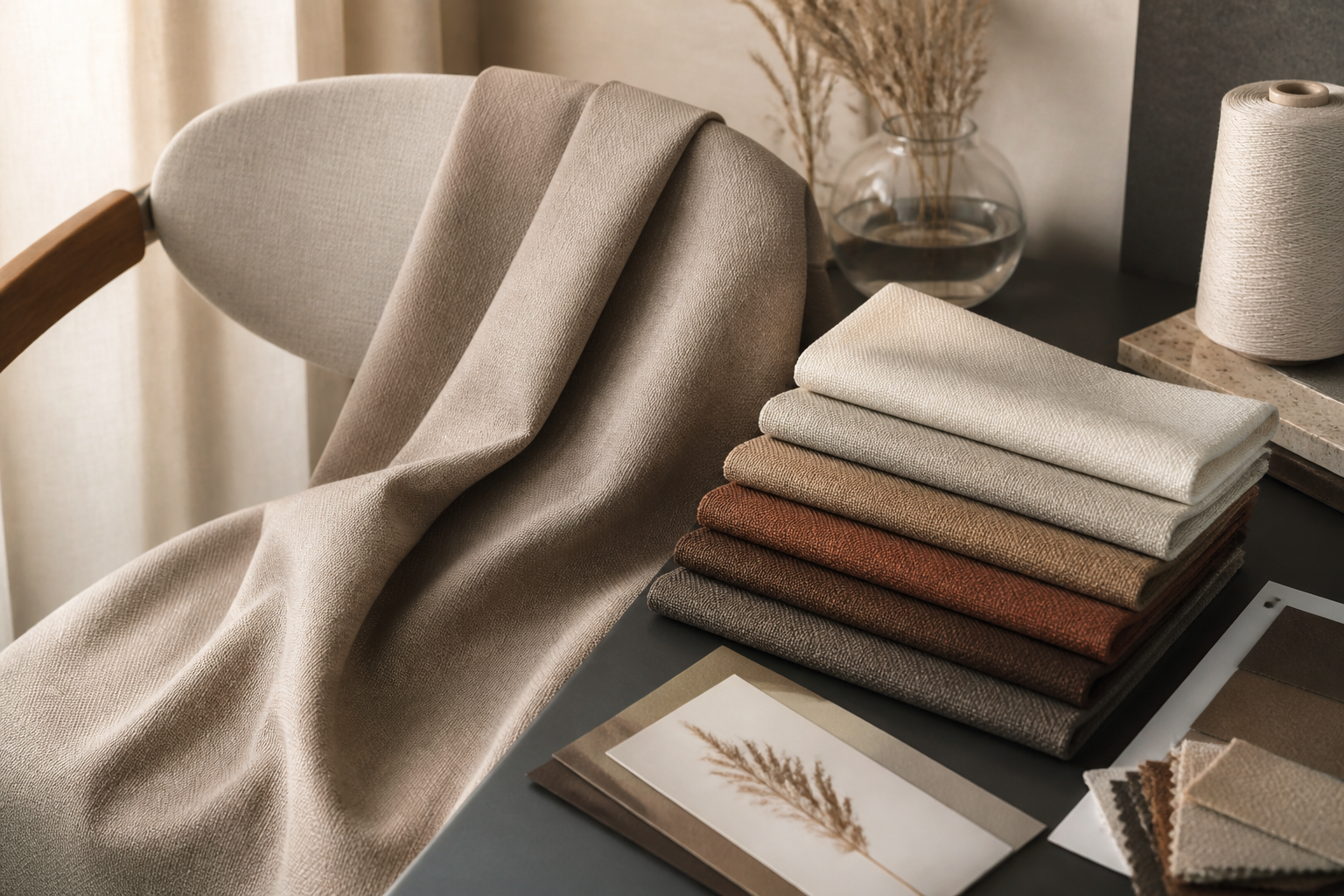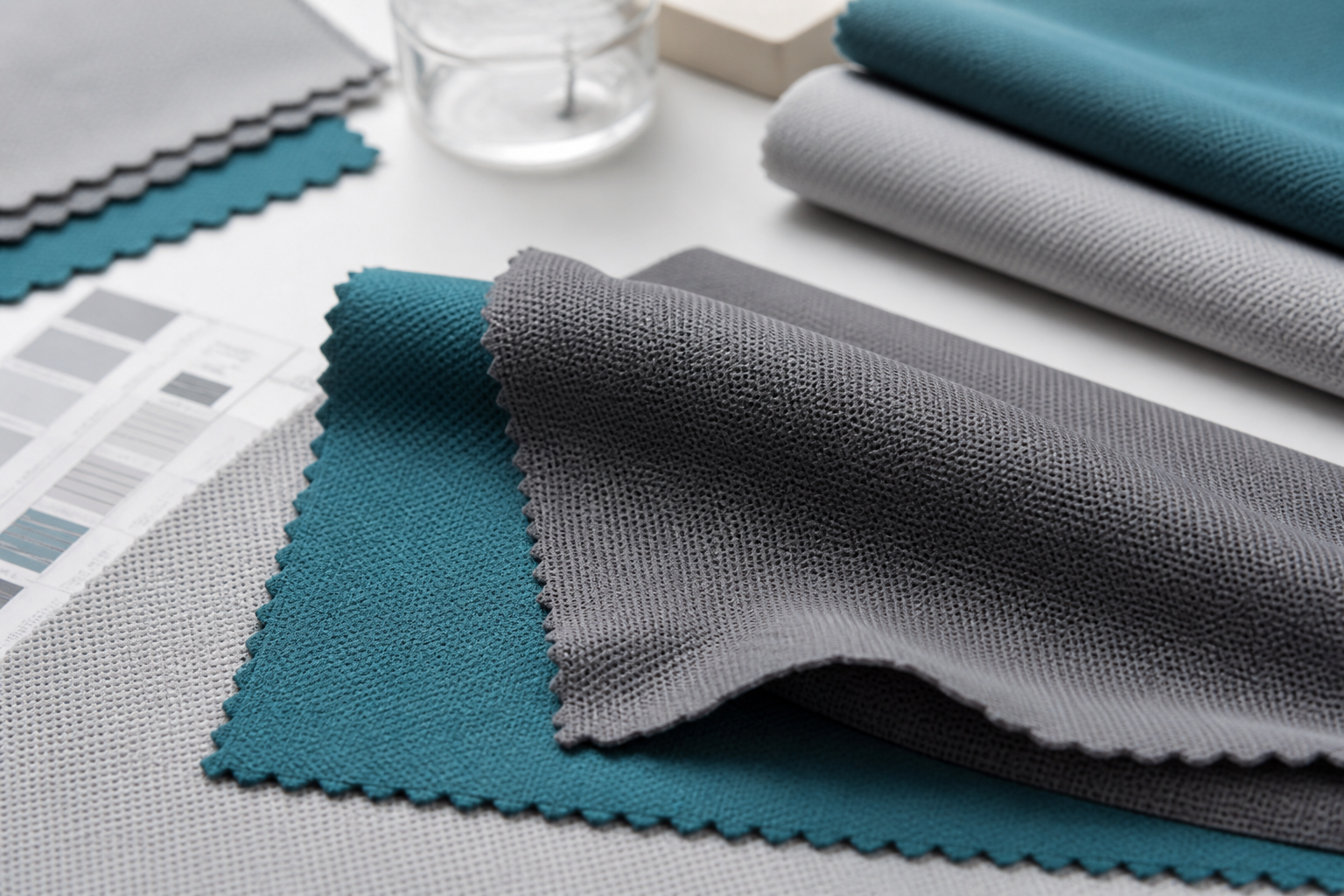
Hospitality and contract interiors require fabrics that balance appearance, performance, maintenance, and project documentation. For hotels, serviced apartments, restaurants, event venues, cruise interiors, and commercial spaces, flame-retardant drapery fabric can support a more complete specification when the decorative direction must also meet project requirements. The best sourcing decision is not based only on a colour card. Buyers need to review the fabric construction, intended use, test documentation, width, weight, finish, and repeat-order process together.
Start with the Project Specification
Before requesting quotations, identify where the fabric will be installed and how it will be used. A window curtain, blackout layer, decorative panel, upholstered feature, and acoustic element may require different constructions and different documentation. Share the project market, installation area, approximate quantity, preferred width, colour direction, lining plan, cleaning expectations, and relevant compliance requirements with the supplier.
Flame-retardant performance should be discussed as a project requirement rather than treated as a universal marketing label. Ask which construction and finish the test result represents, whether the report applies to the final assembled product, and which care or cleaning conditions may affect performance. The supplier should help the buyer identify the correct sample and testing route instead of presenting an unrelated certificate.
Key Parameters for Hospitality Curtain Fabric
- Base construction: Confirm fibre composition, weave, backing, coating, lining compatibility, and whether the fabric is suitable for the required drape and fullness.
- Usable width and GSM: Record the actual cutting width and weight for quantity calculations, hanging systems, installation planning, and freight estimation.
- Colour and light behaviour: Compare the approved shade under the project lighting. Review colour consistency between the face, reverse, lining, and multiple production rolls.
- Drape and recovery: Check how the fabric falls, folds, stacks, and returns after handling. Curtain fullness and finished drop can change the visual result of the interior.
- Surface durability: Discuss abrasion, snagging, seam performance, pilling where relevant, creasing, and the effect of regular opening, closing, or installation handling.
- Care instructions: Confirm cleaning method, shrinkage expectations, ironing or steaming guidance, storage requirements, and whether the finish must be renewed or protected.
Review Testing and Documentation
A B2B quality file should connect the approved swatch to the construction, finish, test report, batch information, and care guidance. Confirm the report date, tested material description, sample source, and intended application. If the project has several colourways or fabric weights, check whether the documentation covers every relevant version or whether separate testing is required.
Buyers should also request a pre-production sample before bulk manufacturing. Review the hand feel, drape, colour, width, surface finish, and compatibility with the planned lining or hardware. For a contract project, retain a signed reference and record any accepted variation. This gives the buyer, factory, installer, and project manager the same standard when production is delivered in stages.
Plan Bulk Orders and Repeat Supply
Hospitality projects often require phased delivery, replacement panels, or additional rooms after the initial installation. Ask how the factory records dye lots, finishing parameters, roll numbers, and approved standards. Consistent documentation helps the buyer reorder the same or a closely matched fabric later instead of starting the development process again.
Compare total project cost rather than only the fabric price per metre. Include sampling, testing, width and cutting yield, lining or backing requirements, packing, freight, installation handling, and possible replacement demand. A slightly more suitable construction may reduce alterations and installation risk even if its initial unit price is not the lowest option.
Yunfan Textile supports B2B buyers with drapery, upholstery, jacquard, velvet, embroidered, sequin, mesh, printed, and decorative fabric development. Our team can discuss colour matching, GSM and width, surface finishes, sampling, documentation, quality checkpoints, and repeat-order control for hospitality, contract, event, and interior projects.
Source Directly from Our Alibaba Store
Browse factory-direct drapery and decorative fabric options for hospitality and contract interior projects.
Request Hospitality Fabric Samples
To discuss flame-retardant drapery fabric and contract textile sourcing, use our website consultation page. Include the project type, installation area, preferred construction, target width, estimated quantity, colour direction, and documentation requirements so our team can recommend a suitable development route.
Yunfan Textile B2B Contact
Website: https://www.yunfantextile.com/
B2B Contact: Wendy Jessie
WhatsApp/WeChat: +86 156 3752 5803
WhatsApp/WeChat: +86 175 1619 6727
Email: morris@yunfantextile.com
Email: morris@yunfantextile.com
Successful contract textile sourcing connects design intent with measurable performance and clear documentation. By confirming the end use, construction, test basis, care method, bulk standard, and repeat-order process before production, hospitality buyers can reduce project risk and create interiors that are both visually consistent and easier to maintain.
SEO keywords: flame-retardant drapery fabric, hospitality curtain fabric supplier, contract textile sourcing, FR upholstery and drapery fabric.