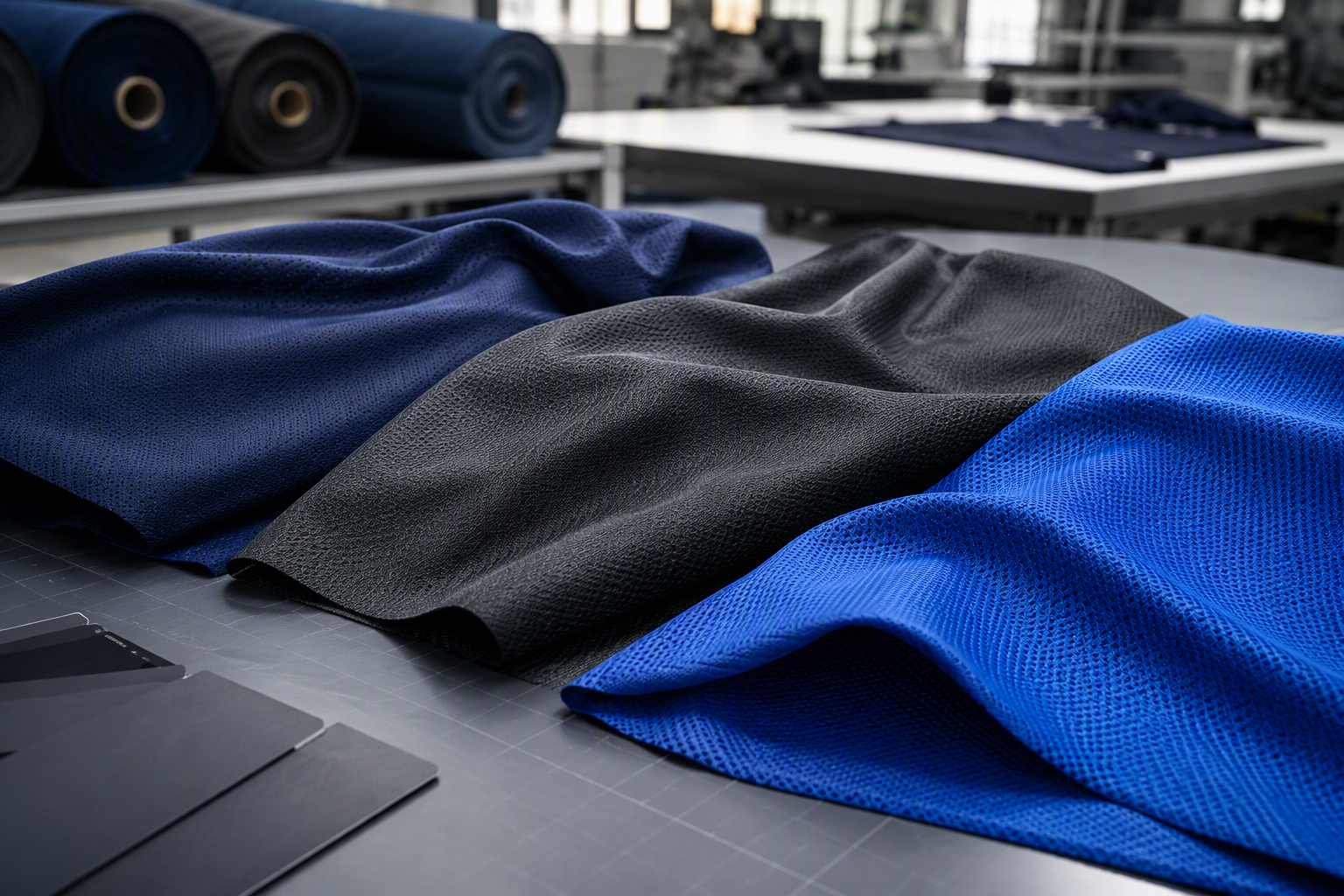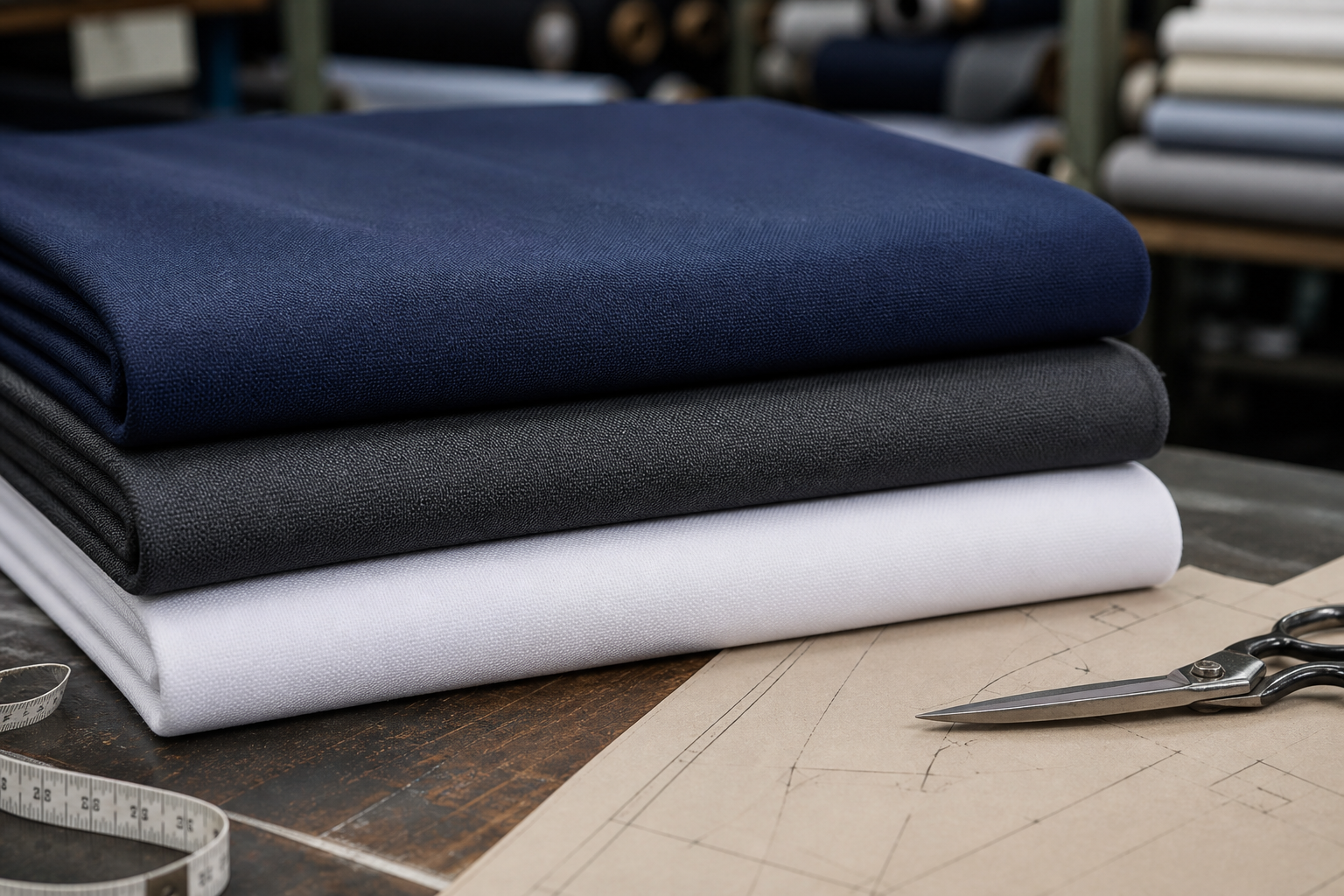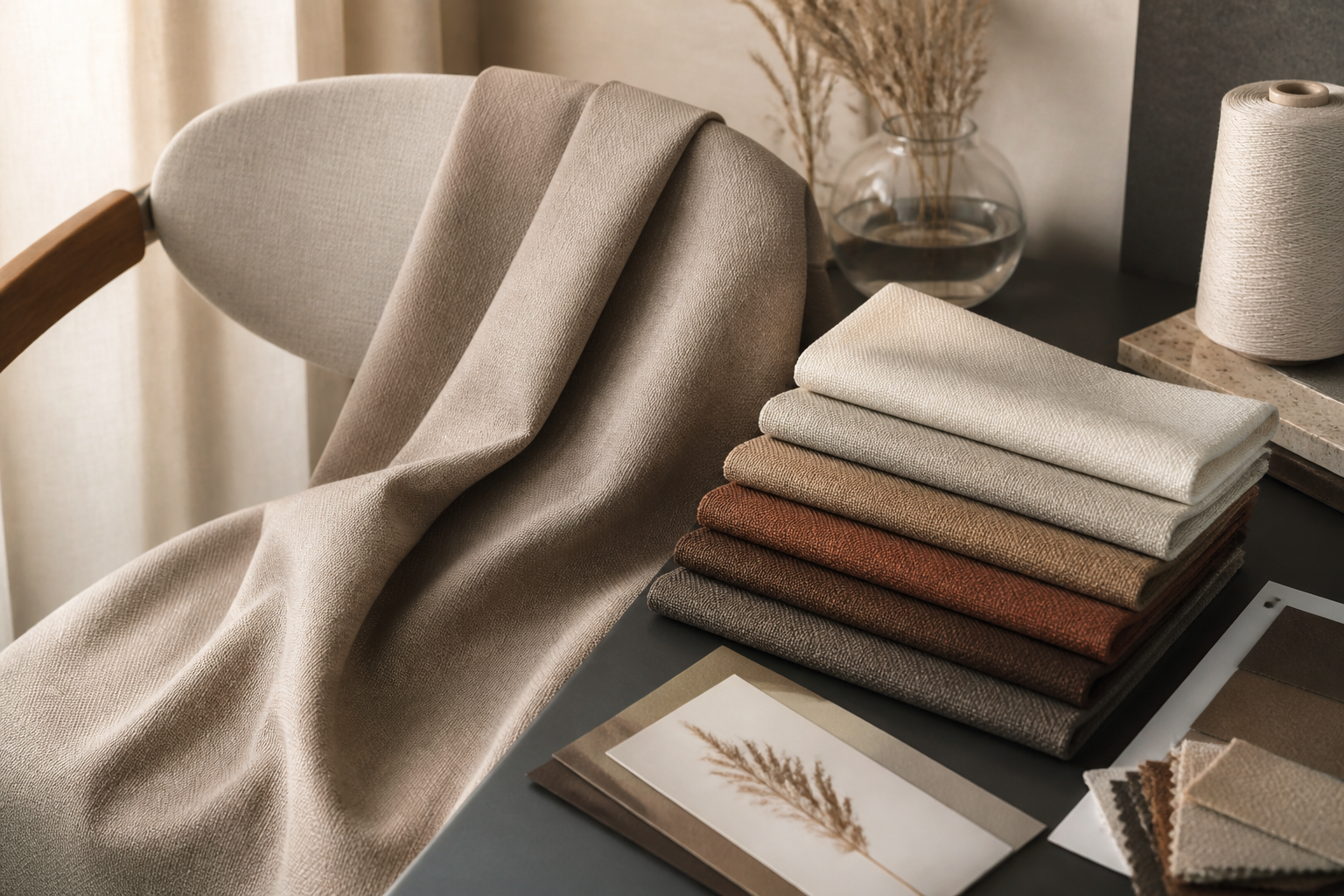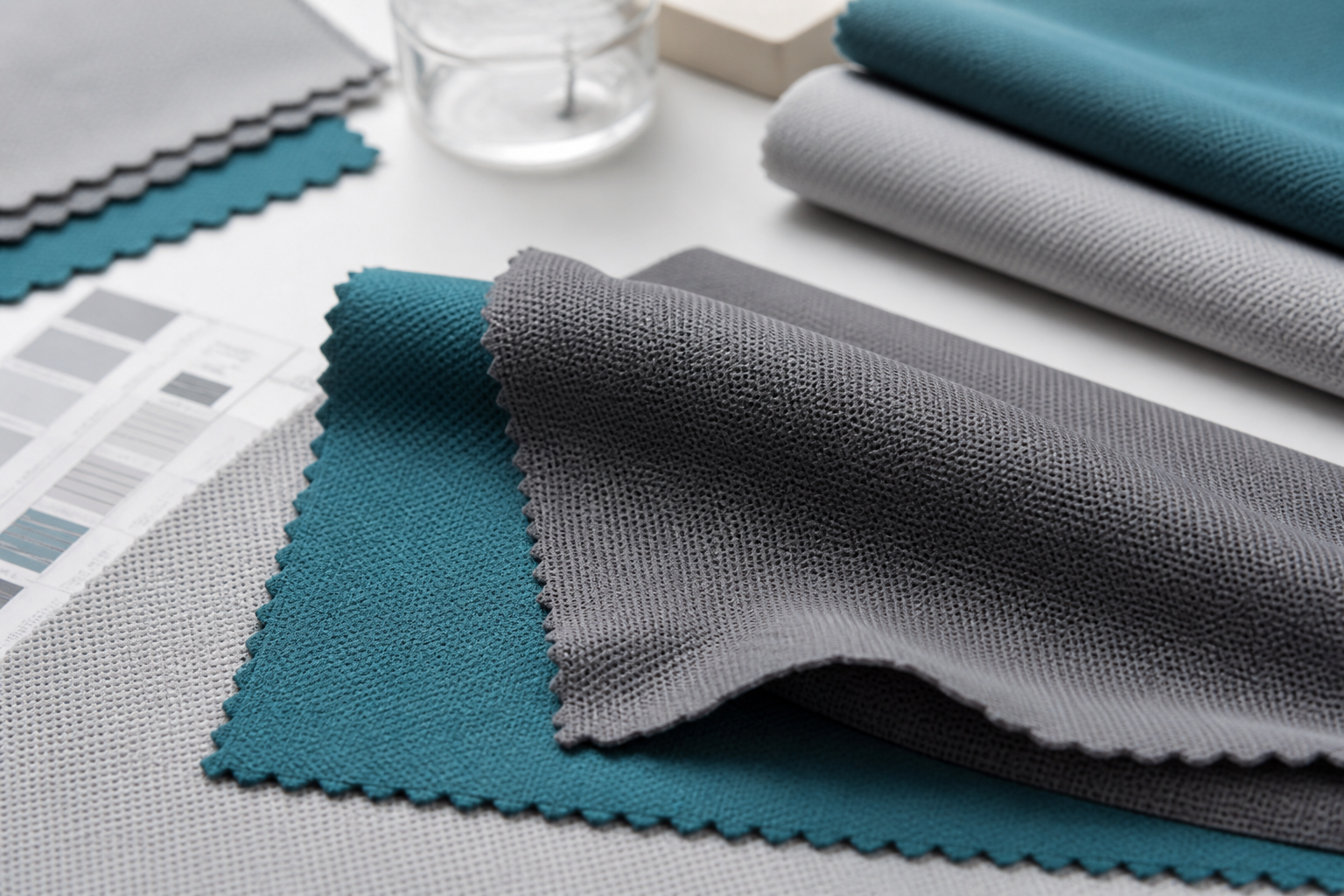
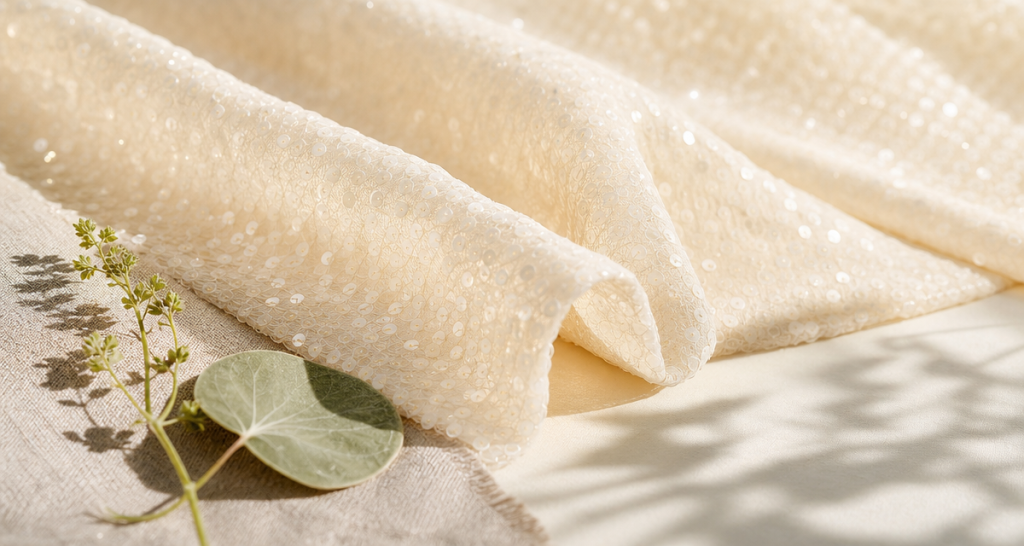
As SS27 collections move toward lighter surfaces, responsible materials, and more expressive texture, bio-based sequin fabric is becoming an interesting development option for fashion brands, costume studios, event suppliers, and home décor teams. It combines the visual energy of sequins with a material story that can support more considered product development. For B2B buyers, however, the key question is not simply whether a sequin is described as bio-based. The complete fabric system, performance, documentation, and bulk consistency must all be reviewed before approval.
What Buyers Should Confirm About Bio-Based Sequins
“Bio-based” can refer to different feedstocks, resin systems, coatings, or components. Ask the supplier to explain which part of the sequin or fabric construction is bio-based and which parts remain conventional. Request a clear material description, supplier declaration, available certification documents, and the intended end-of-life information. This creates a more accurate product brief and helps design, compliance, and purchasing teams use consistent language in internal and customer-facing materials.
A responsible sourcing discussion should also cover the fabric base. Sequins may be attached to mesh, woven fabric, stretch knit, satin, velvet, or another foundation. The base influences breathability, weight, drape, recovery, sewing behaviour, and the final environmental profile of the product. A decorative component cannot be assessed separately from the substrate, backing, adhesive, thread, dyeing, and finishing process.
SS27 Applications for Sustainable Sequin Fabric
Lightweight bio-based sequin fabric can support a wide range of commercial concepts. Fashion brands may use it for statement panels, resort separates, party dresses, accessories, and limited-edition capsules. Costume and performance teams can explore reflective details without covering an entire garment in heavy embellishment. Event companies may use sequin panels for reusable backdrops, table accents, retail installations, or branded photo areas. In hospitality and interiors, smaller sections can add controlled highlights to cushions, wall panels, and decorative soft goods.
For each application, define the required surface impact and the practical handling conditions. A garment needs comfortable drape and secure seams. A backdrop needs stable width, manageable roll packing, and a finish that remains attractive after installation. A reusable décor product may require careful abrasion, folding, cleaning, and storage evaluation. These end-use requirements should be included in the first sample request rather than added after quotation.
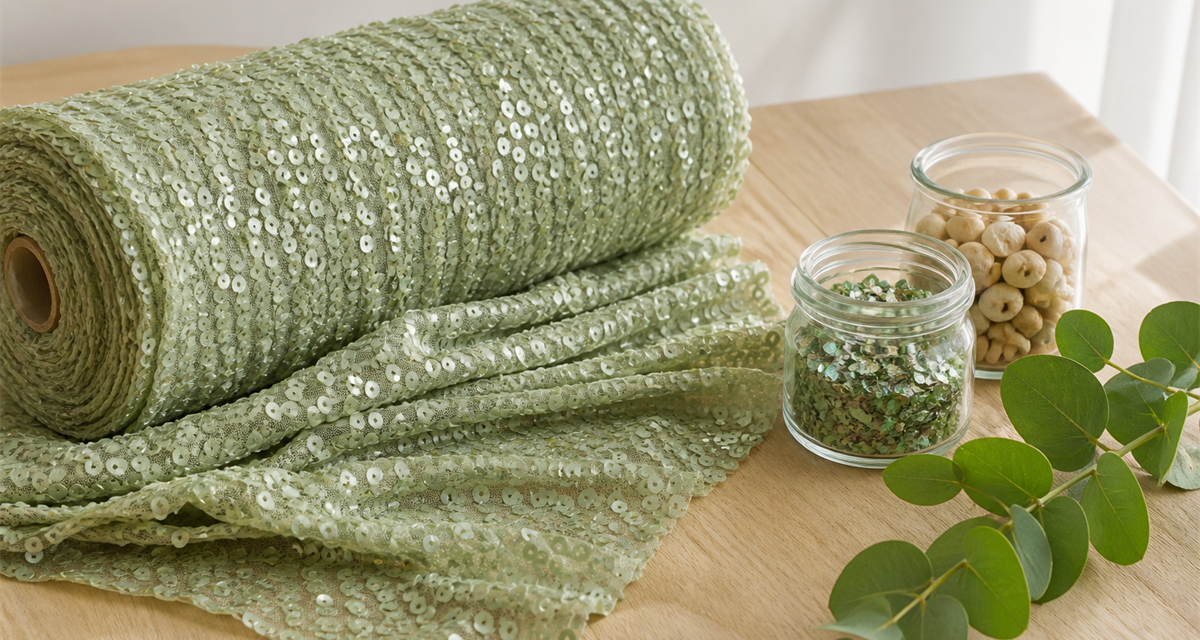
B2B Quality Checklist Before Bulk Production
- Material declaration: Confirm the composition of the sequin, base fabric, coating, backing, thread, and any adhesive.
- Appearance: Compare colour, gloss, transparency, sequin shape, density, and surface direction against the approved standard.
- Physical specifications: Record GSM, usable width, roll length, stretch or recovery where relevant, and the acceptable tolerance for bulk production.
- Attachment security: Inspect stitching or bonding after flexing, handling, and the intended care process. Loose components can create both quality and safety concerns.
- Colour consistency: Review shade across several rolls and retain a signed reference swatch for repeat orders.
- Documentation: Keep test reports, declarations, packing instructions, care guidance, and batch records with the purchase order.
Control Cost Without Losing the Material Story
Bio-based options may require a different development and approval process from standard sequin fabric. Buyers should compare total project cost rather than only the price per metre. Include sampling, colour development, testing, cutting loss, packaging, freight volume, and expected repeat-order requirements. A well-defined material brief can reduce re-sampling and prevent a low initial price from creating extra costs later.
It is also useful to separate the visual statement from the coverage area. A collection may achieve a stronger commercial result by using bio-based sequins on selected panels, trims, sleeves, accessories, or décor accents instead of applying the material to every component. This approach gives designers flexibility while allowing purchasing teams to manage yield and budget.
Yunfan Textile supports B2B buyers with sequin, embroidered, mesh, velvet, printed, jacquard, home textile, and decorative fabric development. Our team can discuss sample requests, custom colours, GSM and width, surface effects, production checkpoints, and repeat-order quality control for SS27 collections and year-round programs.
Source Sustainable Sequin Fabrics Directly
Explore factory-direct sequin and decorative fabric options for your next fashion, event, or home textile collection.
Request a Bio-Based Sequin Fabric Sample
To discuss a sustainable sequin fabric project, use our website consultation page. Share the intended product, target market, preferred base, colour direction, estimated quantity, target width, and any documentation requirements. A detailed brief helps the factory recommend a practical sampling and bulk-production route.
Yunfan Textile B2B Contact
Website: https://www.yunfantextile.com/
B2B Contact: Wendy Jessie
WhatsApp/WeChat: +86 156 3752 5803
WhatsApp/WeChat: +86 175 1619 6727
Email: morris@yunfantextile.com
Email: morris@yunfantextile.com
For SS27, sustainable sequin sourcing should connect material transparency with dependable manufacturing. By checking the full construction, documenting the approved standard, testing the finished fabric, and planning for repeat orders, buyers can turn a trend-led surface into a more reliable commercial textile program.
SEO keywords: bio-based sequin fabric, sustainable sequin fabric supplier, eco-friendly sequin fabric wholesale, SS27 textile sourcing.