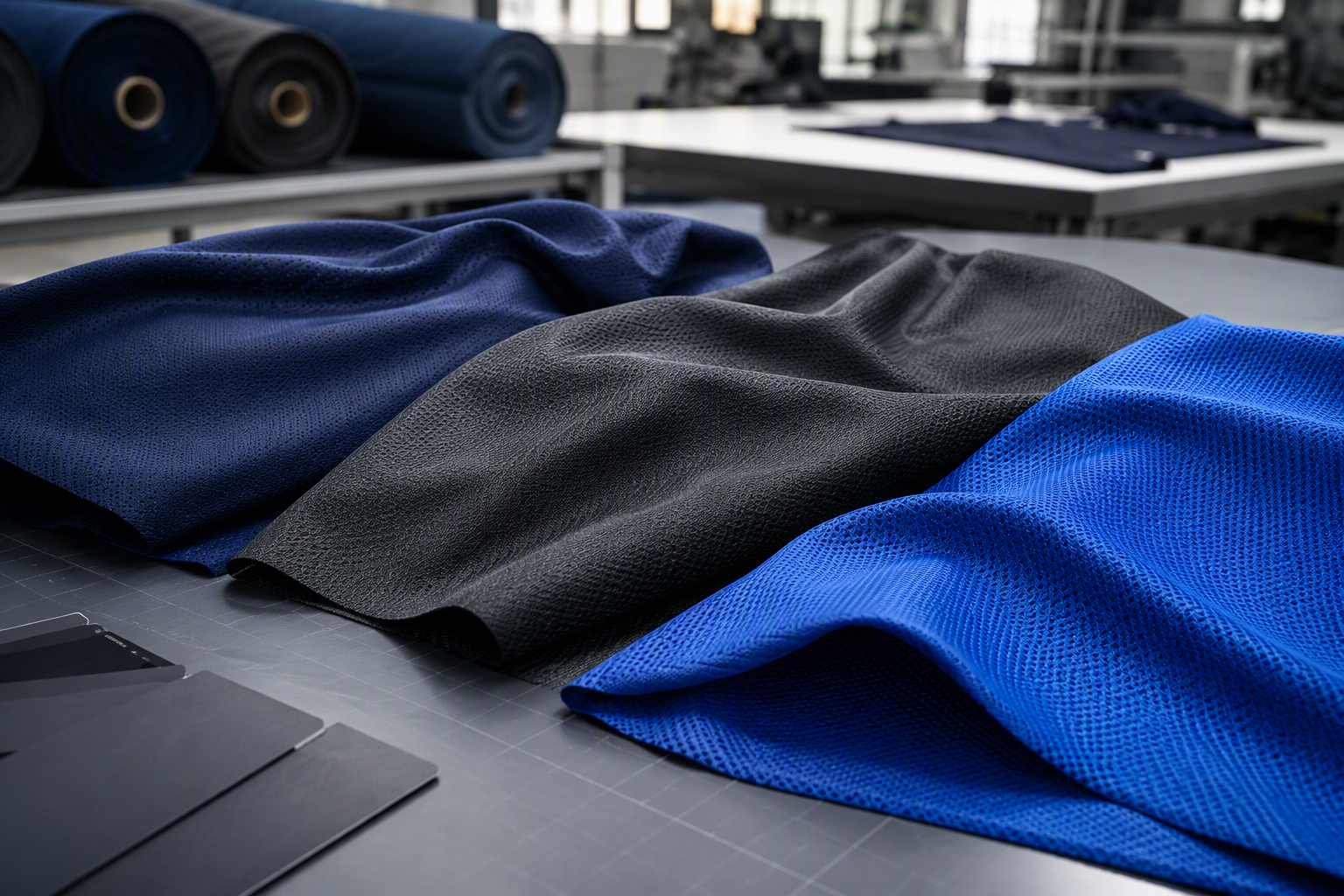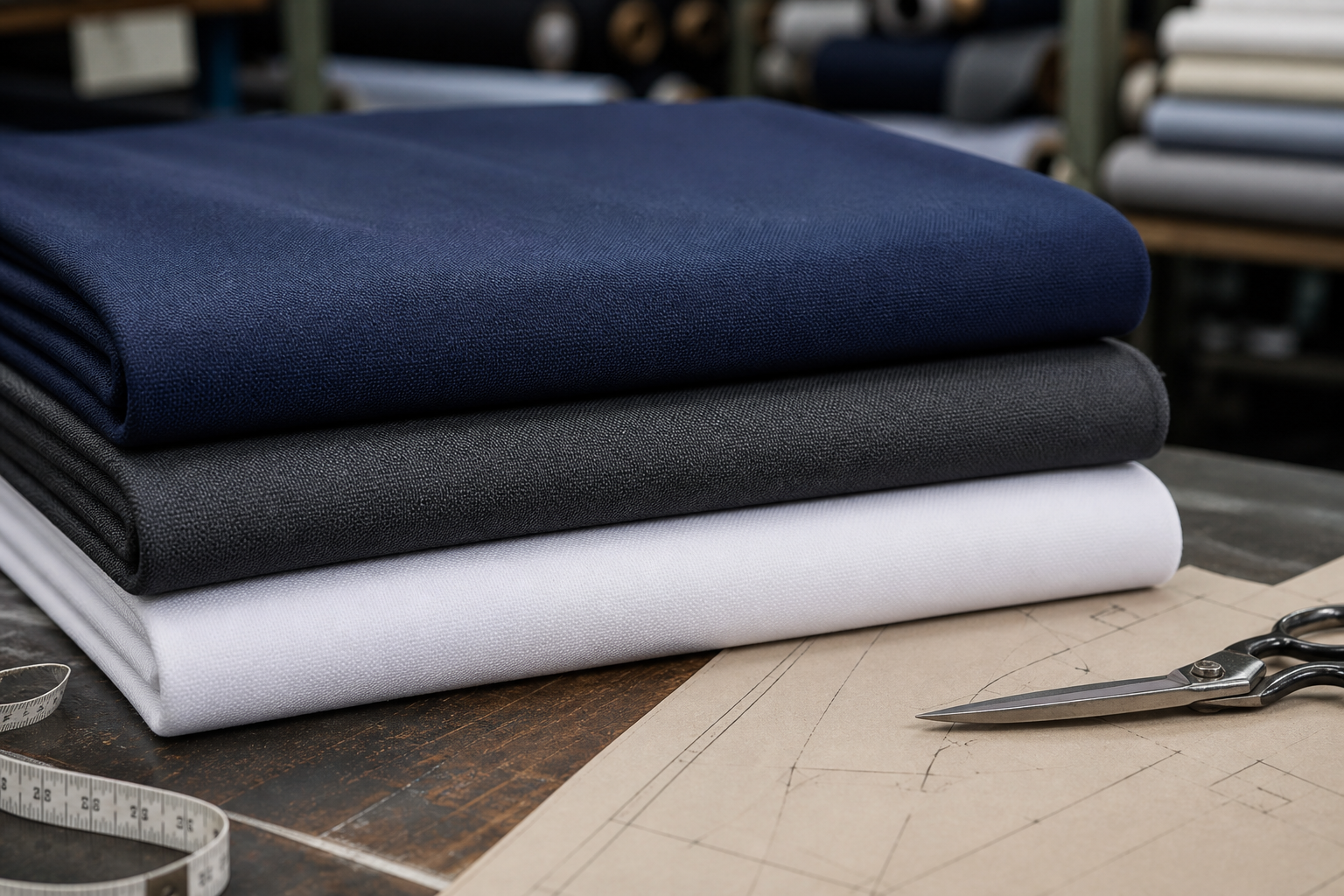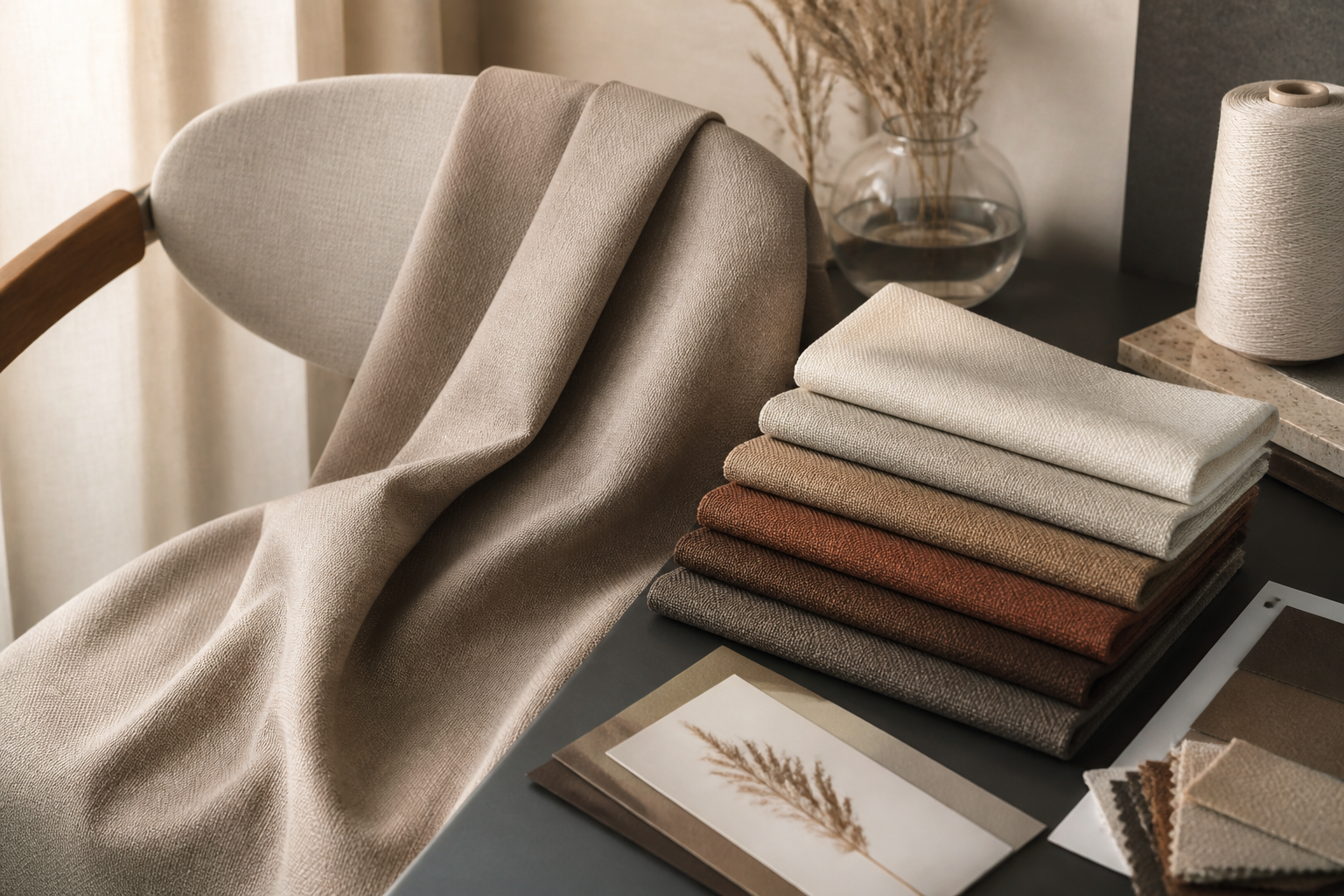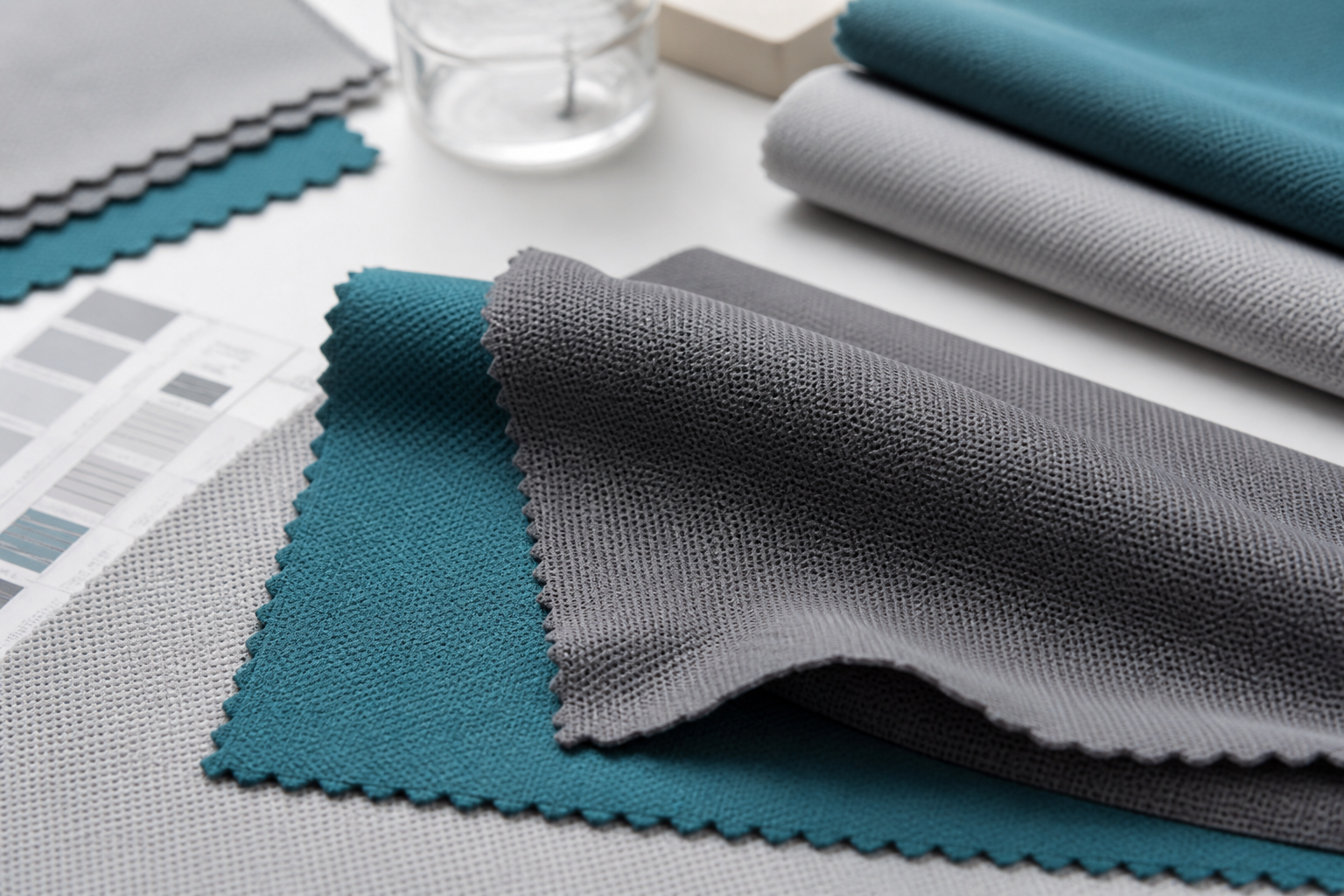
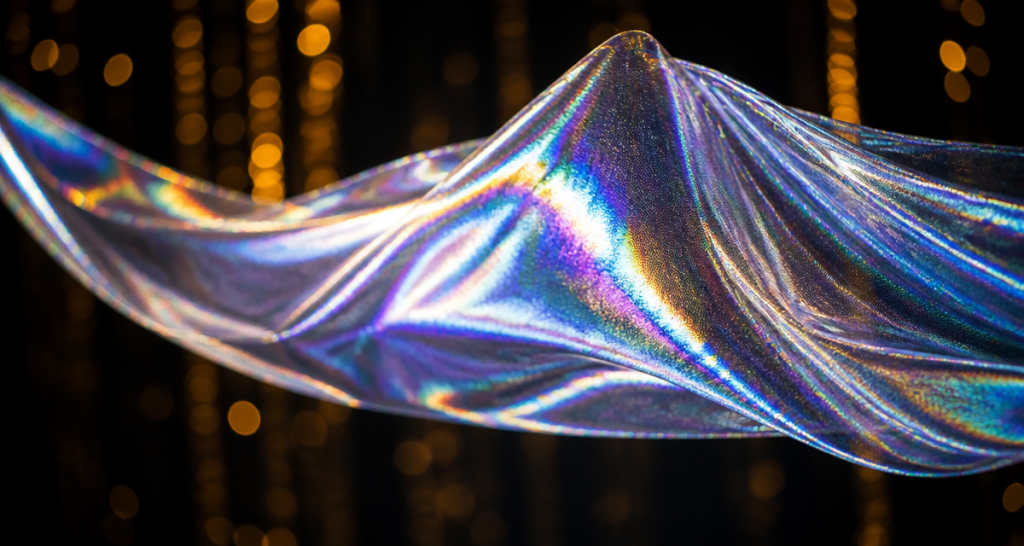
Holographic fabric is becoming an effective material for collections that need movement, light response, and a strong visual identity. Depending on the base construction and finish, a holographic surface can reflect lavender, blue, pink, yellow, or silver tones as the viewing angle changes. For stagewear labels, event suppliers, fashion brands, costume teams, and display designers, this creates a high-impact option for garments, panels, accessories, photo backdrops, and branded interiors.
Define the End Use Before Choosing the Finish
The right holographic fabric depends on how the finished product will be used. A dance costume may need flexibility and a soft base, while a stage backdrop may prioritize width, surface impact, and easy installation. Fashion garments require careful attention to drape, sewing behaviour, lining, and comfort. Event décor may need a stable construction that can be cut into panels, wrapped around structures, or reused across several projects.
Buyers should explain the lighting environment, viewing distance, product shape, and expected handling before approving a sample. A finish that looks subtle in daylight may become highly reflective under a spotlight, while a strong studio effect may appear different in an outdoor or retail environment. Requesting sample photographs in more than one lighting condition can help design and purchasing teams make a more practical decision.
Key Sourcing Points for Holographic Fabric
- Base construction: Confirm whether the fabric is woven, knitted, mesh-backed, coated, laminated, or otherwise finished. The base affects flexibility, breathability, drape, and sewing performance.
- Usable width and GSM: Record the usable cutting width and fabric weight for yield, costing, shipping, and garment structure. A decorative finish should not replace basic specification control.
- Colour and optical effect: Compare the approved swatch under daylight, studio light, and the intended application lighting. Confirm whether the effect is uniform across the roll.
- Surface durability: Discuss abrasion, creasing, folding, peeling, scratching, and cleaning requirements. Ask how the material should be rolled, packed, stored, and handled during production.
- Cutting and sewing: Test the edge, needle choice, seam allowance, backing, lining, and pattern direction. Directional shine can affect how pieces should be nested on the cutting table.
- Bulk consistency: Compare the development sample with the pre-production and bulk standards. Check shade, texture, finish, width, weight, and roll-to-roll variation.
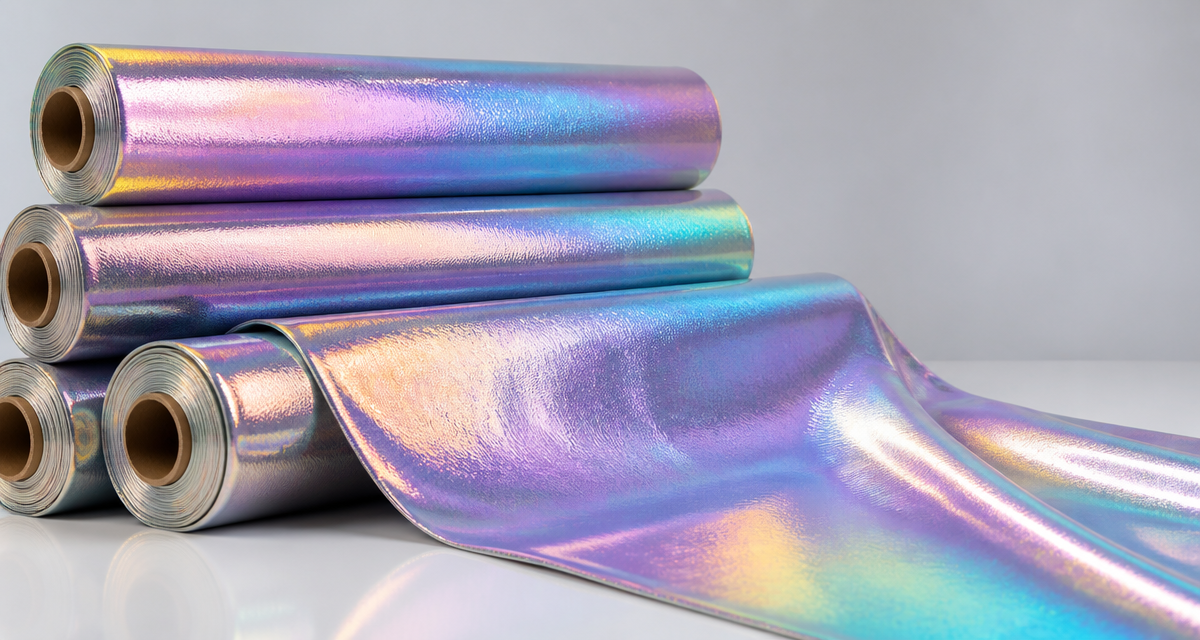
Manage Cutting Yield and Production Cost
Holographic fabrics can create additional cutting considerations because colour movement and surface direction may need to be aligned across garment panels or display sections. Before confirming bulk quantities, buyers should review marker planning, usable width, selvedge condition, pattern direction, and expected cutting loss. For shaped panels, costumes, or garments with matching sections, a wider fabric is not automatically more efficient if the optical direction restricts the layout.
Request a realistic cutting or product sample before final approval. This can reveal whether the fabric creases at the seam, reflects differently after pressing, or requires a lining and stabilizer. These details are easier and less expensive to address during development than after a bulk order has been cut.
Build a Clear Approval File
Keep the approved swatch, colour reference, GSM, usable width, finish description, care guidance, test notes, quotation, and packing requirements in one file. Record the fabric style, batch reference, roll details, and any accepted variation. If the project is seasonal or includes multiple colourways, use the same approval process for every option so that the factory and buyer share one production standard.
Yunfan Textile supports global B2B buyers with sequin, holographic, embroidered, mesh, velvet, printed, home textile, and decorative fabric development. Our team can discuss custom colours, sample approval, surface effects, fabric specifications, production checkpoints, and repeat-order quality control for fashion, stage, event, hospitality, and interior projects.
Source Directly from Our Alibaba Store
Browse factory-direct holographic and decorative fabric options and request samples for your next collection.
Request Holographic Fabric Samples
To discuss holographic fabric sourcing, use our website consultation page. Include the end use, preferred base fabric, desired optical effect, estimated quantity, target width, and delivery market so our team can recommend a suitable development route.
Yunfan Textile B2B Contact
Website: https://www.yunfantextile.com/
B2B Contact: Wendy Jessie
WhatsApp/WeChat: +86 156 3752 5803
WhatsApp/WeChat: +86 175 1619 6727
Email: morris@yunfantextile.com
Email: morris@yunfantextile.com
Successful holographic fabric sourcing combines visual testing with practical production planning. When buyers confirm the finish, base construction, width, weight, cutting direction, durability, and bulk approval process early, they can reduce surprises and build a more reliable textile program for future collections.
SEO keywords: holographic fabric wholesale, holographic fabric supplier, stage fabric manufacturer, event décor textile sourcing, iridescent fabric for fashion.