Ultrasonic sequin welding joins sequins and fabric with heat and vibration instead of thread. Compared with stitching, it removes needle holes and thread wear, but it also changes hand feel and repair options. This guide explains how ultrasonic sequin welding works, where it beats stitching, and how to specify it for a 200-yard order. First, understand the bonding principle. Then compare it with stitching on key factors. Finally, test on your exact base. As a result, you pick the method that fits the end use.
What Is Ultrasonic Sequin Welding?
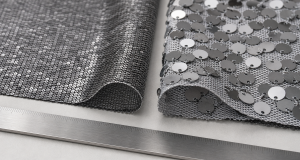
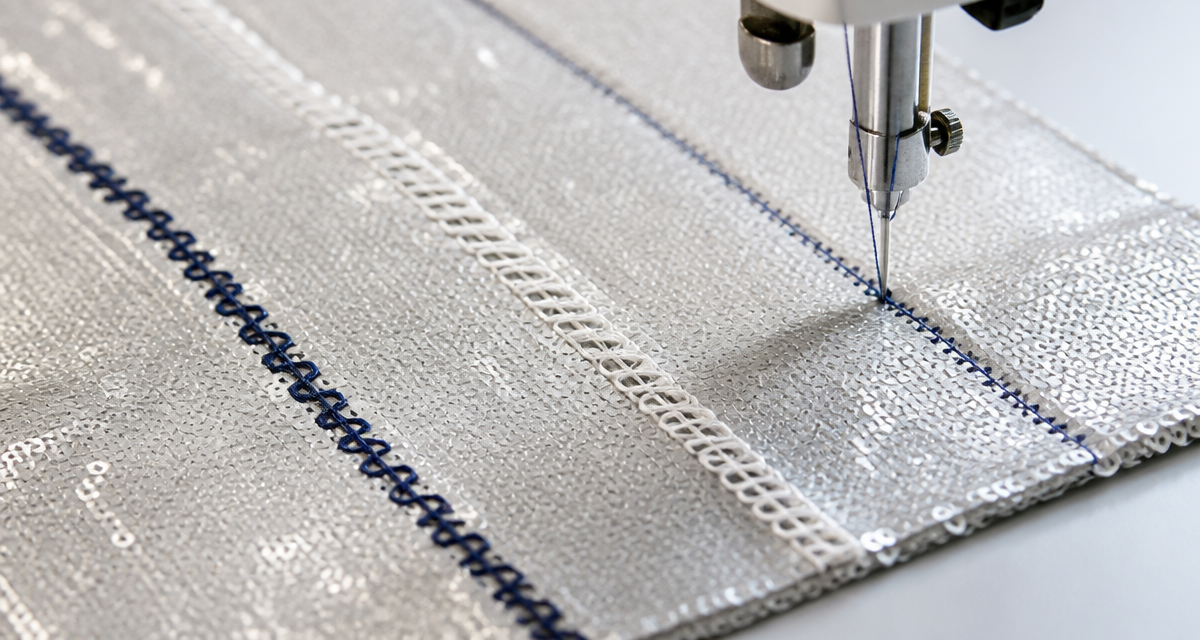
Ultrasonic sequin welding uses high-frequency vibration to melt and fuse thermoplastic materials at a point of contact. A sonotrode presses the sequin and the base together, and the vibration generates local heat. The plastic softens, bonds, and locks in place as it cools.
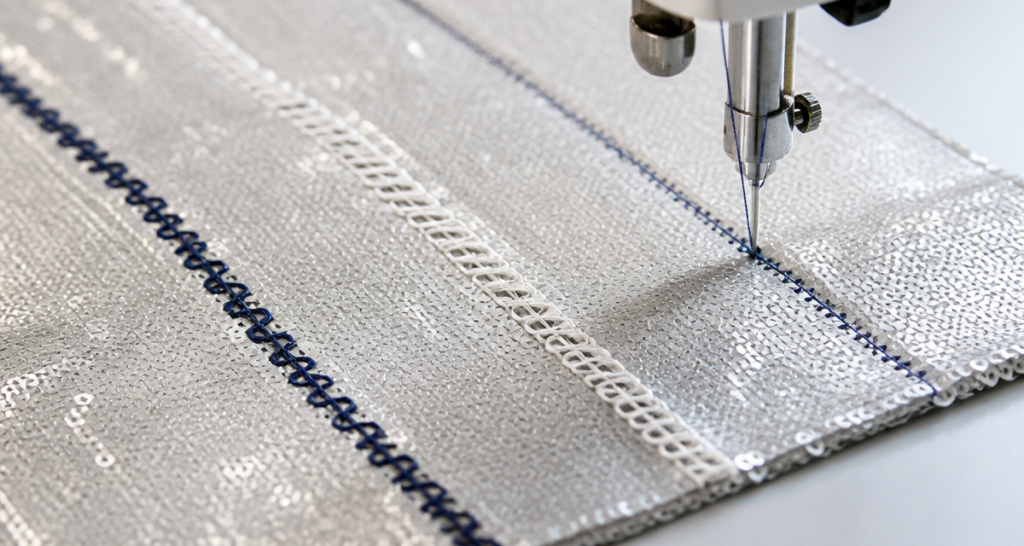
Because no needle passes through the cloth, there are no stitch holes and no thread to break. By contrast, sewing relies on thread tension and a needle, so it can snag discs and wear over time.
Key Takeaways
Keep these points when you choose a method.
- Welding uses heat and vibration, not thread.
- It suits thermoplastic discs and bases.
- Stitching allows repair and flexible drape.
- Welding gives a smooth, hole-free surface.
- Always test both on your real fabric.
How Does the Welding Process Work?
The process is controlled and repeatable. Follow these steps.
- Confirm the discs and base are thermoplastic.
- Set the energy, pressure, and hold time.
- Place the sequin on the base at the target point.
- Press the sonotrode and trigger the vibration.
- Hold until the bond forms, then release.
- Cool the joint fully before handling.
- Pull-test the bond on a sample.
- Lock the settings for the order.
Consequently, the bond is consistent across the roll. For related craft, see our notes on sequin lamination and bonding.
Welding vs Stitching Comparison
| Factor | Ultrasonic welding | Stitching |
|---|---|---|
| Joining force | Heat and vibration | Thread tension |
| Needle holes | None | Present |
| Repair | Hard | Easy |
| Drape | Localized stiffness | Flexible |
| Best for | Clean, sealed surfaces | Flexible, repairable goods |
However, welding is not always better. For example, soft eveningwear that needs repair may favor stitching, while sealed panels favor welding.
Buyer Checklist and Order Fields
| Field | What to confirm |
|---|---|
| Material type | Thermoplastic discs and base |
| Energy setting | Power and time |
| Bond strength | Pull-test result |
| Hand feel | Stiffness check |
| Method | Welded or stitched |
| Order size | 200 yards minimum |
In addition, request matched samples made both ways so you can compare. Pair it with a custom sequin fabric RFQ.
Common Welding Defects and Their Fixes
Welding faults are usually setting problems, and each one has a fix.
| Defect | Symptom | Fix |
|---|---|---|
| Weak bond | Disc lifts off | Raise energy or hold time |
| Burn mark | Discolored disc | Lower energy |
| Crushed disc | Flattened shape | Reduce pressure |
| Stiff panel | Boardy hand | Space the welds |
For example, a weak bond means the material did not reach its melt point. Therefore, more energy or a longer hold fixes it. In contrast, too much energy burns or crushes the disc, so settings must stay in a narrow band. That band is why testing matters.
How to Specify Ultrasonic Welding in Your RFQ
Give the shop the details that control the bond.
- Confirm the discs and base are thermoplastic.
- State the bond strength you need.
- Name the hand feel target.
- Set the weld spacing for drape.
- Require a pull-test on the sample.
- Confirm the order quantity, starting at 200 yards.
As a result, the first sample matches your end use.
Quality Control Checks Before Shipment
Confirm the bond and the look.
- Pull-test a set number of welds.
- Inspect for burnt or crushed discs.
- Check the hand for stiffness.
- Confirm weld positions match the design.
- Compare against the approved sample.
Moreover, test at the head and tail of the roll, because machine heat can drift over a long run.
Cost and Lead-Time Factors
Welding removes thread cost and needle wear, yet tooling for the sonotrode adds setup. Therefore, welding suits repeating patterns and sealed panels. For small or flexible runs, stitching can cost less. Volume helps either way, because setup spreads across more yards. A 200-yard order can justify welding when the design repeats and the surface must stay hole-free.
Working With Your Supplier
Ask for samples made both ways so you can compare hand and strength. A supplier who tests both methods helps you choose with data. You can pair this with your sequin heat sensitivity checks. Finally, revisit the method when the design changes, because a new base can shift the weld window.
How Welding Affects the Finished Product
The joining method shapes how a product wears. Welding locks discs without holes, so the surface stays smooth and seals against shedding. In addition, a welded panel resists snagging from threads. However, welds add small stiff points, so spacing controls drape. Therefore, buyers match weld density to the end use, keeping soft eveningwear flexible and hard panels firm.
Sample Approval Workflow for Welding
Test the bond, then approve the look.
- Request samples made by welding and stitching.
- Pull-test a set number of welds.
- Check for burnt or crushed discs.
- Feel the hand for stiffness.
- Archive the approved method and settings.
Moreover, confirm the material is thermoplastic, or welding will not hold.
Key Terms for Welding
Sonotrode
A sonotrode is the tool that presses the parts and delivers the vibration during welding.
Thermoplastic
Thermoplastic materials soften with heat and harden when cool. They can be welded.
Hold time
Hold time is how long pressure stays applied after vibration. It decides bond strength.
Storage and Handling for Welded Sequin Fabric
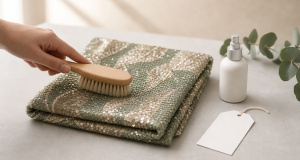
Welded panels need gentle handling too.
- Roll with tissue to protect the bond points.
- Keep flat and dry, away from heat.
- Avoid sharp creases at the welds.
- Label each roll with the weld pattern.
- Store away from direct sun.
Therefore, good storage keeps the welds intact and the surface smooth. In addition, a labeled roll helps the sewing floor match method to order.
Overlooked Details That Decide Bond Quality
Small checks protect the bond. First, confirm the material is thermoplastic before welding. Next, keep the energy steady, because drift weakens bonds. Then cool each joint fully before handling. Finally, pull-test samples from the start and end of the roll, since machine heat shifts over a long run.
Additional Buyer Considerations for Welding
Welding interacts with the design. A dense weld pattern firms the fabric, so space welds for soft drape. In addition, a glossy disc melts faster than a matte one, so settings shift by finish. Meanwhile, a thin base needs lower energy, or the weld marks show through. Finally, note the base thickness, because it changes both hold time and bond strength.
Next Steps for Buyers
Start with matched samples made by welding and by stitching. Then pull-test the welds and feel the hand. After that, choose the method that fits the end use and confirm settings in writing. Once approved, apply them to the 200-yard order. That path keeps the bond strong and the surface clean.
A Note on Repeat Order Consistency
A strong bond must repeat, not just test well once. Therefore, record the energy, pressure, and hold time for each style. Then pull-test a sample from the start and end of every roll. If the bond weakens, reset the machine before the run continues. In addition, keep the base and disc lots consistent, because a new lot can shift the weld window. Finally, share the record with the production team, so the next 200-yard order bonds the same way.
Source direct on Alibaba - request bulk pricing, specifications, and production details in one place.
FAQ
Can ultrasonic welding work on all sequins?
No. It needs thermoplastic materials. Metal or glass beads and natural-fiber bases will not bond this way.
Is welding stronger than stitching?
It depends on the load. Welding resists slipping well, yet stitching suits parts that flex and need repair.
Does welding change the fabric hand?
Yes. Welded points are stiffer, so dense welding can firm up a soft fabric.
Which method sheds less?
Welding removes needle holes, so it can reduce shedding. See our shedding prevention guide for more.
Conclusion
Ultrasonic sequin welding and stitching each solve a different problem. Match the method to the end use, test on your base, and set the bond strength. Do that, and your order performs as promised.
Request Sequin Fabric Samples
Send your artwork, target colorway, and order size. We reply with a clear plan, then ship samples so you can approve before bulk production. Our minimum order is 200 yards.
- Contact: Morris
- Email: morris@yunfantextile.com
- WhatsApp: +86 156 3752 5803
- WhatsApp: +86 175 1619 6727
- MOQ: 200 yards