Fabric steaming dimensional stability describes how much a fabric shrinks, grows, or twists when it meets steam and heat. For decorative fabric, unstable panels distort after pressing, which ruins pattern matching and seam alignment. This guide explains the steaming test, the tolerances to expect, and the checks that protect a 200-yard order. First, understand why steaming changes fabric. Then measure the change. Finally, set a tolerance before production. As a result, you get square panels that hold their shape.
What Is Fabric Steaming Dimensional Stability?
Fabric steaming dimensional stability is the ability of a fabric to keep its size and shape after steam, heat, and moisture. Relaxed yarns can shrink, while tensioned yarns can extend. Weaving and finishing lock stress into the cloth. When steam releases that stress, the fabric moves.
Natural fibers and blends tend to move more than stable synthetics. Therefore, buyers should test the exact base and finish they plan to use.
Key Takeaways
Keep these points in view before you cut.
- Steam releases stress locked in the yarns.
- Shrinkage and growth both count as instability.
- Test the finished fabric, not the greige.
- Sampling first prevents pattern misalignment.
- Set a tolerance and check every roll.
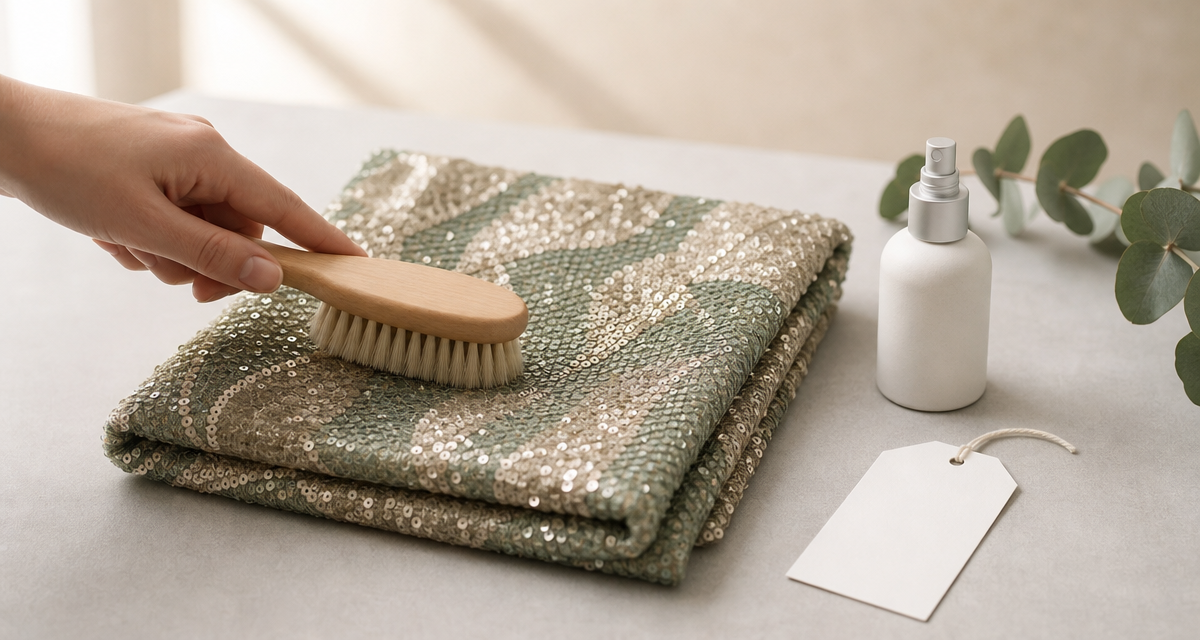
How Do You Test Steam Stability?
The test is fast and practical. Follow these steps.
- Cut a square sample and mark warp and weft directions.
- Measure the exact length and width.
- Steam the sample with steady, even passes.
- Let it cool and rest fully dry.
- Measure again at the same points.
- Calculate the percent change in each direction.
- Repeat on a second roll for consistency.
- Compare the result to your tolerance.
Consequently, you know how much the fabric will move. That number guides your cutting allowance.
Common Causes of Instability
| Cause | Effect | Fix |
|---|---|---|
| Loom tension | Warp shrinkage | Proper relaxation |
| Fast finishing | Uneven movement | Controlled drying |
| Fiber blend | Mixed response | Test each blend |
| Poor storage | Edge distortion | Flat, dry storage |
However, one cause often hides another. For example, fast drying can lock in loom stress. Therefore, fix the process, not just the symptom.
Buyer Checklist and Order Fields
| Field | What to confirm |
|---|---|
| Warp change | Percent shrink or growth |
| Weft change | Percent shrink or growth |
| Tolerance | Maximum allowed change |
| Test method | Steam or heat test |
| Base cloth | Fiber and finish |
| Order size | 200 yards minimum |
In addition, ask for a rolled sample so you can steam it yourself. Pair the data with a decorative fabric shrinkage protocol.
Common Stability Defects and Their Fixes
Instability appears in a few clear ways, and each one can be managed.
| Defect | Symptom | Fix |
|---|---|---|
| Panel shrink | Panels too small | Relax before cutting |
| Edge wave | Wavy selvage | Even tension, flat storage |
| Pattern shift | Motifs out of line | Pre-steam the roll |
| Uneven growth | Mixed direction change | Controlled finishing |
For example, edge wave often follows uneven tension in finishing. Therefore, even roller pressure and flat storage reduce it. In addition, a light pre-steam relaxes the fabric before cutting, which lowers pattern shift.
How to Specify Stability in Your RFQ
Set the tolerance so the works can meet it.
- State the base fiber and finish.
- Provide the maximum warp change.
- Provide the maximum weft change.
- Name the test method.
- Ask for a pre-shrunk or relaxed finish.
- Confirm the order quantity, starting at 200 yards.
As a result, the fabric arrives ready for precise cutting.
Quality Control Checks Before Shipment
Confirm the result on the finished goods.
- Steam a sample and measure the change.
- Check both warp and weft directions.
- Inspect selvages for wave or curl.
- Compare against the approved sample.
- Store the roll flat and dry.
Moreover, test the head, middle, and tail of the roll, because stress can vary along the length.
Cost and Lead-Time Factors
Relaxation and controlled drying add a little time in finishing. Yet stable fabric cuts faster with less waste. Therefore, the small extra cost returns as higher yield. In addition, fewer pattern mismatches mean fewer remakes. Volume helps, because a stable process repeats across a 200-yard order. Plan relaxation into the schedule rather than rushing the roll to cutting.
Working With Your Supplier
Ask how the fabric was relaxed before finishing. A supplier who controls drying gives you stable panels. You can pair this with your fold mark control. Finally, retest when the fiber blend changes, because natural and blended yarns respond differently to steam.
How Steam Stability Affects the Finished Product
Stability decides whether panels line up after pressing. An unstable fabric shifts motifs and seams, so garments twist and decor panels sag. In addition, growth at the edges distorts the shape. Therefore, buyers who test stability cut with confidence. Meanwhile, a relaxed fabric presses flat and keeps its pattern alignment from the sample to the last roll.
Sample Approval Workflow for Steam Stability
Test, measure, and set a tolerance.
- Steam a marked sample square.
- Measure warp and weft change.
- Compare against the tolerance.
- Check selvages for curl or wave.
- Archive the sample with the result.
Moreover, note the fiber blend, because natural and blended yarns move more.
Key Terms for Steam Stability
Relaxation
Relaxation is the release of stress locked in the yarns. Steam and heat trigger it.
Warp and weft change
These are the percent shrink or growth in each direction after steaming.
Tolerance
Tolerance is the maximum change you accept. It guides cutting allowances and quality checks.
Storage and Handling for Stable Fabric
Storage protects the shape you measured.
- Store rolls flat and dry, off the floor.
- Support rolls on cores to avoid edge stress.
- Keep clear of steam, heat, and sun.
- Label each roll with the shrinkage result.
- Relax rolls before cutting after long storage.
Therefore, careful storage keeps the fabric square until it reaches the cutting table. In addition, a labeled roll tells the cutter how much allowance to add.
Overlooked Details That Decide Stability
Small steps protect stability. First, relax the roll before cutting, because stress releases over time. Next, test the finished fabric, since the greige behaves differently. Then check the whole roll, because stress varies along the length. Finally, keep the steam sample with the result, so later orders match the same reference.
Additional Buyer Considerations for Steam Stability
Stability interacts with several factors. A blended fiber moves in two ways, because each fiber responds differently, so blends need extra care. In addition, a firm finish limits movement but can stiffen the hand, so balance feel against stability. Meanwhile, storage climate matters, because damp air can relax or distort a roll. Finally, note the relaxation method, since it drives the final result.
Next Steps for Buyers
Start with a marked sample from the finished fabric. Then steam it and measure both directions. After that, set a tolerance and share it with the mill before the 200-yard run. Once the roll passes, keep it flat and dry. That routine keeps every panel square from sample to shipment.
A Note on Repeat Order Consistency
Stability must repeat, not just pass once. Therefore, keep the relaxation method and the finishing settings in one record. Then retest a small sample from each new lot. If the result drifts, adjust the cutting allowance before the panels are cut. In addition, store every roll the same way, because uneven storage can undo a good finish. Finally, share the record with the mill, so the next 200-yard run starts from the same baseline and the fabric stays square.
Source direct on Alibaba - request bulk pricing, specifications, and production details in one place.
FAQ
Does steaming shrink or stretch fabric?
It can do both. Relaxed yarns shrink, while tensioned yarns may extend. Only a test tells you which.
Which fibers are most stable?
Synthetics usually move less, while natural fibers and blends move more under steam.
When should I test?
Test the finished fabric before cutting. The greige may behave differently after finishing.
How does this affect pattern matching?
Unstable fabric shifts motifs out of line. For related control, see our notes on grainline alignment.
Conclusion
Fabric steaming dimensional stability protects your cut panels. Test the finished base, measure both directions, and set a tolerance. Do that, and your fabric stays square from the sample to the last roll.
Request Sequin Fabric Samples
Send your artwork, target colorway, and order size. We reply with a clear plan, then ship samples so you can approve before bulk production. Our minimum order is 200 yards.
- Contact: Morris
- Email: morris@yunfantextile.com
- WhatsApp: +86 156 3752 5803
- WhatsApp: +86 175 1619 6727
- MOQ: 200 yards