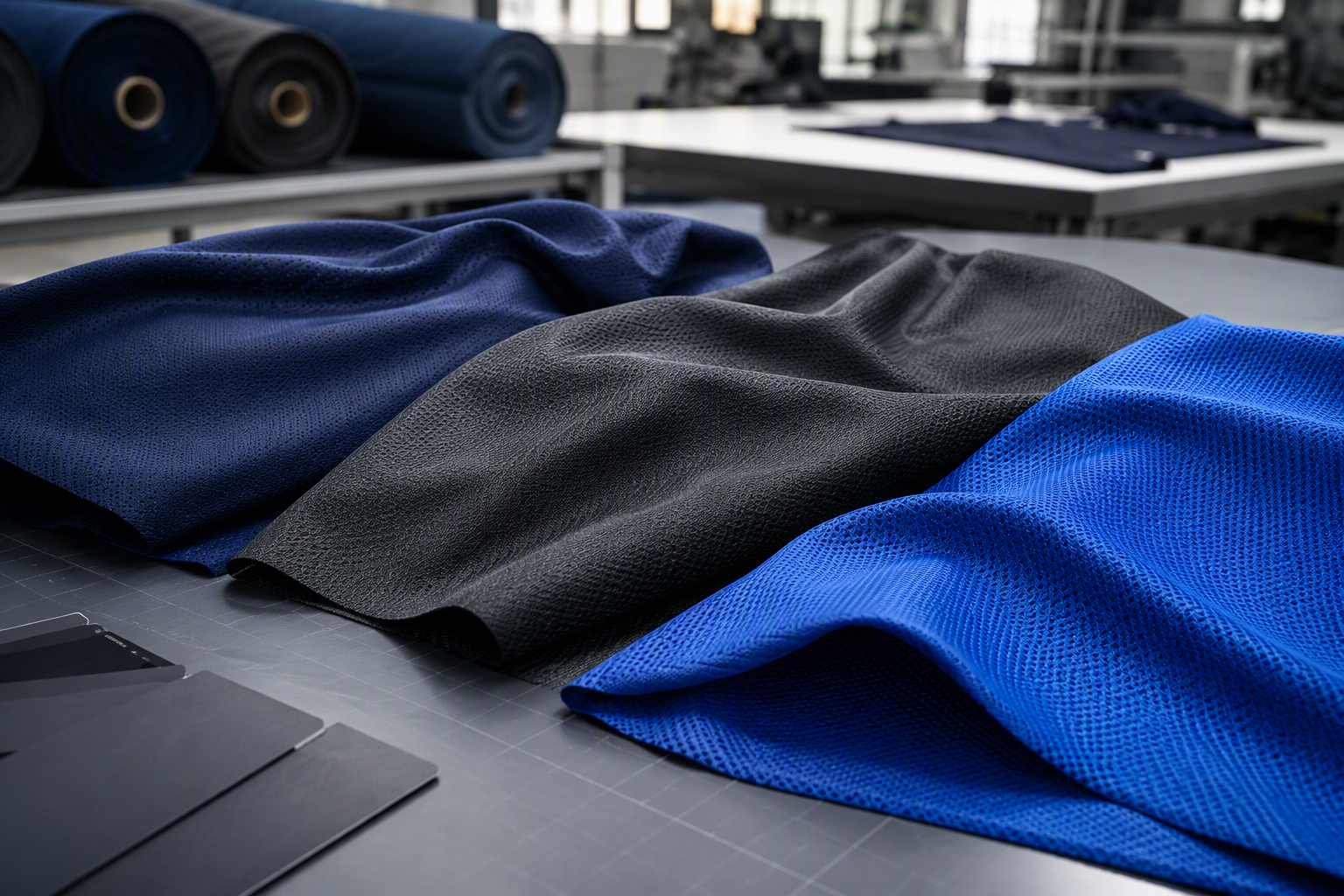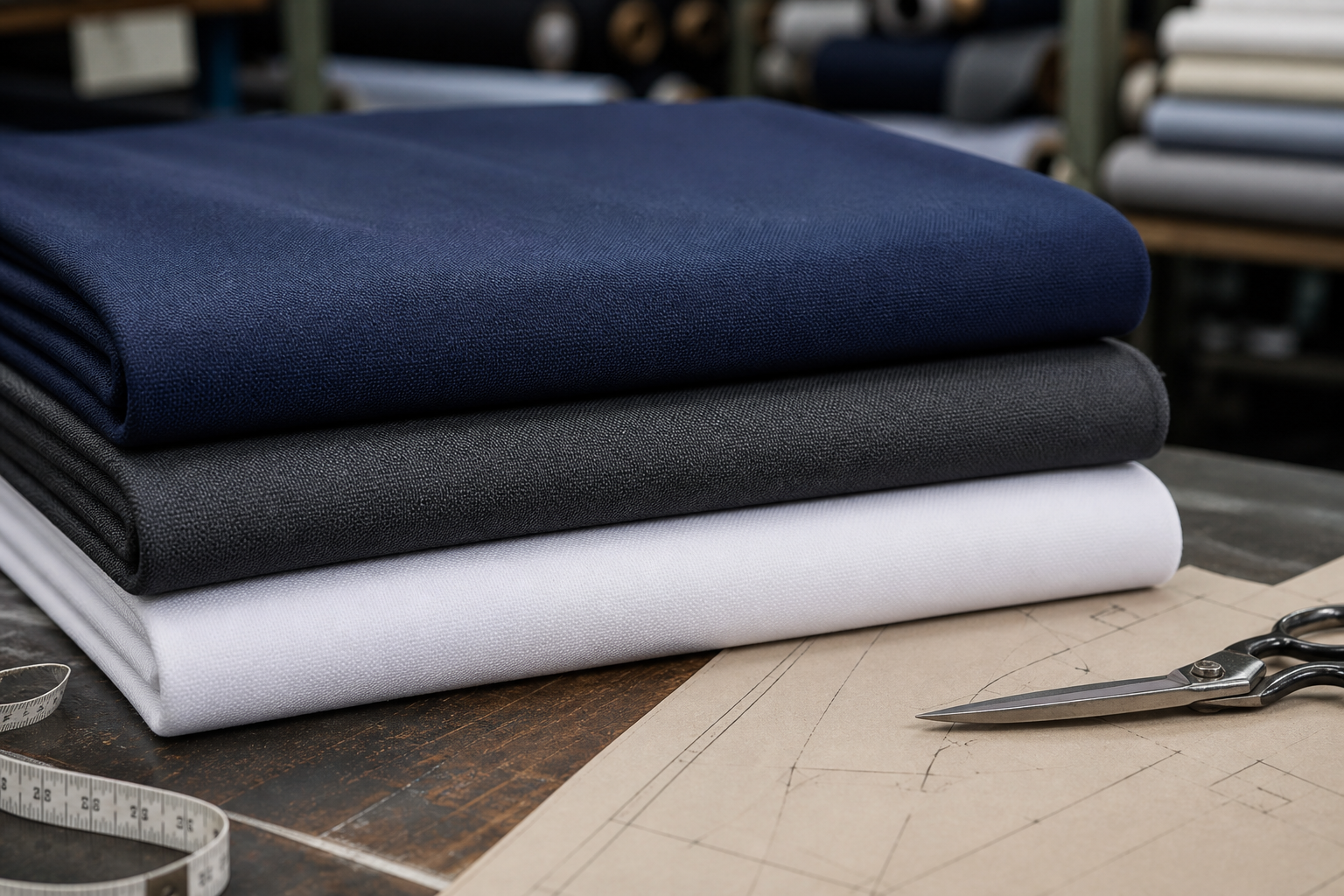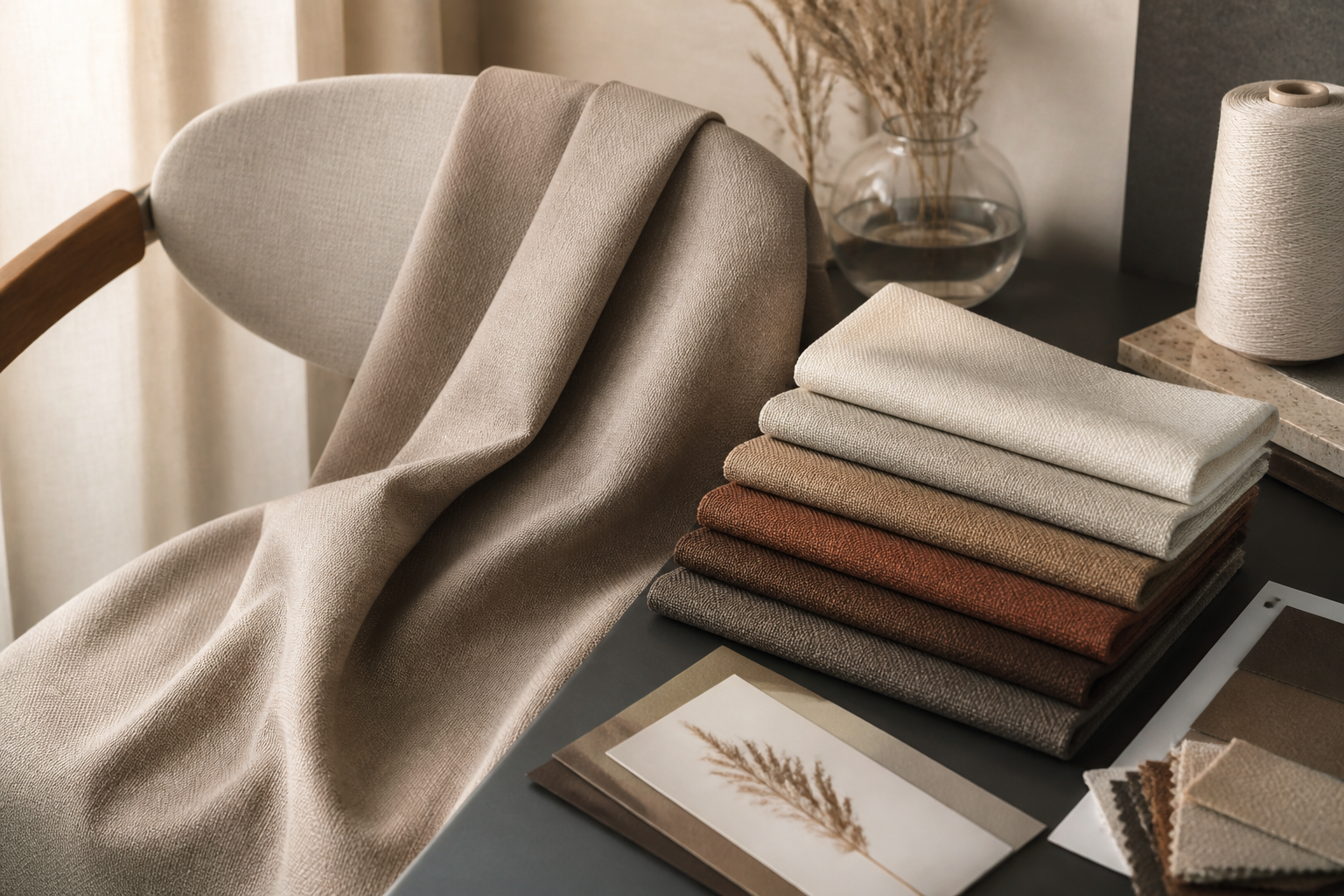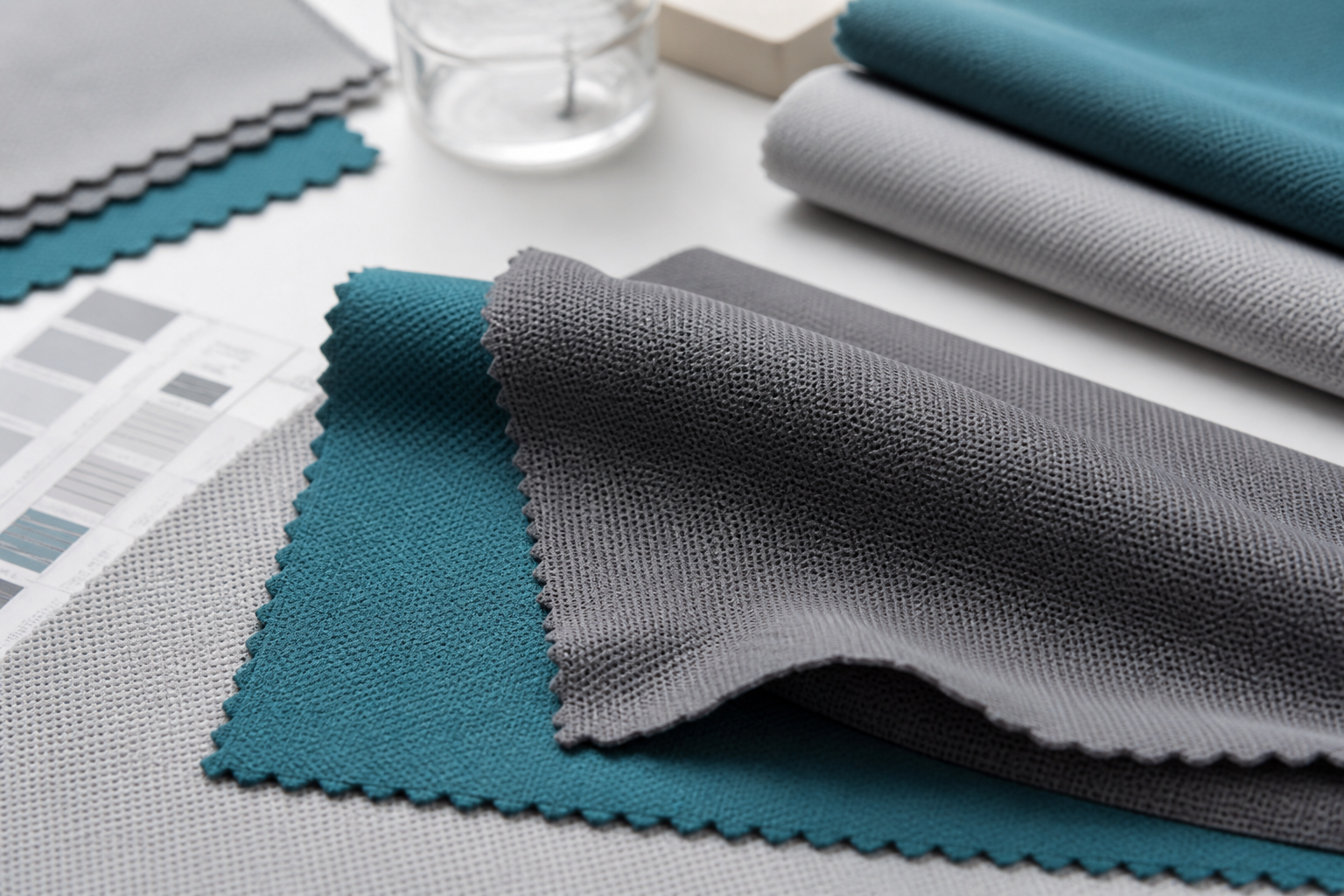
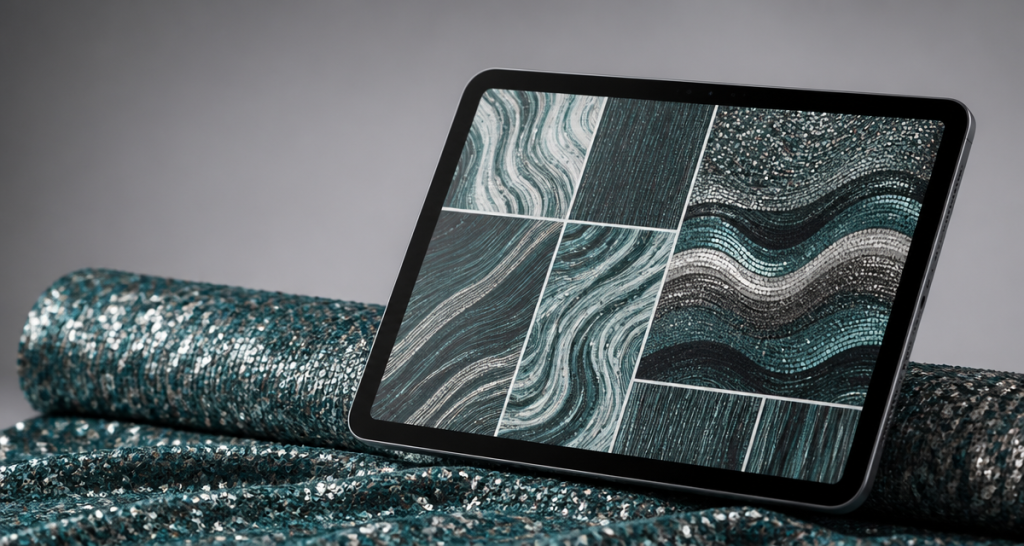
In 2026, textile sourcing is becoming more data-led. Fashion brands, bridal labels, event suppliers, interior designers, and wholesale distributors still need expressive surfaces, but they also need responsible materials, digital sampling, transparent quality control, and dependable factory communication. This is creating new demand for sustainable sequin fabric wholesale, recycled polyester mesh, smart surface effects, and AI-ready textile development.
For a B2B buyer, the right supplier is not simply the one offering the lowest meter price. A stronger sourcing decision compares composition, GSM, usable width, sequin attachment, colorfastness, sampling speed, MOQ, lead time, packaging, and repeat-order consistency. Yunfan Textile helps overseas buyers connect creative development with stable bulk production from a coordinated Keqiao factory.
1. Sustainability Must Be Measurable
Recycled PET sequins, recycled polyester mesh, and lower-impact embroidery materials are increasingly included in product briefs. Buyers want more than a sustainability statement; they need composition details, recycled-content information, certification documents where available, and reliable production data for their own internal records.
When sourcing sustainable sequin fabric wholesale, confirm the base material, GSM range, usable width, sequin size, stretch, shade consistency, and attachment strength. Lightweight 3mm sequin fabrics may suit dresses, dancewear, and accessories, while velvet-backed or dense embroidered fabrics are better suited to structured garments, hospitality interiors, event backdrops, and premium decor.
2. Digital Sampling Helps Buyers Make Faster Decisions
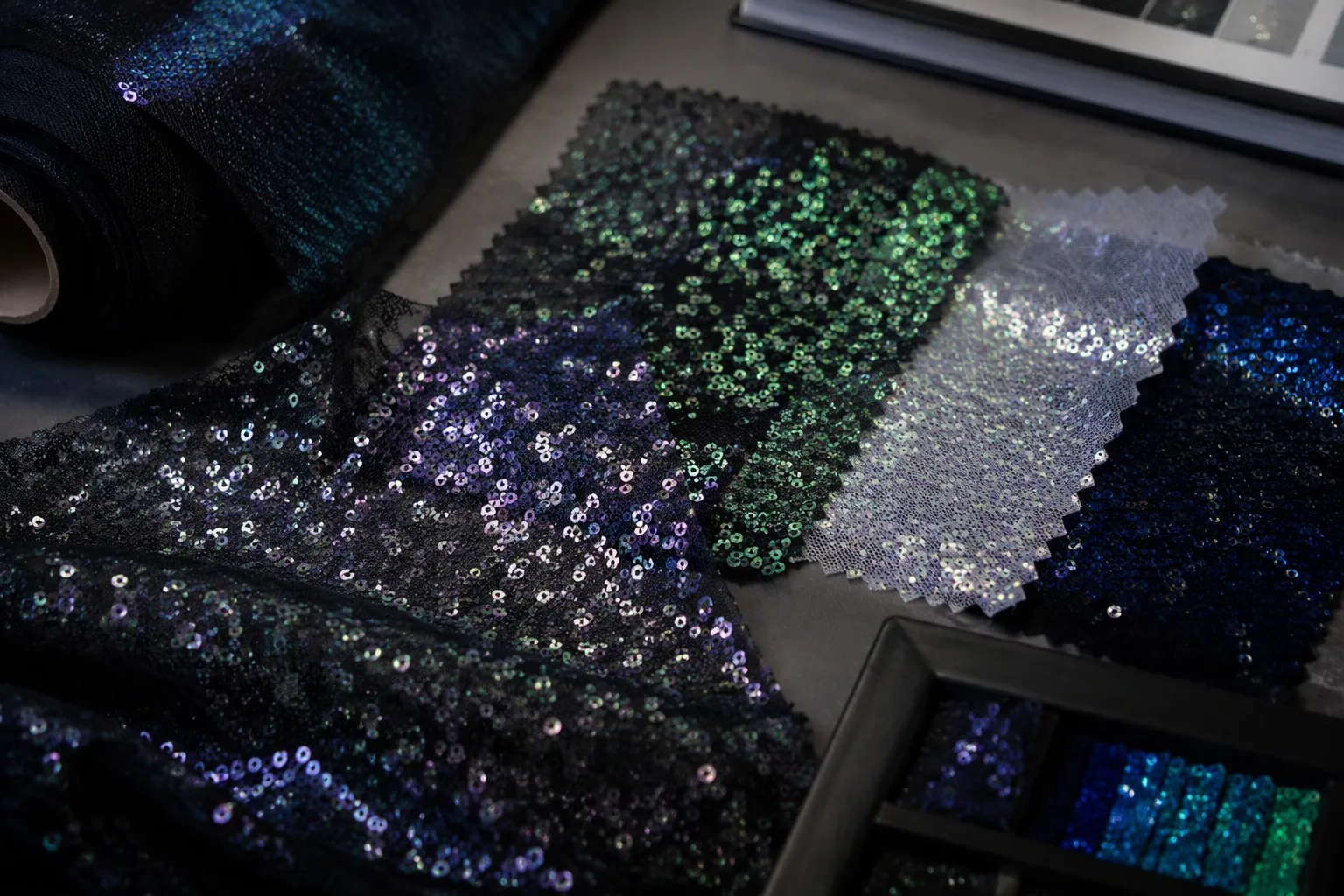
Digital sampling is now a practical part of international fabric development. High-resolution images, digital color references, and 3D-ready material information allow designers and purchasing teams to compare surface density, pattern scale, color direction, and reflective effect before requesting a physical sample.
Digital review should support, not replace, physical approval. A useful workflow is to shortlist fabrics online, compare construction and color digitally, then request a swatch book or sample header to evaluate hand-feel, drape, stretch, reflection, and sewing performance. This can reduce unnecessary courier shipments while keeping the final bulk decision based on a physical reference.
3. Factory QA Should Start Before Bulk Production
Professional buyers define quality checkpoints before the purchase order is placed. These may include pre-production approval, GSM testing, usable-width measurement, shade matching, sequin pull testing, embroidery repeat inspection, roll inspection, and export packaging review.
The approved swatch should remain the commercial reference for every bulk lot. Buyers should also ask how the factory manages color variation between machines, shifts, and repeat orders. Clear procedures for damaged rolls, short shipments, rework, and replacement production protect the cutting plan and reduce delivery risk.
4. Smart Surface Effects Are Expanding Commercial Uses
Sequin and embroidery fabrics are moving beyond eveningwear. They are used in bridal collections, performance costumes, hospitality interiors, event decor, pillow covers, retail displays, and luxury accessories. Luminous, reversible, pearlescent, and color-reactive effects are attracting attention because they create stronger visual stories for fashion launches and commercial spaces.
These effects require careful specification. Buyers should confirm light behavior, base-fabric stability, washing or handling expectations, packaging protection, and the relationship between sequin size and final GSM. A factory that can coordinate design, sampling, production, and inspection is better positioned to turn an experimental surface into a repeatable commercial product.
5. Build a Complete B2B Fabric Inquiry
A complete inquiry should include the intended application, composition, preferred GSM, usable width, color reference, estimated quantity, destination market, sample requirements, packaging needs, and target launch date. Sharing this information early helps the supplier recommend a realistic construction instead of quoting a visually similar but technically unsuitable fabric.
For more background, read our B2B fabric sourcing and sustainable sequin wholesale guide. To request technical swatches or discuss OEM/ODM development, use our website consultation form.
Contact Yunfan Textile
Wendy Jessie - B2B Contact
Website: https://www.yunfantextile.com/
WhatsApp/WeChat: +86 156 3752 5803 / +86 175 1619 6727
Source Directly from Our Alibaba Store
Get factory-direct pricing, free samples, and Alibaba Trade Assurance protection.
Contact Yunfan Textile for B2B Sourcing
🌐 Website: https://www.yunfantextile.com/
📌 B2B Contact: Jessie wendy
📱 WhatsApp/WeChat: +86 175 1619 6727 / +86 156 3752 5803
📧 Email: morris@yunfantextile.com
📧 Email: morris@yunfantextile.com