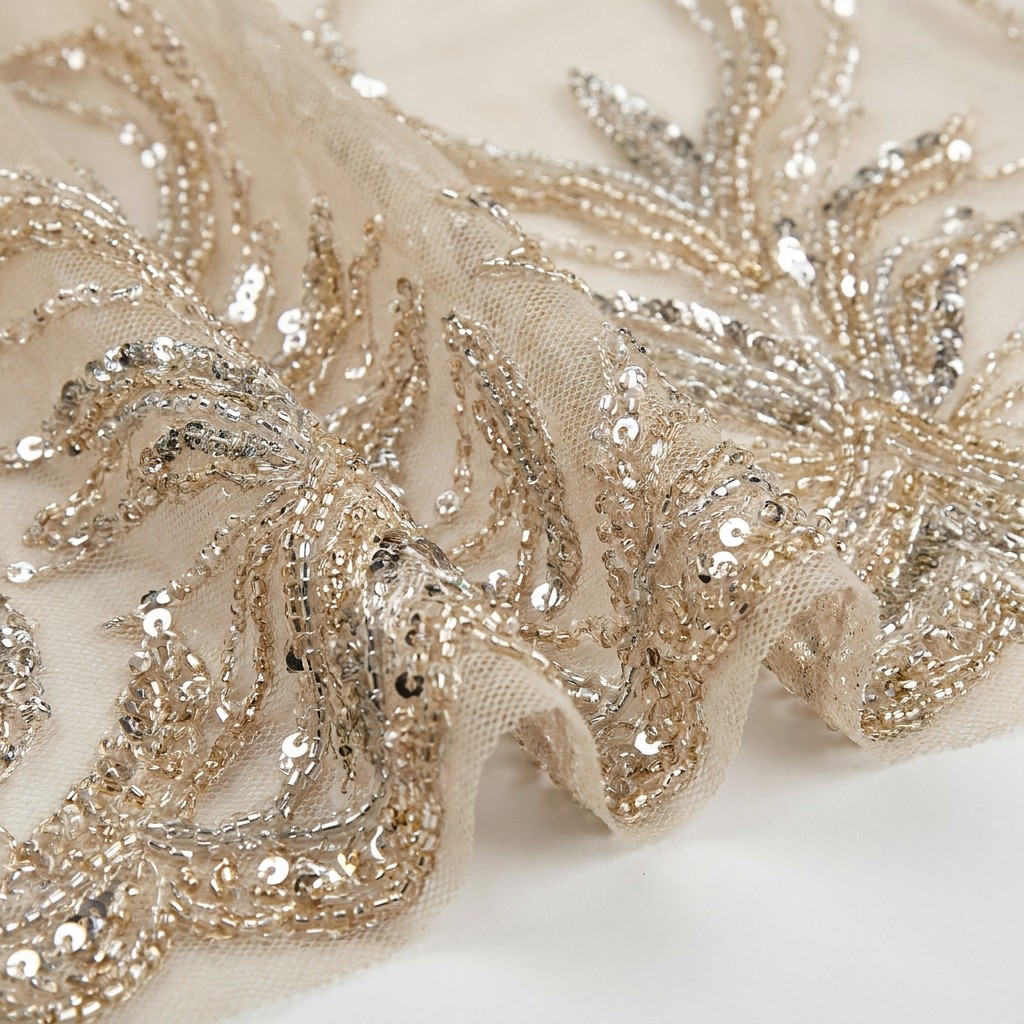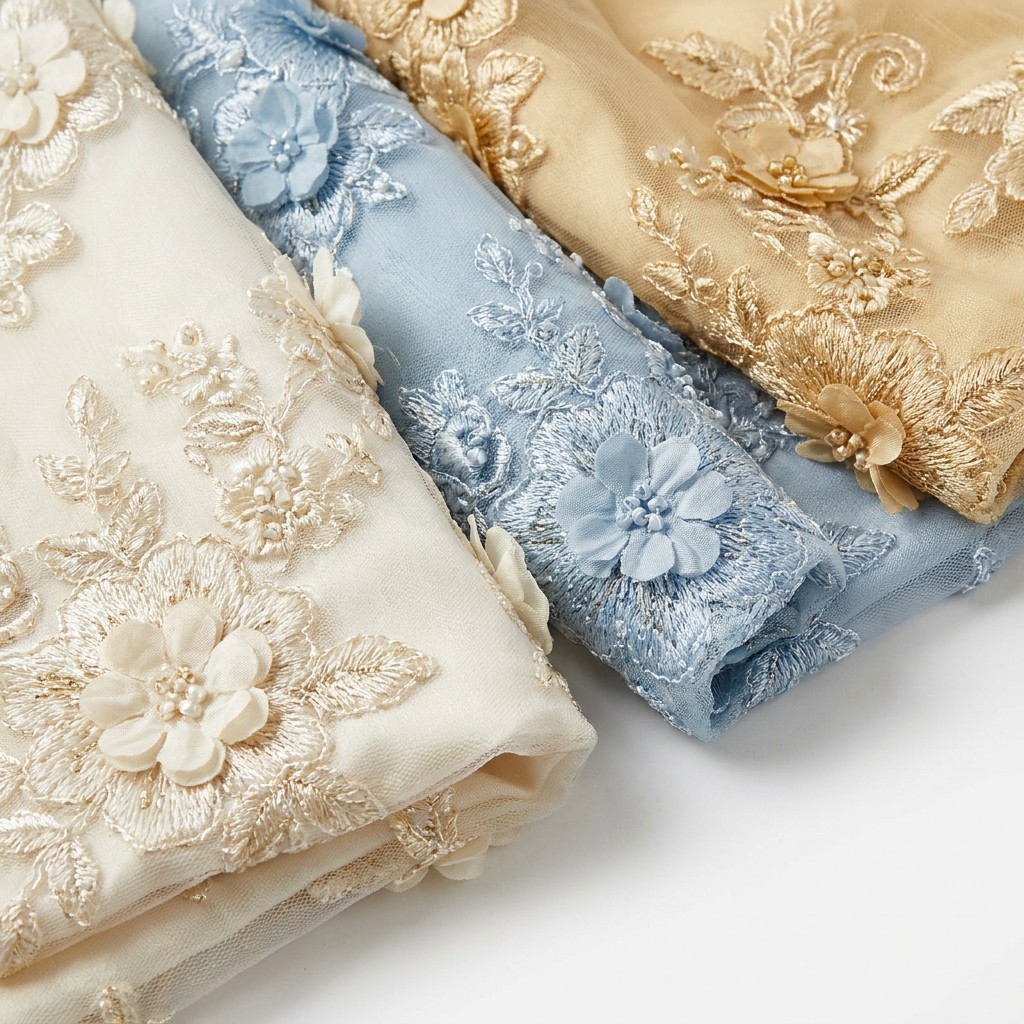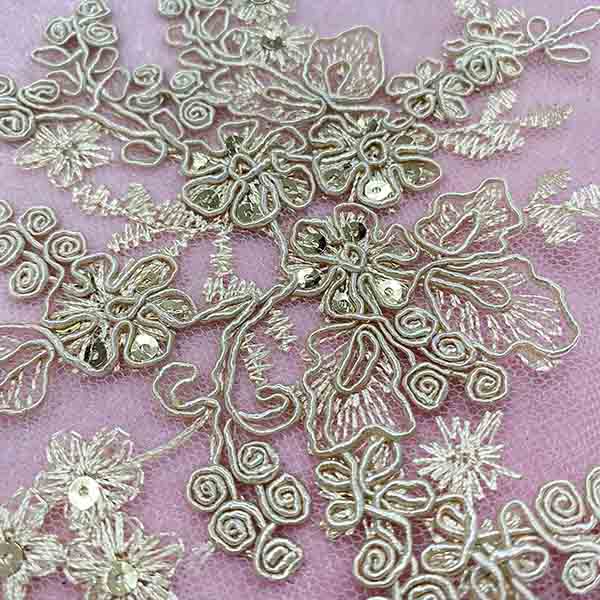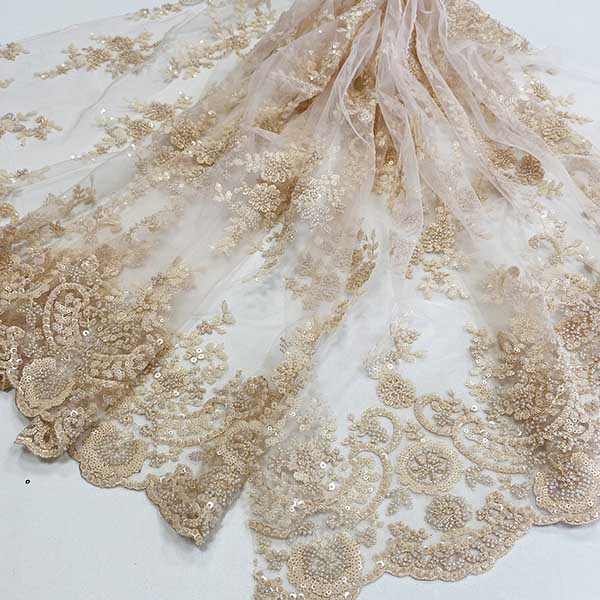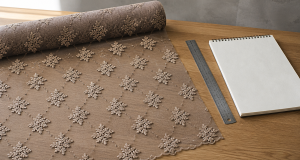
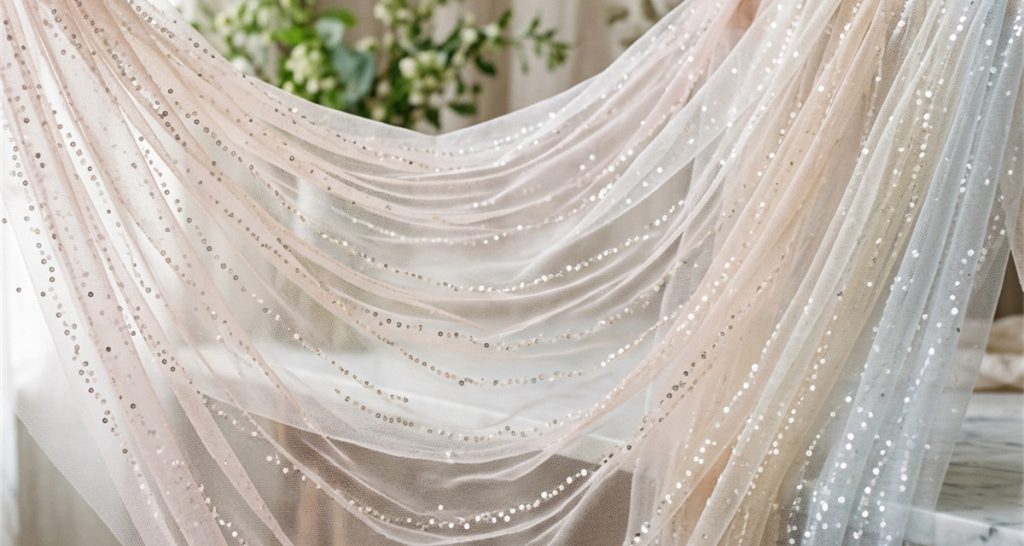
For Spring/Summer 2027 collection development, lightweight surface effects are becoming an important direction for fashion brands, costume studios, event suppliers, and home decoration buyers. Designers want the visual impact of sequins and embroidery, but they also need fabrics that remain flexible, breathable, and practical for cutting, sewing, packing, and repeat production. This is creating a clear opportunity for lightweight sequin mesh wholesale, sheer embroidered fabric sourcing, and custom textile development with a technically capable factory.
The most attractive fabric image is not enough to approve a bulk order. Professional B2B buyers need to connect appearance with measurable specifications: fiber composition, GSM, usable width, sequin size, sequin density, mesh stability, stretch recovery, color consistency, and application performance. A structured sourcing process helps a brand turn an expressive SS27 concept into a fabric that can be produced consistently.
Why Lightweight Sequin Mesh Fits SS27 Product Development
Lightweight sequin mesh gives designers a way to build movement and reflection without the heavy handle associated with dense eveningwear fabrics. It can be layered over jersey, satin, lining, or solid base cloth to create depth while keeping the garment visually light. Depending on construction, it can support party dresses, dancewear, performance costumes, accessories, retail displays, decorative panels, and selected home textile applications.
When comparing sequin mesh fabric suppliers, buyers should ask how the base mesh is selected and stabilized. A soft mesh may improve drape but require more careful cutting. A firmer mesh may support structured panels but change the hand-feel. The right choice depends on the end use, sewing method, expected order quantity, and required delivery schedule.
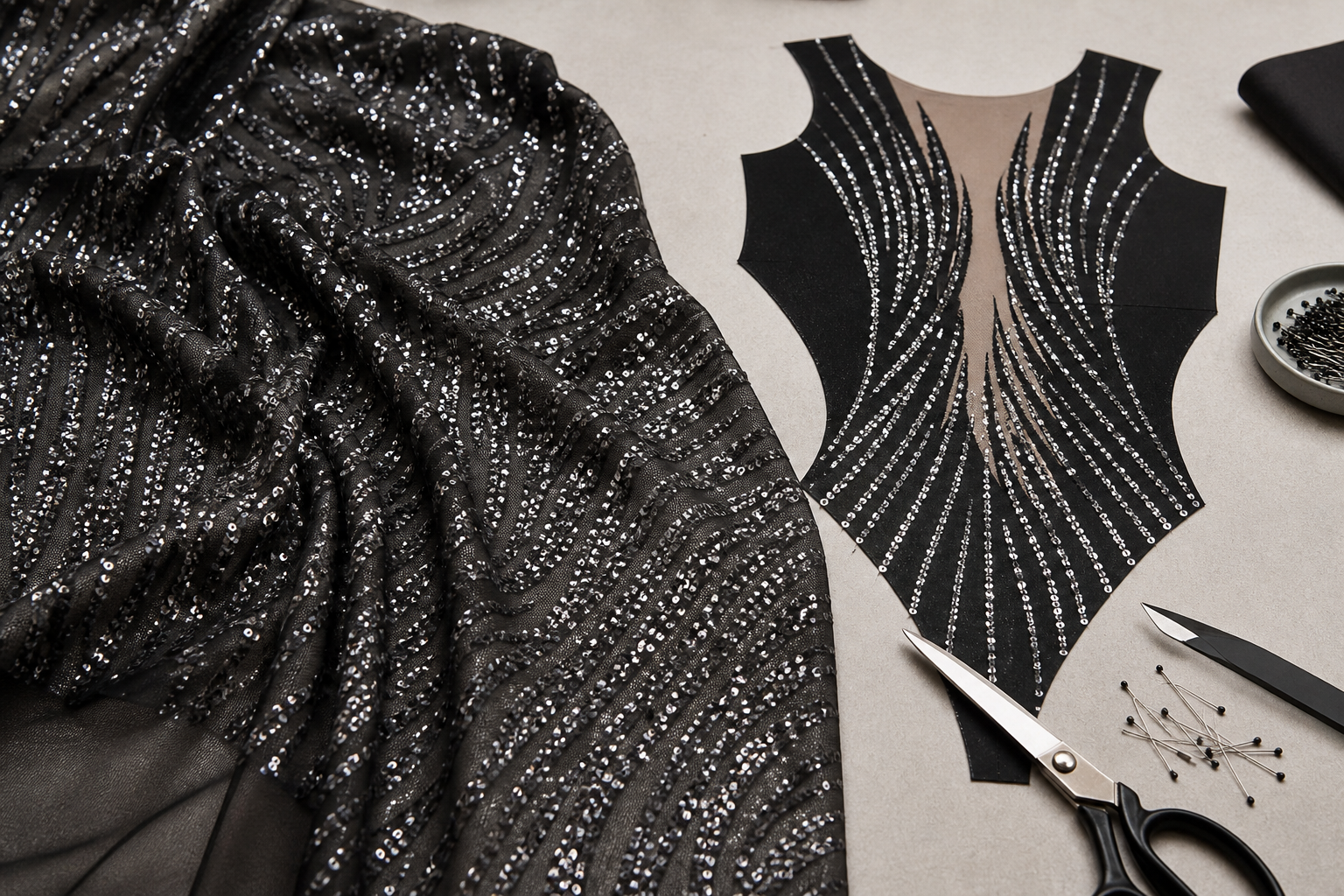
What Buyers Should Confirm Before Requesting Samples
A useful sample request should contain more than a color reference. Share the intended product, target market, approximate quantity, preferred width, composition requirements, and desired delivery window. Then confirm the following technical points:
- GSM and usable width: These affect fabric consumption, garment weight, freight planning, and costing.
- Sequin size and density: Smaller sequins can create a finer shimmer, while larger sequins deliver stronger movement and stage impact.
- Mesh construction: Check transparency, stretch, recovery, edge stability, and resistance to distortion during sewing.
- Attachment strength: Ask how the factory checks loose sequins, pull resistance, and surface damage during handling.
- Color and reflection: Approve a physical swatch because lighting, screen settings, and photography can change the perceived tone.
- Packaging and roll inspection: Confirm how the fabric is folded or rolled, protected from crushing, and inspected before shipment.
Combining Sheer Embroidery with Sequin Surfaces
Sheer embroidery adds another layer of value to lightweight surfaces. Floral motifs, geometric lines, tonal threadwork, and sequin accents can be developed on organza, mesh, tulle, or other transparent bases. For a brand, the combination creates a recognizable surface language that can be adapted across dresses, sleeves, veils, panels, bags, cushions, and event decoration.
However, custom embroidered fabric manufacturing requires close control of thread tension, base-fabric movement, pattern repeat, and finishing. Buyers should review the sample under normal handling conditions and confirm whether the embroidery remains flat, whether the edges need reinforcement, and whether the final roll can be cut efficiently. A factory partner should explain which adjustments are possible before bulk production rather than promising that every design can be made without technical changes.
Build a Reliable B2B Development Workflow
A practical workflow for global buyers is simple: define the end use, shortlist suitable constructions, compare digital images, request physical swatches, approve the technical reference, and then confirm pre-production quality checkpoints. The approved reference should record composition, GSM, width, color, sequin specification, embroidery details, and packaging expectations. This document becomes useful when the buyer repeats the order or develops a coordinated textile series.
Yunfan Textile supports overseas brands, wholesalers, and sourcing teams with embroidered fabrics, sequin textiles, decorative home textile materials, and custom development from Keqiao, Shaoxing. Our production discussions focus on the details that influence real-world results: material selection, surface construction, sample approval, bulk consistency, and communication during production.
For more information about B2B fabric development, visit our website consultation page to share your requirements. Buyers can also visit Yunfan Textile on Alibaba for factory-direct product information and sample discussions.
Contact Yunfan Textile
Wendy Jessie - B2B Contact
Website: https://www.yunfantextile.com/
WhatsApp/WeChat: +86 156 3752 5803 / +86 175 1619 6727
Email: morris@yunfantextile.com / morris@yunfantextile.com
Request lightweight sequin mesh and sheer embroidery swatches