Sustainable home textile sourcing is moving from a marketing preference to a practical procurement requirement. Brands, hospitality groups, interior studios, and wholesale distributors are looking for fabrics that combine attractive surface design with clear material information, reliable production, and repeat-order consistency. This is creating stronger interest in recycled polyester home textile fabric, sustainable upholstery materials, and custom decorative fabrics that can perform in real commercial applications.
For a B2B buyer, responsible sourcing does not end with choosing a recycled-content label. A useful evaluation should connect fiber composition, GSM, usable width, hand-feel, abrasion expectations, color stability, finishing, packaging, and documentation. The supplier should be able to explain how the fabric is developed, inspected, and reproduced when a buyer places the next order.
Why Recycled Polyester Is Relevant to Home Textile Buyers
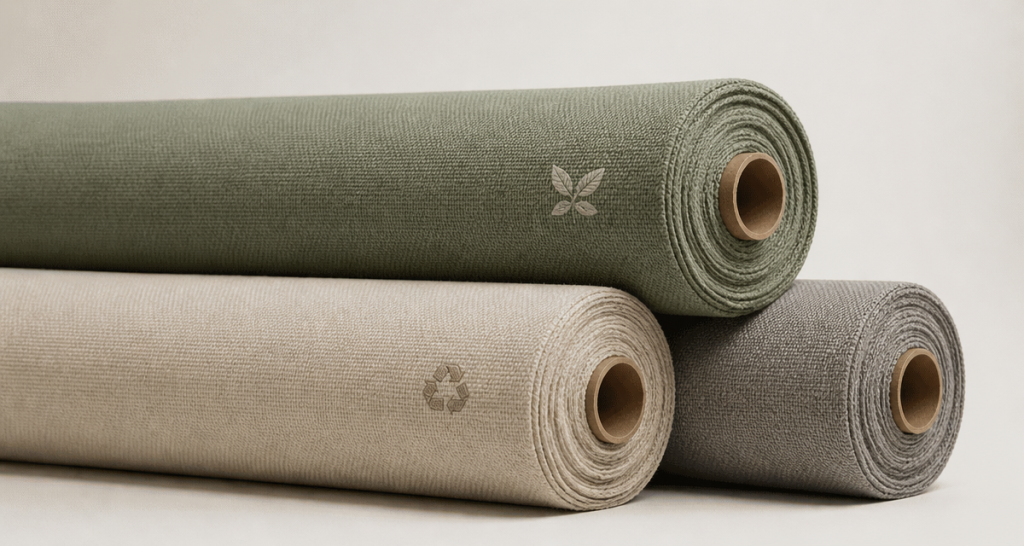
Recycled polyester, often referred to as rPET, can be used in a range of home textile constructions, including decorative upholstery, cushion covers, curtains, wall panels, table textiles, and selected hospitality applications. It gives product teams a familiar polyester performance platform while supporting a more responsible material story when the recycled content and related documentation are properly identified.
When searching for a sustainable home textile fabric supplier, buyers should ask whether the recycled content applies to the yarn, the full construction, or only a component of the product. They should also confirm the exact fiber blend, fabric weight, usable width, finishing process, and available supporting documents. Clear information helps a brand avoid vague sustainability language and prepare accurate product records for its customers.
Technical Points to Confirm Before a Bulk Order
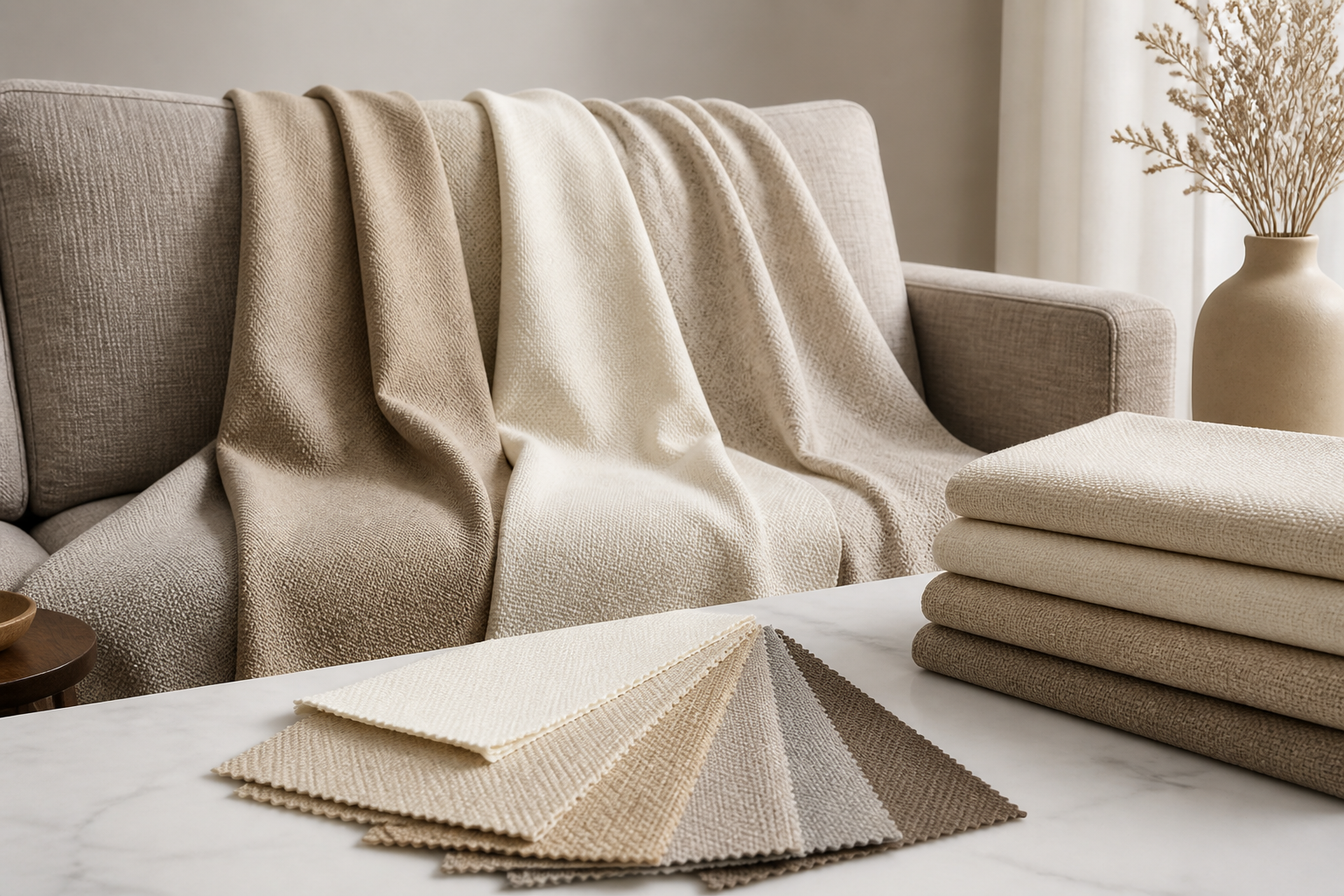
Home textile fabrics can look similar online while behaving very differently during cutting, sewing, installation, and daily use. A professional sample review should cover the following points:
- Composition and recycled content: Confirm the fiber percentages and what documentation is available for the selected construction.
- GSM and usable width: These values influence consumption, finished weight, freight planning, and the suitability of the fabric for different products.
- Surface and hand-feel: Compare pile, weave, embroidery, jacquard, or other decorative effects under normal showroom lighting.
- Color and batch control: Approve a physical shade reference and ask how repeat orders are matched against the approved standard.
- Dimensional behavior: Check shrinkage, stretch, recovery, seam performance, and whether the fabric remains stable after the expected care process.
- Inspection and packaging: Confirm roll inspection, defect marking, protective packing, and the process for handling short shipments or damaged goods.
From Sustainable Material to Commercial Design
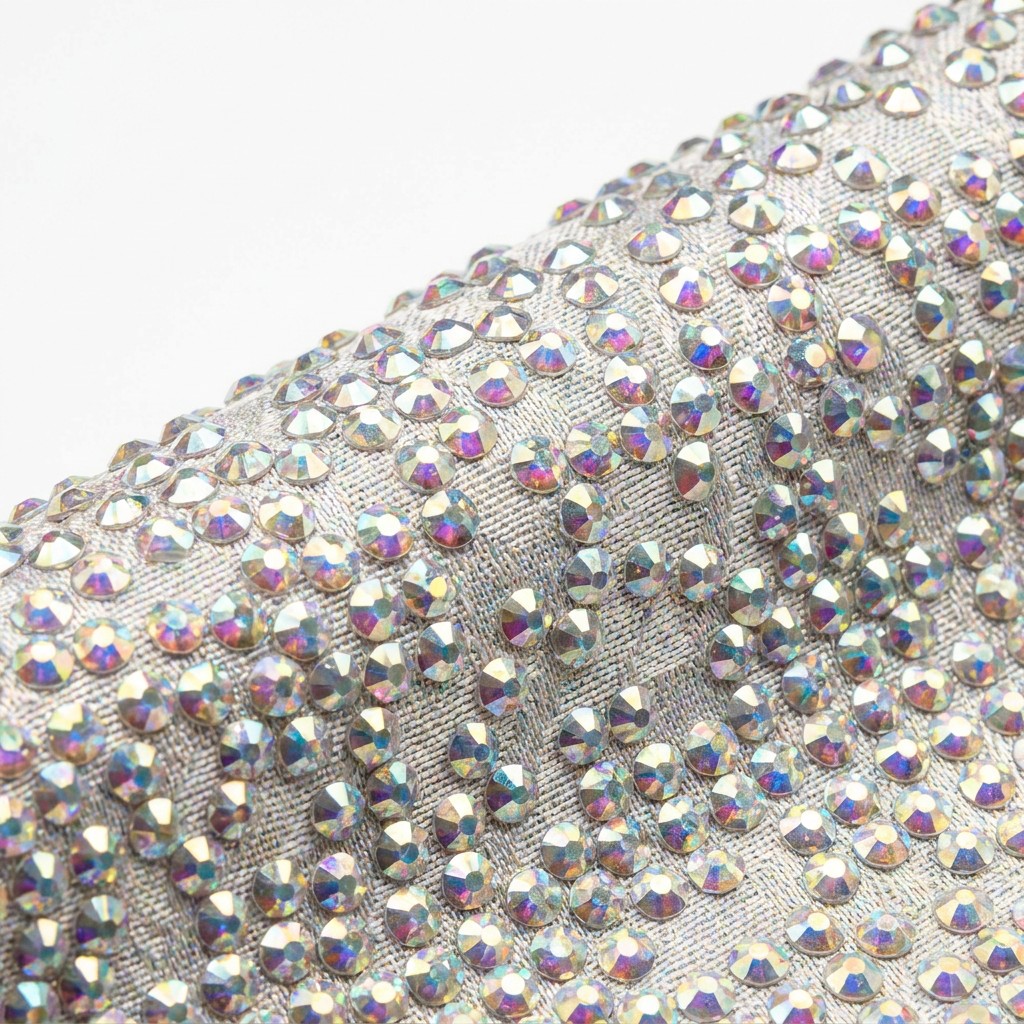
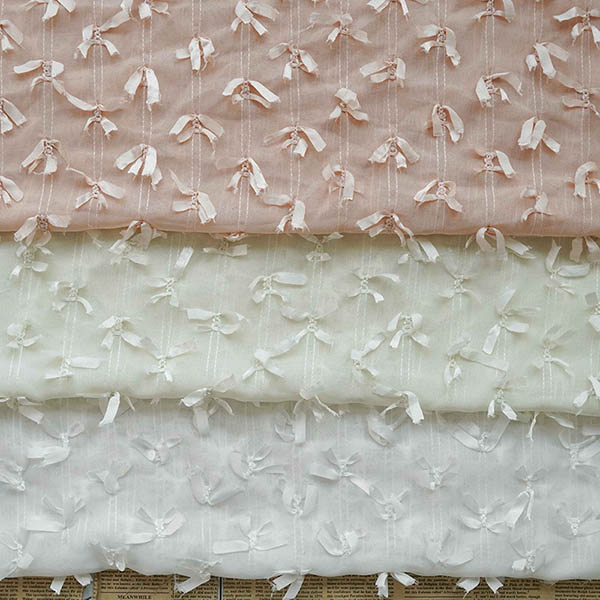
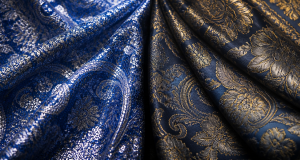
Recycled polyester does not have to look plain or technical. It can be developed with embroidery, jacquard structures, textured surfaces, metallic effects, and coordinated color programs for a stronger visual identity. For hospitality and interior projects, a fabric series may include a base upholstery material, decorative cushions, curtain fabrics, and accent panels that share a controlled color direction.
This is where a custom home textile fabric manufacturer can add value. Instead of selecting unrelated stock fabrics, a buyer can discuss the end-use requirements, target color palette, surface effect, and approximate order plan with one production partner. The factory can then recommend a workable construction and identify which details need physical approval before bulk production.
How to Organize a Reliable B2B Sourcing Process
Start with a concise technical brief: application, destination market, composition preference, target GSM, usable width, color references, estimated quantity, packaging requirements, and delivery window. Request a sample set that represents the actual construction rather than relying only on a digital image. Record the approved reference with photos, measurements, color notes, and finishing details.
Before confirming production, agree on inspection checkpoints and communication responsibilities. For repeat orders, keep the original sample and specification sheet as the commercial reference. This simple discipline helps reduce misunderstandings when a project is reordered months later or when several coordinated fabrics are being developed together.
Yunfan Textile supports overseas brands, interior buyers, hospitality suppliers, and wholesalers with decorative home textile fabrics, embroidered materials, sequin textiles, and custom development from Keqiao, Shaoxing. Our B2B discussions focus on usable specifications, sample approval, factory quality control, and stable communication from development to shipment.
Source Directly from Yunfan Textile on Alibaba
Browse factory-direct textile options and request samples.
To discuss sustainable home textile sourcing, visit our website consultation page and share your application, target quantity, and fabric requirements.
Contact Yunfan Textile
Wendy Jessie - B2B Contact
Website: https://www.yunfantextile.com/
WhatsApp/WeChat: +86 156 3752 5803 / +86 175 1619 6727
Email: morris@yunfantextile.com / morris@yunfantextile.com
Request sustainable home textile fabric samples and a B2B quotation