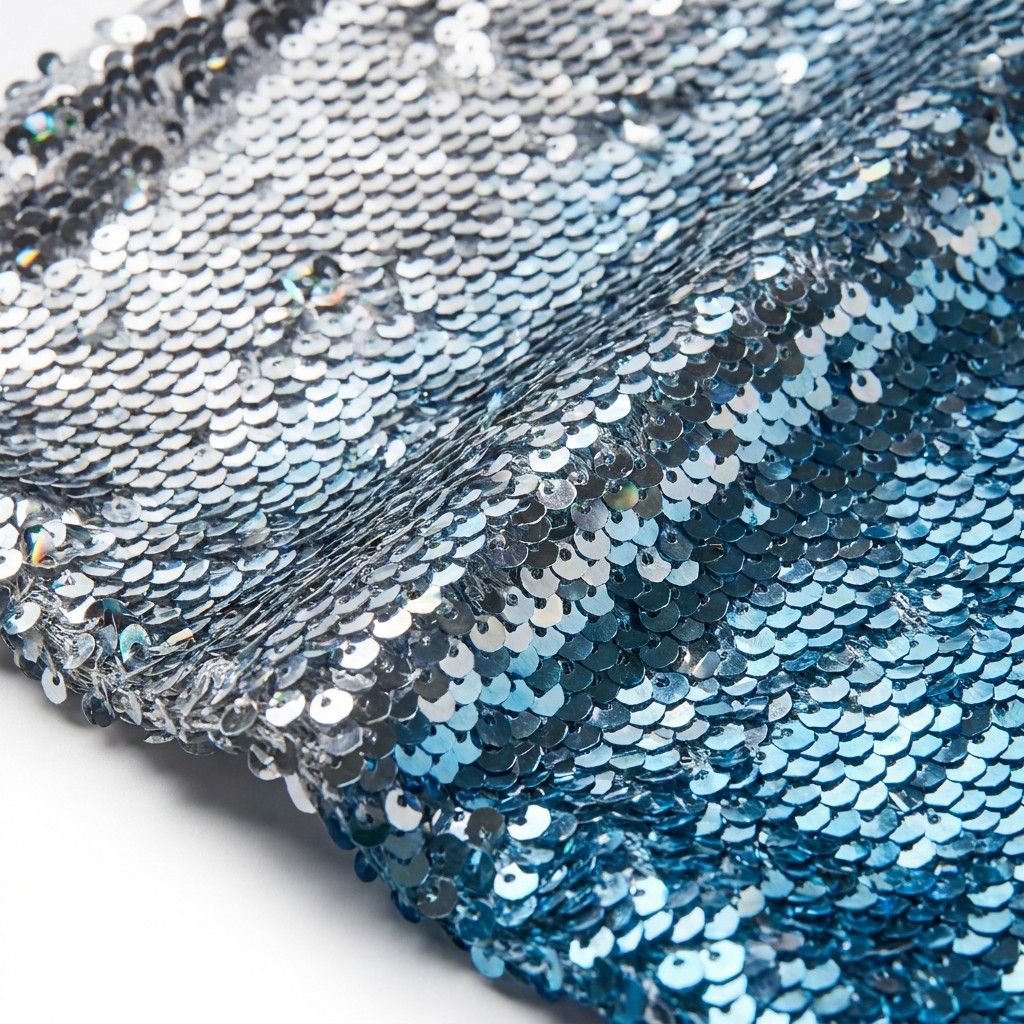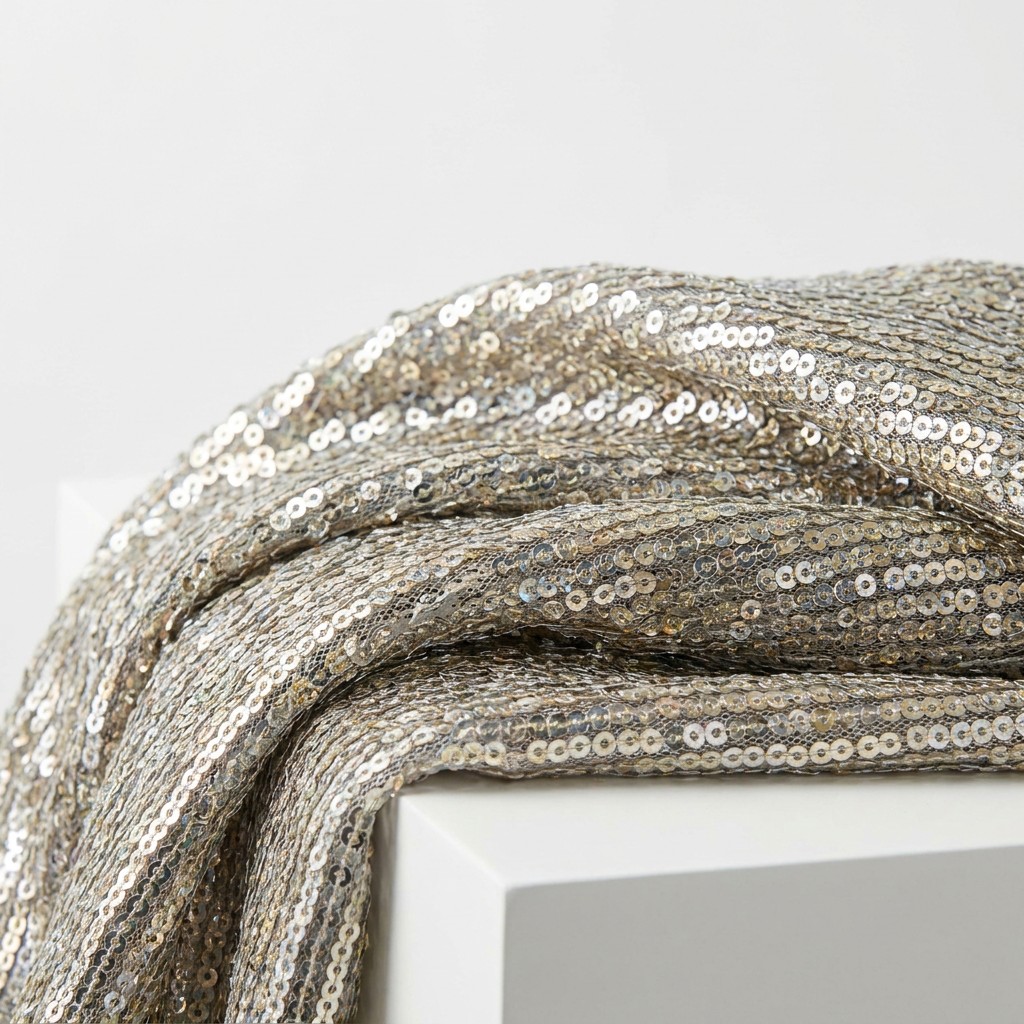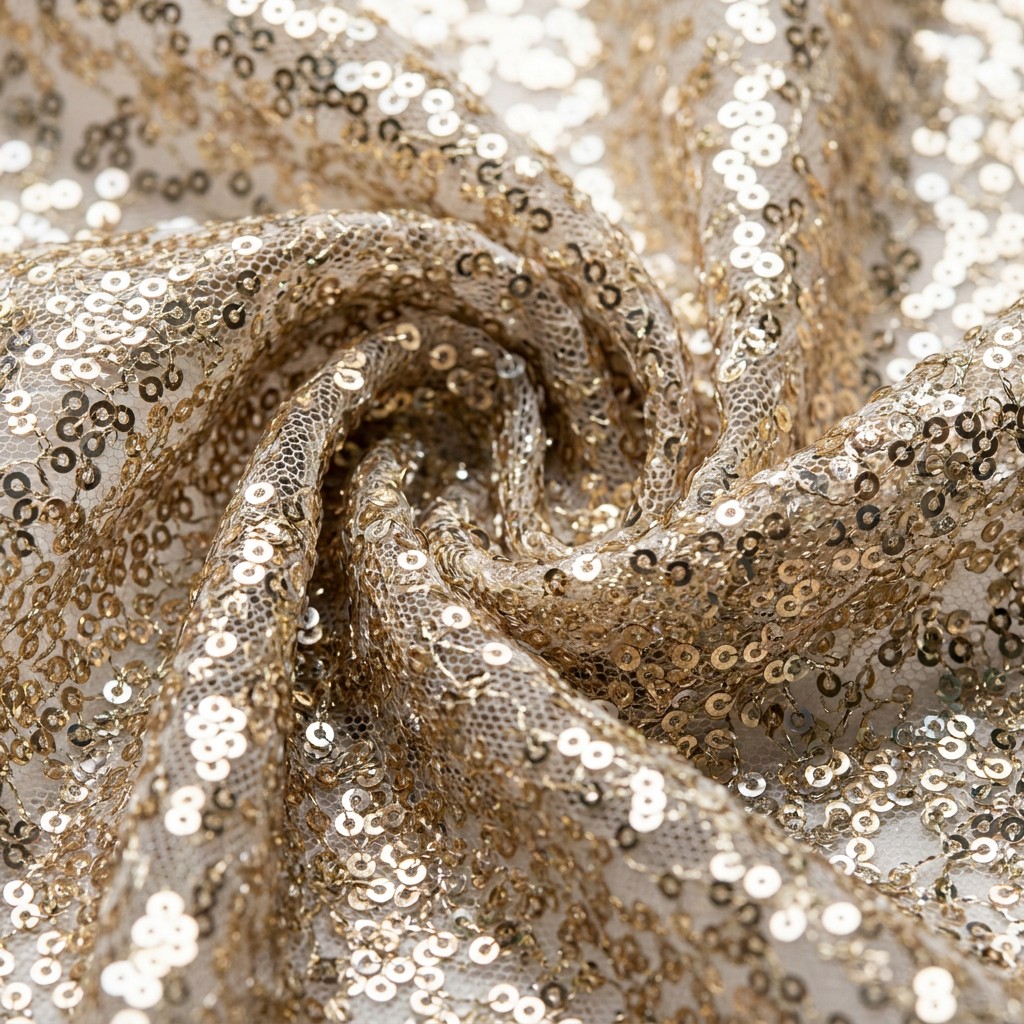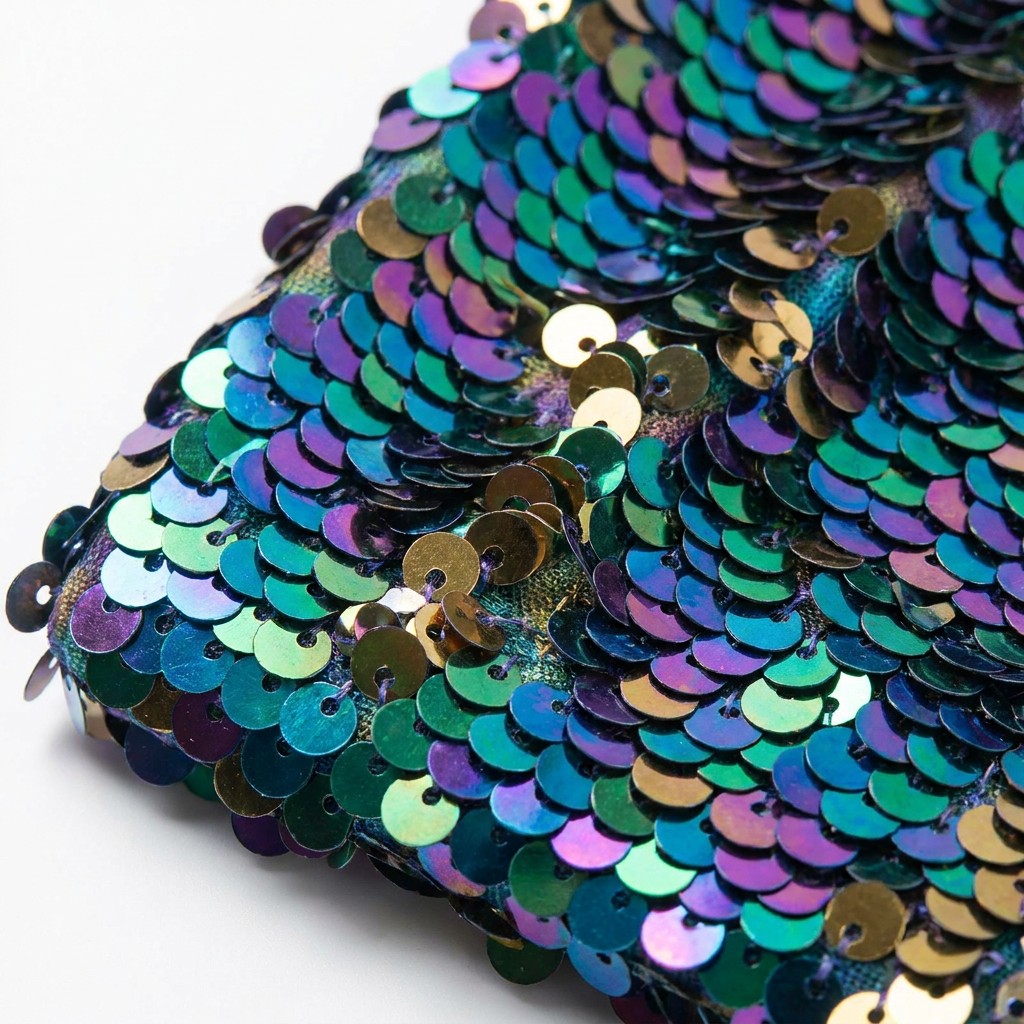
A strong fabric collection is more than a group of attractive individual samples. For fashion brands, interior studios, hospitality buyers, and textile wholesalers, the real value often comes from how fabrics work together across a product range. Fabric collection development helps buyers connect color, texture, pattern scale, and end use while keeping communication with a factory clear and practical.
Why coordinated fabric series matter in 2026
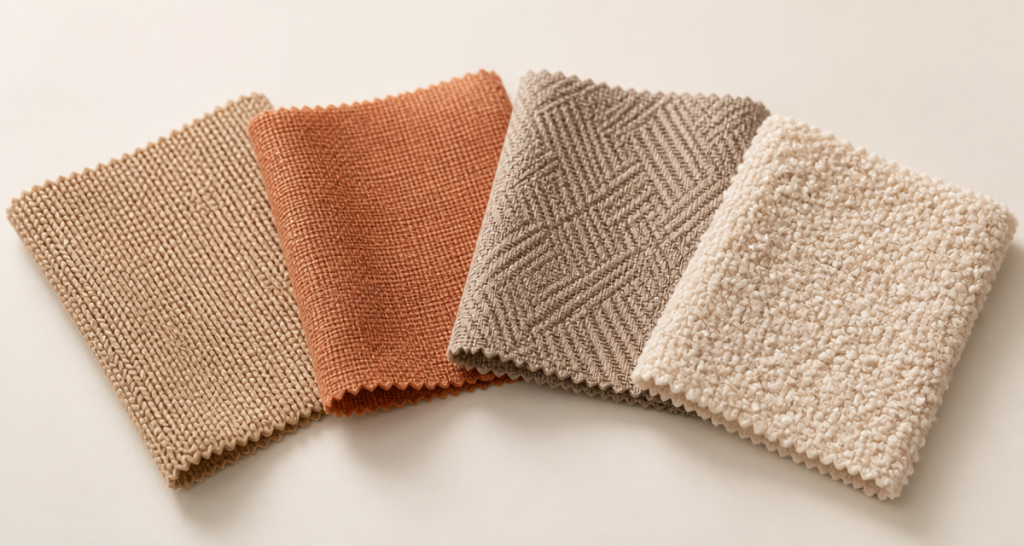
Current design directions continue to value tactile surfaces, layered texture, decorative detail, and adaptable color. A coordinated series can combine an embroidered ground, a woven texture, a decorative sequin surface, and a quieter supporting fabric. This approach gives designers more ways to build a collection without making every product look identical.
For buyers, a coordinated series can also simplify product planning. Curtains, cushions, garments, event fabrics, and decorative panels may share a palette while using different constructions. The result is a more flexible product story and a clearer basis for discussing samples and wholesale requirements.
Start with a collection brief
Before requesting samples, define the target market, product applications, preferred color direction, mood, material preferences, usable width, approximate quantity, and purchasing timeline. Add reference images or a physical swatch when possible. A brief helps the factory understand which details are essential to the collection and which elements can be adjusted during development.
Four building blocks of a coordinated fabric series
1. A consistent color language
Choose a small group of related shades and explain how they should work together. Warm neutrals, muted earth tones, charcoal accents, or carefully selected highlights can support different product applications. Review color on the intended fabric surface because embroidery, sequins, texture, and finishing can change how a shade appears.
2. Balanced pattern scale
Use different pattern scales to create variety. A larger motif can become a collection focal point, while a smaller repeat or quiet texture can support it. Discuss pattern placement, repeat, embroidery density, and the relationship between decorated and undecorated surfaces before approving a development direction.
3. Complementary surface effects
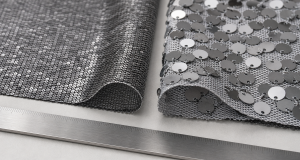
A coordinated series does not require every fabric to have the same finish. A matte ground, a soft sheen, a dimensional embroidery, and a controlled sparkle can work together when their roles are clearly defined. Physical samples help buyers compare hand feel, drape, reflection, and surface behavior under realistic conditions.
4. Clear end-use planning
For custom textile collection development, explain which fabrics are intended for curtains, cushions, furniture accents, garments, stagewear, or hospitality interiors. Different end uses may require different structures, weights, widths, and finishing. Early clarity helps the supplier recommend options that support the collection rather than simply matching a photograph.
How to work with a textile collection supplier
A capable textile collection supplier should be able to discuss the base fabric, decoration, color direction, sample versions, and technical questions in one workflow. Ask how samples are identified, how changes are recorded, and how an approved reference is kept for future communication. These practical steps help a buyer move from creative direction to a more repeatable B2B fabric development process.
Factory-direct support for collection development
Yunfan Textile supports international B2B buyers sourcing embroidery fabrics, sequin fabrics, decorative textiles, and related home textile materials. Our team can review collection references, discuss sample requirements, and help buyers explore coordinated fabric directions while keeping final technical approval with the buyer.
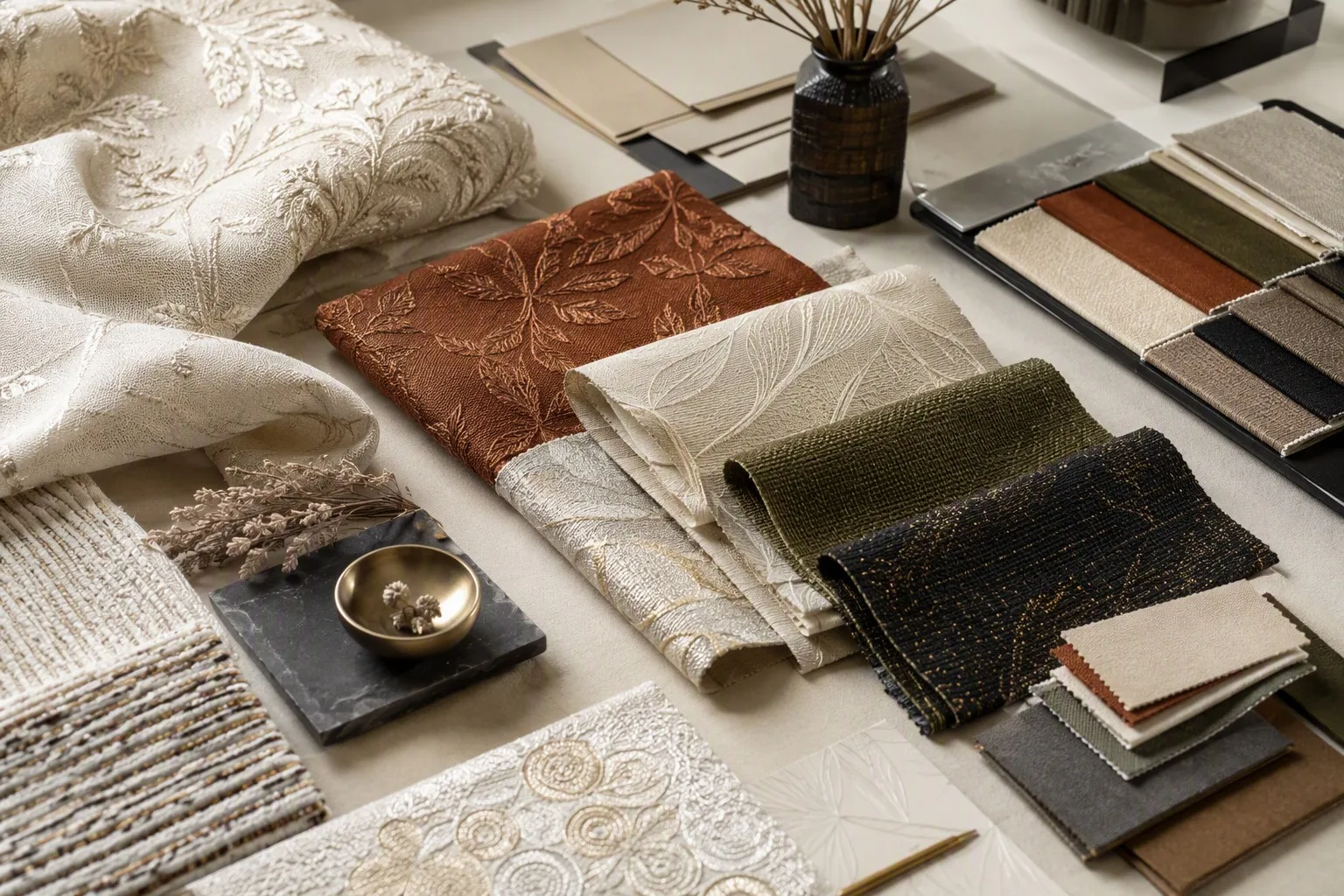
Explore our embroidery fabric collection and sequin fabric collection. For collection planning, samples, or custom development questions, visit our website consultation page.
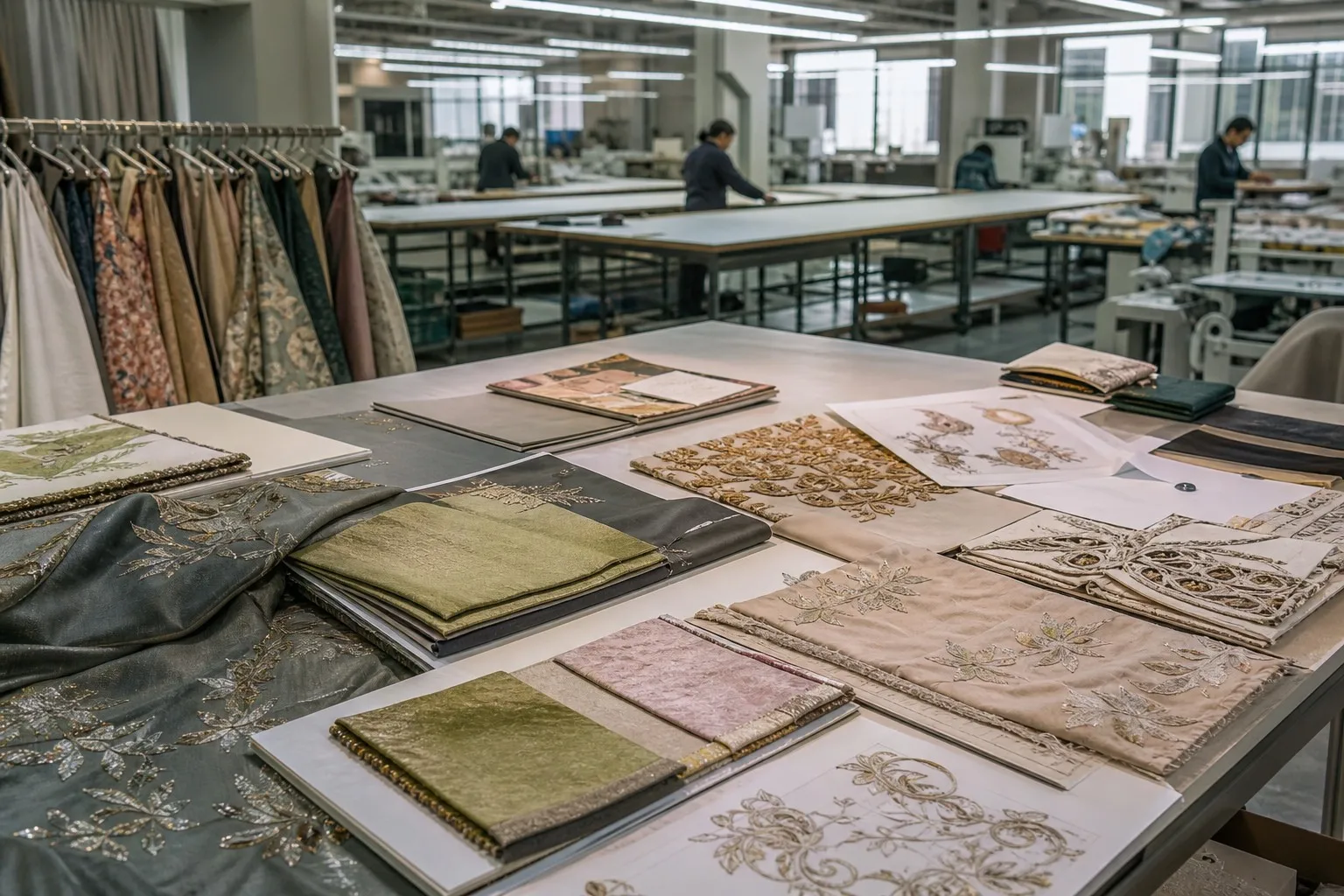
A practical next step
Begin with a focused collection brief and request a small group of complementary samples rather than isolated options. Compare color, texture, pattern scale, hand feel, width, and end-use suitability together. Keep the approved references and development notes organized so that future purchasing conversations start from a clear shared direction.
Source Directly from Our Alibaba Store
Get factory-direct pricing, free samples, and Alibaba Trade Assurance protection.
Building a coordinated fabric series? Contact Yunfan Textile for samples and customization support.
Contact Yunfan Textile for B2B Sourcing
🌐 Website: https://www.yunfantextile.com/
📌 B2B Contact: Jessie wendy
📱 WhatsApp/WeChat: +86 175 1619 6727 / +86 156 3752 5803
📧 Email: morris@yunfantextile.com
📧 Email: morris@yunfantextile.com