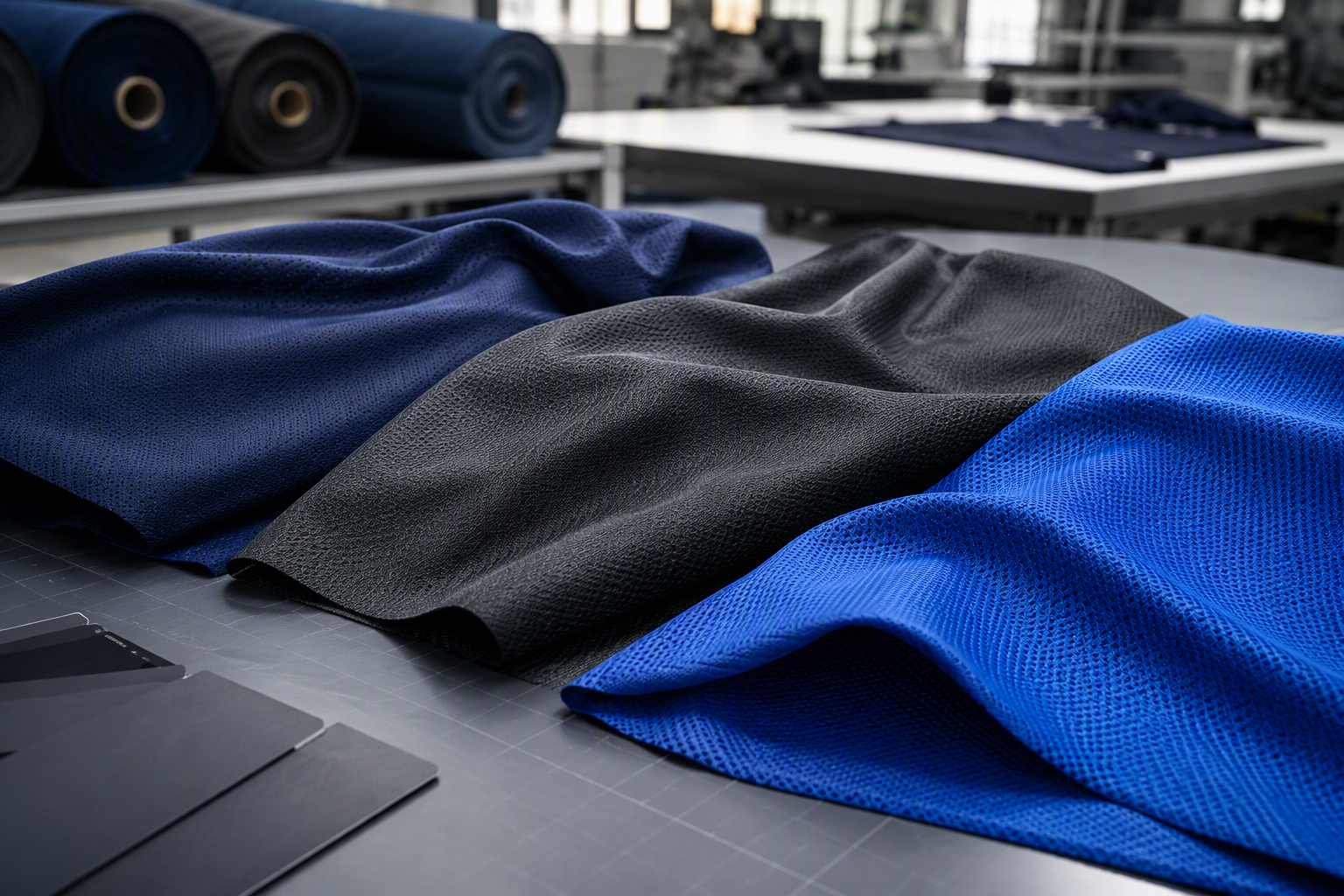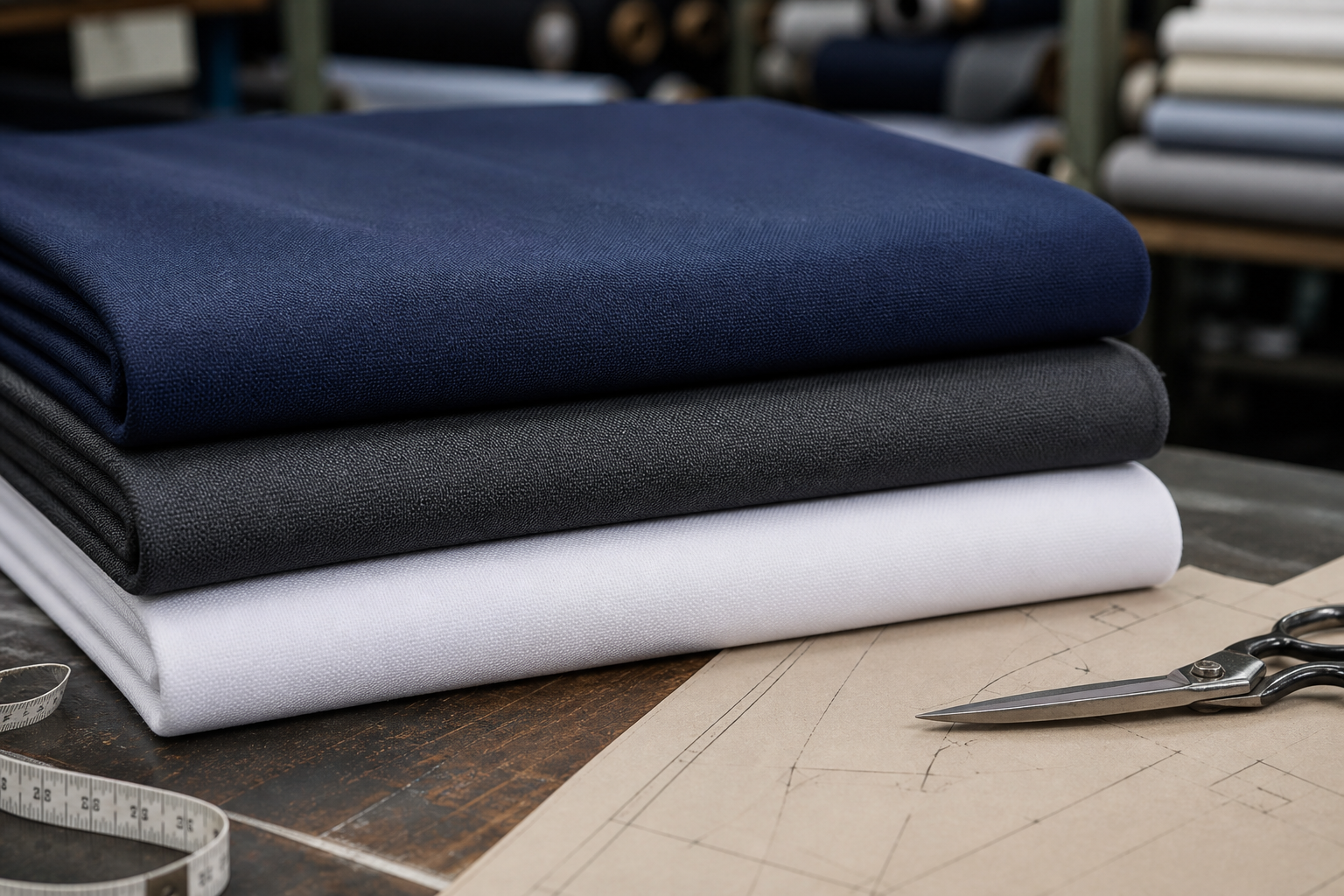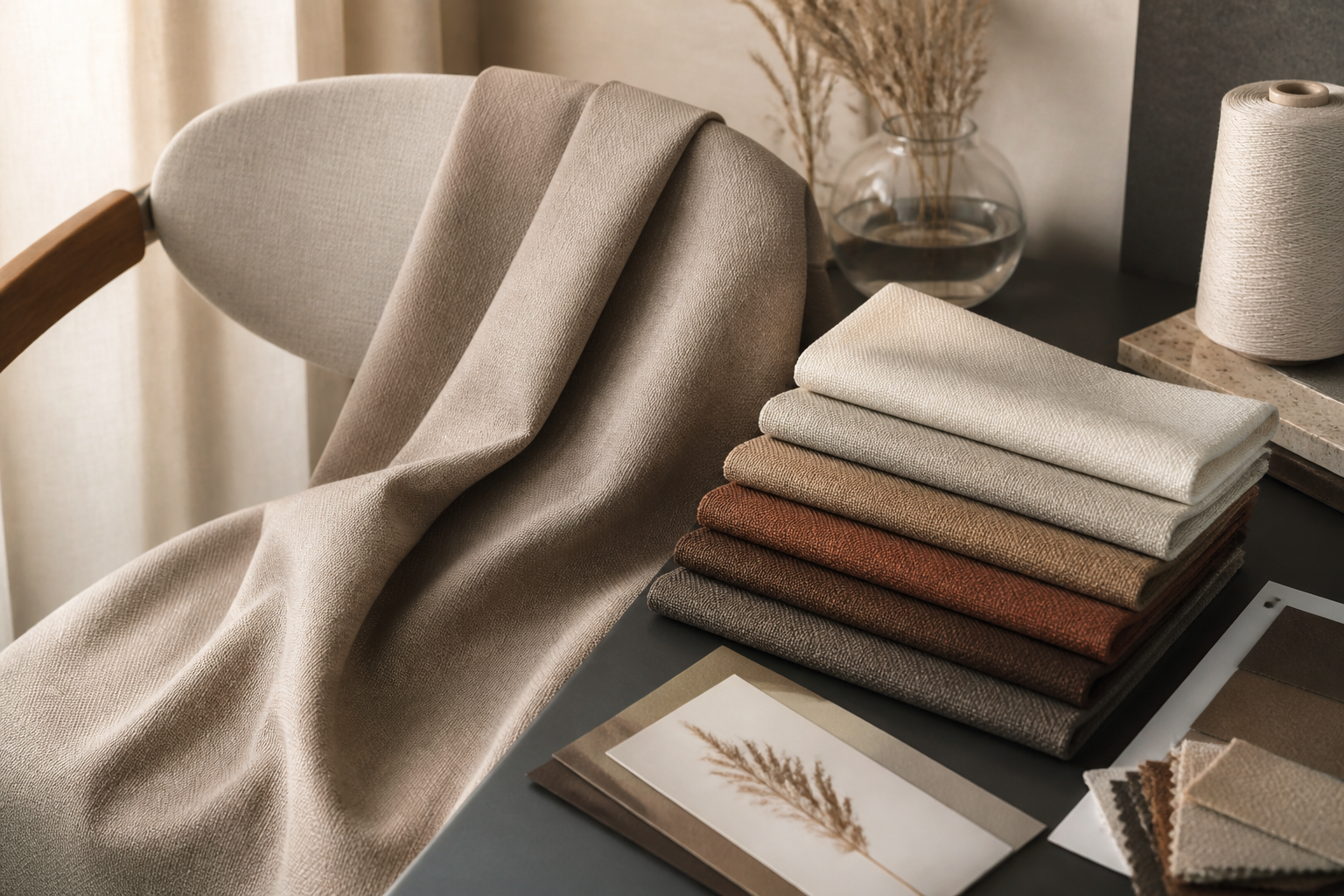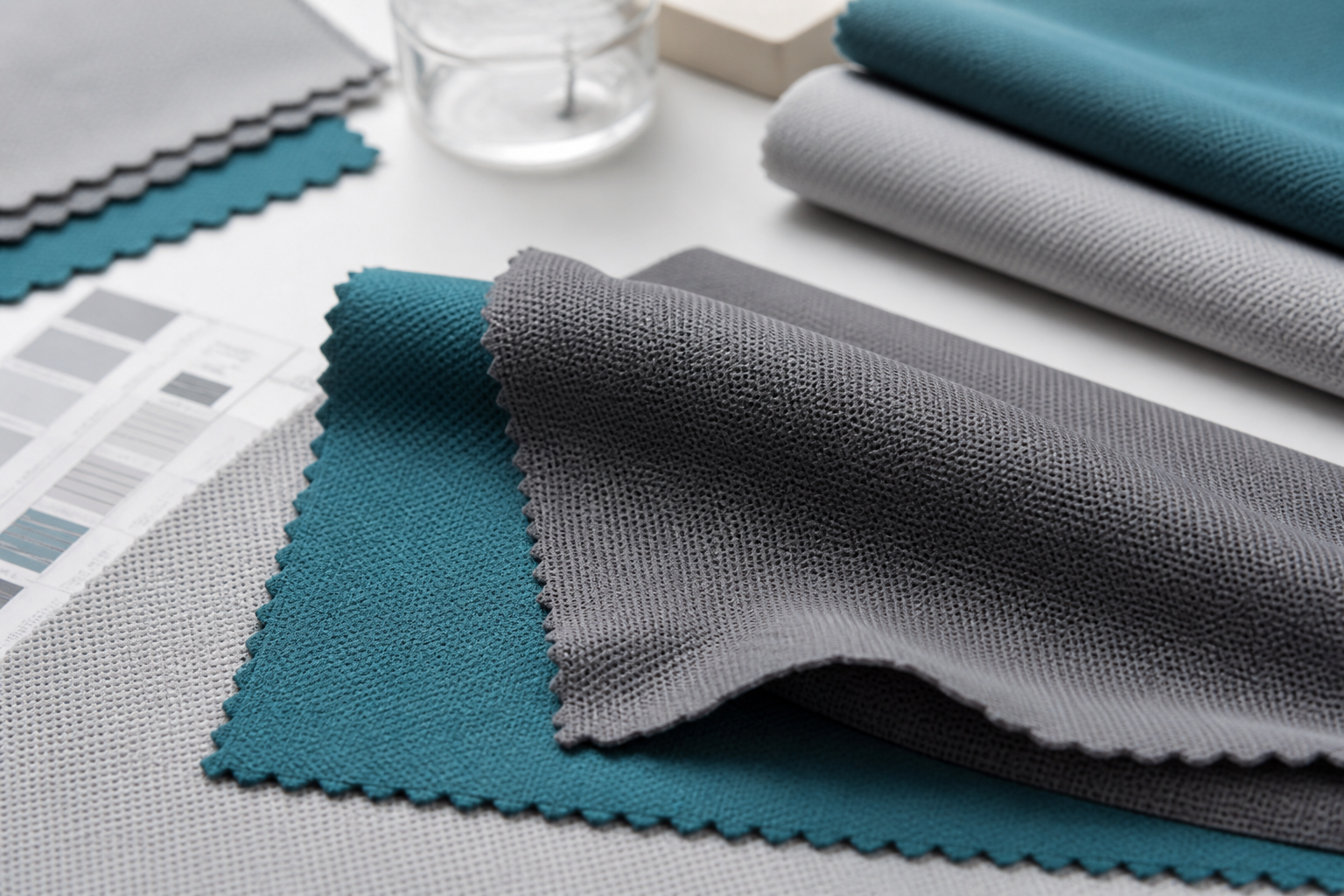
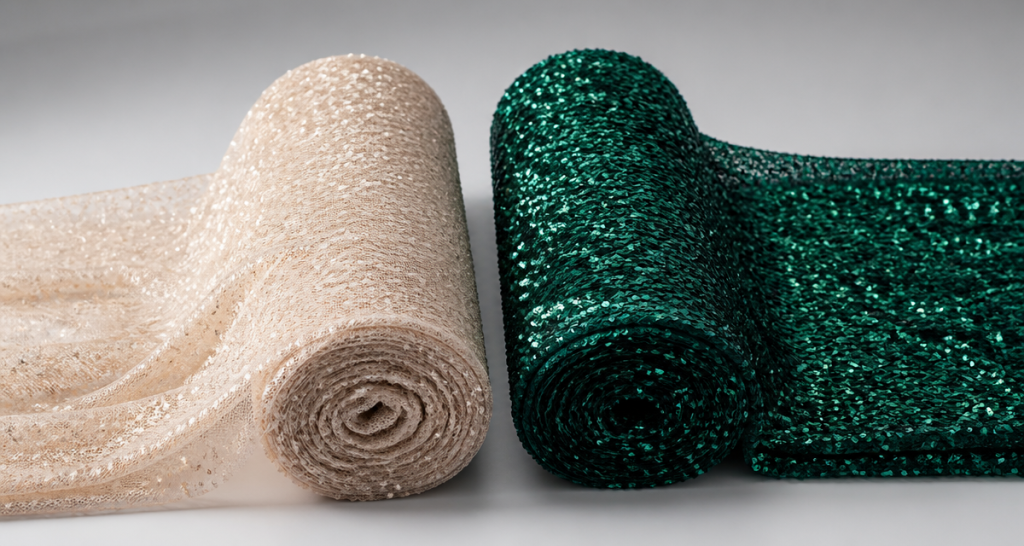
For fashion brands, bridal labels, event suppliers, interior designers, and textile wholesalers, sequin fabric sourcing in 2026 is becoming more technical. Buyers still want a strong visual effect, but they also need responsible materials, stable GSM, reliable color matching, and bulk quality that can be repeated from one order to the next. The result is a stronger demand for sustainable sequin fabric wholesale, recycled polyester mesh, digital sampling, and factory-level quality control.
A professional B2B purchase should never be based on a product photo alone. Buyers should compare composition, sequin size, base fabric, usable width, GSM, colorfastness, attachment strength, MOQ, lead time, packaging, and the supplier's ability to support repeat orders. Yunfan Textile works with global buyers who need custom development and predictable bulk manufacturing from one coordinated factory.
1. Start with the Base Fabric and Composition
The base fabric determines how a sequin surface behaves during cutting, sewing, shipping, and final use. Lightweight mesh can be appropriate for dresses, dancewear, and fashion accessories, while velvet-backed or dense embroidered constructions may require a heavier base for premium occasionwear, upholstery, event backdrops, and hospitality interiors.
Buyers should confirm whether the material is polyester, recycled polyester, polyester-spandex, or a blended construction. For sustainable sequin fabric wholesale, request the recycled-content information and any available certification documents. It is also important to confirm whether the material is suitable for the target market's compliance and customer communication requirements.
2. Use GSM and Usable Width to Compare Real Value
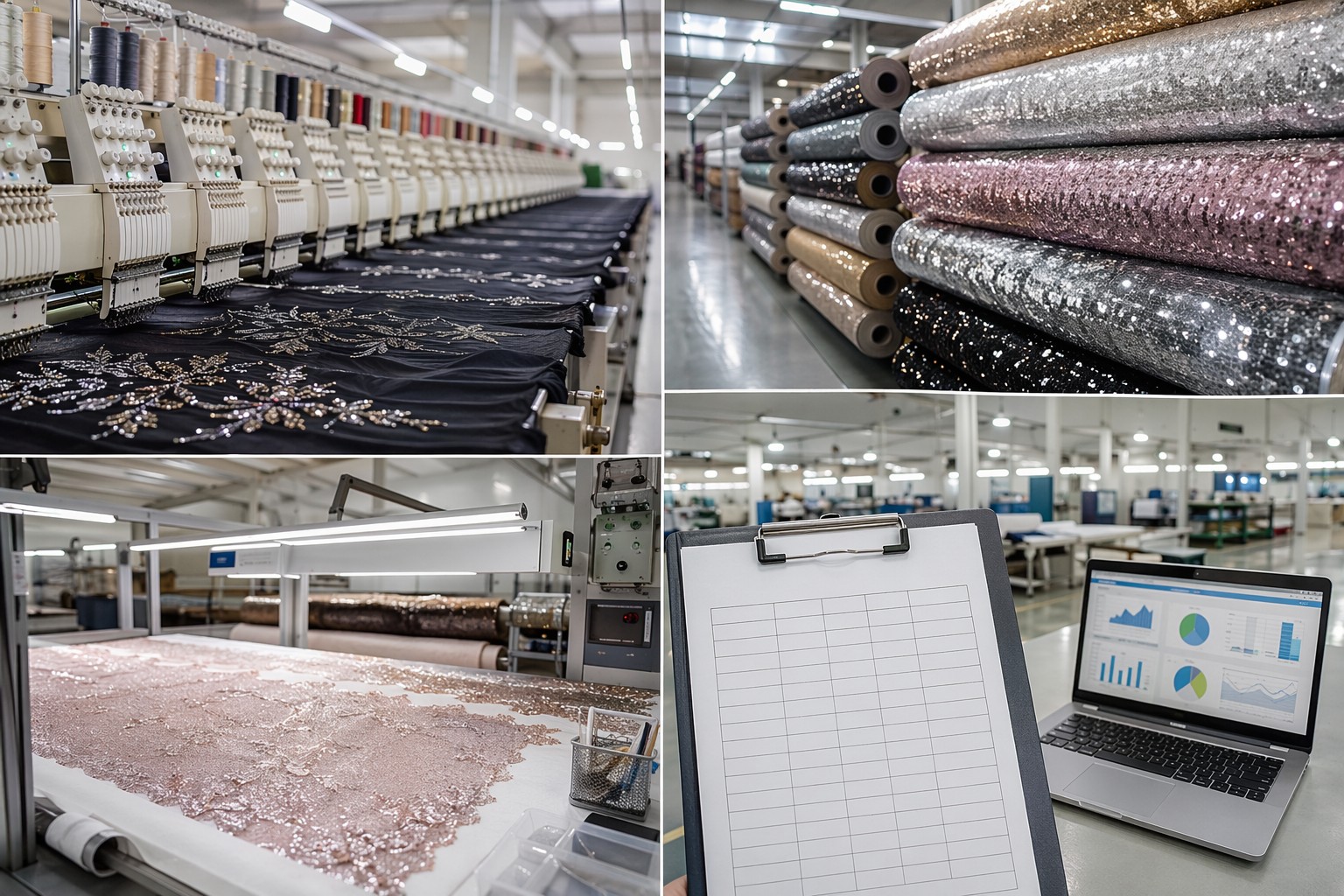
Price per meter does not tell the full sourcing story. GSM influences drape, coverage, shipping weight, sewing performance, and the perceived value of the finished garment or interior product. A lightweight 3mm sequin fabric may reduce material weight, while dense embroidery, large sequins, or velvet backing can increase GSM and create a more structured hand-feel.
Usable width is equally important. Buyers should ask for the width between the usable selvedges rather than relying only on the total roll width. A consistent usable width helps the cutting room improve marker efficiency, reduce waste, and calculate a more accurate landed cost for bulk production.
3. Confirm Color and Sequin Attachment Before Bulk Orders
Reflective fabrics can look different under showroom lights, daylight, and photography conditions. A reliable approval process should compare the physical swatch with the target color reference, sequin reflection, embroidery density, stitch tension, and surface coverage. For repeat programs, the approved swatch should remain the commercial reference for every production lot.
Attachment strength also matters. Buyers should ask how the factory checks loose sequins, missing stitches, edge quality, and pattern repeat. These details are especially important for stage costumes, bridalwear, hospitality décor, and garments that will be handled frequently.
4. Digital Sampling Speeds Up Sourcing Decisions
Digital sampling helps international teams review more options before ordering physical samples. High-resolution fabric images, digital color cards, and 3D-ready material references allow designers and purchasing managers to compare sequin size, pattern direction, surface density, and color mood across multiple collections.
The strongest workflow combines digital review with physical approval. Buyers can shortlist materials online, then request a swatch book or sample header to test hand-feel, drape, stretch, reflection, and color accuracy. This reduces unnecessary courier shipments without removing the final physical quality check.
5. Ask the Factory the Right B2B Questions
A complete inquiry should include application, composition, GSM, usable width, color reference, estimated quantity, delivery market, sample requirements, packaging needs, and target launch date. Buyers should also ask about MOQ, lead time, pre-production approval, inspection standards, replacement policy, and repeat-order consistency.
For more information, read our sustainable textile sourcing and recycled sequin fabric guide. You can also contact Yunfan Textile for technical swatches, custom embroidery development, and wholesale quotations.
Source Directly from Our Alibaba Store
Get factory-direct pricing, free samples, and Alibaba Trade Assurance protection.
Contact Yunfan Textile for B2B Sourcing
🌐 Website: https://www.yunfantextile.com/
📌 B2B Contact: Jessie wendy
📱 WhatsApp/WeChat: +86 175 1619 6727 / +86 156 3752 5803
📧 Email: morris@yunfantextile.com
📧 Email: morris@yunfantextile.com