What separates a profitable diamond fabric order from a costly one is rarely the price per metre. It is the quality control you put in place before you buy. Here is how professional buyers evaluate wholesale diamond fabric, compare quotes, and protect their margin.
Why Diamond Fabric Sourcing Deserves a Structured Process
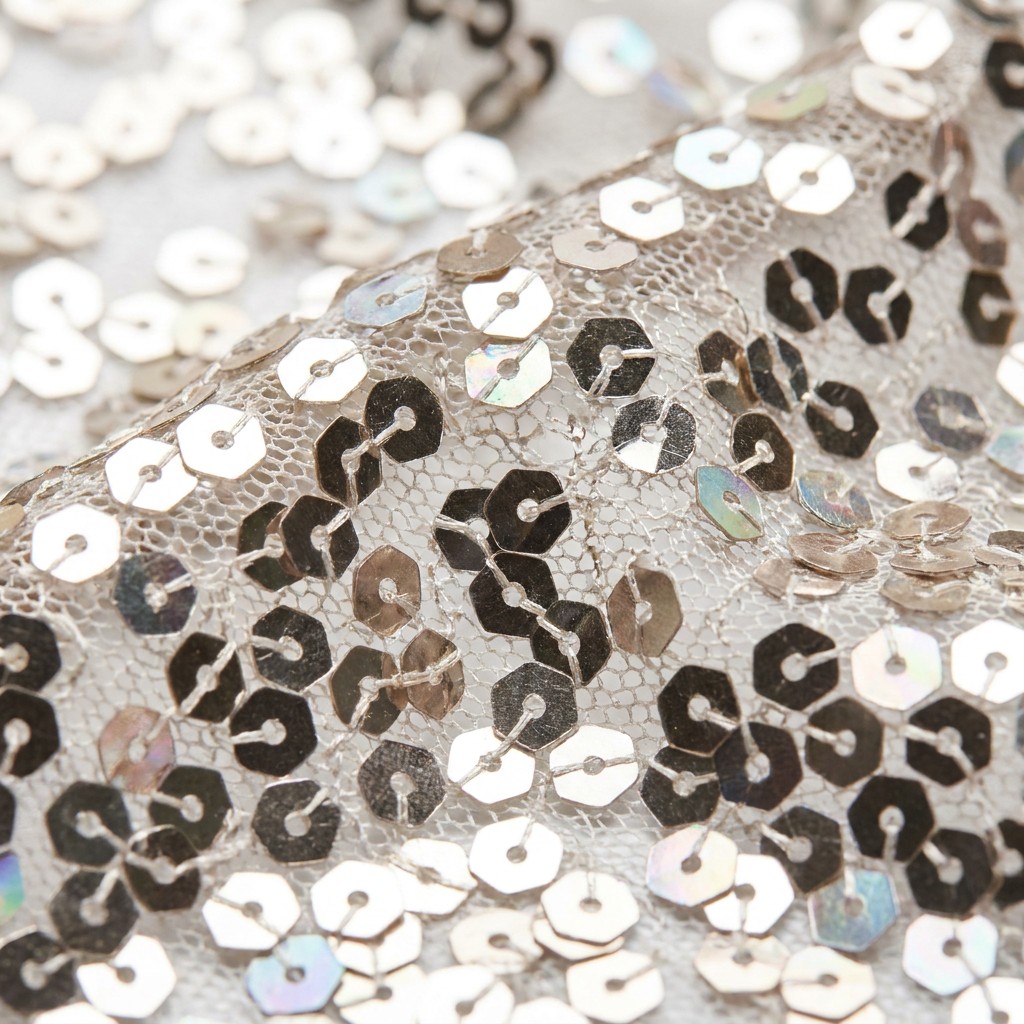
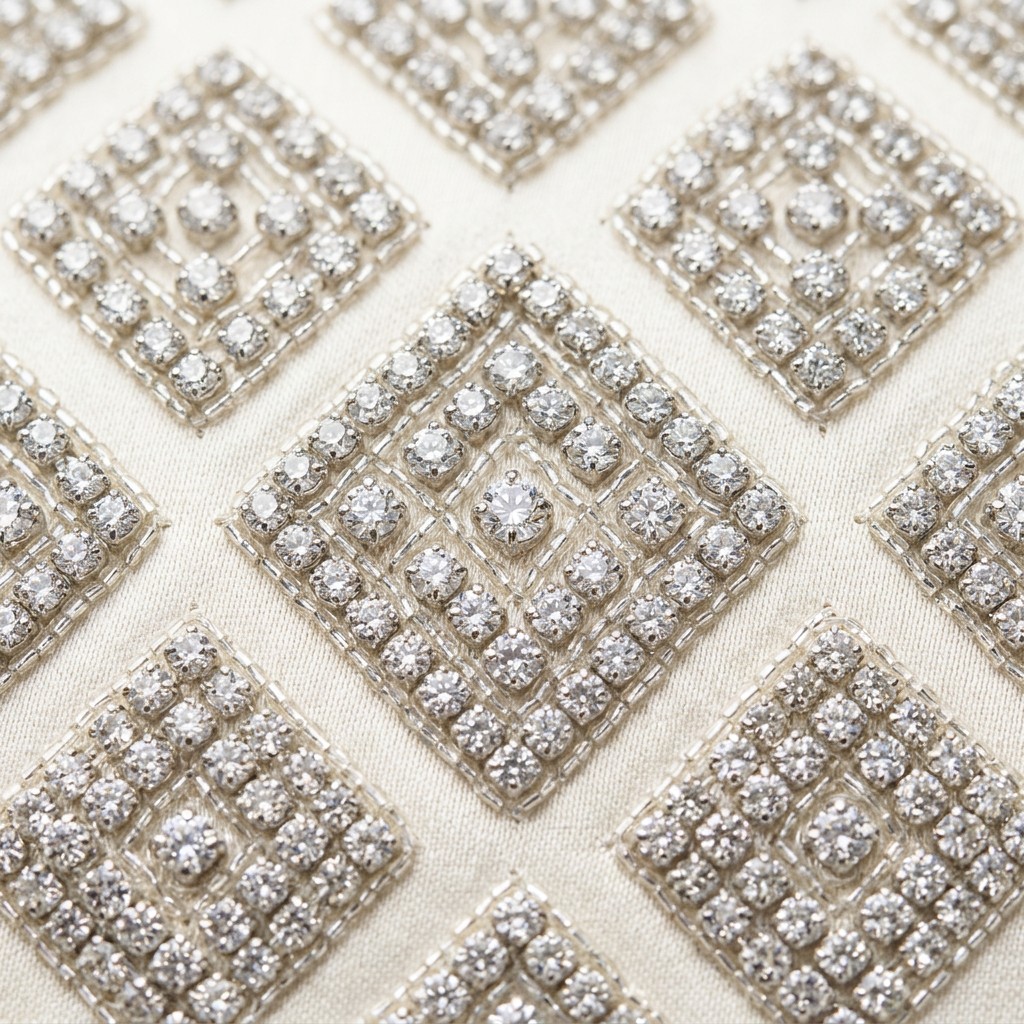
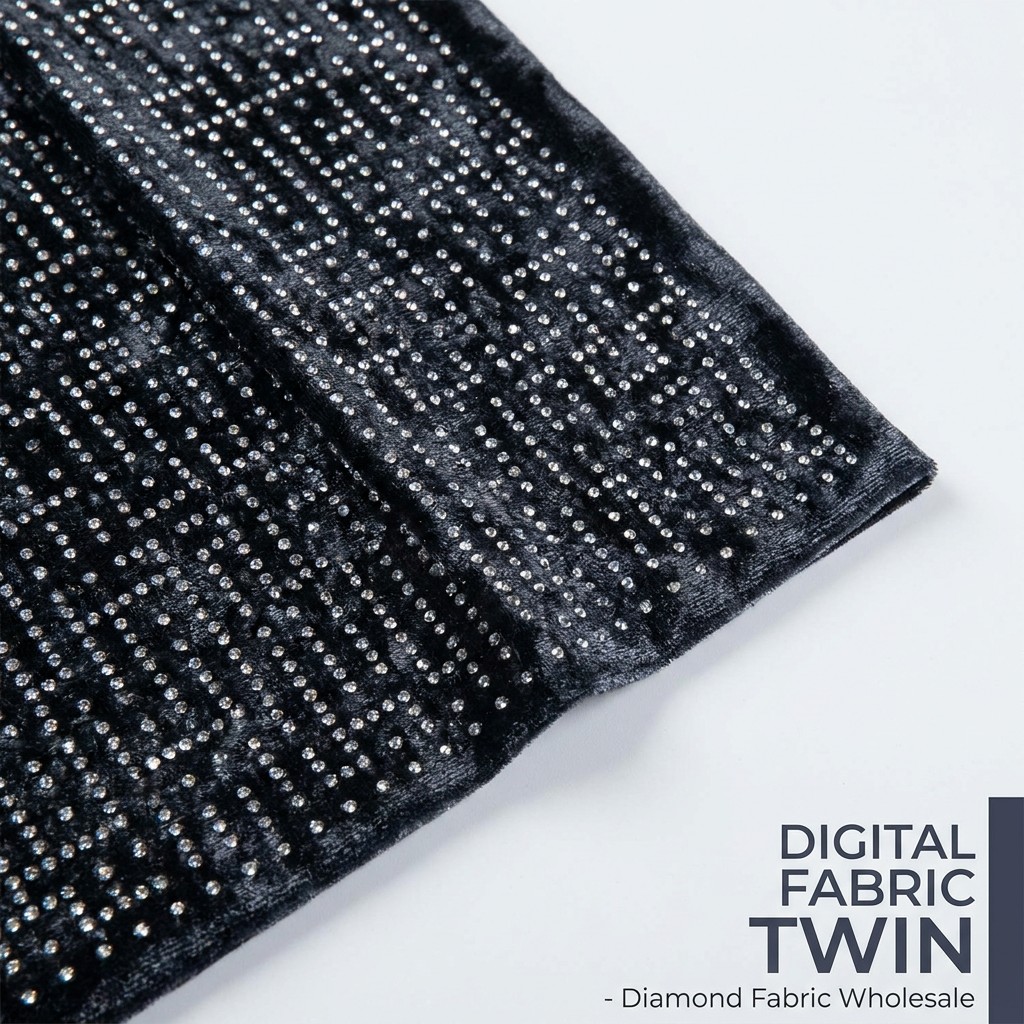
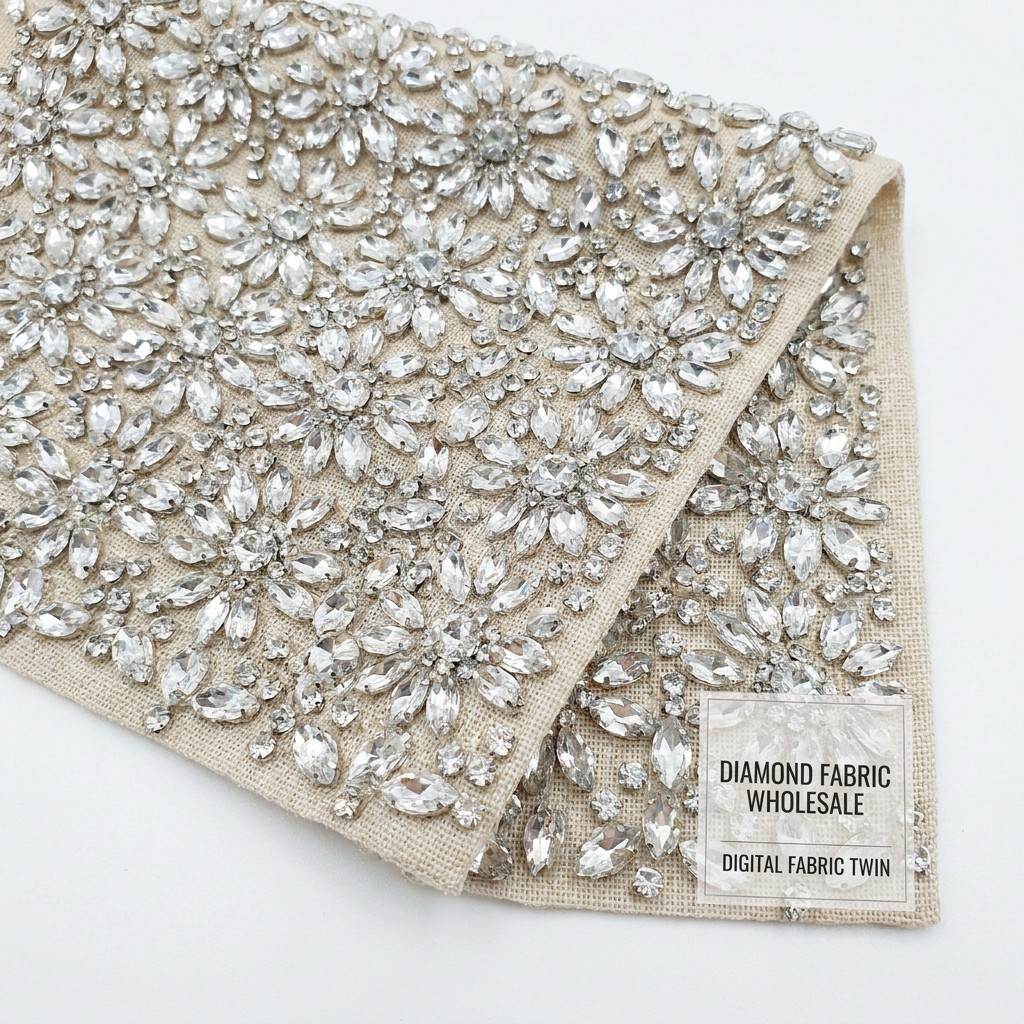
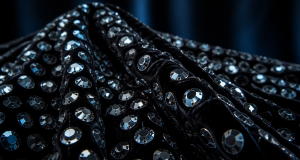
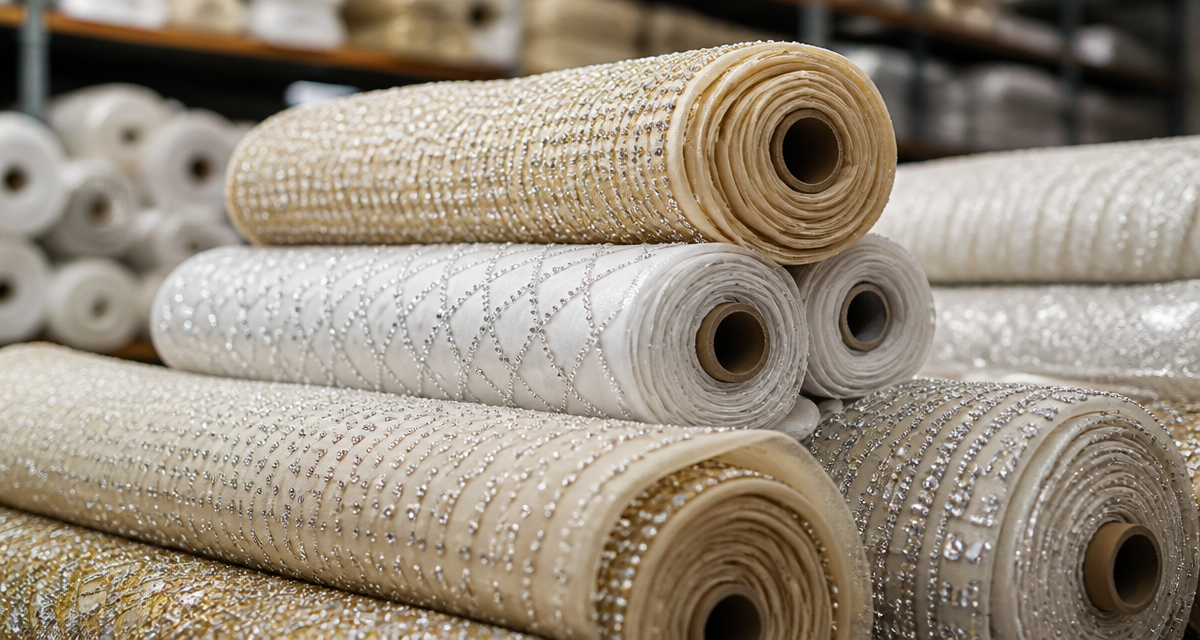
Diamond fabric — a base textile embellished with rhinestone-style stones, applied by hot-fix, glue, or stitching — sits at the premium end of the embellished textile market. Buyers use it for evening gowns, bridal wear, pageant costumes, and accessories where the surface finish is the product.
The risk profile is different from plain fabric. A defect is visible from across a room: missing stones, crooked alignment, cloudy stones, or stones that shed after a single wear. That is why experienced buyers treat sourcing as a technical exercise, not a price negotiation.
The Three Things That Define Diamond Fabric Quality
1. Weight and construction. A heavier base fabric — for example mesh or tulle from 60 gsm upward, or a lined knit — holds stones more securely and drapes predictably. Ask for the gram weight per square metre and the fibre composition of the base. Both belong on your spec sheet, not in an email thread.
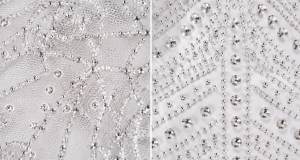
2. Stone quality and setting. Are stones faceted, uniformly sized, and aligned in a consistent pattern? Check stone density (stones per square metre) and how the stones are attached — hot-fix, glued, or sewn. Each method carries different durability and cost implications.
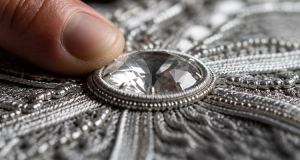
3. Adhesion and retention. Stones that survive shipping but fail on the first wear are a returns problem waiting to happen. A simple pull or rub test during sample review tells you more than any brochure. Many suppliers reference a peel-force test in newtons — with 5.5N a commonly cited commercial benchmark — so ask whether their QC actually runs it.
The Adhesion Test You Should Run on Every Sample
Order a sample, then test it. A basic field test takes five minutes: gently pull at a 45-degree angle on a row of stones, rub the surface against itself, and bend the fabric along the fold lines a garment will see. If stones release under moderate force, the production batch will almost certainly shed in transit or during wear. For a more rigorous check, ask the supplier for adhesion test data on the production lot, not just the sales sample.
Factory vs. Middleman: Where Your Margin Goes
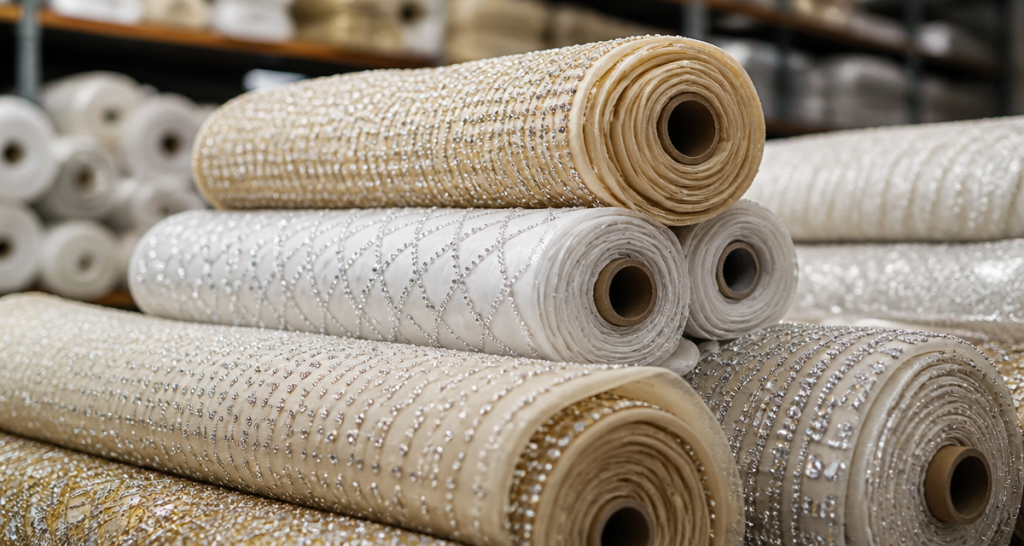
A direct diamond material supplier with in-house production controls the full chain: base fabric, stone sourcing, application, and QC. A trading company adds a layer of margin, longer communication loops, and less visibility into production quality. That said, some middlemen earn their margin through genuine inspection and export-handling value. The practical test is simple: ask for production-line photos or video of the actual batch, request lot-specific test data, and visit the factory — or commission a third-party inspection — if volumes justify it. If the supplier hesitates, that is your answer.
What Actually Drives the Price of Diamond Fabric
- Stone quality and size: larger, better-faceted stones cost more per metre.
- Stone density: more stones per square metre means more material and labour.
- Base fabric: premium bases such as silk blends, stretch mesh, and lined knits command a premium.
- Application method: hand-applied and precision machine-applied stones differ in cost.
- Pattern complexity: custom layouts require new tooling and slower production.
- Order volume: unit price improves with volume, but MOQ varies by supplier — confirm it before you design a range around a price.
How to Brief a Supplier and Get Comparable Quotes
Send the same complete brief to every candidate supplier: fibre content and weight of the base, stone size and material, pattern reference, application method, intended end use, target price, and estimated annual volume. Then compare like for like. A quote is only comparable if the spec is identical.
Conclusion
Wholesale diamond fabric buying rewards discipline. Define your spec, test your samples, and verify the factory behind the quote. Do that, and you will pay a fair price for a product that protects your brand instead of threatening it.
FAQ
Q: What is the MOQ for wholesale diamond fabric?
A: MOQ varies by supplier, stone density, and pattern complexity. Most mills quote from roughly 50 to 500 metres per colourway, but the exact number is confirmed after your spec is reviewed.
Q: How long does a production order take?
A: Lead time is confirmed after sampling. A typical range is 15-45 days depending on base fabric availability, pattern tooling, and order size — always verify the timeline against your confirmed sample.
Q: Can I order a sample before committing?
A: Yes. Most reputable suppliers offer sample lengths, sometimes free with freight charged, sometimes paid. Always validate adhesion and colour against your intended end use.
Q: How do I know if a supplier is a factory or a trader?
A: Ask directly, request production photos and lot-specific QC data, and consider a third-party inspection. Transparency on these points is a reliable signal.
Q: Can you match a specific stone size or layout?
A: In most cases yes, if the stone is a standard size and the volume supports tooling. Confirm feasibility before bulk production.
Get a Sample-Based Quote
Send your spec sheet and target stones to our sourcing team for a sample-based quote. We will confirm MOQ, lead time, and adhesion data for your exact construction — before you commit.
Related Sourcing Resources
- Diamond Fabric Wholesale – Diamond Material Fabric Supplier
- Diamond Fabric Wholesale – Rhinestone Embellished Textile
- Diamond Beading Fabric Wholesale – Luxury Diamond Bead Textile
- 15mm Diamond-Cut Sequin Fabric Wholesale – Haute Couture & Evening Gown
Sourcing note: MOQ varies by product and customization. Confirm the exact minimum, lead time, and sample details with our team after your specification is reviewed.