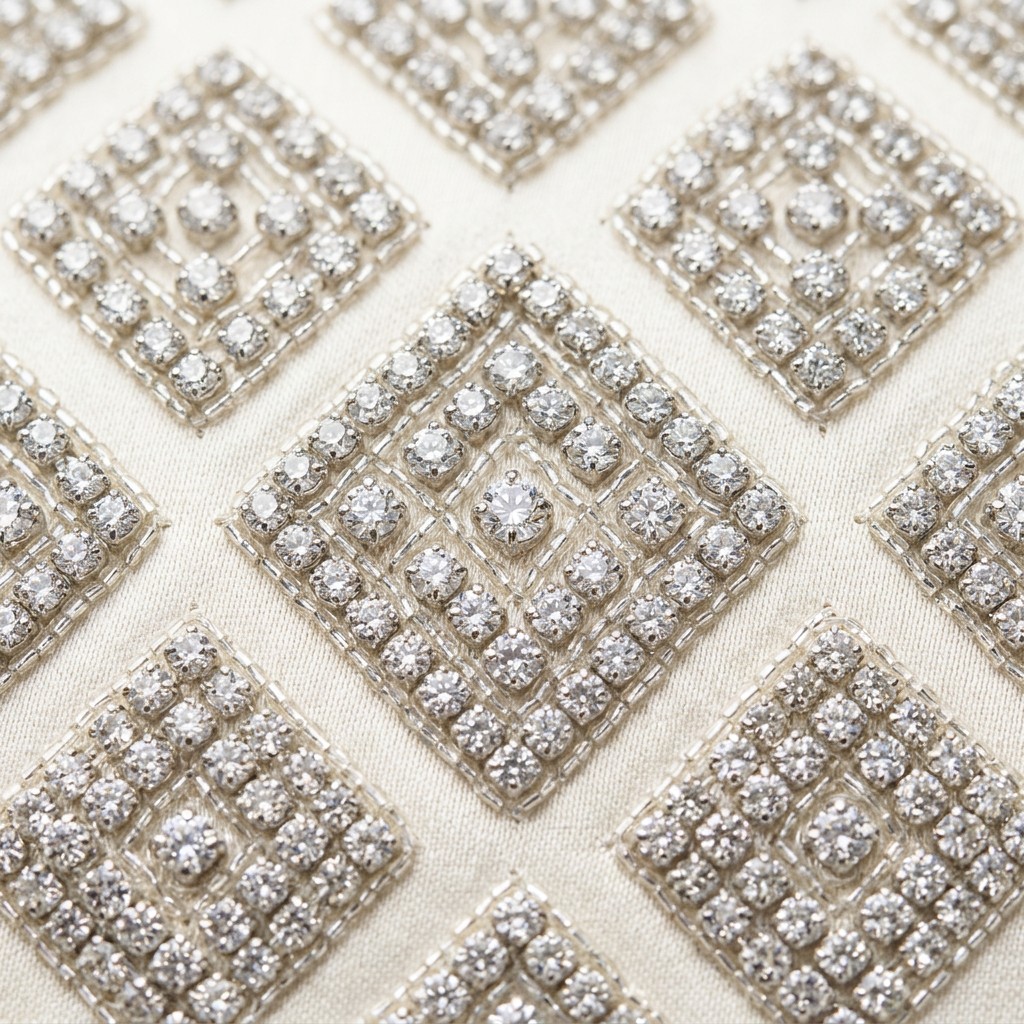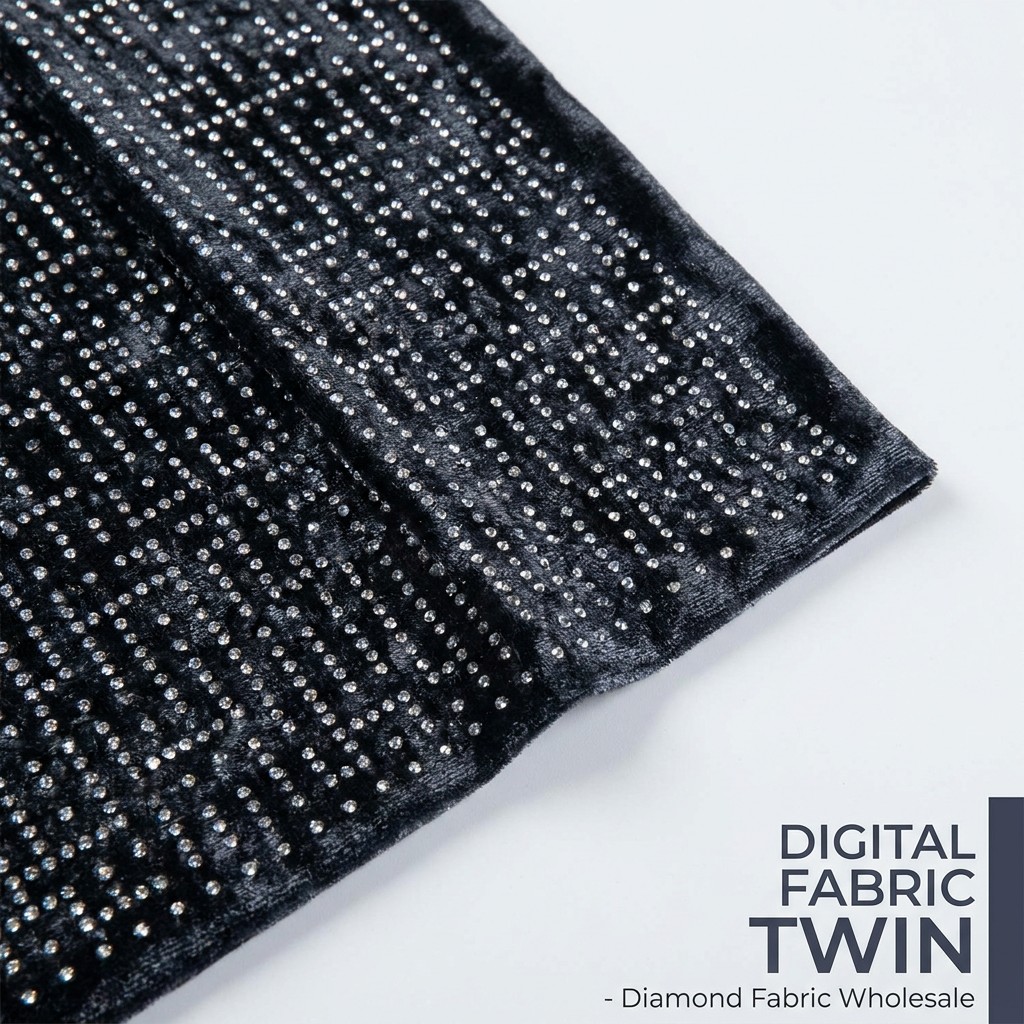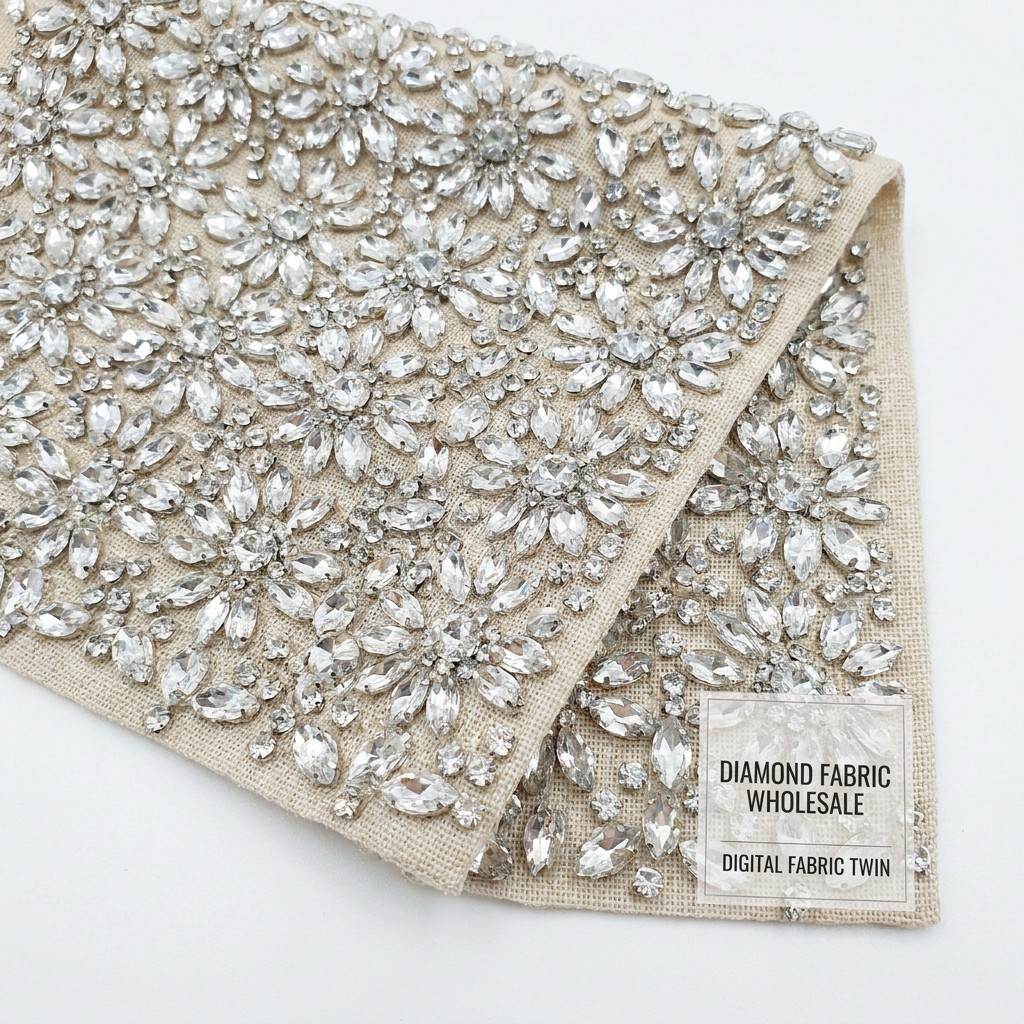
Runway looks for AW26/27 are leaning into scale, light, and movement — and at the centre of that shift is the 15mm diamond-cut sequin. Here is why designers are choosing it, and how to use it commercially.
What Is a Diamond-Cut Sequin — and Why 15mm?
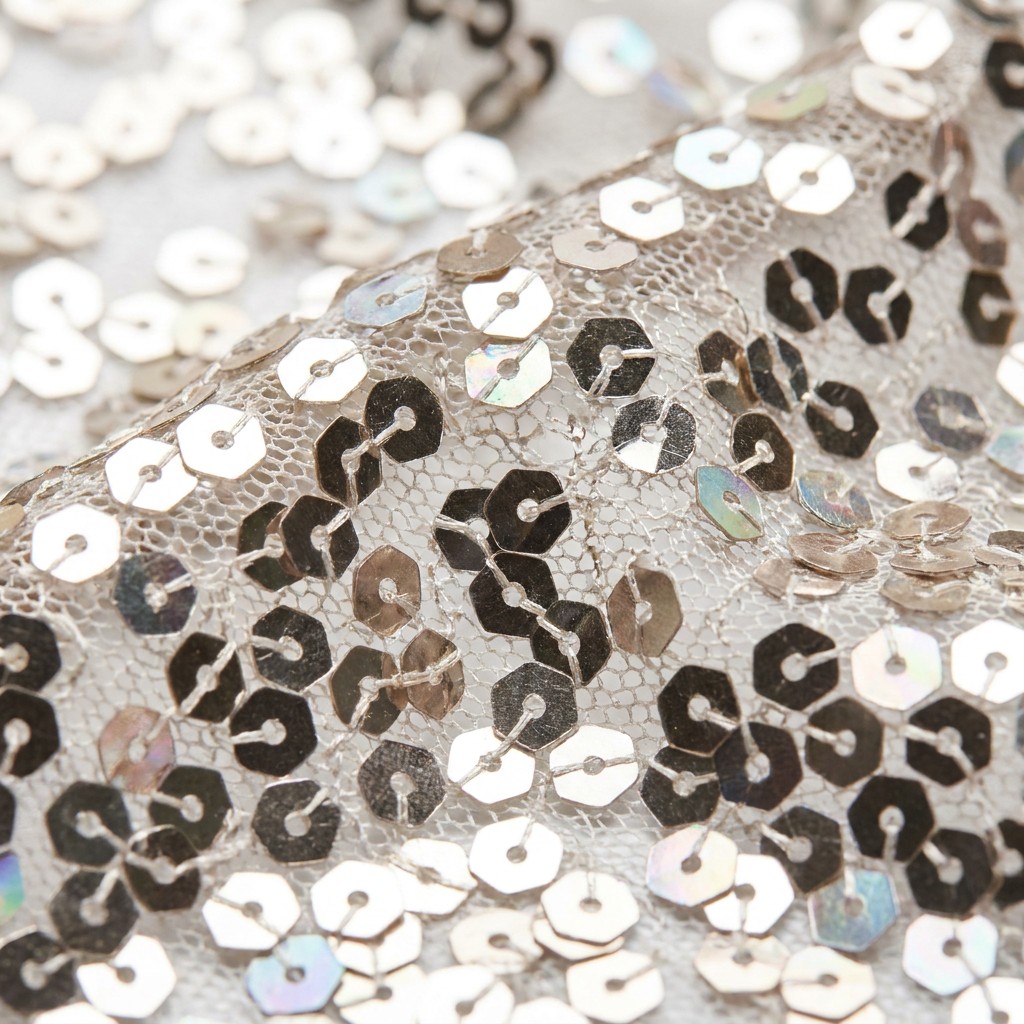
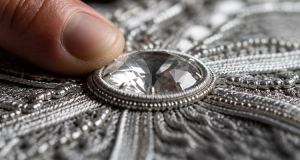
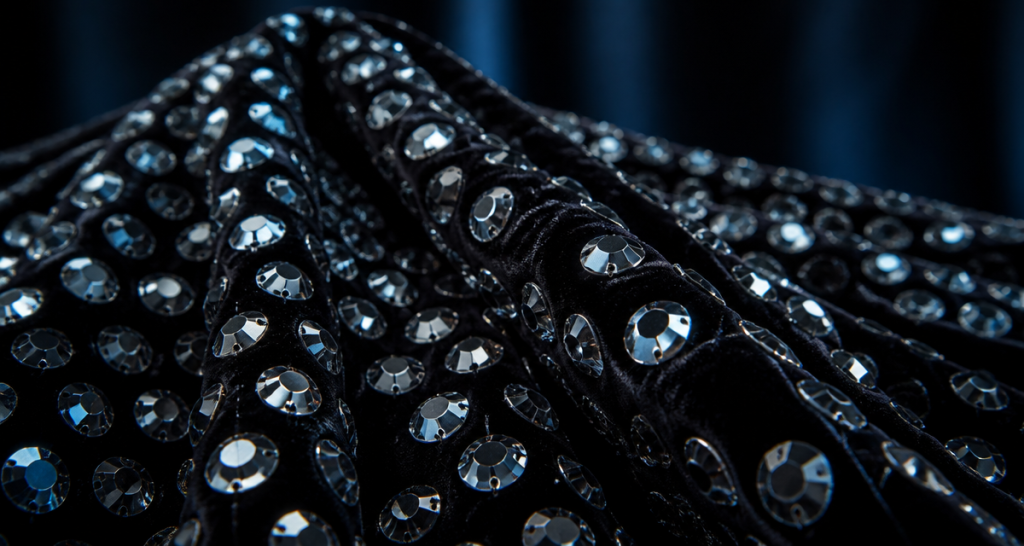
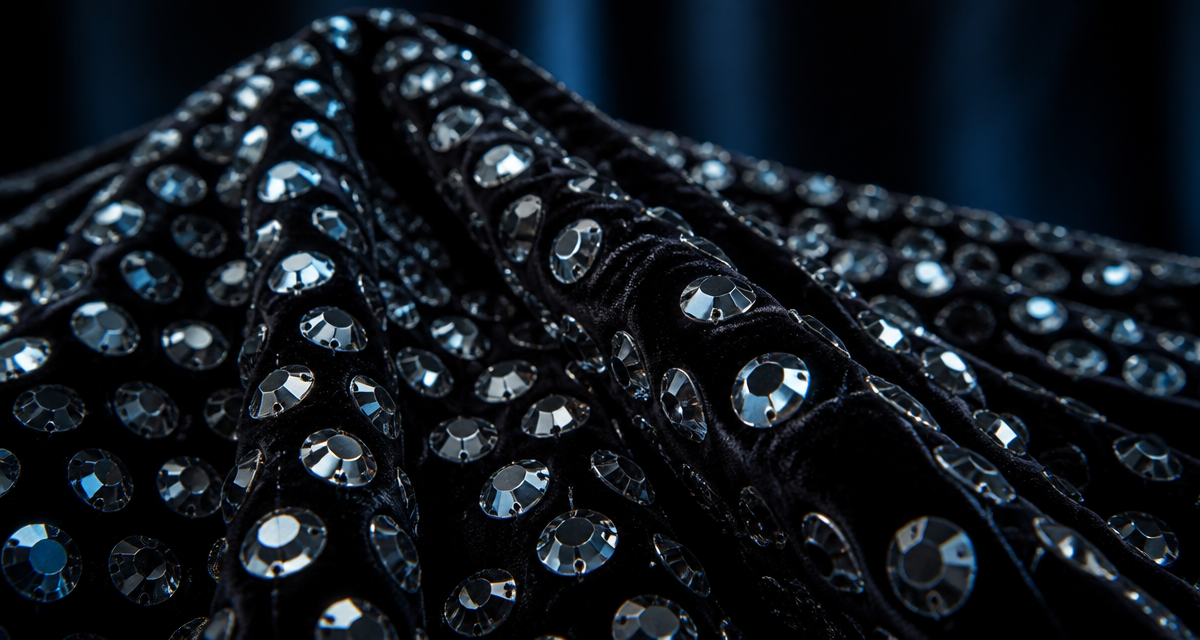
A diamond-cut sequin is machine-faceted so each flat surface catches light from multiple angles, creating a sparkle closer to a cut stone than a flat coin sequin. The 15mm size sits at a sweet spot: large enough to read as a deliberate design statement from the front row, small enough to drape and move naturally. Compared with the dense 3-6mm micro-sequin field, 15mm pieces change the visual rhythm of a gown — fewer, larger points of light instead of a glitter dusting.
The AW26/27 Runway Direction: Light, Movement, and Scale
Collections shown for AW26/27 point consistently toward controlled drama: deep metallics, noir-inspired palettes, and surfaces that come alive in motion rather than static flat shine. Diamond-cut sequins fit this brief precisely. The faceted surface produces a twinkle with every step, which reads as expensive on camera and even more so in person. Designers in this space are using 15mm sequins three ways: full coverage for showpiece gowns, gradient placements that concentrate sparkle at the bodice or hem, and accent panels over matte bases to create deliberate contrast.
Why Scale Changes the Garment's Economics
Full-coverage sequin fabric is priced by sequin density and base quality — and 15mm stones cover a given area with fewer pieces than smaller sizes. That changes both the cost structure and the production speed of a gown. Fewer, larger sequins can also mean less abrasion stress on seams and simpler decisions on finishing. For a buyer, the practical consequence is a premium look at a more controllable cost per gown than ultra-dense micro-sequin treatments.
Translating the Trend into a Commercial Collection
Runway inspiration needs an edit before it reaches a retail price point. Practical moves: use 15mm diamond-cut sequins for bodices and sleeves with a plain or textured base below; reserve full coverage for capsule pieces; and let sequin weight sell itself — a 15mm sequin gown moves with the body, which is exactly what modern evening-wear customers are asking for. Pair the fabric with fluid cuts and minimal construction so the surface, not the silhouette, does the talking.
Sourcing Runway-Ready Diamond-Cut Textiles
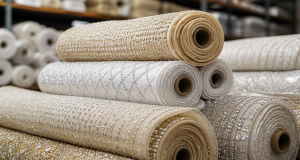
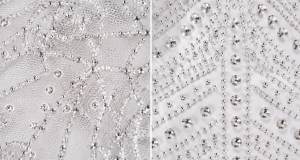
For a luxury diamond textile with this much specificity, sample early and check three things: consistent sequin alignment across the roll, secure attachment on seams and folds, and colour fastness of the faceted coating. Confirm sequin density in your spec, request adhesion data, and verify MOQ and lead time against your launch calendar. Sampling first is the only reliable way to protect a seasonal deadline.
How to Merchandise the Trend Across Price Points
The 15mm sequin works at multiple tiers if you control the variables. At accessible price points, use the sequin on bodices, collars, and cuffs with a plain crepe or satin base. At premium tiers, go full coverage on fluid silhouettes in matched colourways. In bridal, the trend appears in reception dresses and second looks, where movement matters more than tradition. The merchandising rule is consistent: let the sequin be the only statement, and price the garment around the fabric rather than around heavy construction labour. Buyers should also ask suppliers for the same design in different densities — a low-density version keeps the trend accessible, while a high-density version covers the statement piece.
Conclusion
The 15mm diamond-cut sequin is not a novelty; it is a structural shift in how evening wear uses light. For designers and buyers who act on it now, it is a chance to lead a season instead of following one.
FAQ
Q: Are 15mm diamond-cut sequins suitable for all gown silhouettes?
A: They work best on fluid, structured, and column silhouettes where movement is visible. Dense gathers and micro-pleats can overwhelm large sequins — test on your pattern first.
Q: Do larger sequins cost more than smaller ones?
A: Not necessarily. Price depends on sequin quality, base fabric, and density. Because 15mm pieces cover more area per sequin, density-driven costs can be lower than micro-sequin equivalents.
Q: How should 15mm sequin gowns be cared for?
A: Professional dry cleaning is standard for sequin evening wear. Confirm the coating's solvent resistance with your supplier before production.
Q: Can diamond-cut sequins be supplied in custom colours?
A: Custom colouring is possible in many cases, subject to minimums and coating feasibility. Confirm colour options and MOQ during sampling.
Q: What lead time should I plan for AW26/27 sequin fabric?
A: Plan conservatively: 1-2 weeks for sampling, then production confirmed after sample approval — typically 3-6 weeks depending on volume, base fabric, and sequin availability.
Sample the Trend Before You Commit
Building an AW26/27 evening range? Request our 15mm diamond-cut sequin sample set with density, adhesion, and lead time data — then decide with facts, not guesswork.
Related Sourcing Resources
- Diamond Fabric Wholesale – Diamond Material Fabric Supplier
- Diamond Fabric Wholesale – Rhinestone Embellished Textile
- Diamond Beading Fabric Wholesale – Luxury Diamond Bead Textile
- 15mm Diamond-Cut Sequin Fabric Wholesale – Haute Couture & Evening Gown
Sourcing note: MOQ varies by product and customization. Confirm the exact minimum, lead time, and sample details with our team after your specification is reviewed.