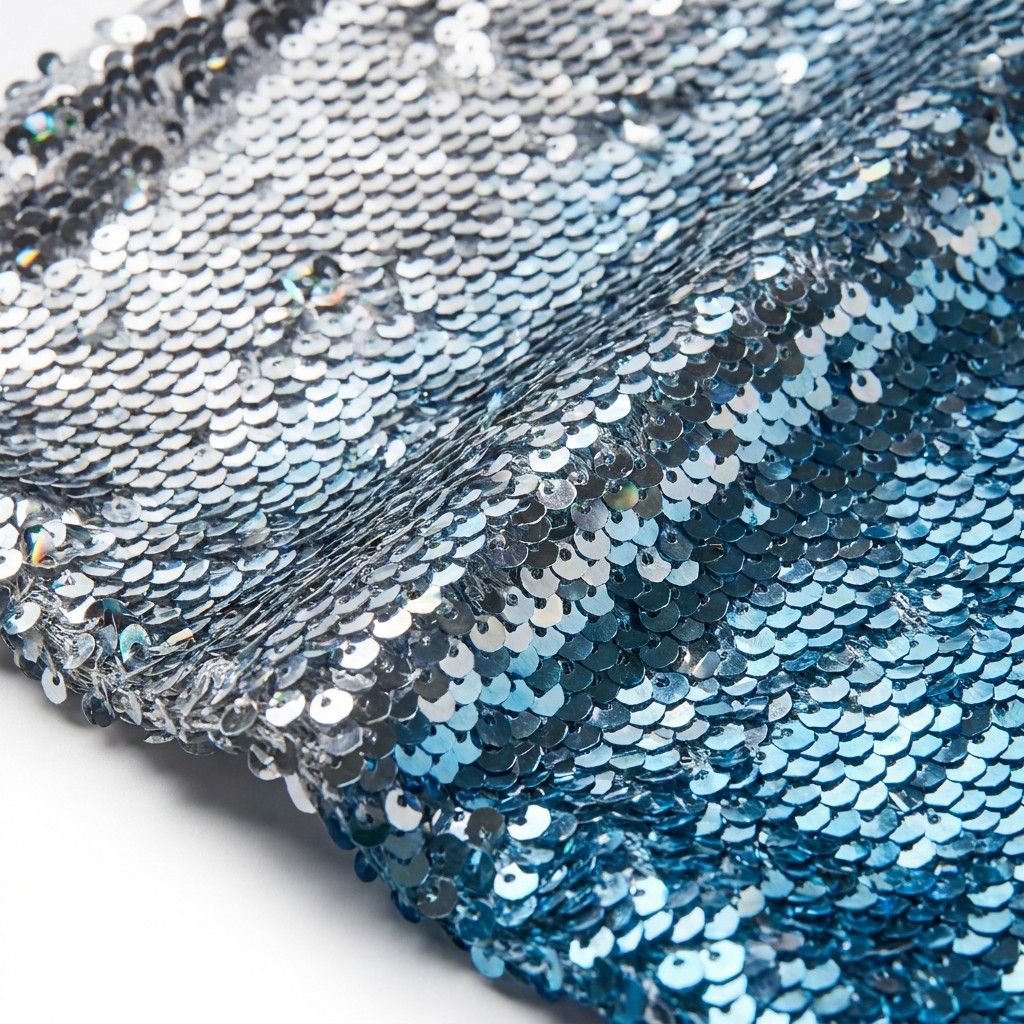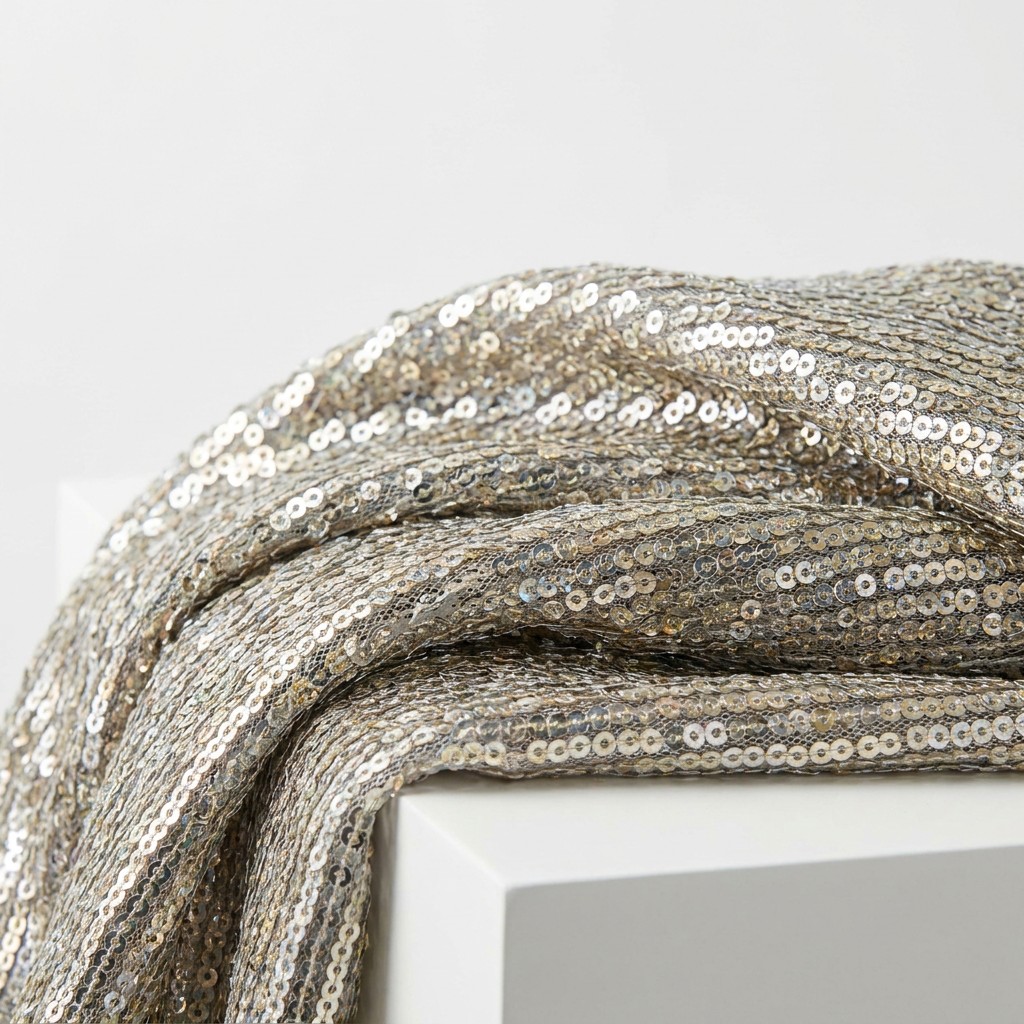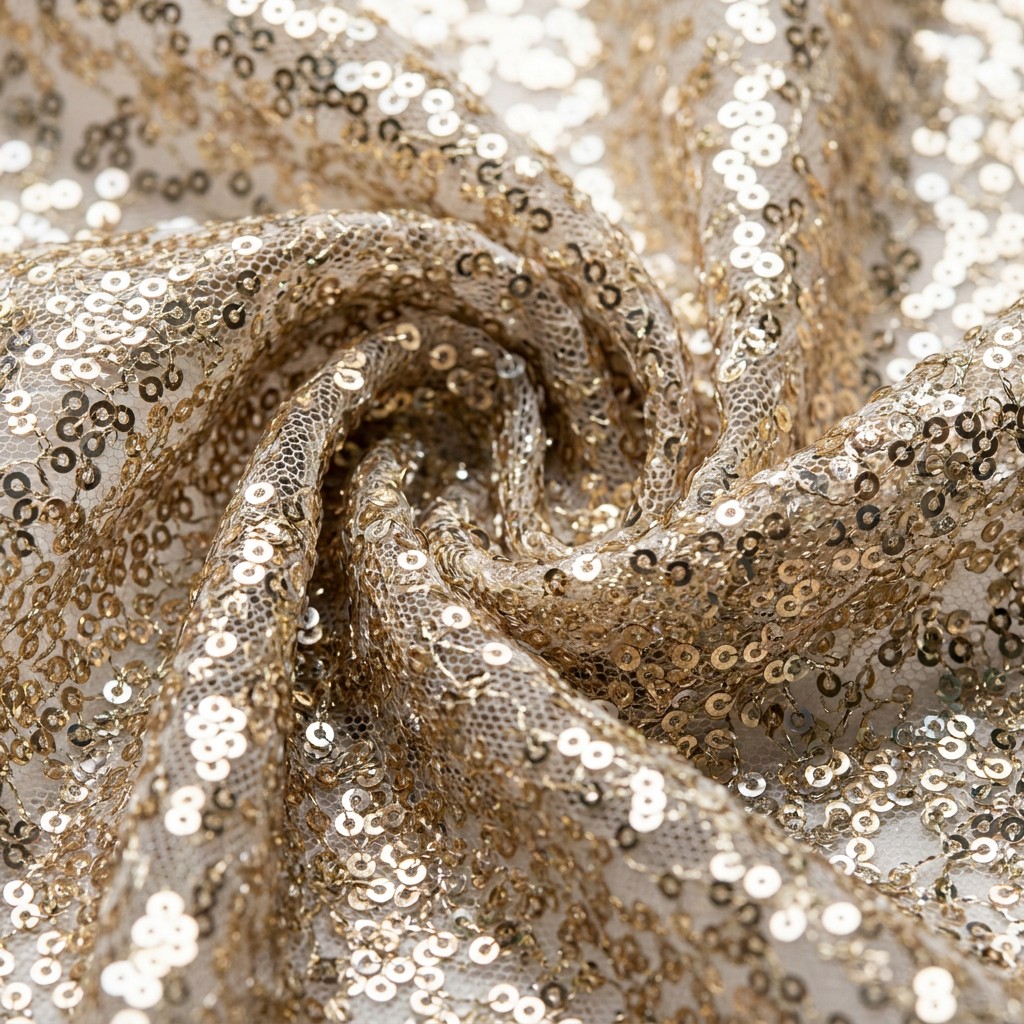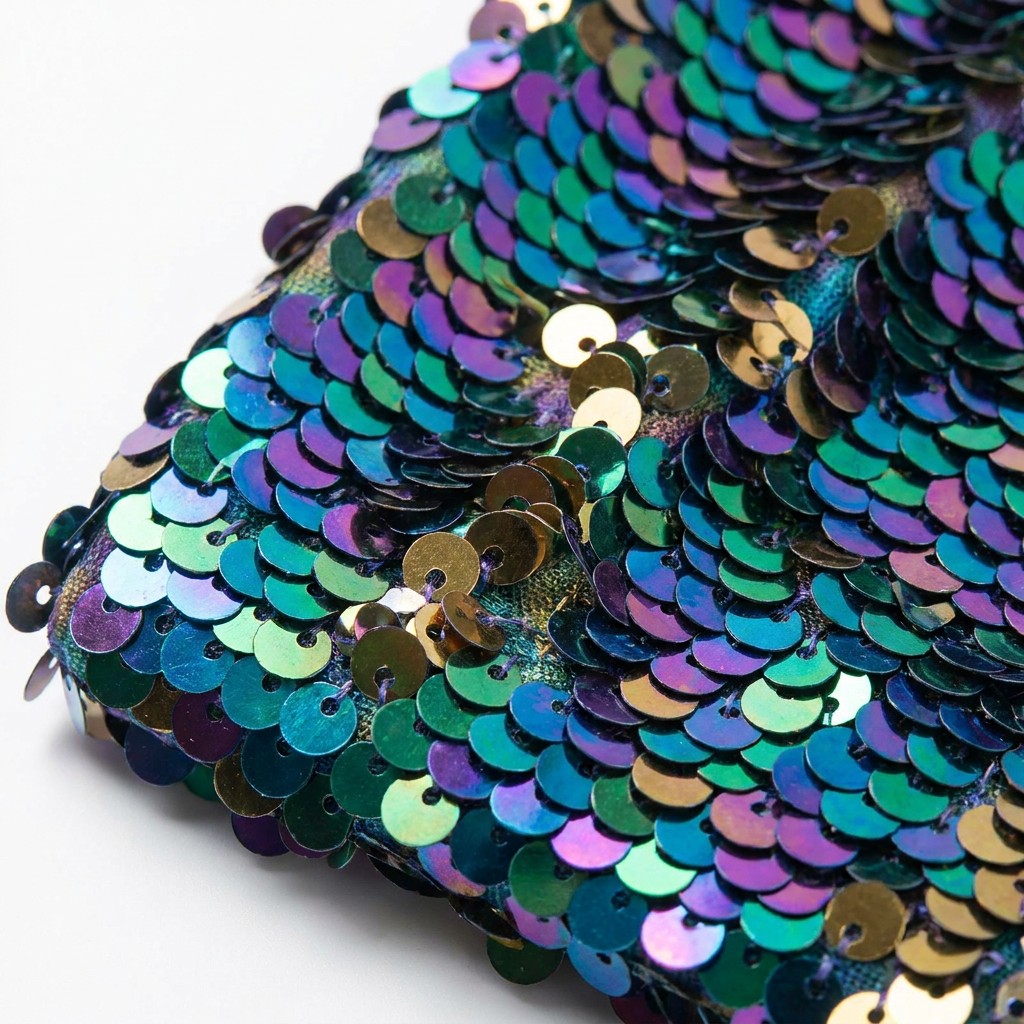
For fashion brands, interior studios, textile wholesalers, and product development teams, a fabric sample is only one part of a successful sourcing decision. A clear fabric supplier documentation pack helps buyers compare materials, record approvals, and communicate changes before a wholesale order moves forward. It also gives a supplier a more precise understanding of the buyer’s intended use and quality expectations.
Why a documentation pack matters in B2B fabric sourcing
Decorative fabrics can look very different under studio lighting, in a product photograph, or in a finished application. Embroidery density, sequin attachment, ground-fabric stability, usable width, hand feel, and finishing all influence how a fabric performs. A structured document set turns these details into a shared reference instead of leaving important decisions in informal messages.
This approach is especially useful when several people are involved in a project. A designer may focus on color and pattern, a buyer may compare specifications and price, and a production team may need clear instructions for cutting or finishing. One approved reference helps keep these conversations aligned.
What to include in a supplier documentation pack
1. Product identity and intended use
Begin with a working product name, reference code, end use, and target market. Explain whether the fabric is intended for apparel, curtains, cushions, decorative panels, stagewear, or another application. The end use affects which details should receive the most attention during sampling.
2. Technical specification summary
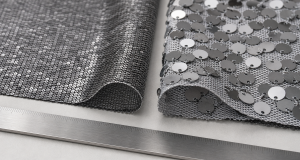
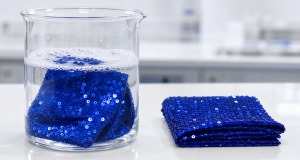
Record composition, finished GSM, usable width, base fabric, surface construction, hand feel, drape, and finishing. For embroidered or sequin fabrics, describe the pattern repeat, surface density, thread or sequin appearance, and any areas that require special review. These details form the technical foundation of a B2B fabric sourcing checklist.
3. Color and visual references
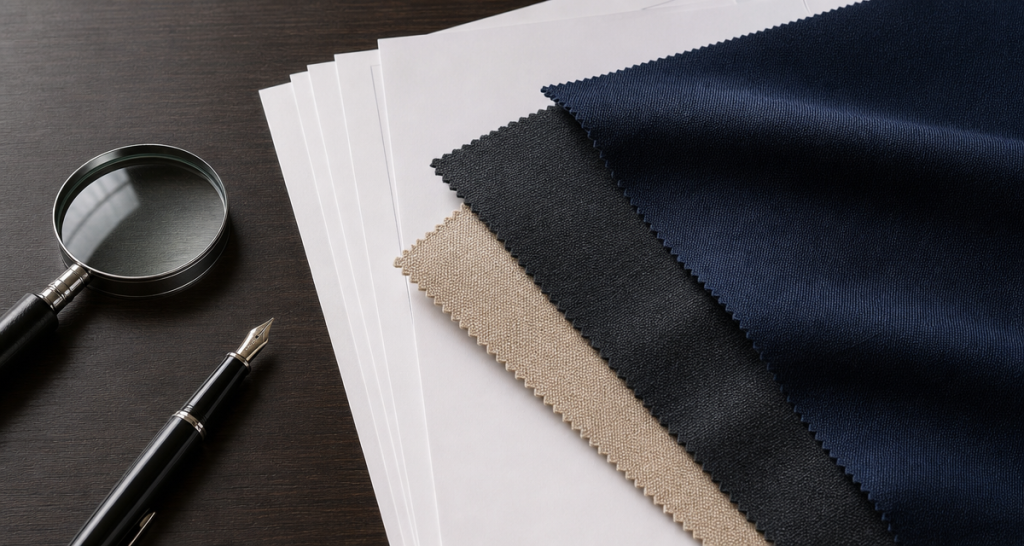
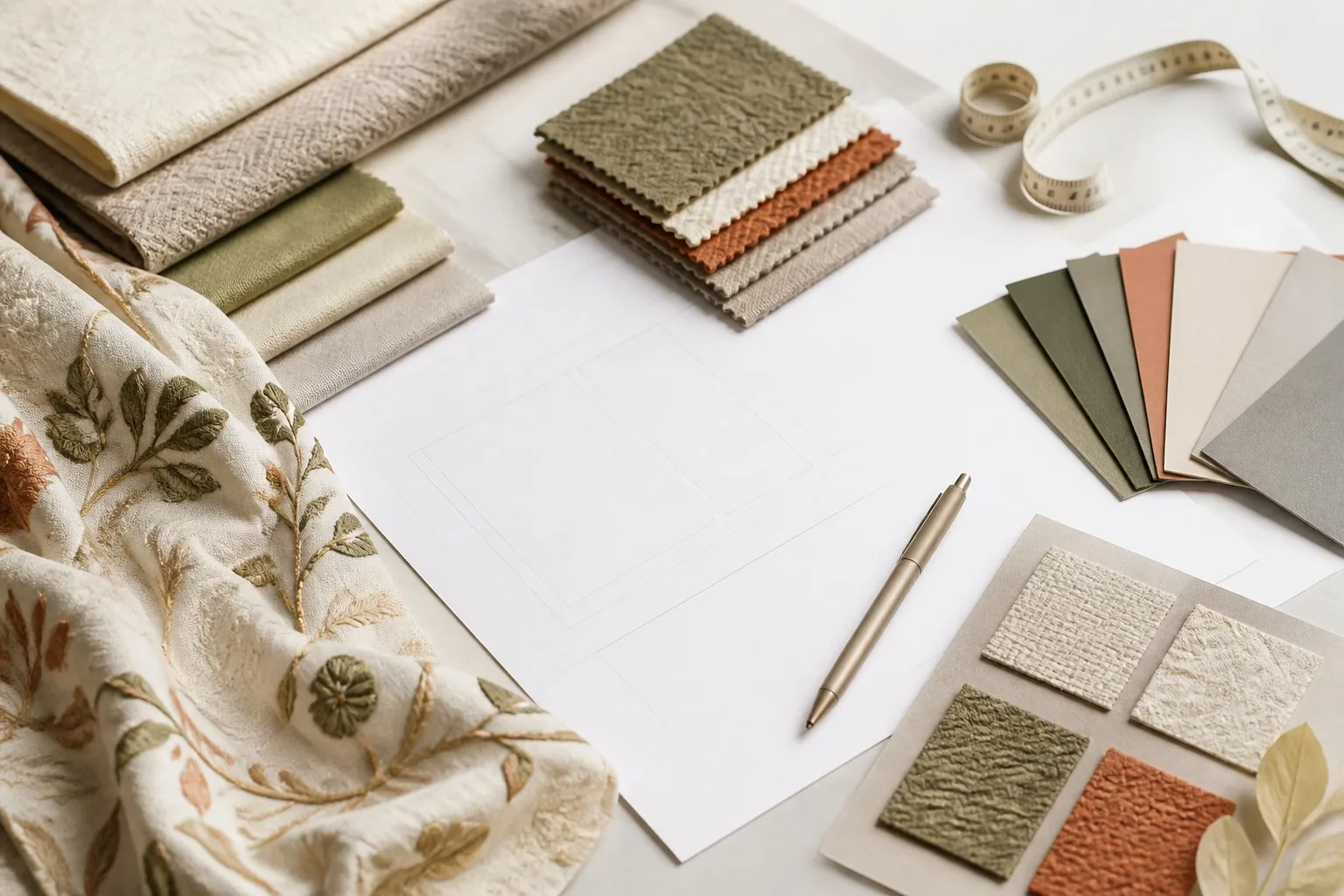
Attach color references, artwork, inspiration images, or a physical swatch when available. Screen colors can vary between devices, so a physical reference is useful for approval. If the project includes multiple colors, identify the main ground color, decorative color, and acceptable direction for any development adjustment.
4. Sample approval record
Keep a record of the sample date, version, changes requested, and final approval status. If the base fabric, embroidery scale, thread color, sequin size, or finishing changes, create a new version rather than relying on an old image. Clear version control reduces confusion when a project is discussed again or repeated later.
How to run a practical textile sample approval process
- Share the end use, artwork, target color, and estimated quantity.
- Review the supplier’s proposed construction and technical questions.
- Receive and inspect physical samples under realistic lighting.
- Compare color, texture, width, GSM, drape, and surface attachment.
- Record requested changes and approve one reference version.
- Use the approved reference when discussing wholesale production.
This process does not replace the buyer’s own testing or compliance requirements. It creates a clearer communication path so that design and production decisions can be reviewed in the right order.
Questions to ask a custom fabric development partner
Ask how samples are identified, how changes are documented, how specifications are confirmed, and how inspection information is communicated. Buyers can also ask which details should be checked before a repeat order and how an approved reference is used in future discussions. A reliable wholesale fabric supplier should be willing to clarify these practical points rather than relying only on general product descriptions.
Factory-direct support for international buyers
Yunfan Textile supports B2B buyers sourcing embroidery fabrics, sequin fabrics, decorative textiles, and related home textile materials. Our team can review reference images, discuss sample requirements, and help buyers organize the information needed for custom fabric development. The buyer remains responsible for final technical approval, while clear communication helps both sides work from the same reference.
Explore our embroidery fabric collection and sequin fabric collection. For sample requests, custom development, or project questions, visit our website consultation page.
A simple next step
Before requesting a quotation, prepare one concise brief with the end use, reference images, preferred construction, technical questions, and sample requirements. Then keep the approved sample and documentation together. This small discipline can make supplier comparisons more transparent and help a buyer move from creative direction to a repeatable fabric program.
Source Directly from Our Alibaba Store
Get factory-direct pricing, free samples, and Alibaba Trade Assurance protection.
Ready to organize your next fabric project? Contact Yunfan Textile for samples and customization support.
Contact Yunfan Textile for B2B Sourcing
🌐 Website: https://www.yunfantextile.com/
📌 B2B Contact: Jessie wendy
📱 WhatsApp/WeChat: +86 175 1619 6727 / +86 156 3752 5803
📧 Email: morris@yunfantextile.com
📧 Email: morris@yunfantextile.com