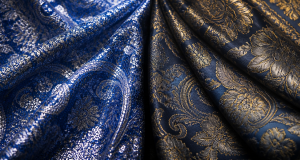
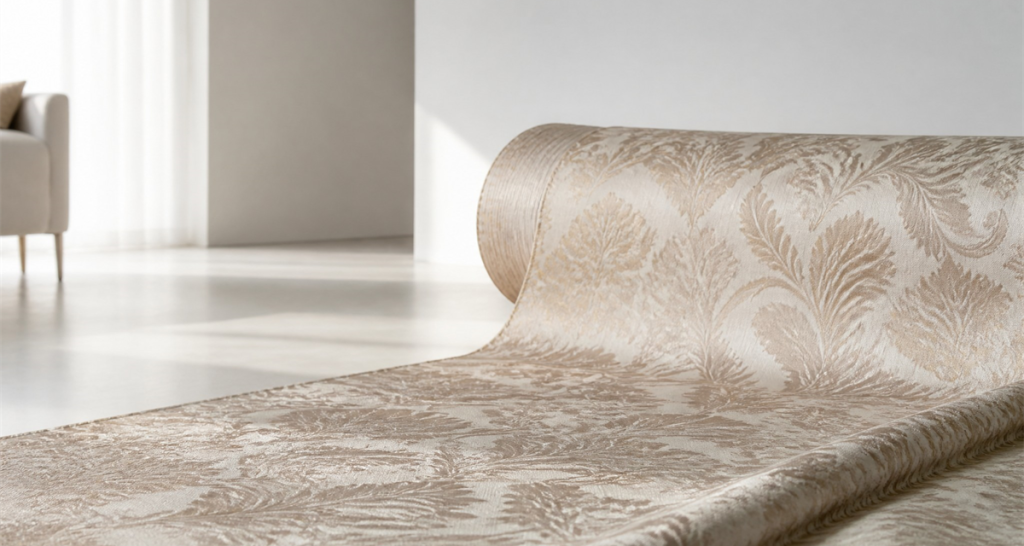
For fashion brands, interior studios, textile wholesalers, and product development teams, repeat orders become easier when fabric information is organized from the first sample. This is the practical value of textile traceability in B2B sourcing: not a complicated promise, but a clearer way to connect a fabric sample with its specification, project use, approval history, and future purchasing conversation.
Why fabric data matters after the first sample
A fabric sample can be attractive, but a repeat order depends on more than appearance. Buyers may need to confirm composition, finished GSM, usable width, surface construction, color direction, finishing, and intended application. If these details are scattered across messages, images, and spreadsheets, it becomes harder to identify the approved version later.
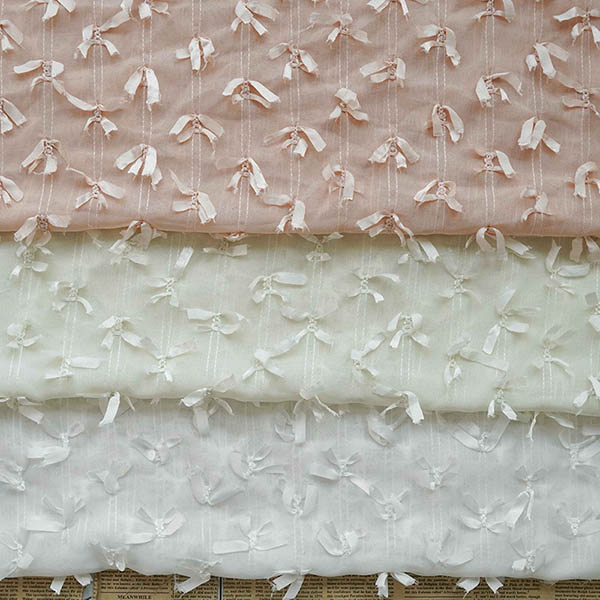
Organized records help buyers compare suppliers and reduce confusion between similar embroidered, sequin, jacquard, or decorative fabrics. They also make it easier for designers, purchasing teams, and production partners to work from the same reference.
What should a B2B fabric record include?
1. A clear sample identity
Give each sample a working name or reference code. Record the date received, the supplier contact, the intended end use, and any related project or collection. A simple identity system helps prevent a visually similar sample from being mistaken for the approved one.
2. Technical specifications
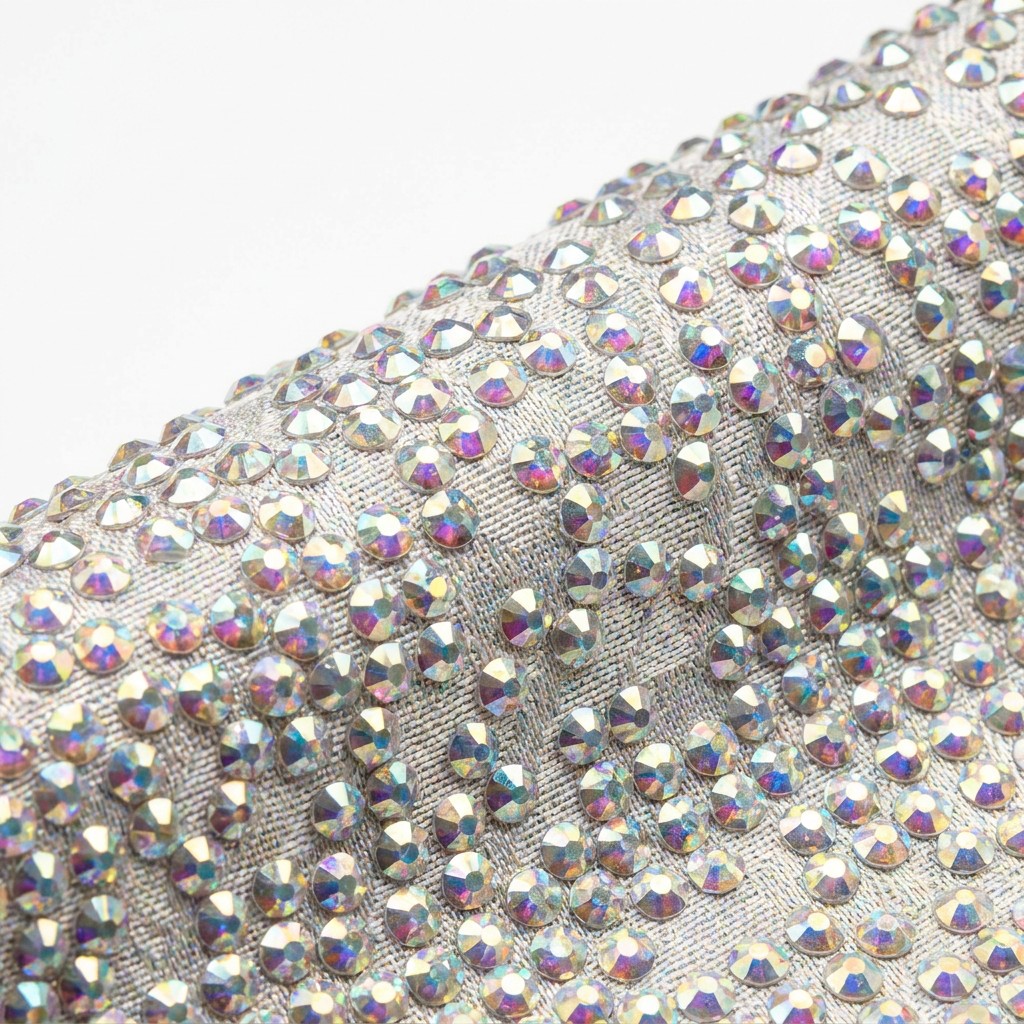
Keep the main fabric supplier data together: composition, finished GSM, usable width, base cloth, surface effect, hand feel, drape, and finishing. For embroidered and sequin materials, add notes about pattern repeat, attachment, density, and areas that need special review. These details help a buyer ask more precise questions before a wholesale order.
3. Visual and physical references
Save product photographs, artwork references, color cards, and the physical swatch where possible. Screen images can vary between devices, so a physical sample remains useful for color and hand-feel comparison. If several colorways are developed, label each version clearly and keep the approved reference separate from development options.
4. Approval and change history
Record what changed between sample versions. This may include a different ground fabric, thread color, sequin size, pattern scale, or finishing detail. A short change note can be more useful than a long message history because it shows which version was reviewed and what remains to be confirmed.
How digital fabric sourcing supports better decisions
Digital fabric sourcing can make early comparisons faster when files are named consistently and key specifications are easy to find. Buyers can create a simple folder for each project containing sample photographs, specification notes, quotation references, approval comments, and the latest supplier contact. Digital organization does not replace physical inspection; it supports a better transition from visual review to sample approval.
A practical textile sample records checklist
- Sample reference and date
- Supplier and project contact
- End use and target market
- Composition, GSM, usable width, and finishing
- Pattern, embroidery, sequin, or surface notes
- Color reference and approved physical swatch
- Requested changes and approval status
- Quotation or purchasing notes for future discussion
This checklist gives international buyers a more consistent way to evaluate a wholesale fabric supplier. It also helps identify missing information before a repeat order is discussed.
Factory communication and repeat-order preparation
Yunfan Textile supports international B2B buyers sourcing embroidery fabrics, sequin fabrics, decorative textiles, and related home textile materials. Our team can review reference images, discuss sample requirements, and clarify project information for custom fabric development. Buyers remain responsible for final technical approval, while a well-organized record helps both sides communicate from the same reference.
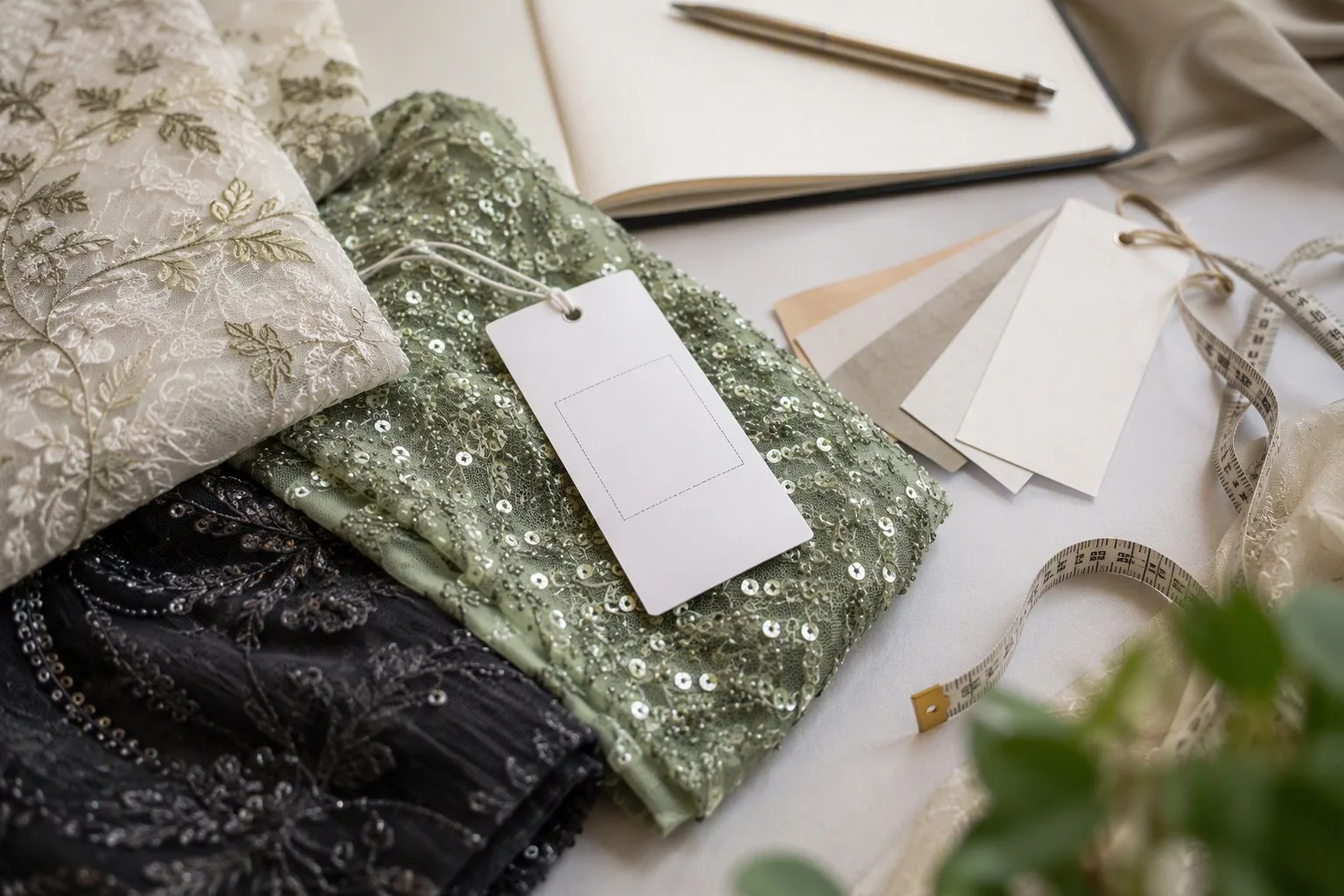
Explore our embroidery fabric collection and sequin fabric collection. For samples, custom development, or sourcing questions, visit our website consultation page.
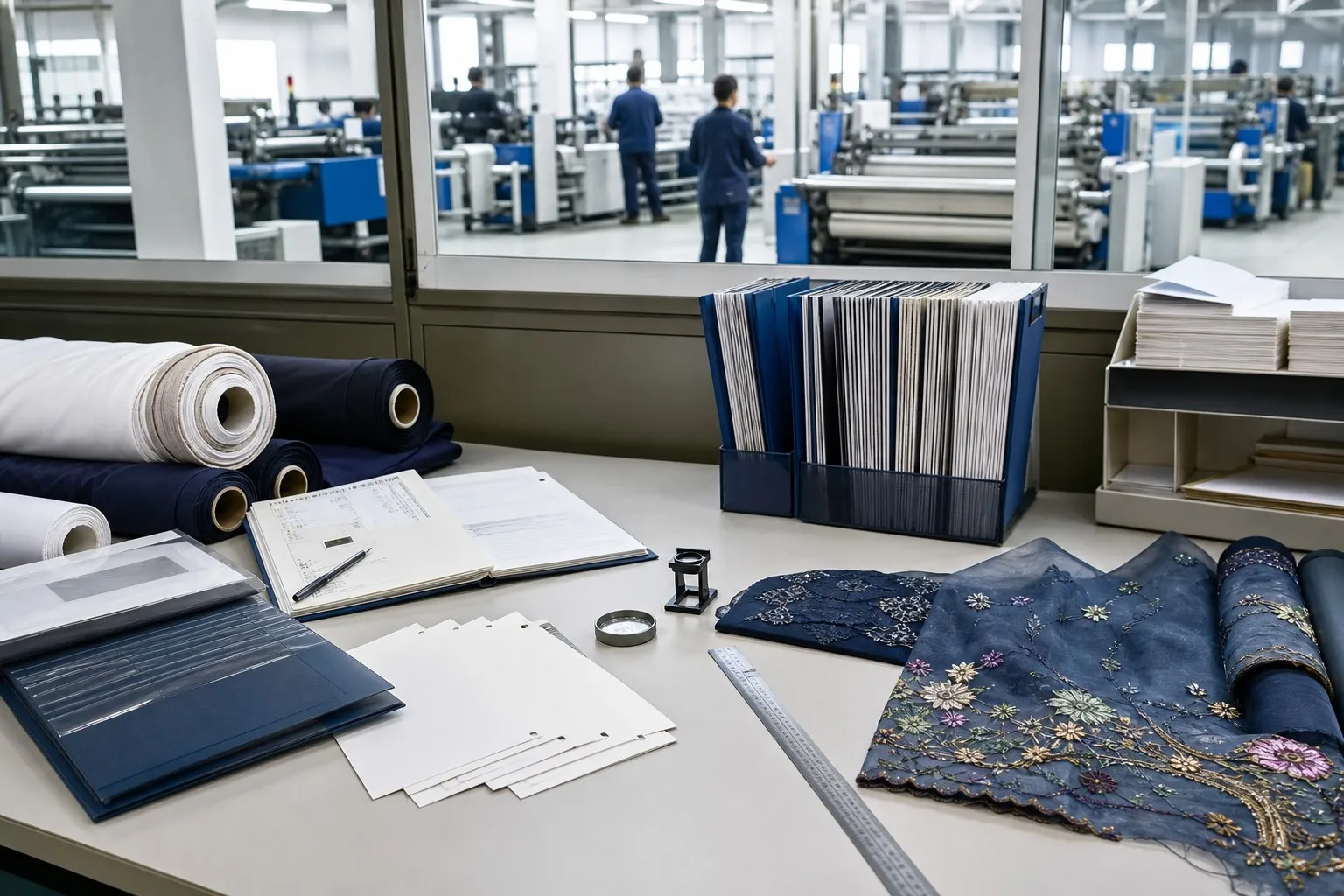
A simple next step
Start with the next fabric sample you receive. Give it a reference, save the technical details, photograph the surface, record any changes, and keep the approved swatch with the project notes. This small workflow can make future conversations more efficient and help your team build a more reliable fabric library over time.
Source Directly from Our Alibaba Store
Get factory-direct pricing, free samples, and Alibaba Trade Assurance protection.
Need help organizing your next fabric project? Contact Yunfan Textile for samples and customization support.
Contact Yunfan Textile for B2B Sourcing
🌐 Website: https://www.yunfantextile.com/
📌 B2B Contact: Jessie wendy
📱 WhatsApp/WeChat: +86 175 1619 6727 / +86 156 3752 5803
📧 Email: morris@yunfantextile.com
📧 Email: morris@yunfantextile.com