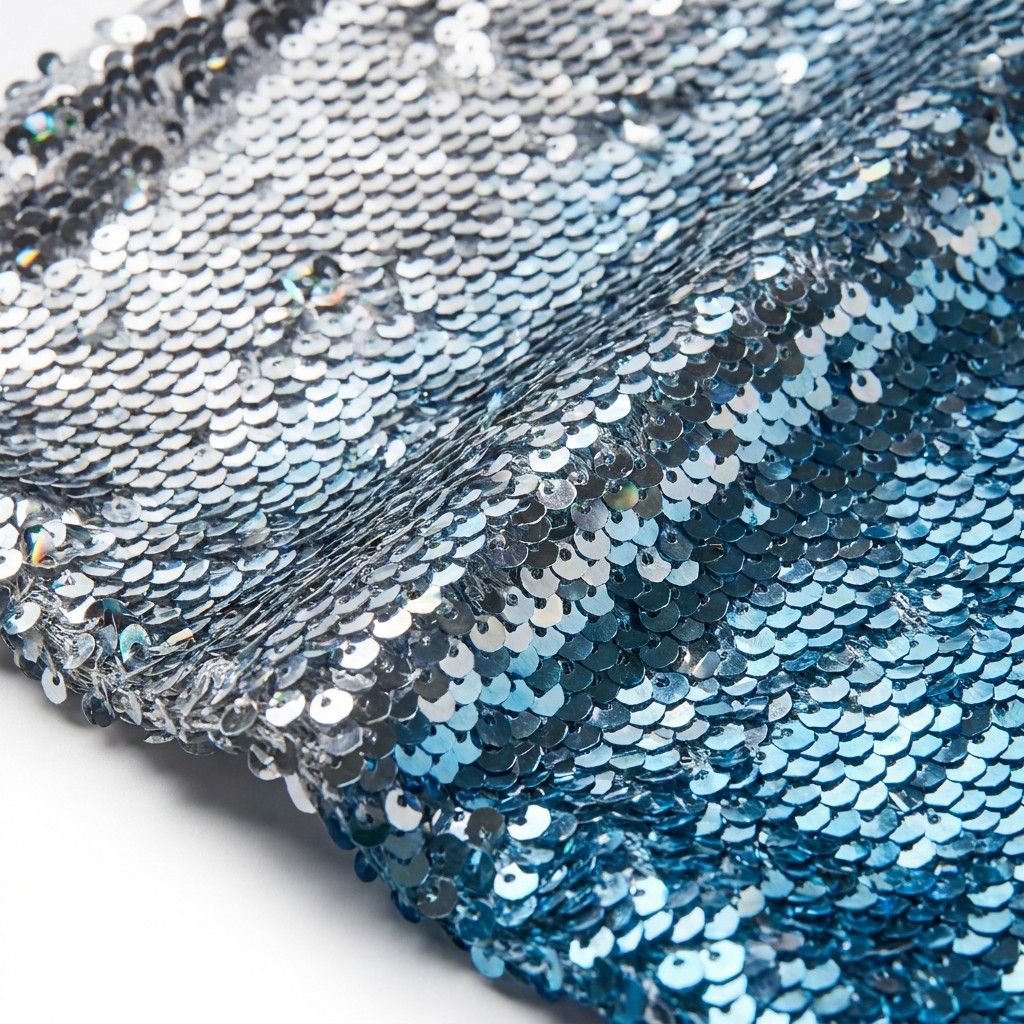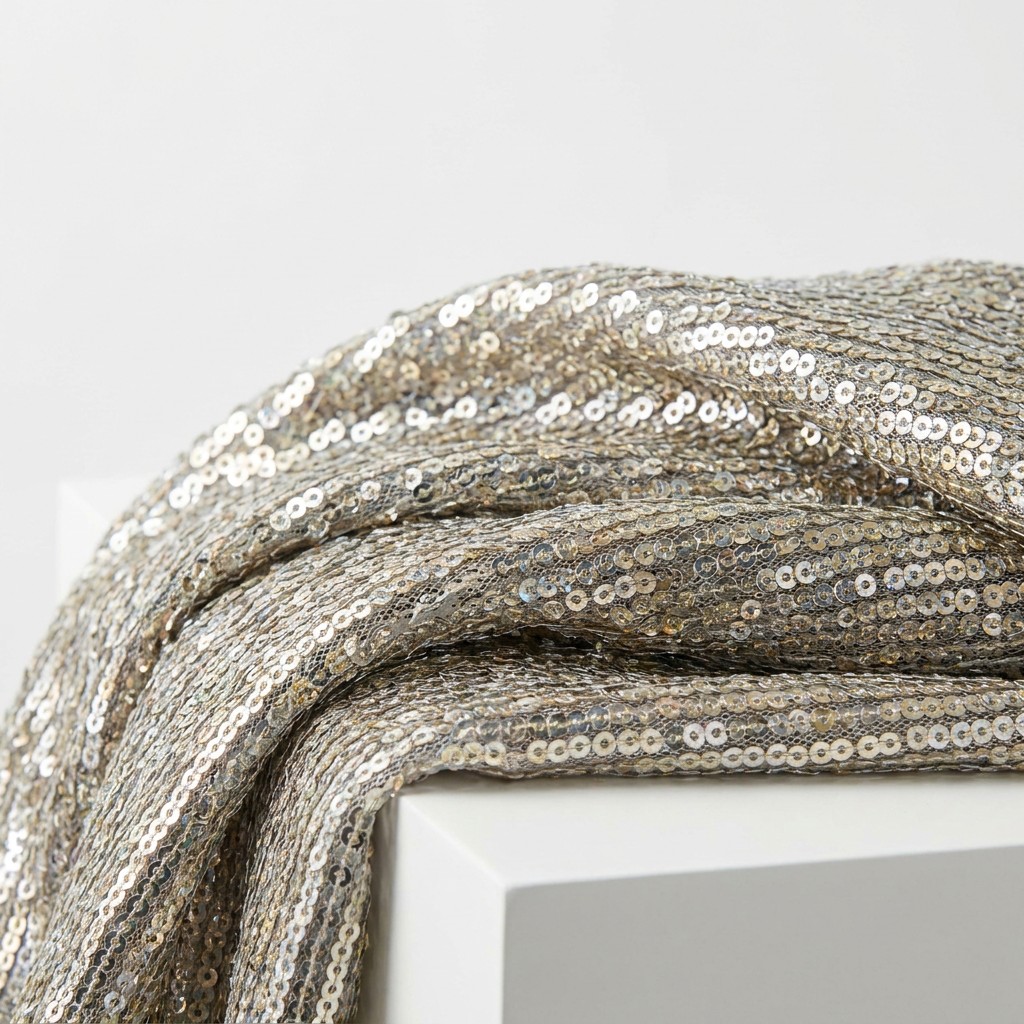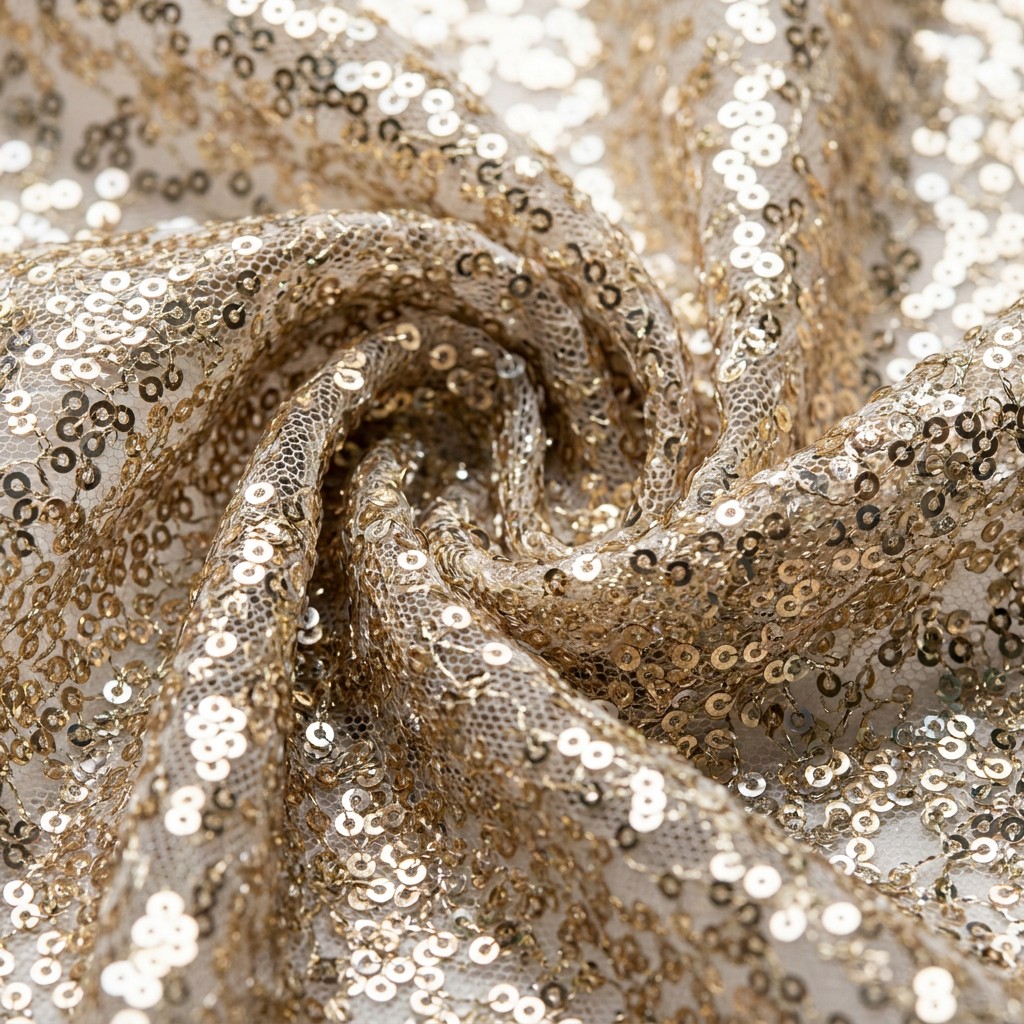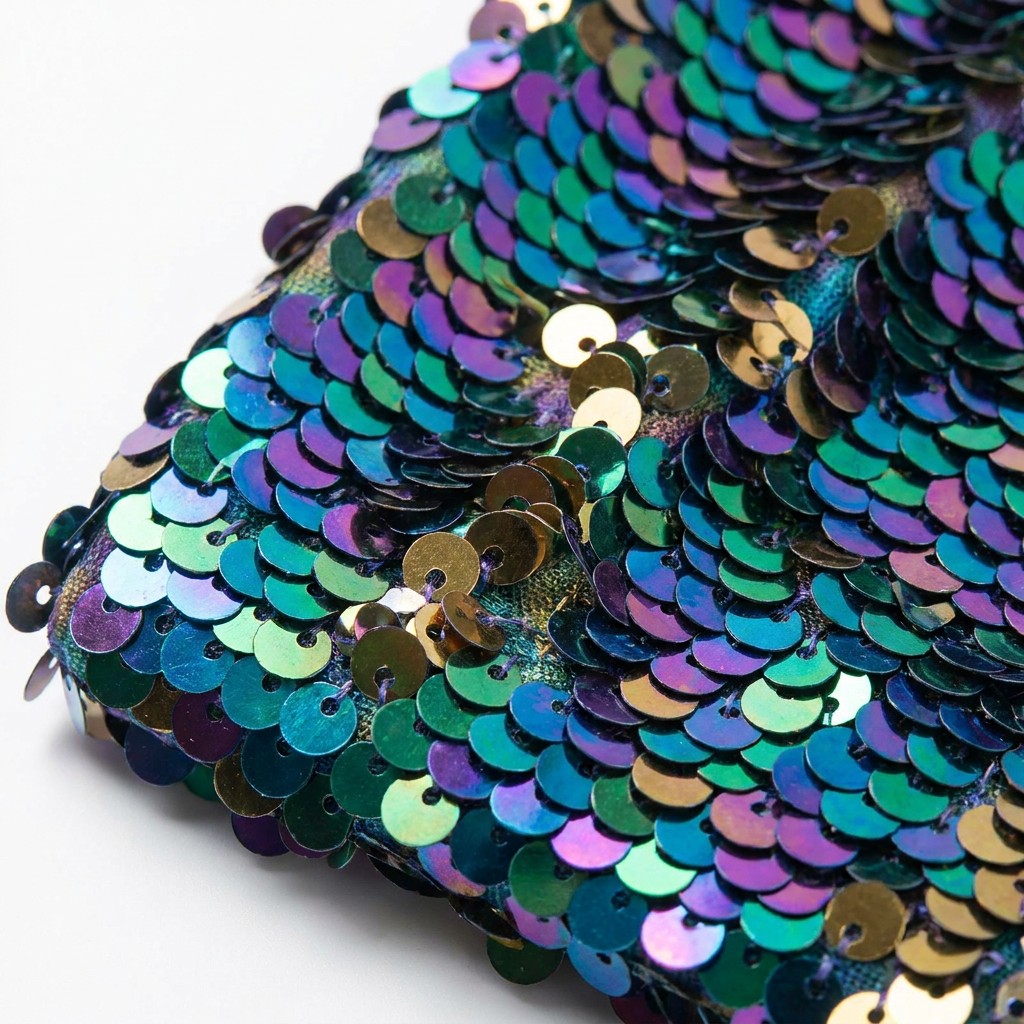
Small brands, independent designers, event studios, and test collections often need custom fabric without committing to a large production program immediately. For these buyers, successful small batch fabric sourcing depends on more than finding a low minimum order. The buyer also needs a clear sample plan, realistic decision points, and communication that connects the first development to a possible repeat order.
Why small-batch sourcing needs a different plan
A small project may involve custom color, embroidery, sequins, a special ground fabric, or a new decorative surface. These details can require development work before the final quantity is known. If the buyer asks only for a unit price, important questions about sample construction, material preparation, pattern scale, and approval may remain unanswered.
A better approach is to separate the project into stages: define the product idea, review sample options, approve the preferred construction, and then discuss the most practical production route for the intended quantity.
1. Define the project before discussing MOQ
Start with the end use, target market, approximate quantity, preferred composition, usable width, weight, color direction, and finishing. Explain whether the fabric is intended for a capsule collection, made-to-order apparel, cushions, curtains, stagewear, or an interior project. A complete brief helps a supplier understand which details are essential and which can remain flexible.
2. Understand custom fabric MOQ correctly
Custom fabric MOQ can depend on the ground fabric, dyeing or finishing process, embroidery scale, sequin construction, color count, and material preparation. Instead of comparing one number across unrelated fabrics, ask what the minimum applies to: a stock base, a custom color, a custom pattern, or a full production development. Clarify whether a sample quantity is treated separately from a bulk quantity.
This discussion helps buyers avoid choosing a low number that does not match the actual construction they want. It also gives the supplier a clearer opportunity to recommend available alternatives without changing the project’s main design direction.
3. Build a practical fabric sampling timeline
A useful fabric sampling timeline includes the brief, reference review, sample preparation, buyer evaluation, requested changes, final approval, and production planning. The exact timing can vary by construction and confirmation speed, so it is better to agree on the next decision point than to rely on an unsupported fixed promise.
During sampling, check hand feel, drape, color, usable width, surface density, pattern repeat, and finishing. Keep the approved reference and note any changes so that the final discussion is based on the correct version.
4. Compare low MOQ textile suppliers beyond price
When comparing a low MOQ textile supplier, review communication quality, sampling clarity, technical questions, material options, packing information, and the ability to explain what changes may affect production. A supplier that asks precise questions early may help reduce avoidable revisions later.
5. Prepare for a repeat order from the beginning
Even a small test can become a larger program if the product performs well. Save the approved sample, reference photographs, composition, GSM, usable width, color direction, and development notes. This record helps both the buyer and supplier discuss a repeat order without starting from an unclear reference.
Factory-direct support for small fabric programs
Yunfan Textile supports international B2B buyers sourcing embroidery fabrics, sequin fabrics, decorative textiles, and related home textile materials. Our team can review project references, discuss sample requirements, and help buyers organize the information needed for small-batch custom development. Final technical approval remains with the buyer, while clear project communication helps make the next step more efficient.
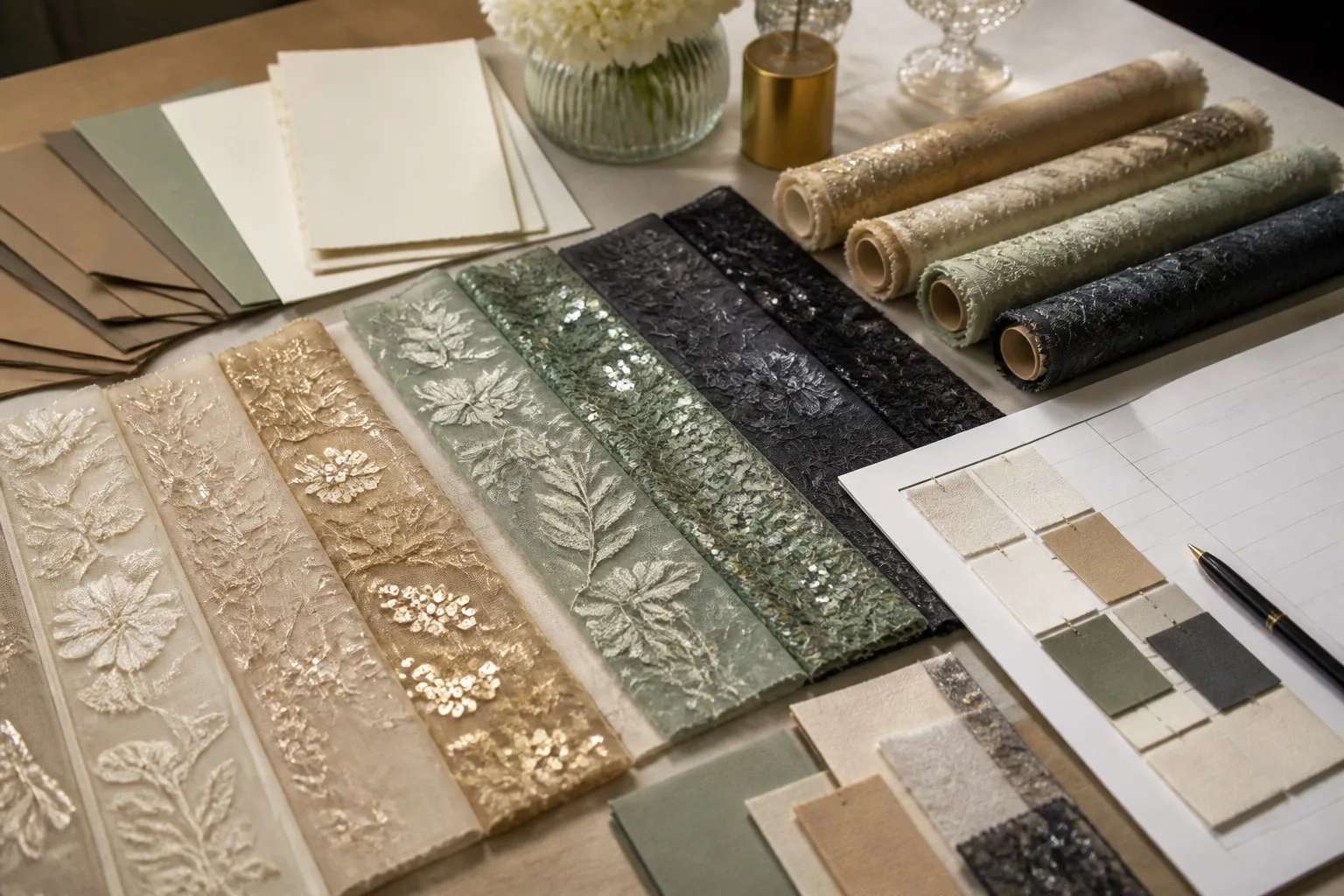
Explore our embroidery fabric collection and sequin fabric collection. For samples, custom development, or sourcing questions, visit our website consultation page.
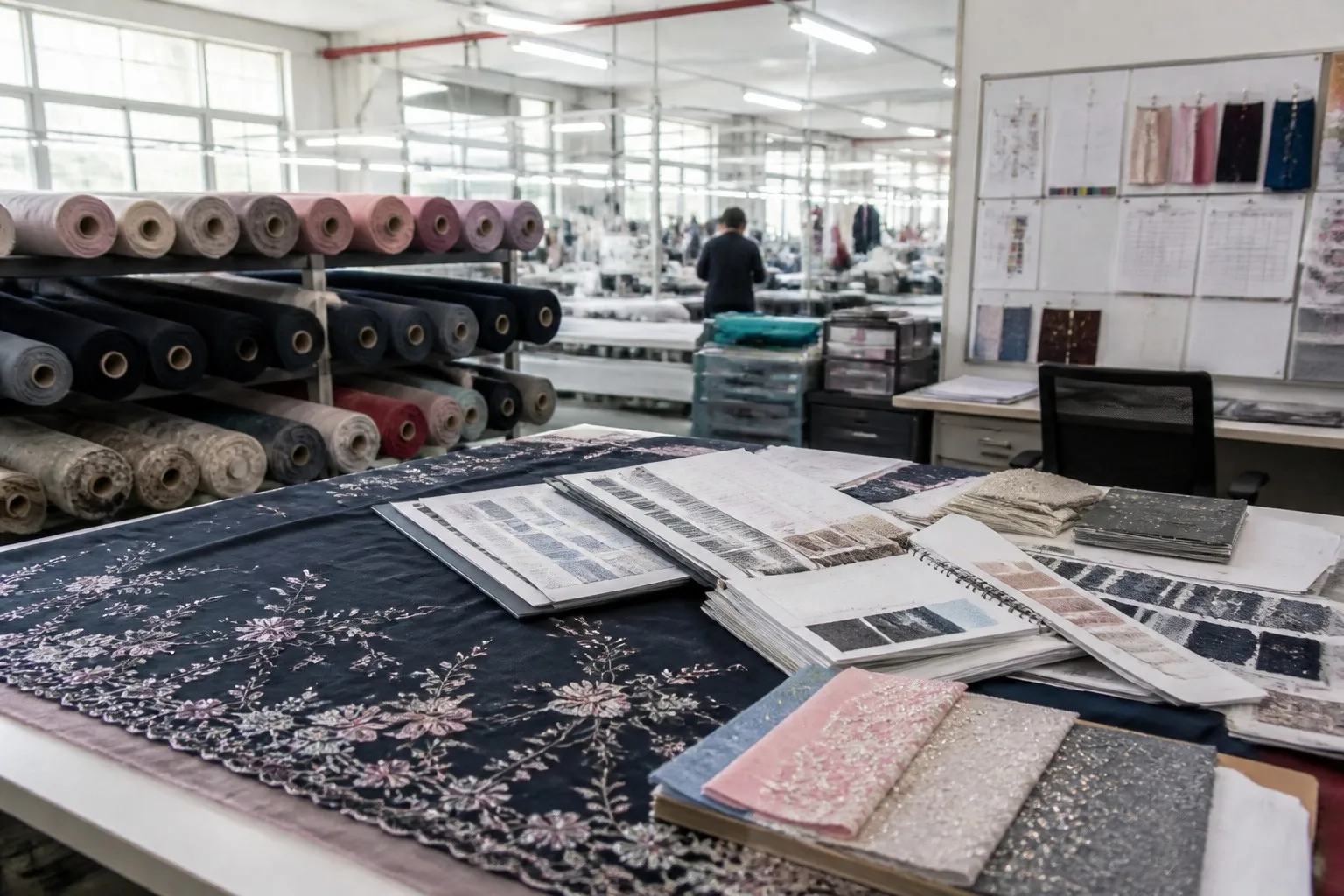
A simple next step
Prepare a concise brief, ask which parts of the project affect MOQ, request a relevant sample, and record the approved reference. This process helps new brands and established buyers test a custom fabric direction while keeping future production discussions organized.
Source Directly from Our Alibaba Store
Get factory-direct pricing, free samples, and Alibaba Trade Assurance protection.
Planning a small custom fabric program? Contact Yunfan Textile for samples and customization support.
Contact Yunfan Textile for B2B Sourcing
🌐 Website: https://www.yunfantextile.com/
📌 B2B Contact: Jessie wendy
📱 WhatsApp/WeChat: +86 175 1619 6727 / +86 156 3752 5803
📧 Email: morris@yunfantextile.com
📧 Email: morris@yunfantextile.com