What Is Reversible Sequin Flipping Fatigue?
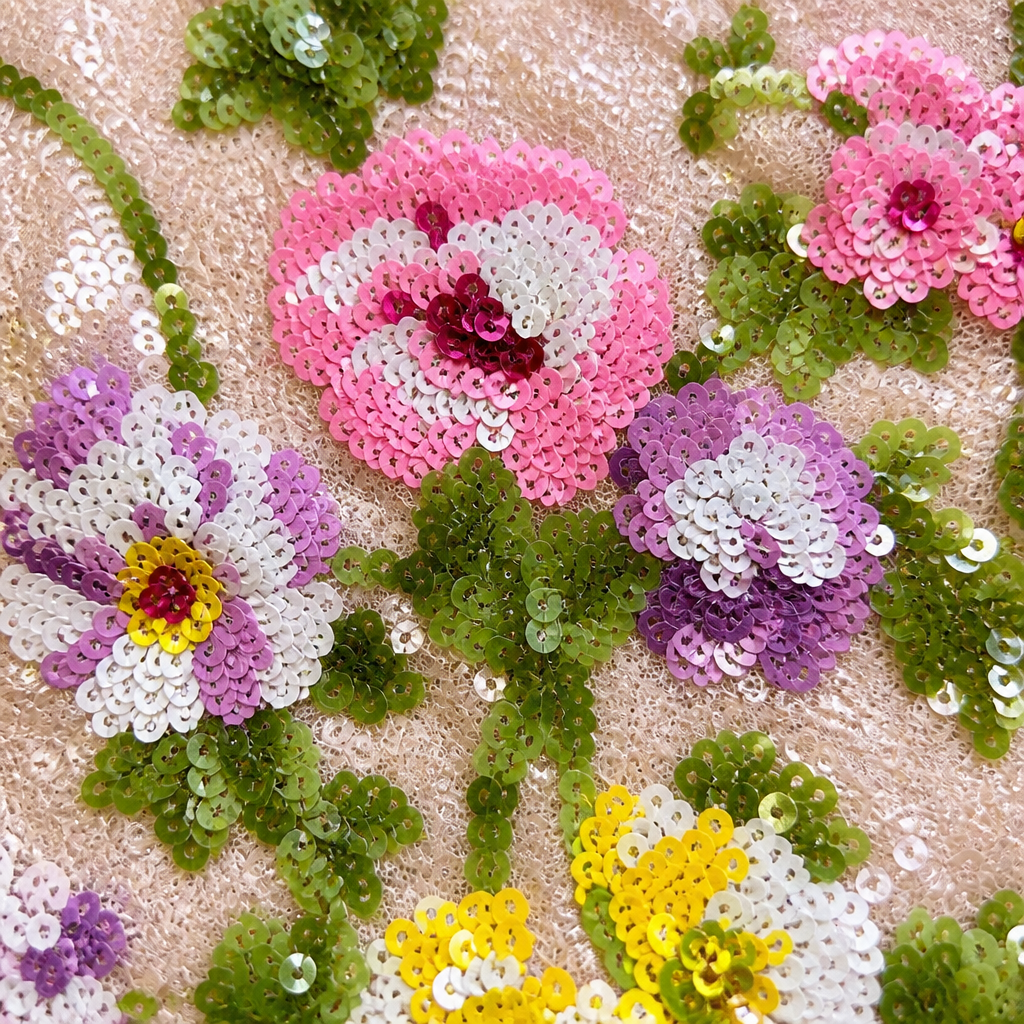
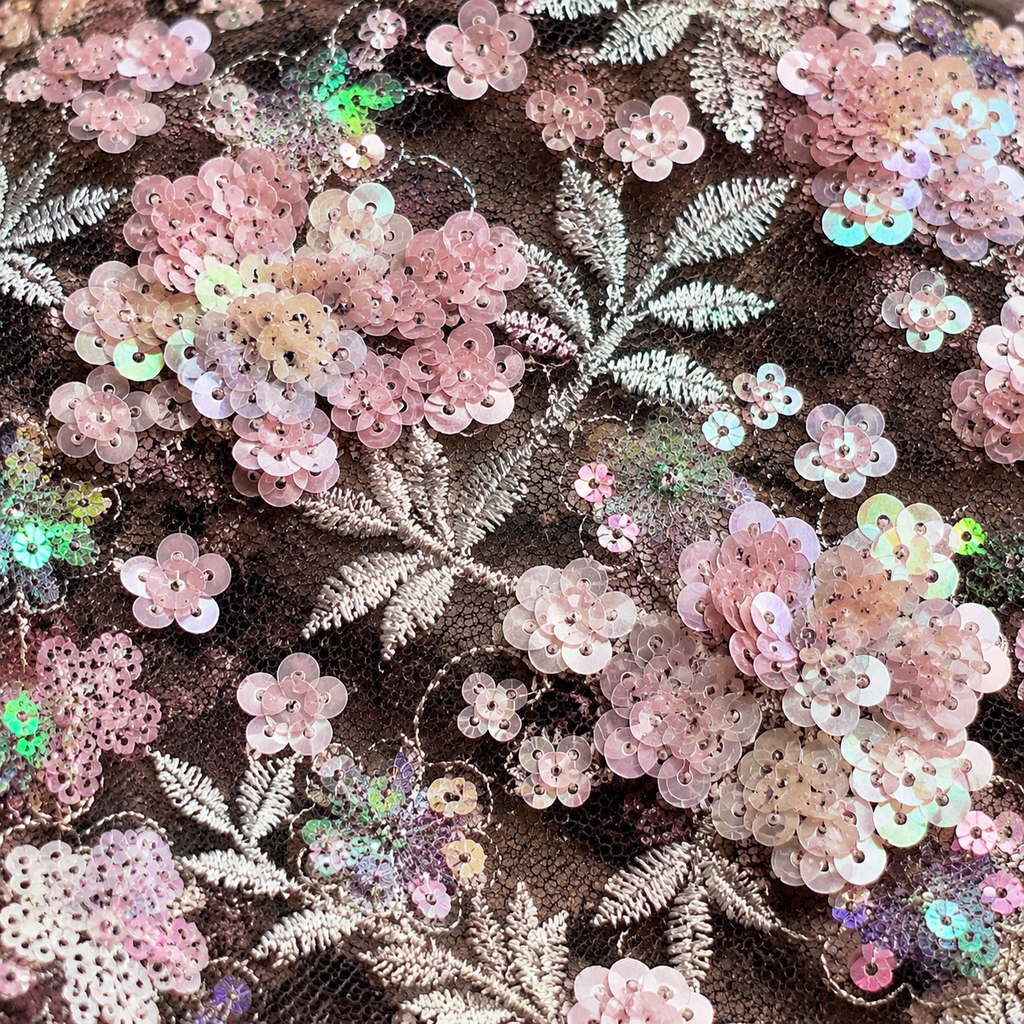
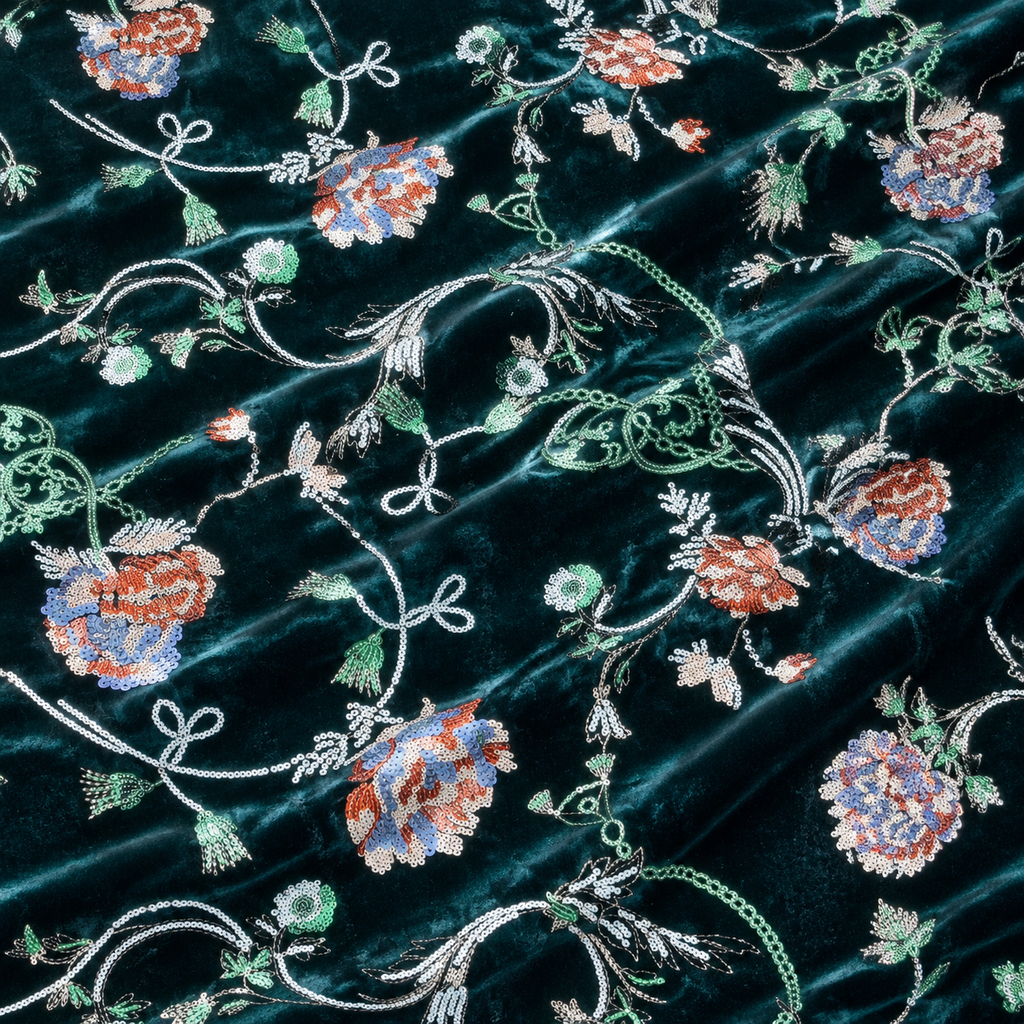
Reversible sequin fabric uses two-tone or reversible discs that change appearance when a wearer brushes the surface in either direction. Reversible sequin flipping fatigue is the loss of reliable, low-force flipping after repeated use. The symptom can be a stiff face, a disc that will not return, broken attachment thread, or a visible bald track. For a buyer, this is a performance problem, not only a style problem. It affects hand feel, surface recovery, sewing yield, returns, and the usable life of a finished garment.
The key variables are the friction coefficient between disc and fabric, disc edge geometry, attachment angle, thread strength, base-cloth recovery, and finishing chemistry. A controlled test turns those variables into a purchasing decision. It also separates normal visual variation from a structural failure that can spread across a production lot.
Key Takeaways
- Specify a target friction range and a maximum force for one complete flip before bulk approval.
- Run a 10,000-cycle abrasion and flipping test on face, reverse, seam, and panel-transition areas.
- Inspect thread abrasion, missing discs, edge lift, color transfer, and hand-feel change at every checkpoint.
- Approve a sealed reference, a signed report, and a retained lot sample; never rely on a photograph alone.
- Use one commercial MOQ of 200 yards for sampling, repeat orders, and production planning.
Why Friction Coefficient Matters in Sourcing
Friction controls how much force a finger, lining, presser foot, or adjacent panel applies to each disc. Too little friction can make the surface visually unstable and can allow uncontrolled flipping during wear. Too much friction concentrates load at the disc edge and at the attachment stitch. That load can cut or fuzz the thread, distort the backing, and produce a rough touch. A practical specification therefore pairs friction data with a tactile limit: the fabric must flip smoothly, return consistently, and remain comfortable against skin or lining.
Ask the mill to report the test direction, speed, contact material, normal load, humidity, temperature, and sample conditioning time. Without those details, two apparently different values may describe different methods. A quality team should compare like with like and should test the exact sequin diameter, base cloth, color coating, and thread used for production.
10,000-Cycle Wear and Flipping Test
Step 1—condition and map. Condition at standard laboratory temperature and humidity, then mark face and reverse directions. Cut specimens from the roll start, middle, and end. Include a panel join, a seam allowance, and an unsewn control zone. Photograph every specimen with a scale and record weight, width, sequin size, lot, and finish.
Step 2—measure the baseline. Record dry and conditioned weight, thickness, color, surface appearance, and the force needed to flip a fixed number of discs. Measure static and dynamic friction with the agreed contact material. Count loose threads and lifted edges before cycling; these are baseline defects, not test failures.
Step 3—cycle in controlled stages. Use a rounded, non-cutting contact head that flips the discs in both directions. Apply the agreed normal load and speed. Run checkpoints at 100, 500, 1,000, 2,500, 5,000, 7,500, and 10,000 cycles. Pause at each checkpoint, remove loose debris without brushing the face, and repeat force and friction measurements. Record every broken thread, missing sequin, edge lift, jam, and color change.
Step 4—inspect failure modes. Examine the thread under magnification. A fuzzy halo indicates abrasion; a clean break may indicate excessive tension or a sharp disc edge. Compare the tactile response with the retained control. Test wet and dry rubbing where the end use requires it. Photograph the worst area, the average area, and the untouched control so a buyer can audit the decision.
Step 5—make the disposition. Pass only when force remains inside the agreed range, no progressive thread failure appears, missing-disc count stays below the contract limit, and the appearance remains commercially acceptable. If a checkpoint fails, quarantine the lot, identify the root cause, and retest a corrected construction. Do not average away a local seam or transition failure.
Technical Comparison
| Construction | Flipping feel | Typical risk | Best control |
|---|---|---|---|
| Lightweight woven base | Fast and soft | Thread pull-out under concentrated load | Higher stitch security and lower contact load |
| Stretch base cloth | Flexible, variable | Sequin rows open when fabric recovers | Test at relaxed and stretched states |
| Dense satin base | Stable and smooth | Edge drag and heat sensitivity | Check coating, edge radius, and ironing limits |
| Reinforced backing | Firm, controlled | Higher hand stiffness | Balance adhesive coverage with drape |
For commercial garments, the most useful comparison is not the lowest friction number. It is the construction that keeps the same flipping force after wear while preserving drape, color, and sewing performance. A supplier should show the buyer the actual construction, not a similar stock card.
Quality-Control Checklist
| Check | Acceptance evidence | Frequency |
|---|---|---|
| Incoming lot identity | Roll ID, width, sequin diameter, shade, and signed swatch | Every lot |
| Surface and attachment | No sharp edge, missing disc, open row, or loose thread beyond limit | Start, middle, end |
| Friction and flip force | Method, load, direction, value, and instrument ID recorded | Each approved color |
| 10,000-cycle fatigue | Checkpoint photos and defect count with retained control | New construction and change |
| Garment simulation | Seam, lining, pressing, and repeated hand-use review passed | Pre-production |
| Packaging and traceability | Moisture protection, labels, carton count, and report match | Shipment |
Keep the checklist with the purchase order. Define who owns the specimen, who witnesses the test, and which result controls a claim. A clear record protects both sides when a production team changes needle, tension, lining, or pressing temperature.
Production Controls That Prevent Thread Abrasion
Control starts at the machine. Use a rounded needle appropriate for the base cloth, reduce unnecessary presser-foot pressure, and confirm that guides do not scrape the disc edges. Keep seam allowances wide enough for stable attachment, but avoid folding a reversible face sharply. During pressing, use the lowest effective temperature and a protective layer; direct heat can soften a coating and change friction. Train operators to flip panels by the edge rather than dragging a tool across the face.
At final inspection, view the fabric in both directions under diffuse and raking light. A direction-only inspection misses discs that jam when the wearer brushes against the nap. Compare the first and last panels to the signed swatch. For repeat orders, retain a production sample and a report so a future color or finish change triggers a controlled review instead of an informal approval.
Internal Quality and Sourcing Resources
Use our Quality Control resource for inspection planning and our Sequin Fabric resource for construction and sourcing context. These links help a purchasing team align fabric selection, incoming inspection, and final-garment testing. Add the product specification, approved swatch, and test report to the same internal order folder.
Alibaba International Sourcing
Need a commercial quote, color matching, or a fatigue-test sample? Open our Alibaba International Station to discuss reversible sequin fabric. MOQ is 200 yards for standard sampling and bulk production. Please share target width, disc size, color, base cloth, end use, and required test method.
Contact Morris: morris@yunfantextile.com; WhatsApp +86 156 3752 5803 or +86 175 1619 6727. MOQ: 200 yards.
FAQ
What does reversible sequin flipping fatigue measure?
It measures whether discs continue to flip with consistent force and appearance after repeated two-way contact. It also reveals thread abrasion, edge damage, missing discs, and changes in hand feel.
Is 10,000 cycles enough for every garment?
It is a strong purchasing benchmark, not a universal lifetime claim. Heavy costumes, bags, seating, and high-contact panels may need a higher load, more cycles, or a garment simulation. Agree the method before approval.
Which friction value should a buyer specify?
Specify a range measured with a named method, contact material, load, speed, and environment. Pair that range with a maximum flip force and a visual defect limit. A single unqualified number is not reproducible.
How can a mill reduce thread abrasion?
Review disc edge radius, thread size, stitch security, needle choice, presser pressure, and finishing chemistry. Then repeat the staged test on the corrected construction. Do not mask a structural problem with a softer handle finish.
What is the MOQ for this program?
The unified MOQ is 200 yards. The same MOQ applies when a buyer requests commercial sampling followed by bulk production, subject to color and construction confirmation.
Conclusion
Reliable reversible sequin fabric is engineered through measurable friction, secure attachment, repeatable cycling, and disciplined traceability. A 10,000-cycle test exposes thread abrasion before it becomes a garment claim. When the report, swatch, control sample, and checklist travel with the order, a B2B buyer can compare suppliers fairly and approve production with confidence. Define the method, verify the actual lot, and keep the 200-yard MOQ and contact route visible to the sourcing team.