Mastering 3D Sequin Embroidery: A B2B Buyer’s Guide to Assessing Bulk Quality and Consistency
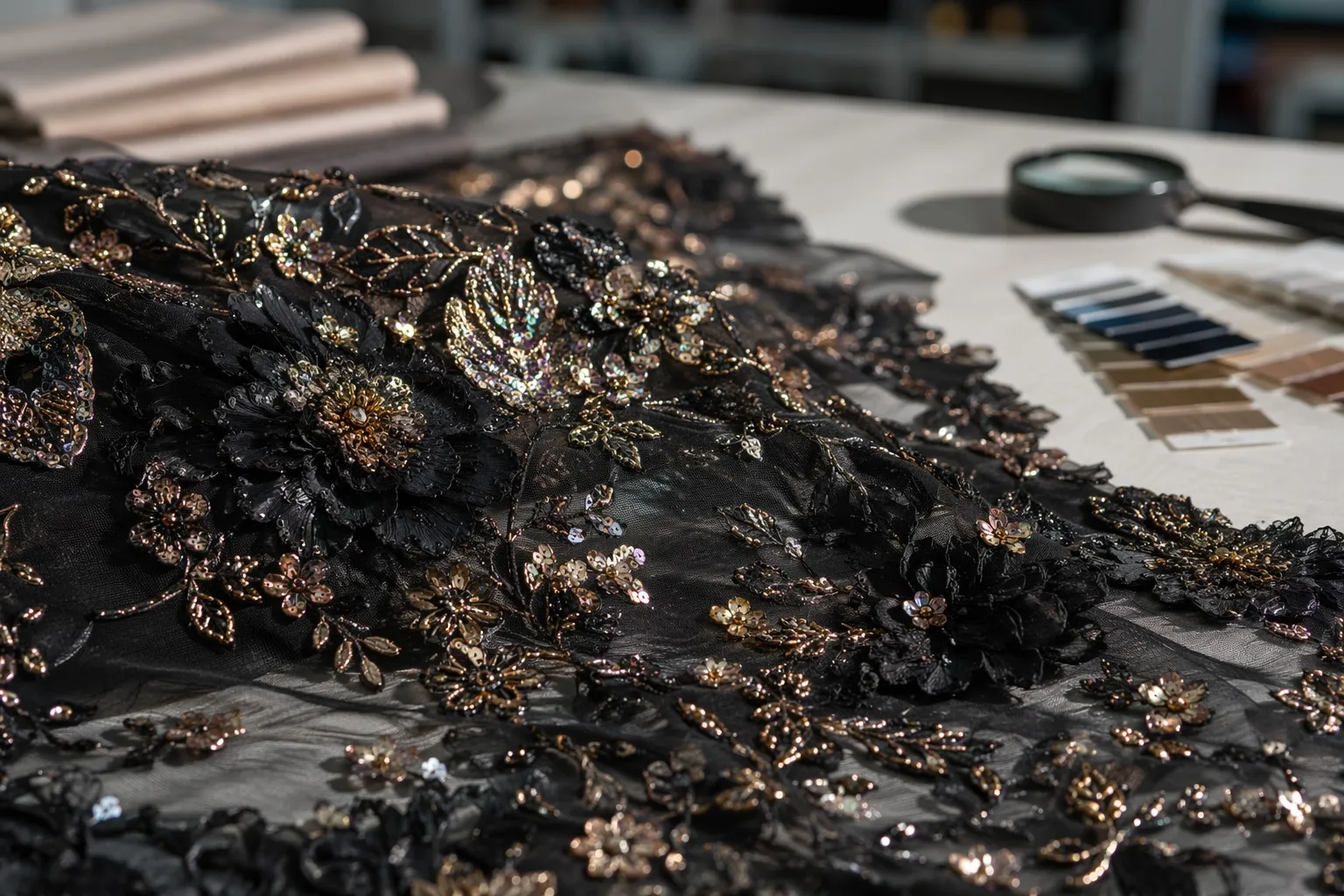
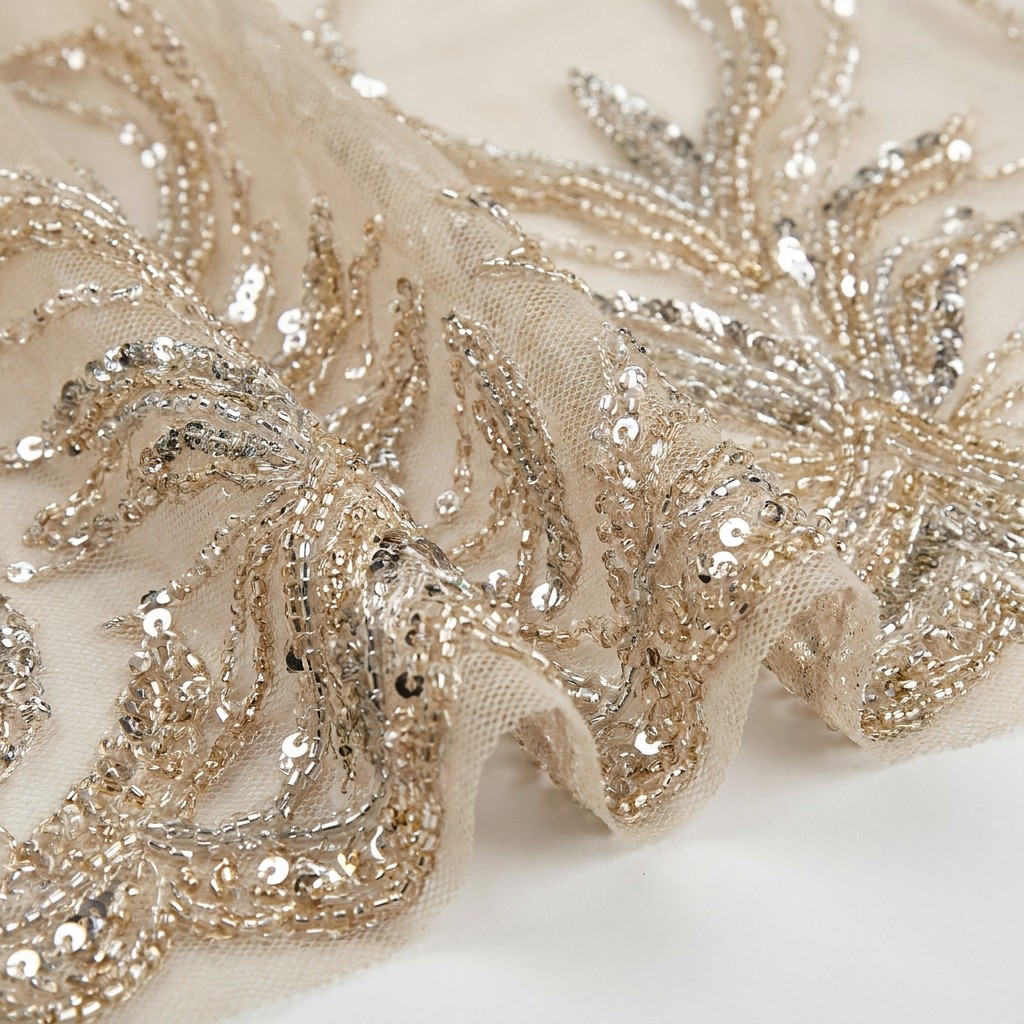
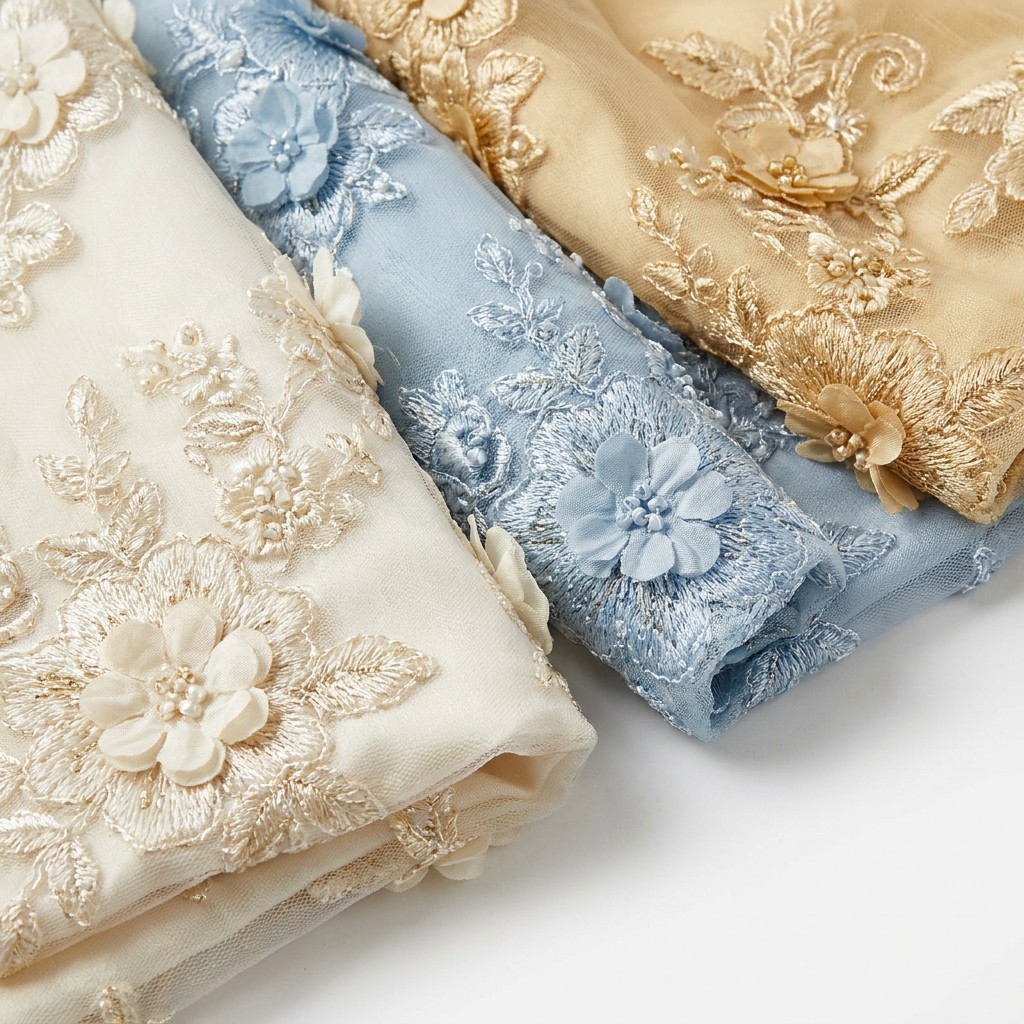
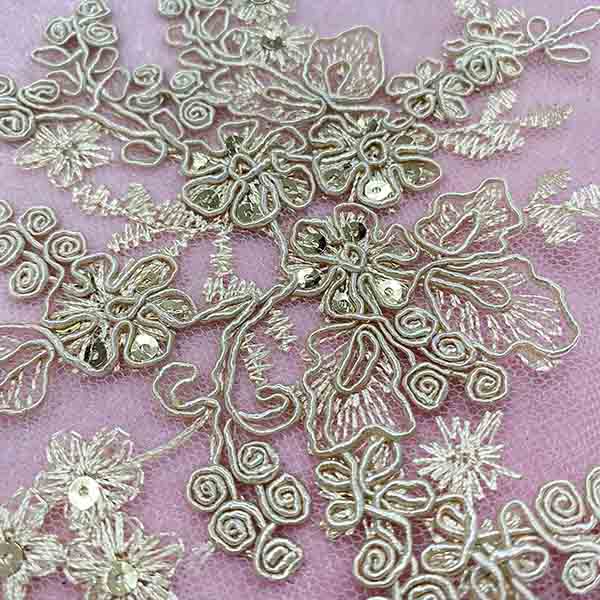
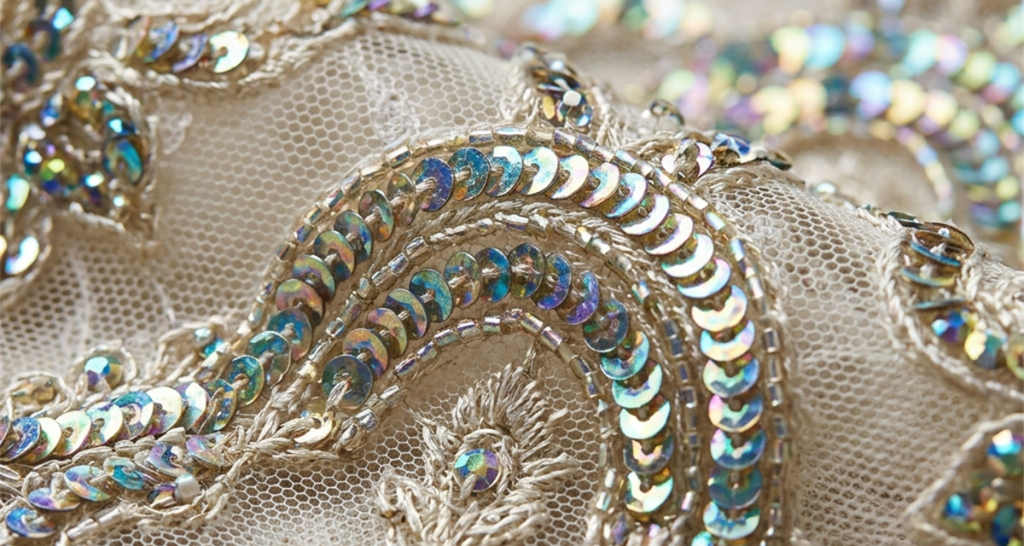
In the 2026/27 fashion cycle, flat glitter is being replaced by multidimensional textures. For global fashion brands, stage designers, and luxury bridal labels, 3D sequin embroidery fabric represents the pinnacle of premium aesthetics. However, sourcing these complex textiles at a wholesale scale introduces unique risks: pattern misalignment, inconsistent sequin tension, and "thread breakage" which can ruin a bulk production run.
When you are auditing a factory for wholesale sequin fabric, you need to look beyond the showroom sample. At Yunfan Textile, we specialize in bridging the gap between delicate artisanal design and high-volume industrial reliability. This guide outlines the three critical pillars buyers must verify before approving bulk production of 3D embroidered sequins.
1. The Science of Attachment: 5.5N Adhesion Standards
One of the most frequent complaints from garment manufacturers is "shedding"—sequins that fall off during cutting or sewing. For 3D designs, where sequins are often mixed with beads and raised thread work, the attachment points are under higher tension.
A professional factory should adhere to strict adhesion tests. At Yunfan, we implement a 5.5N (Newtons) pull-strength standard for sequin attachment. Buyers should ask their suppliers: "What is your pull-test protocol for high-density motifs?" If the factory cannot provide a technical answer, the risk of loose sequins in your retail collections increases significantly.
2. Verifying Pattern Alignment Across the Roll
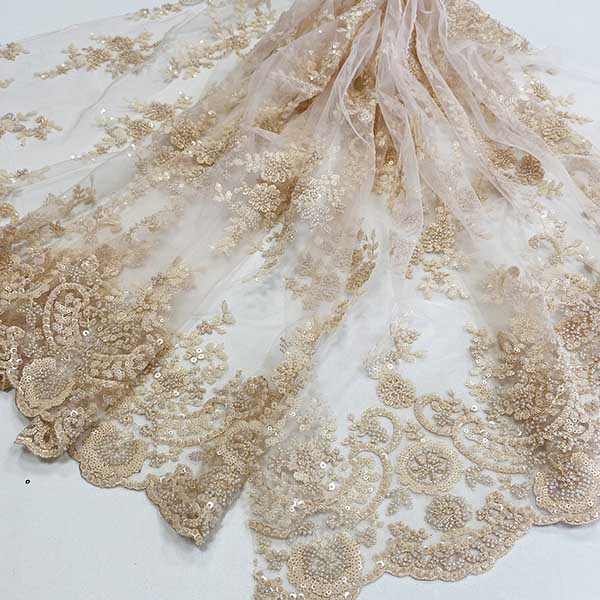
For large-scale orders of custom sequin fabric, consistency across 1,000+ meters is the real challenge. 3D embroidery machines must be perfectly calibrated to ensure the motif doesn't "drift" as the fabric moves through the multi-head setup. Misalignment of even 2mm can result in irregular floral patterns that make garment matching impossible.
During a factory audit, request to see a "Golden Sample" compared directly against a roll from the current production line. Check the repeat pattern and the tension of the base mesh. High-quality sequin mesh fabric should maintain its structural integrity without warping under the weight of heavy 3D embroidery.
3. Material Traceability: GRS-Certified Sustainable Sparkle
Modern luxury is green. Buyers for North American and European markets are increasingly required to provide Digital Product Passports (DPP). This means your sequin fabric must be traceable. Recycled PET (rPET) sequins on a GRS-certified mesh base are the new industry benchmark.
Sourcing from a Keqiao-based factory like Yunfan Textile allows you to access sustainable sequin fabric wholesale options that don't compromise on shine. We provide full GRS documentation, ensuring that your sparkle doesn't come with an environmental cost.
Choosing the Right Partner in Keqiao
Yunfan Textile operates from the heart of China’s textile capital, combining 15 years of manufacturing expertise with an export-ready mindset. We help brands move from initial sketch to physical swatch, and finally to verified bulk production with zero color drift.
Planning a 3D Sequin Collection for 2026/27?
Send us your design brief or target quantity. We provide factory-direct pricing and technical sample development.
Related Sourcing Resources:
- Explore our full range of Sequin Fabrics
- Sequin Mesh Fabric Wholesale - 2833
- 3D Stretch Sequin Fabric for Costumes
- 2026 Sequin Fabric Sourcing Guide
Contact Yunfan Textile for B2B Sourcing
🌐 Website: https://www.yunfantextile.com/
📌 B2B Contact: Jessie wendy
📱 WhatsApp/WeChat: +86 175 1619 6727 / +86 156 3752 5803
📧 Email: morris@yunfantextile.com
📧 Email: morris@yunfantextile.com