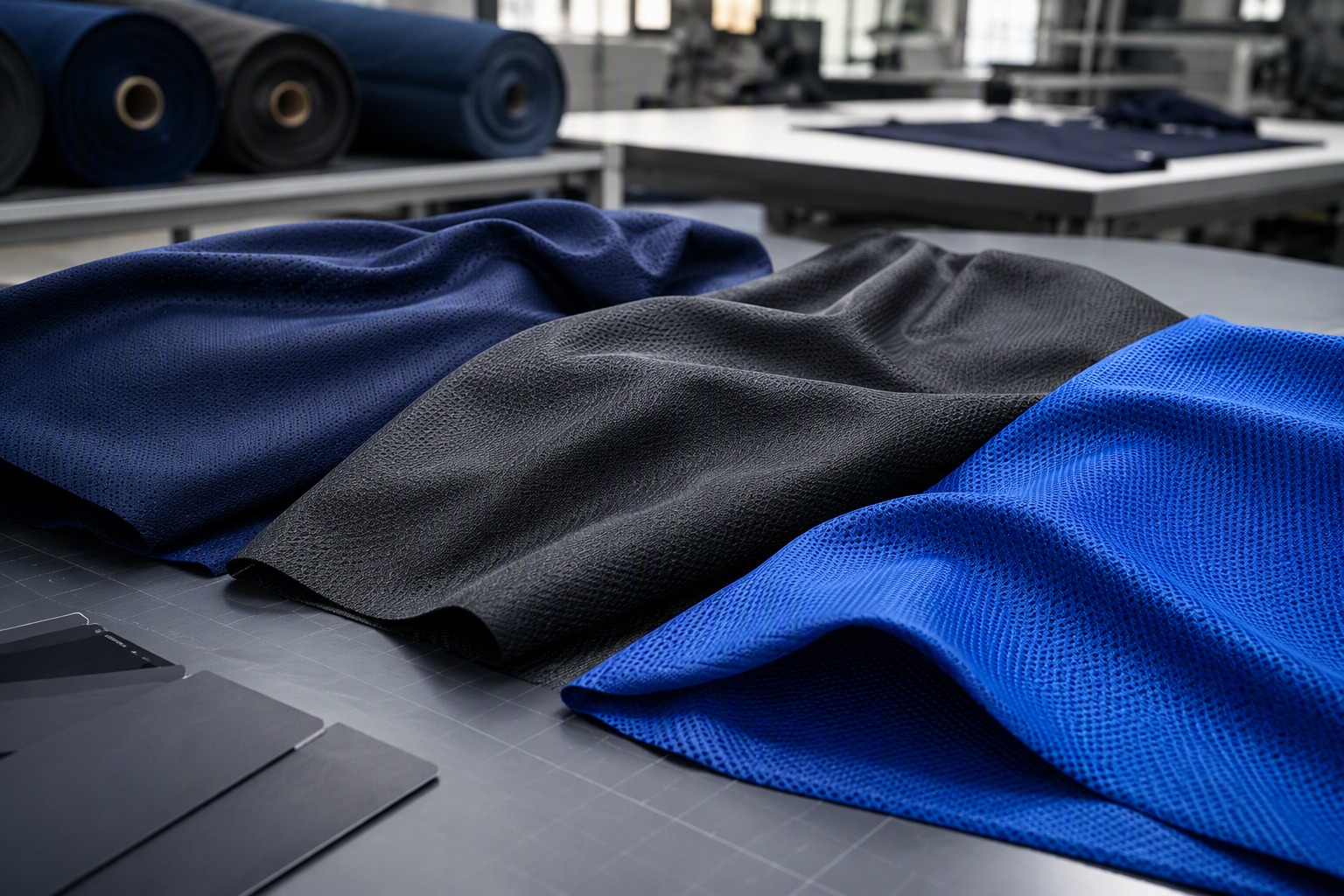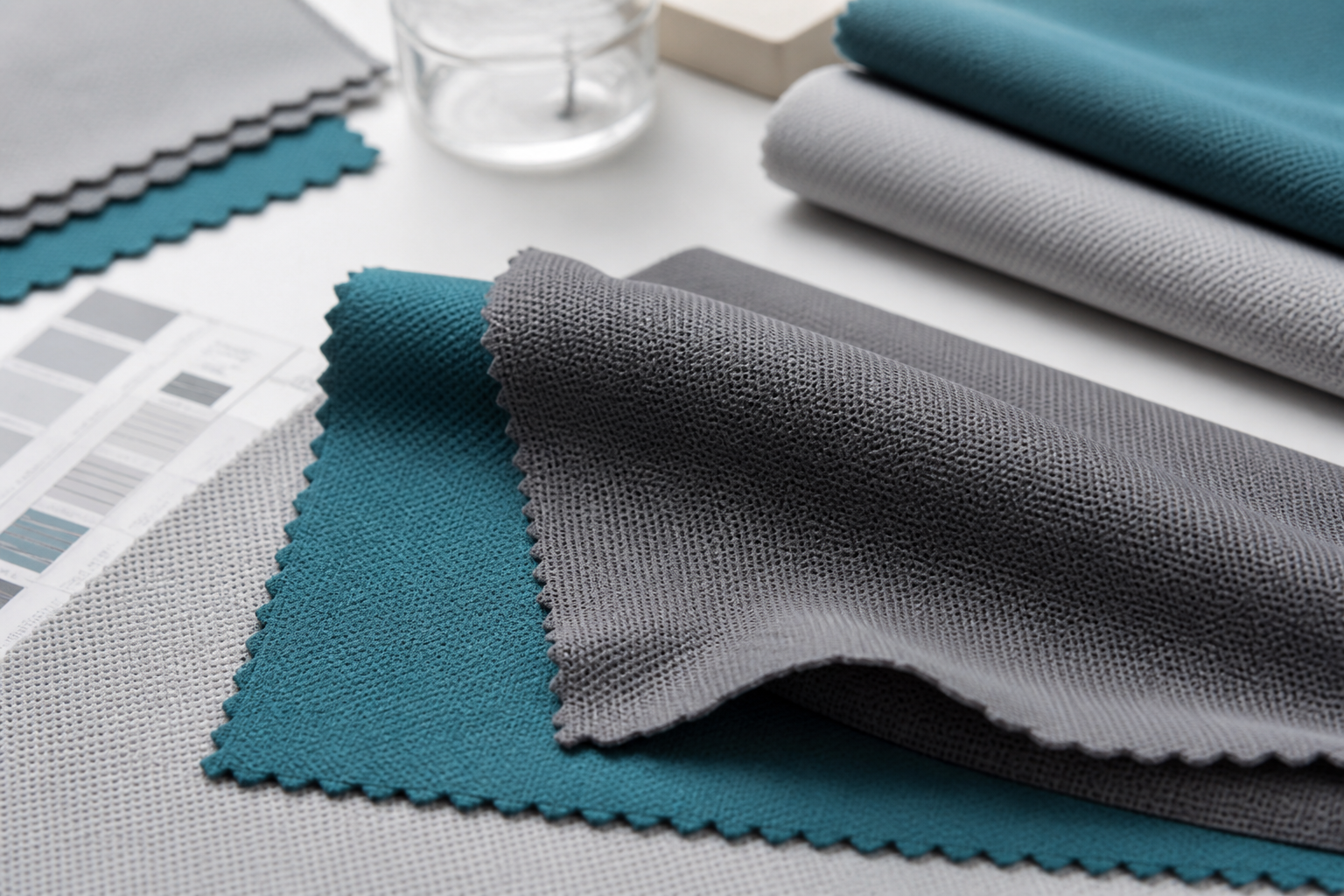
Laser applique edge chipping affects layered embroidery during cutting and handling. Specifically, this guide explains heat control, ultrasonic sealing, testing, and approval.

Laser applique edge chipping basics
Layered applique edges need clean cuts and stable bonding. Therefore, engineers match laser power with fabric thickness carefully.
Operators inspect the first cut before continuous production. However, buyers must approve the final layered construction.
Cutting and sealing controls
Technicians adjust speed, focus, and pulse for each material. Furthermore, ultrasonic sealing can protect fragile outer edges.
Inspectors measure edge width, petal shape, and loose fibres. In addition, teams record every tool setting beside the sample.
Testing method for edge stability
Technicians flex, rub, and handle each layered specimen. Specifically, they inspect the cut edge after every exposure.
Quality teams compare exposed pieces with retained controls. Consequently, the report identifies chipping, curling, and bond loss.
Production inspection steps
Inspectors sample the first panel and final panel. As a result, teams catch heat drift before packing begins.
Supervisors compare floral shape against the approved reference. Moreover, they isolate rolls with uneven edges or loose layers.
Ultrasonic sealing choices
Engineers select horn pressure for the fabric stack. Therefore, the seal stays neat without flattening the floral relief.
Operators test sealing on dense and open areas. In fact, this comparison reveals weak bonding around small petals.
Approval evidence for buyers
Buyers request tool settings, specimen counts, and photographs. Specifically, they should review edges after flexing and rubbing.
Purchasing teams retain two approved cuttings with every order. However, one clean petal cannot represent the entire bulk lot.
B2B sourcing checklist
Confirm fibre, layers, width, GSM, shape, and finish. Furthermore, confirm the 200-yard MOQ before development begins.
Ask the mill to repeat the agreed edge test. Consequently, buyers can compare every new lot fairly.
For related guidance, visit our quality control category. In addition, review our embroidery fabric range for sourcing options.
Conclusion for apparel teams
Reliable laser applique combines clean edges with measured bond performance. Therefore, clear records reduce claims and production delays.
Request a controlled sample before cutting floral garments. Moreover, align design, production, and quality teams around one approved standard.