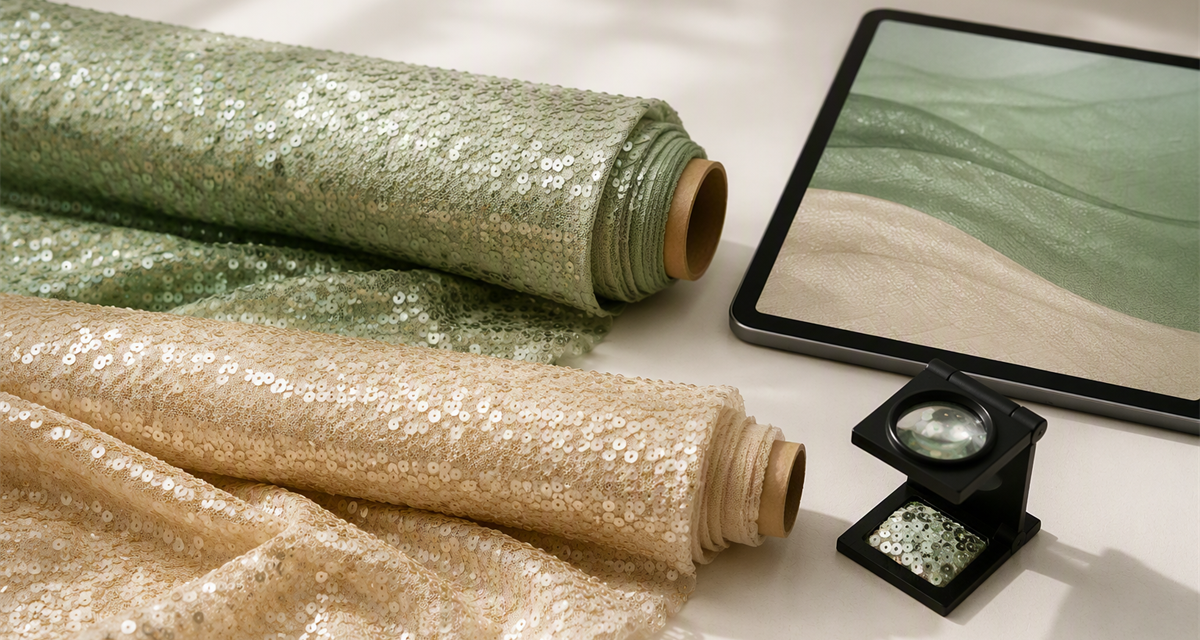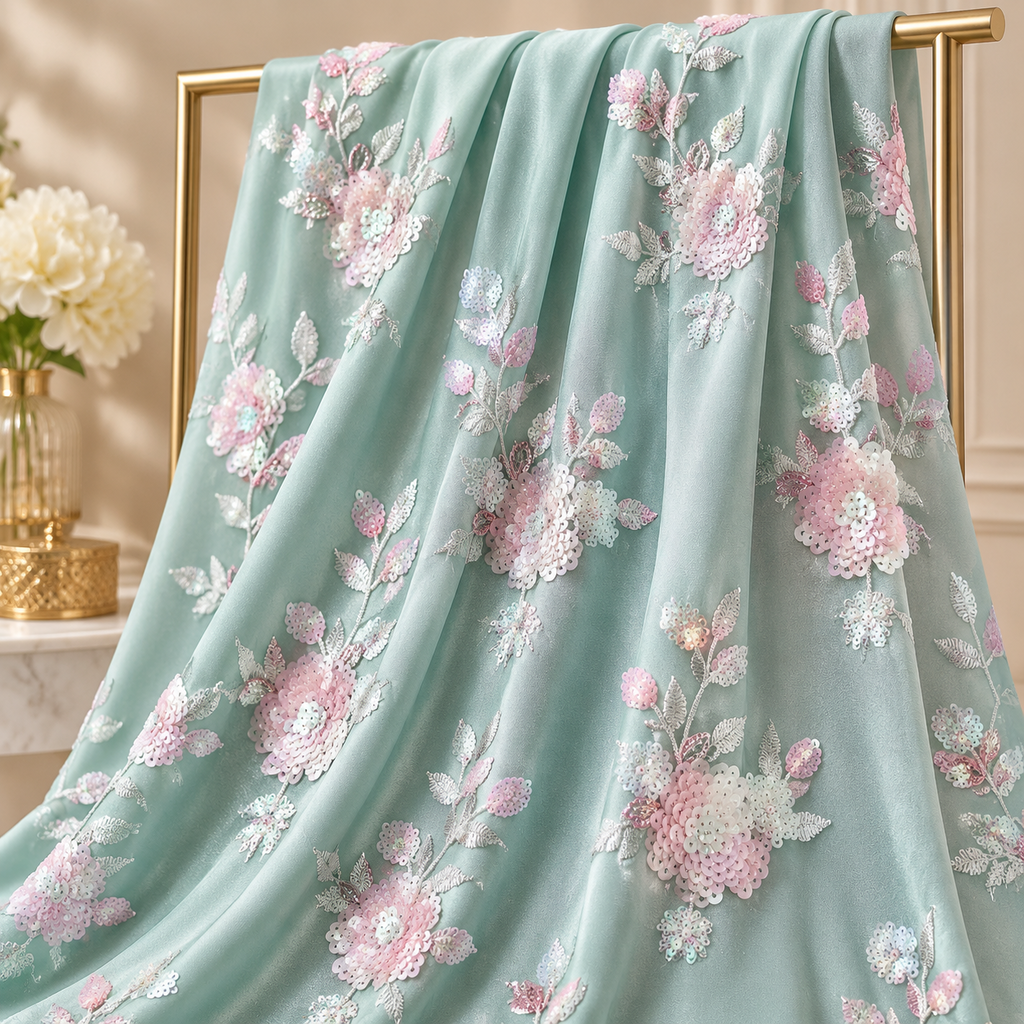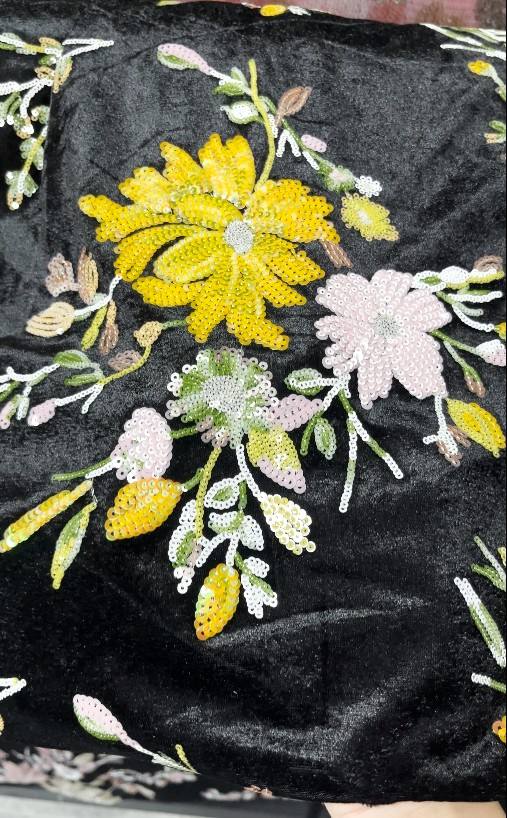
chiffon applique edge fraying starts with a measurable specification, not a visual promise. This guide gives purchasing, product development, and factory teams a practical control plan for 3d laser-cut chiffon applique embroidery edge fraying and heat sealing. The process protects appearance, performance, and delivery at a 200 yards MOQ.
chiffon applique edge fraying failure mechanism
30D and 50D chiffon use fine filaments that can separate during water agitation. Multi-layer three-dimensional petals amplify movement, so an untreated cut edge can open rapidly. For B2B buyers, define the approved construction before sampling. Record fibre content, finished width, GSM, colour reference, roll length, and the 200 yards MOQ. Then use the same reference in the lab, cutting room, and final inspection. This approach limits disputes because every team measures the same commercial specification. It also gives a supplier clear evidence for correction, replacement, or release decisions.
In practice, 30D and 50D chiffon use fine filaments that can separate during water agitation. Multi-layer three-dimensional petals amplify movement, so an untreated cut edge can open rapidly. Inspect first, middle, and final roll positions. Compare face and reverse under controlled light. Next, log the lot, operator, method, instrument, and result. Therefore, isolate any outlier, photograph the evidence, and approve only after a repeat test confirms the correction.
chiffon applique edge fraying laser energy window
A CO2 galvanometer laser can cut and thermally seal the contour in one pass. Validate power, speed, focus, pulse control, and overlap against the lightest chiffon layer. For B2B buyers, define the approved construction before sampling. Record fibre content, finished width, GSM, colour reference, roll length, and the 200 yards MOQ. Then use the same reference in the lab, cutting room, and final inspection. This approach limits disputes because every team measures the same commercial specification. It also gives a supplier clear evidence for correction, replacement, or release decisions.
In practice, A CO2 galvanometer laser can cut and thermally seal the contour in one pass. Validate power, speed, focus, pulse control, and overlap against the lightest chiffon layer. Inspect first, middle, and final roll positions. Compare face and reverse under controlled light. Next, log the lot, operator, method, instrument, and result. Therefore, isolate any outlier, photograph the evidence, and approve only after a repeat test confirms the correction.
contour accuracy
Small errors change petal symmetry and seam allowance. Verify the digital outline against a calibrated template, then measure inner curves, outer points, and registration between layers. For B2B buyers, define the approved construction before sampling. Record fibre content, finished width, GSM, colour reference, roll length, and the 200 yards MOQ. Then use the same reference in the lab, cutting room, and final inspection. This approach limits disputes because every team measures the same commercial specification. It also gives a supplier clear evidence for correction, replacement, or release decisions.
In practice, Small errors change petal symmetry and seam allowance. Verify the digital outline against a calibrated template, then measure inner curves, outer points, and registration between layers. Inspect first, middle, and final roll positions. Compare face and reverse under controlled light. Next, log the lot, operator, method, instrument, and result. Therefore, isolate any outlier, photograph the evidence, and approve only after a repeat test confirms the correction.
nitrogen assistance
Nitrogen creates an inert environment around the melt zone and helps reduce yellowing. Control flow, nozzle distance, purity, and extraction so the sealed edge stays clean. For B2B buyers, define the approved construction before sampling. Record fibre content, finished width, GSM, colour reference, roll length, and the 200 yards MOQ. Then use the same reference in the lab, cutting room, and final inspection. This approach limits disputes because every team measures the same commercial specification. It also gives a supplier clear evidence for correction, replacement, or release decisions.
In practice, Nitrogen creates an inert environment around the melt zone and helps reduce yellowing. Control flow, nozzle distance, purity, and extraction so the sealed edge stays clean. Inspect first, middle, and final roll positions. Compare face and reverse under controlled light. Next, log the lot, operator, method, instrument, and result. Therefore, isolate any outlier, photograph the evidence, and approve only after a repeat test confirms the correction.
layer registration
A 3D applique needs stable registration before cutting and embroidery. Use temporary alignment marks or a fixture, and verify that each layer shares the intended centre line. For B2B buyers, define the approved construction before sampling. Record fibre content, finished width, GSM, colour reference, roll length, and the 200 yards MOQ. Then use the same reference in the lab, cutting room, and final inspection. This approach limits disputes because every team measures the same commercial specification. It also gives a supplier clear evidence for correction, replacement, or release decisions.
In practice, A 3D applique needs stable registration before cutting and embroidery. Use temporary alignment marks or a fixture, and verify that each layer shares the intended centre line. Inspect first, middle, and final roll positions. Compare face and reverse under controlled light. Next, log the lot, operator, method, instrument, and result. Therefore, isolate any outlier, photograph the evidence, and approve only after a repeat test confirms the correction.
heat seal strength
A sealed edge should resist handling without becoming brittle. Test flexibility, peel, abrasion, and visual colour after conditioning, pressing, and representative garment assembly. For B2B buyers, define the approved construction before sampling. Record fibre content, finished width, GSM, colour reference, roll length, and the 200 yards MOQ. Then use the same reference in the lab, cutting room, and final inspection. This approach limits disputes because every team measures the same commercial specification. It also gives a supplier clear evidence for correction, replacement, or release decisions.
In practice, A sealed edge should resist handling without becoming brittle. Test flexibility, peel, abrasion, and visual colour after conditioning, pressing, and representative garment assembly. Inspect first, middle, and final roll positions. Compare face and reverse under controlled light. Next, log the lot, operator, method, instrument, and result. In addition, chiffon applique edge fraying must be checked after conditioning and before bulk release. Therefore, isolate any outlier, photograph the evidence, and approve only after a repeat test confirms the correction.
commercial wash protocol
Run the agreed 50-cycle commercial wash test with documented detergent, temperature, agitation, drying, and load. Inspect after defined intervals rather than only at the final cycle. For B2B buyers, define the approved construction before sampling. Record fibre content, finished width, GSM, colour reference, roll length, and the 200 yards MOQ. Then use the same reference in the lab, cutting room, and final inspection. This approach limits disputes because every team measures the same commercial specification. It also gives a supplier clear evidence for correction, replacement, or release decisions.
In practice, Run the agreed 50-cycle commercial wash test with documented detergent, temperature, agitation, drying, and load. Inspect after defined intervals rather than only at the final cycle. Inspect first, middle, and final roll positions. Compare face and reverse under controlled light. Next, log the lot, operator, method, instrument, and result. Therefore, isolate any outlier, photograph the evidence, and approve only after a repeat test confirms the correction.
fray measurement
Measure loose filament length at straight edges, concave curves, and petal tips. Define a maximum in millimetres and separate edge opening from acceptable soft fuzz. For B2B buyers, define the approved construction before sampling. Record fibre content, finished width, GSM, colour reference, roll length, and the 200 yards MOQ. Then use the same reference in the lab, cutting room, and final inspection. This approach limits disputes because every team measures the same commercial specification. It also gives a supplier clear evidence for correction, replacement, or release decisions.
In practice, Measure loose filament length at straight edges, concave curves, and petal tips. Define a maximum in millimetres and separate edge opening from acceptable soft fuzz. Inspect first, middle, and final roll positions. Compare face and reverse under controlled light. Next, log the lot, operator, method, instrument, and result. Therefore, isolate any outlier, photograph the evidence, and approve only after a repeat test confirms the correction.
embroidery interaction
Thread density and needle penetration can cut or pull a sealed chiffon edge. Use a stabilised trial panel and confirm that the stitch path does not create a new stress notch. For B2B buyers, define the approved construction before sampling. Record fibre content, finished width, GSM, colour reference, roll length, and the 200 yards MOQ. Then use the same reference in the lab, cutting room, and final inspection. This approach limits disputes because every team measures the same commercial specification. It also gives a supplier clear evidence for correction, replacement, or release decisions.
In practice, Thread density and needle penetration can cut or pull a sealed chiffon edge. Use a stabilised trial panel and confirm that the stitch path does not create a new stress notch. Inspect first, middle, and final roll positions. Compare face and reverse under controlled light. Next, log the lot, operator, method, instrument, and result. Therefore, isolate any outlier, photograph the evidence, and approve only after a repeat test confirms the correction.
Use the Quality Control category for inspection planning and the Sequin Fabric category for construction references. These internal links help buyers move from technical evidence to a sourcing decision.
Buyer release checklist
- Confirm construction, width, GSM, colour, finish, and the 200 yards MOQ.
- Approve a retained sample and written tolerance before bulk production.
- Test representative rolls using the agreed method and record results.
- Release only when appearance, performance, packing, and documents match.
Source direct on Alibaba - request bulk pricing, specifications, and production details in one place.
Request Sequin Fabric Samples and share your target GSM, width, sequin size, and colour reference.
Talk to Morris directly:
Email: morris@yunfantextile.com
WhatsApp: +86 156 3752 5803
WhatsApp: +86 175 1619 6727