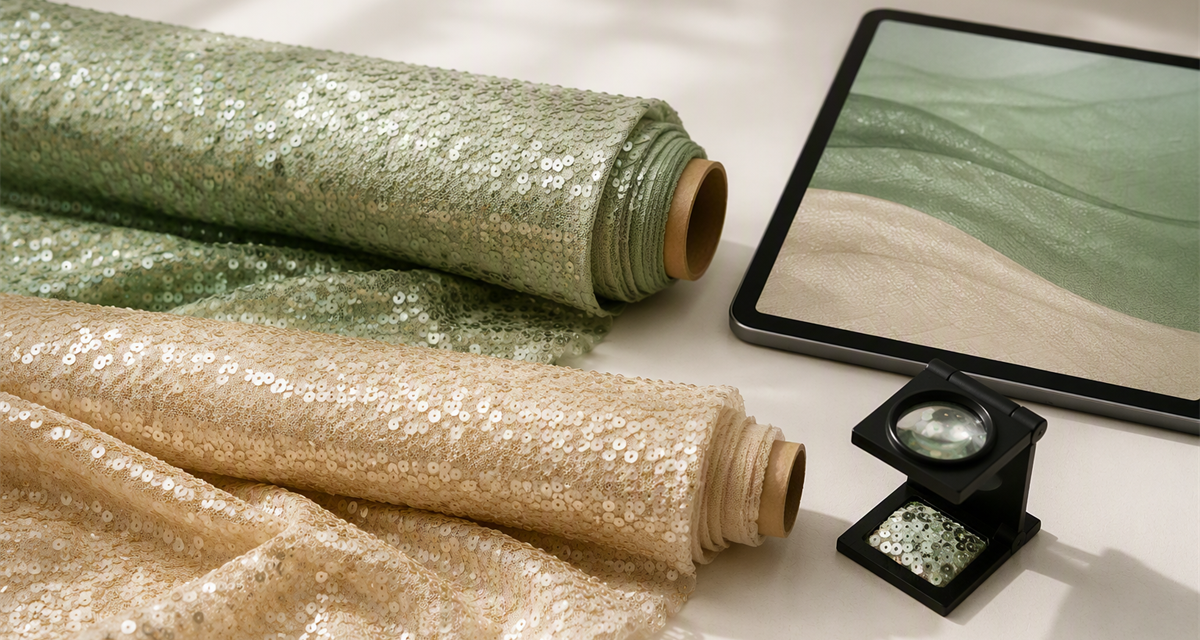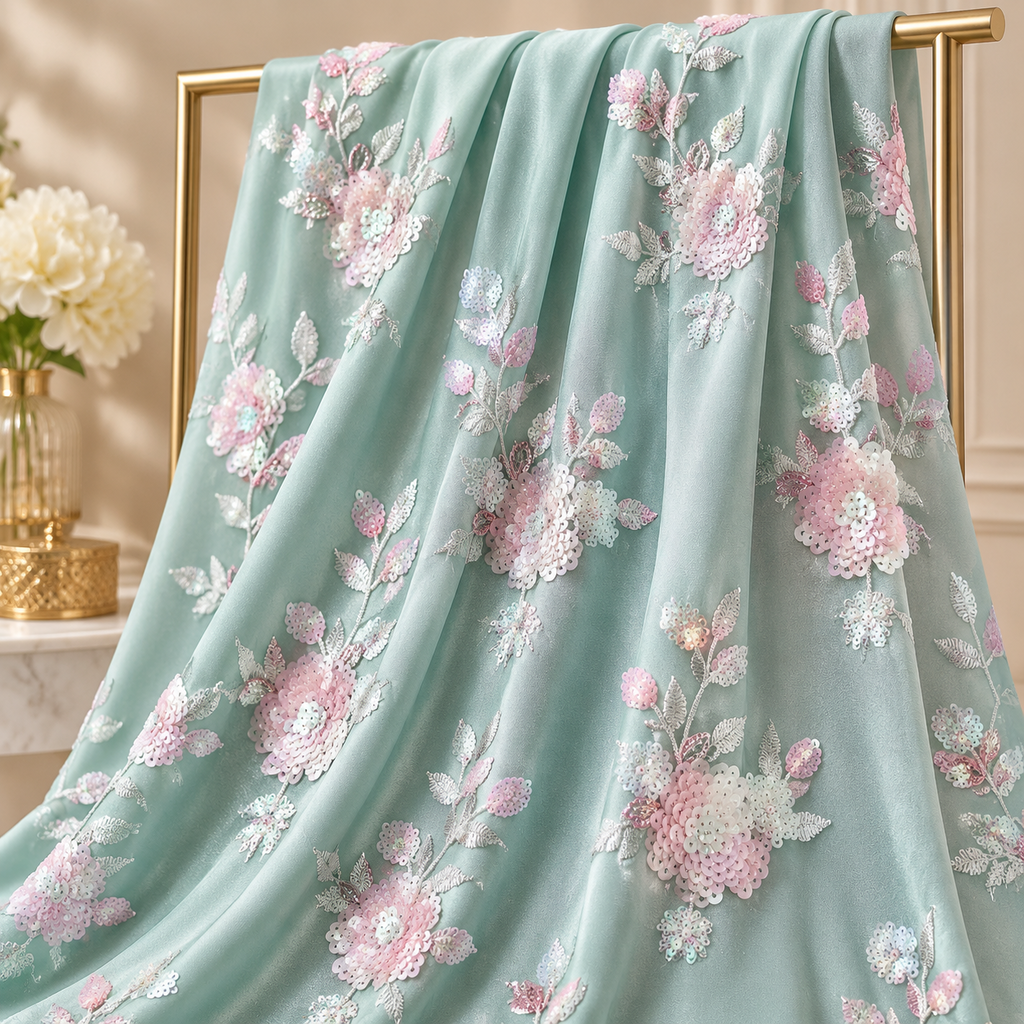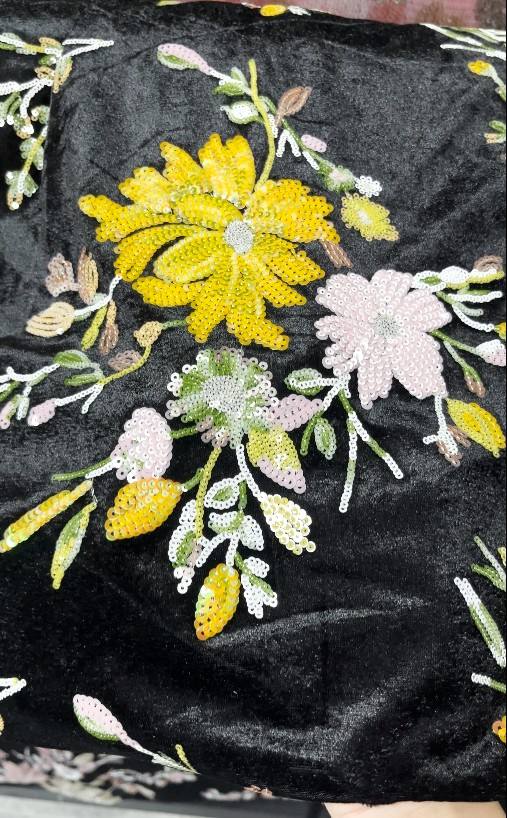
corded lace needle deflection starts with a measurable specification, not a visual promise. This guide gives purchasing, product development, and factory teams a practical control plan for heavy beaded corded lace fabric needle deflection and bobbin jamming. The process protects appearance, performance, and delivery at a 200 yards MOQ.
corded lace needle deflection failure mechanism
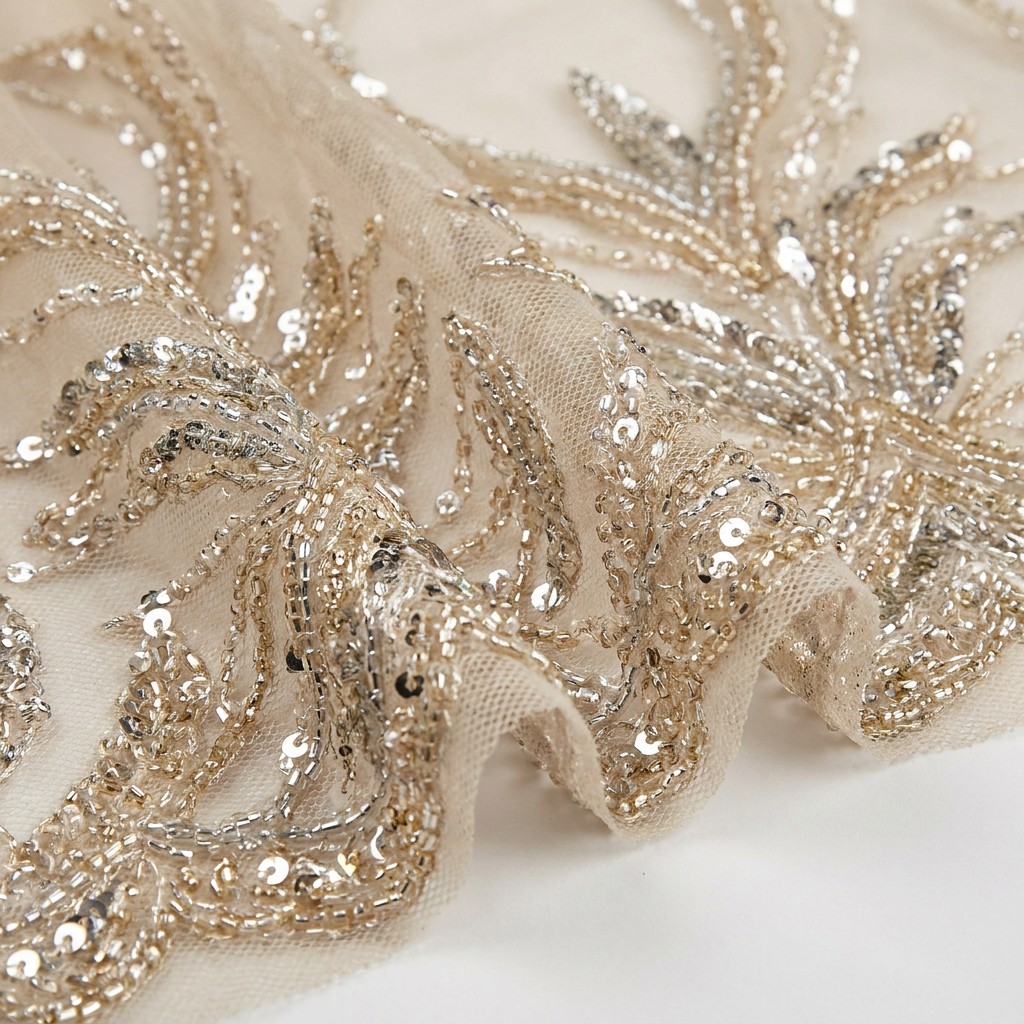
A 3mm cord and glass tube beads create hard, uneven zones in an embroidered base. At high sewing speed, the needle bends around these zones and may strike the throat plate or hook. For B2B buyers, define the approved construction before sampling. Record fibre content, finished width, GSM, colour reference, roll length, and the 200 yards MOQ. Then use the same reference in the lab, cutting room, and final inspection. This approach limits disputes because every team measures the same commercial specification. It also gives a supplier clear evidence for correction, replacement, or release decisions.
In practice, A 3mm cord and glass tube beads create hard, uneven zones in an embroidered base. At high sewing speed, the needle bends around these zones and may strike the throat plate or hook. Inspect first, middle, and final roll positions. Compare face and reverse under controlled light. Next, log the lot, operator, method, instrument, and result. Therefore, isolate any outlier, photograph the evidence, and approve only after a repeat test confirms the correction.
corded lace needle deflection machine needle selection
DPx5 Size 100/16 is a practical heavy round-point starting choice for stable penetration. Confirm point shape, shaft clearance, and needle replacement frequency on the actual style. For B2B buyers, define the approved construction before sampling. Record fibre content, finished width, GSM, colour reference, roll length, and the 200 yards MOQ. Then use the same reference in the lab, cutting room, and final inspection. This approach limits disputes because every team measures the same commercial specification. It also gives a supplier clear evidence for correction, replacement, or release decisions.
In practice, DPx5 Size 100/16 is a practical heavy round-point starting choice for stable penetration. Confirm point shape, shaft clearance, and needle replacement frequency on the actual style. Inspect first, middle, and final roll positions. Compare face and reverse under controlled light. Next, log the lot, operator, method, instrument, and result. Therefore, isolate any outlier, photograph the evidence, and approve only after a repeat test confirms the correction.
thread path balance
Upper tension, bobbin tension, and thread friction must work together. Excessive tension pulls the needle sideways, while slack loops can enter the hook and start a jam. For B2B buyers, define the approved construction before sampling. Record fibre content, finished width, GSM, colour reference, roll length, and the 200 yards MOQ. Then use the same reference in the lab, cutting room, and final inspection. This approach limits disputes because every team measures the same commercial specification. It also gives a supplier clear evidence for correction, replacement, or release decisions.
In practice, Upper tension, bobbin tension, and thread friction must work together. Excessive tension pulls the needle sideways, while slack loops can enter the hook and start a jam. Inspect first, middle, and final roll positions. Compare face and reverse under controlled light. Next, log the lot, operator, method, instrument, and result. Therefore, isolate any outlier, photograph the evidence, and approve only after a repeat test confirms the correction.
electronic foot height
Dynamic presser-foot height must follow the raised bead and cord profile. Synchronised lift reduces compression, prevents drag, and lets the material advance without sudden deflection. For B2B buyers, define the approved construction before sampling. Record fibre content, finished width, GSM, colour reference, roll length, and the 200 yards MOQ. Then use the same reference in the lab, cutting room, and final inspection. This approach limits disputes because every team measures the same commercial specification. It also gives a supplier clear evidence for correction, replacement, or release decisions.
In practice, Dynamic presser-foot height must follow the raised bead and cord profile. Synchronised lift reduces compression, prevents drag, and lets the material advance without sudden deflection. Inspect first, middle, and final roll positions. Compare face and reverse under controlled light. Next, log the lot, operator, method, instrument, and result. Therefore, isolate any outlier, photograph the evidence, and approve only after a repeat test confirms the correction.
speed ramping
Begin with a slow test cycle and increase speed in steps. Record the speed at which skipped stitches, broken needles, or hook noise first appear. For B2B buyers, define the approved construction before sampling. Record fibre content, finished width, GSM, colour reference, roll length, and the 200 yards MOQ. Then use the same reference in the lab, cutting room, and final inspection. This approach limits disputes because every team measures the same commercial specification. It also gives a supplier clear evidence for correction, replacement, or release decisions.
In practice, Begin with a slow test cycle and increase speed in steps. Record the speed at which skipped stitches, broken needles, or hook noise first appear. Inspect first, middle, and final roll positions. Compare face and reverse under controlled light. Next, log the lot, operator, method, instrument, and result. Therefore, isolate any outlier, photograph the evidence, and approve only after a repeat test confirms the correction.
bobbin jamming
A loose bead or cord fibre can enter the bobbin race and stop rotation. Clean the race, verify bobbin case tension, and inspect the stitch plate after every abnormal sound. For B2B buyers, define the approved construction before sampling. Record fibre content, finished width, GSM, colour reference, roll length, and the 200 yards MOQ. Then use the same reference in the lab, cutting room, and final inspection. This approach limits disputes because every team measures the same commercial specification. It also gives a supplier clear evidence for correction, replacement, or release decisions.
In practice, A loose bead or cord fibre can enter the bobbin race and stop rotation. Clean the race, verify bobbin case tension, and inspect the stitch plate after every abnormal sound. Inspect first, middle, and final roll positions. Compare face and reverse under controlled light. Next, log the lot, operator, method, instrument, and result. In addition, corded lace needle deflection must be checked after conditioning and before bulk release. Therefore, isolate any outlier, photograph the evidence, and approve only after a repeat test confirms the correction.
needle breakage checklist
Check needle orientation, clamp height, eye damage, thread path, hoop stability, and presser-foot clearance. Replace a bent needle rather than attempting to straighten it. For B2B buyers, define the approved construction before sampling. Record fibre content, finished width, GSM, colour reference, roll length, and the 200 yards MOQ. Then use the same reference in the lab, cutting room, and final inspection. This approach limits disputes because every team measures the same commercial specification. It also gives a supplier clear evidence for correction, replacement, or release decisions.
In practice, Check needle orientation, clamp height, eye damage, thread path, hoop stability, and presser-foot clearance. Replace a bent needle rather than attempting to straighten it. Inspect first, middle, and final roll positions. Compare face and reverse under controlled light. Next, log the lot, operator, method, instrument, and result. Therefore, isolate any outlier, photograph the evidence, and approve only after a repeat test confirms the correction.
pattern engineering
Move dense stitches away from the thickest cord intersections. Use a test marker to show safe needle paths, then approve the stitch file with the garment factory. For B2B buyers, define the approved construction before sampling. Record fibre content, finished width, GSM, colour reference, roll length, and the 200 yards MOQ. Then use the same reference in the lab, cutting room, and final inspection. This approach limits disputes because every team measures the same commercial specification. It also gives a supplier clear evidence for correction, replacement, or release decisions.
In practice, Move dense stitches away from the thickest cord intersections. Use a test marker to show safe needle paths, then approve the stitch file with the garment factory. Inspect first, middle, and final roll positions. Compare face and reverse under controlled light. Next, log the lot, operator, method, instrument, and result. Therefore, isolate any outlier, photograph the evidence, and approve only after a repeat test confirms the correction.
seam allowance planning
Keep heavy embellishment outside critical seam lines when the design allows. If crossing is necessary, reduce speed and add a controlled hand-guiding instruction. For B2B buyers, define the approved construction before sampling. Record fibre content, finished width, GSM, colour reference, roll length, and the 200 yards MOQ. Then use the same reference in the lab, cutting room, and final inspection. This approach limits disputes because every team measures the same commercial specification. It also gives a supplier clear evidence for correction, replacement, or release decisions.
In practice, Keep heavy embellishment outside critical seam lines when the design allows. If crossing is necessary, reduce speed and add a controlled hand-guiding instruction. Inspect first, middle, and final roll positions. Compare face and reverse under controlled light. Next, log the lot, operator, method, instrument, and result. Therefore, isolate any outlier, photograph the evidence, and approve only after a repeat test confirms the correction.
Use the Quality Control category for inspection planning and the Sequin Fabric category for construction references. These internal links help buyers move from technical evidence to a sourcing decision.
Buyer release checklist
- Confirm construction, width, GSM, colour, finish, and the 200 yards MOQ.
- Approve a retained sample and written tolerance before bulk production.
- Test representative rolls using the agreed method and record results.
- Release only when appearance, performance, packing, and documents match.
Source direct on Alibaba - request bulk pricing, specifications, and production details in one place.
Request Sequin Fabric Samples and share your target GSM, width, sequin size, and colour reference.
Talk to Morris directly:
Email: morris@yunfantextile.com
WhatsApp: +86 156 3752 5803
WhatsApp: +86 175 1619 6727