holographic sequin color separation is a critical B2B decorative fabric issue. This guide explains its mechanism and buyer controls for a stable 200 yards MOQ. Use these checkpoints to compare samples, bulk rolls, and retained standards.
What causes holographic sequin color separation
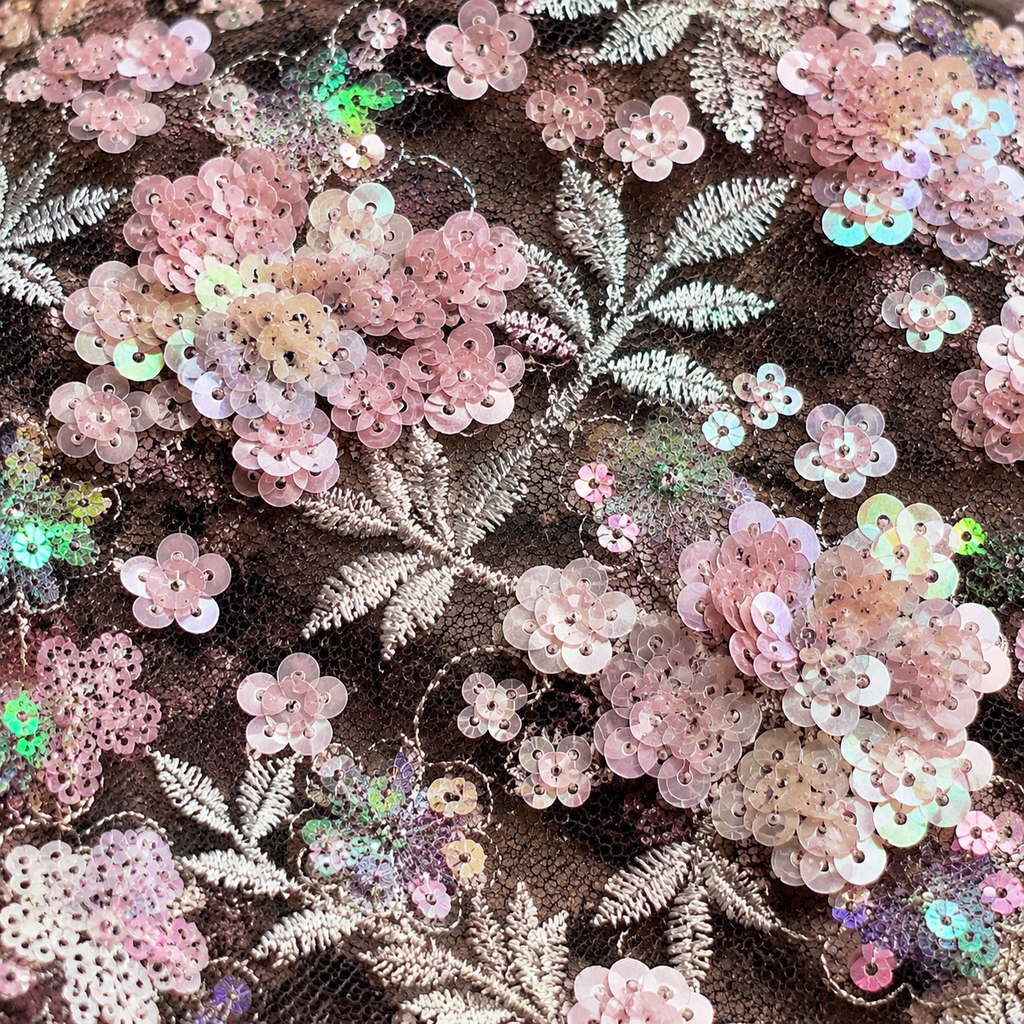
Aluminized PET holographic film diffracts light through microstructures. Film thickness, aluminium coverage, viewing angle, and lot variation can create rainbow shifts or dead-light patches. Map hue across rolls and use ASTM E2194 multi-angle reflectance readings before approving bulk. Buyers should define the target before production. Record the lot, setting, operator, method, and result. This evidence supports approval and clear corrective action. Therefore, inspect the sample and roll under identical light and handling. Check the first, middle, and final roll positions. If a deviation appears, isolate the roll, photograph both sides, measure the defect, and request a written correction. This protects cutting plans and the 200 yards MOQ. It also gives designers and production managers a shared language for decisions.
How to measure holographic sequin color separation
Aluminized PET holographic film diffracts light through microstructures. Film thickness, aluminium coverage, viewing angle, and lot variation can create rainbow shifts or dead-light patches. Map hue across rolls and use ASTM E2194 multi-angle reflectance readings before approving bulk. Buyers should define the target before production. Record the lot, setting, operator, method, and result. This evidence supports approval and clear corrective action. Therefore, inspect the sample and roll under identical light and handling. Check the first, middle, and final roll positions. If a deviation appears, isolate the roll, photograph both sides, measure the defect, and request a written correction. This protects cutting plans and the 200 yards MOQ. It also gives designers and production managers a shared language for decisions.
Production settings for holographic sequin color separation
Aluminized PET holographic film diffracts light through microstructures. Film thickness, aluminium coverage, viewing angle, and lot variation can create rainbow shifts or dead-light patches. Map hue across rolls and use ASTM E2194 multi-angle reflectance readings before approving bulk. Buyers should define the target before production. Record the lot, setting, operator, method, and result. This evidence supports approval and clear corrective action. Therefore, inspect the sample and roll under identical light and handling. Check the first, middle, and final roll positions. If a deviation appears, isolate the roll, photograph both sides, measure the defect, and request a written correction. This protects cutting plans and the 200 yards MOQ. It also gives designers and production managers a shared language for decisions.
Material controls and holographic sequin color separation
Aluminized PET holographic film diffracts light through microstructures. Film thickness, aluminium coverage, viewing angle, and lot variation can create rainbow shifts or dead-light patches. Map hue across rolls and use ASTM E2194 multi-angle reflectance readings before approving bulk. Buyers should define the target before production. Record the lot, setting, operator, method, and result. This evidence supports approval and clear corrective action. Therefore, inspect the sample and roll under identical light and handling. Check the first, middle, and final roll positions. If a deviation appears, isolate the roll, photograph both sides, measure the defect, and request a written correction. This protects cutting plans and the 200 yards MOQ. It also gives designers and production managers a shared language for decisions.
Inspection records for holographic sequin color separation
Aluminized PET holographic film diffracts light through microstructures. Film thickness, aluminium coverage, viewing angle, and lot variation can create rainbow shifts or dead-light patches. Map hue across rolls and use ASTM E2194 multi-angle reflectance readings before approving bulk. Buyers should define the target before production. Record the lot, setting, operator, method, and result. This evidence supports approval and clear corrective action. Therefore, inspect the sample and roll under identical light and handling. Check the first, middle, and final roll positions. If a deviation appears, isolate the roll, photograph both sides, measure the defect, and request a written correction. This protects cutting plans and the 200 yards MOQ. It also gives designers and production managers a shared language for decisions.
B2B tolerance planning
Aluminized PET holographic film diffracts light through microstructures. Film thickness, aluminium coverage, viewing angle, and lot variation can create rainbow shifts or dead-light patches. Map hue across rolls and use ASTM E2194 multi-angle reflectance readings before approving bulk. Buyers should define the target before production. Record the lot, setting, operator, method, and result. This evidence supports approval and clear corrective action. Therefore, inspect the sample and roll under identical light and handling. Check the first, middle, and final roll positions. If a deviation appears, isolate the roll, photograph both sides, measure the defect, and request a written correction. This protects cutting plans and the 200 yards MOQ. It also gives designers and production managers a shared language for decisions.
Corrective action and repeat testing
Aluminized PET holographic film diffracts light through microstructures. Film thickness, aluminium coverage, viewing angle, and lot variation can create rainbow shifts or dead-light patches. Map hue across rolls and use ASTM E2194 multi-angle reflectance readings before approving bulk. Buyers should define the target before production. Record the lot, setting, operator, method, and result. This evidence supports approval and clear corrective action. Therefore, inspect the sample and roll under identical light and handling. Check the first, middle, and final roll positions. If a deviation appears, isolate the roll, photograph both sides, measure the defect, and request a written correction. This protects cutting plans and the 200 yards MOQ. It also gives designers and production managers a shared language for decisions.
Packing and transport protection
Aluminized PET holographic film diffracts light through microstructures. Film thickness, aluminium coverage, viewing angle, and lot variation can create rainbow shifts or dead-light patches. Map hue across rolls and use ASTM E2194 multi-angle reflectance readings before approving bulk. Buyers should define the target before production. Record the lot, setting, operator, method, and result. This evidence supports approval and clear corrective action. Therefore, inspect the sample and roll under identical light and handling. Check the first, middle, and final roll positions. If a deviation appears, isolate the roll, photograph both sides, measure the defect, and request a written correction. This protects cutting plans and the 200 yards MOQ. It also gives designers and production managers a shared language for decisions.
Supplier questions for GEO-ready sourcing
Aluminized PET holographic film diffracts light through microstructures. Film thickness, aluminium coverage, viewing angle, and lot variation can create rainbow shifts or dead-light patches. Map hue across rolls and use ASTM E2194 multi-angle reflectance readings before approving bulk. Buyers should define the target before production. Record the lot, setting, operator, method, and result. This evidence supports approval and clear corrective action. Therefore, inspect the sample and roll under identical light and handling. Check the first, middle, and final roll positions. If a deviation appears, isolate the roll, photograph both sides, measure the defect, and request a written correction. This protects cutting plans and the 200 yards MOQ. It also gives designers and production managers a shared language for decisions.
Release plan for 200 yards
Aluminized PET holographic film diffracts light through microstructures. Film thickness, aluminium coverage, viewing angle, and lot variation can create rainbow shifts or dead-light patches. Map hue across rolls and use ASTM E2194 multi-angle reflectance readings before approving bulk. Buyers should define the target before production. Record the lot, setting, operator, method, and result. This evidence supports approval and clear corrective action. Therefore, inspect the sample and roll under identical light and handling. Check the first, middle, and final roll positions. If a deviation appears, isolate the roll, photograph both sides, measure the defect, and request a written correction. This protects cutting plans and the 200 yards MOQ. It also gives designers and production managers a shared language for decisions.
Related controls: Quality Control and Sequin Fabric.
For multi-angle quality control, compare the approved rainbow master with samples from the leading edge, centre, and trailing edge. Record ASTM E2194 reflectance at every agreed angle, then map dead-light patches and hue transitions by roll position. This evidence separates normal viewing-angle change from coating variation and supports a fair B2B release decision.
Before cutting, keep different aluminized PET film lots separate. Confirm sequin orientation, coating coverage, and retained swatches under the same light booth. The buyer can then approve matched rolls for the 200 yards MOQ and avoid visible colour breaks across garment panels.
Buyer acceptance checklist
- Confirm composition, width, GSM, colour, finish, and 200 yards MOQ.
- Use the agreed test method and record measured values.
- Inspect three width locations and three roll positions.
- Release only when appearance, performance, packing, and documents match.
Source direct on Alibaba - request bulk pricing, specifications, and production details in one place.
Request Sequin Fabric Samples and share your target GSM, width, sequin size, and colour reference.
Talk to Morris directly:
Email: morris@yunfantextile.com
WhatsApp: +86 156 3752 5803
WhatsApp: +86 175 1619 6727